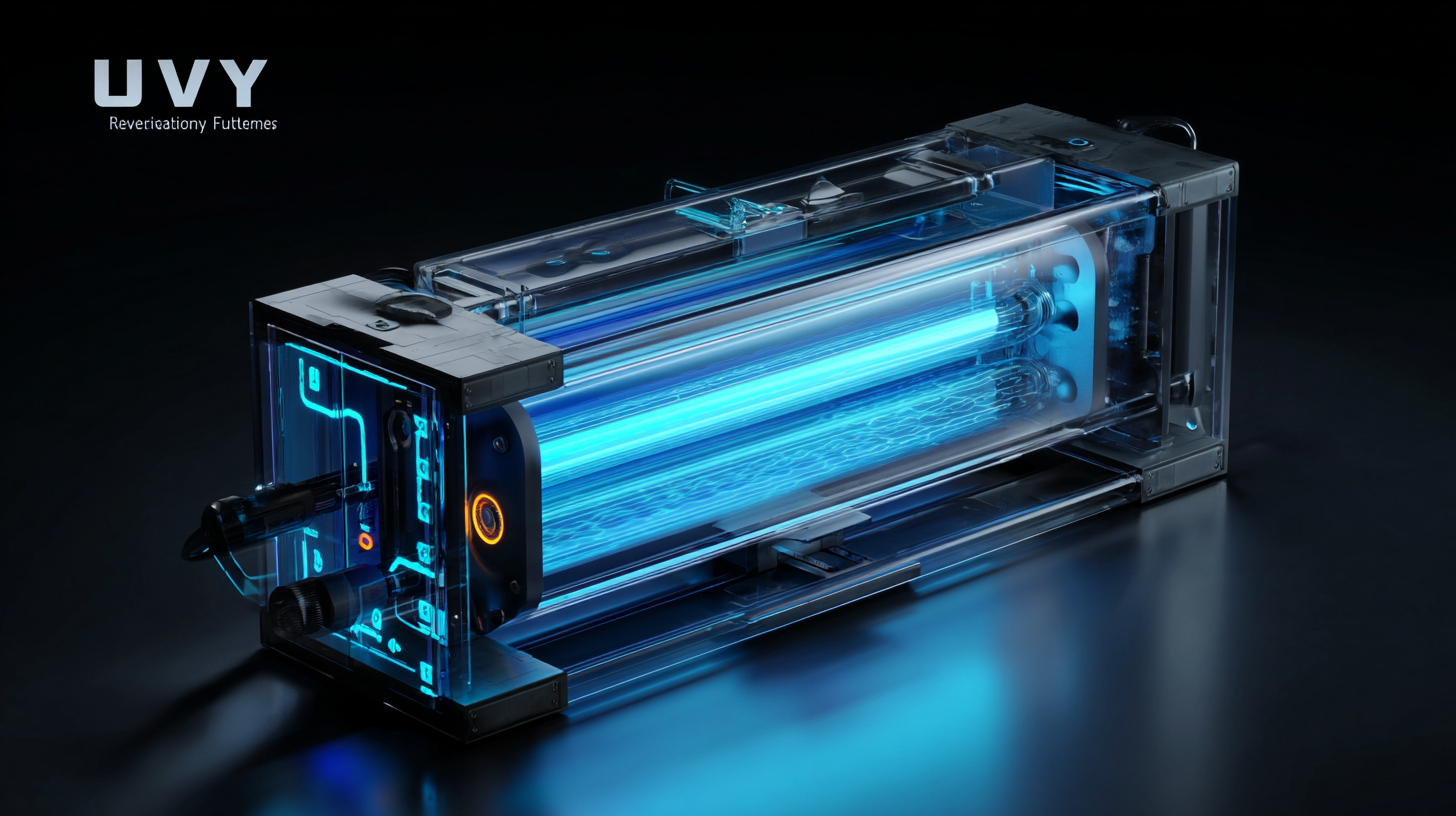
You know, in today’s world, air quality is such a big deal, especially when it comes to our health and how comfortable we feel. That's where some really cool breakthroughs in UV air filtration technology come into play, helping us work towards a cleaner future. So, as we take a look at the top UV air filtration systems for 2023, it’s super important to get a grip on their key specs. A standout player in this field is Foshan Kelan Environmental Protection Co., LTD, which is rocking the market with its Kleanland brand. They've snagged the number one spot thanks to their innovative solutions designed for places like restaurants, cafés, canteens, hotels, and resorts. Seriously, Kleanland is all about using advanced electrostatic Air Purification tech, which is really pushing them to the front of the game. It’s a no-brainer for businesses to think about how much UV air filtration can boost indoor air quality. In this blog, we’ll break down five essential specifications that will not just inform you, but actually give you the power to make smart choices for a healthier environment.
Understanding UV Air Filtration: How It Works and Its Benefits
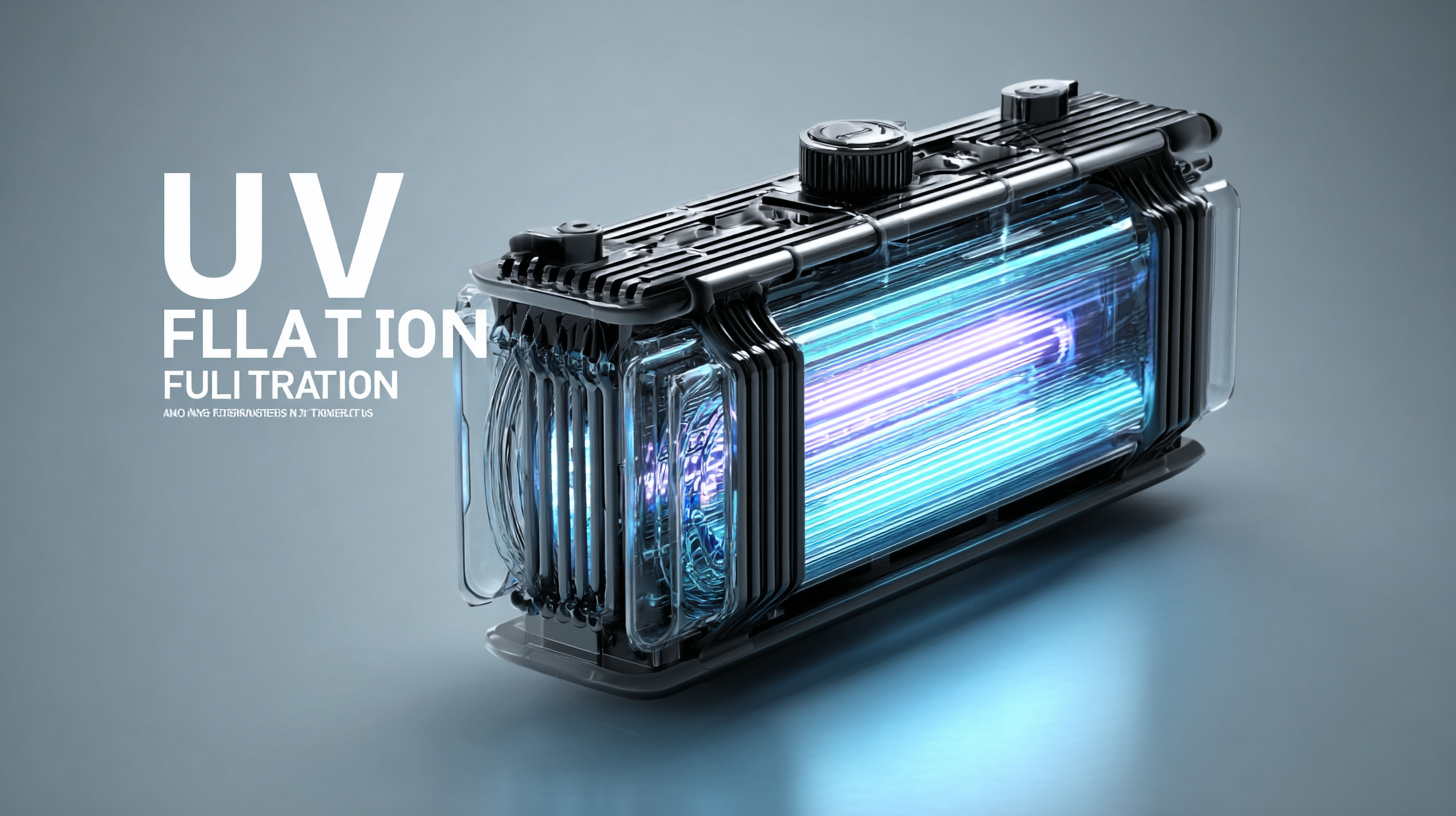
Let's be real: indoor air pollution has become a pretty big deal—especially with everything we've seen during the COVID-19 pandemic. That's why getting a grip on UV air filtration systems is super important. These systems use ultraviolet light to zap airborne germs, which means they help keep our indoor spaces cleaner and healthier. With cities growing faster than ever, people are paying more attention to air quality. In fact, the U.S. Air Filter market is on track for some serious growth—it’s expected to jump from $4.62 billion in 2025 to $7.44 billion by 2032. That’s a compound annual growth rate of about 7.1%, if you're into numbers!
And it’s not just the U.S.; the global air filter market is booming too. It was valued at $100.22 billion in 2023 and is projected to hit around $161.11 billion by 2032. This growth is largely thanks to more and more folks wanting effective air treatment solutions that don’t just filter but also cleanse the air. UV air purifiers are becoming pretty popular in this mix because they tackle both dust and those pesky biological contaminants. They’ve quickly turned into a must-have for anyone serious about keeping their home’s air quality top-notch. So, diving into what these technologies can do can really help you make smart choices for improving the air in your home!
Revolutionary 2023 Best UV Air Filtration: 5 Key Technical Specifications You Need to Know!
| Specification | Details |
| UV-C Lamp Type | Low-pressure Mercury Vapor Lamp |
| Wavelength | 254 nm |
| Effective Coverage Area | Up to 1,000 sq. ft. |
| Filtration Efficiency | 99.9% reduction of airborne pathogens |
| Lamp Lifespan | Up to 10,000 hours |
Key Technical Specifications: What Defines the Best UV Air Filters?
Choosing the right UV air filters for your home or office can be a bit overwhelming, but it’s super important to understand some key specs. First off, let’s talk about the UV-C wavelength. This is a biggie! Good UV air filters typically give off light at a wavelength of 254 nm, and this is what actually works to zap bacteria, viruses, and mold spores. So, definitely check out the specs of the UV bulb in your air filter—it plays a huge role in how well it cleans your indoor air.
Next up, let’s discuss the air flow rate, usually measured in cubic feet per minute (CFM). A higher CFM means more air gets processed through the UV filter, which boosts its ability to kick airborne contaminants to the curb. And don’t forget to look for filters that have multi-stage filtration systems! These often pair HEPA filters with UV tech, giving you a thorough clean by catching the bigger particles before they even get to the UV light. It’s a really good combo that not only amps up your air quality but also keeps those pesky pollutants at bay. So, take your time and consider these specs when hunting for the best UV air filter for your space!
2023 Best UV Air Filtration: Key Technical Specifications
This chart displays the key technical specifications of the best UV air filters available in 2023. The specifications include UV-C Lamp Life, Air Flow Rate, Filter Efficiency, Noise Level, and Coverage Area.
Comparative Analysis of UV Air Filtration Efficiency, Performance Metrics, and Standards
So, when you're on the hunt for a good UV air filtration system, it’s super important to get a handle on how efficient it really is. One of the main things you want to look at is the UV dose, which is measured in microjoules per square centimeter (that’s µJ/cm² if you’re into abbreviations). Essentially, this tells you how intense and how long the UV light needs to shine to do its magic in disinfecting the air.
Generally speaking, the systems that boast a higher UV dose are usually better at zapping those pesky airborne germs, like bacteria and viruses. Make sure you’re comparing the UV dose ratings of different models — this way, you can find an air filtration system that really covers your safety needs.
Another key thing on your checklist should be the airflow rate, which you’ll often see in cubic feet per minute, or CFM for short. The higher the CFM, the quicker and more effective the system will be at circulating and cleaning the air, especially in larger spaces. Don't forget to take a peek at how long the filters last and how much upkeep is involved; this will really help you figure out if the system is worth the investment. By digging into these performance details, you’ll be making smarter choices about a UV air filtration system that not only boosts your indoor air quality but also keeps health standards in check.
Industry Insights: The Importance of UV-C Wavelength in Air Purification
You know, the role of UV-C light in cleaning the air has really started to stand out, especially with everything going on in healthcare and our worries about the environment. This stuff is pretty amazing—it has germ-fighting powers that can seriously take down airborne germs. That’s why it’s become such a key player in high-tech air filtration systems. Recently, we’ve seen some cool advancements in this tech that make UV-C air purifiers even more effective. Now, they’re being used in all sorts of places, from homes to offices, especially with folks concerned about catching airborne illnesses these days.
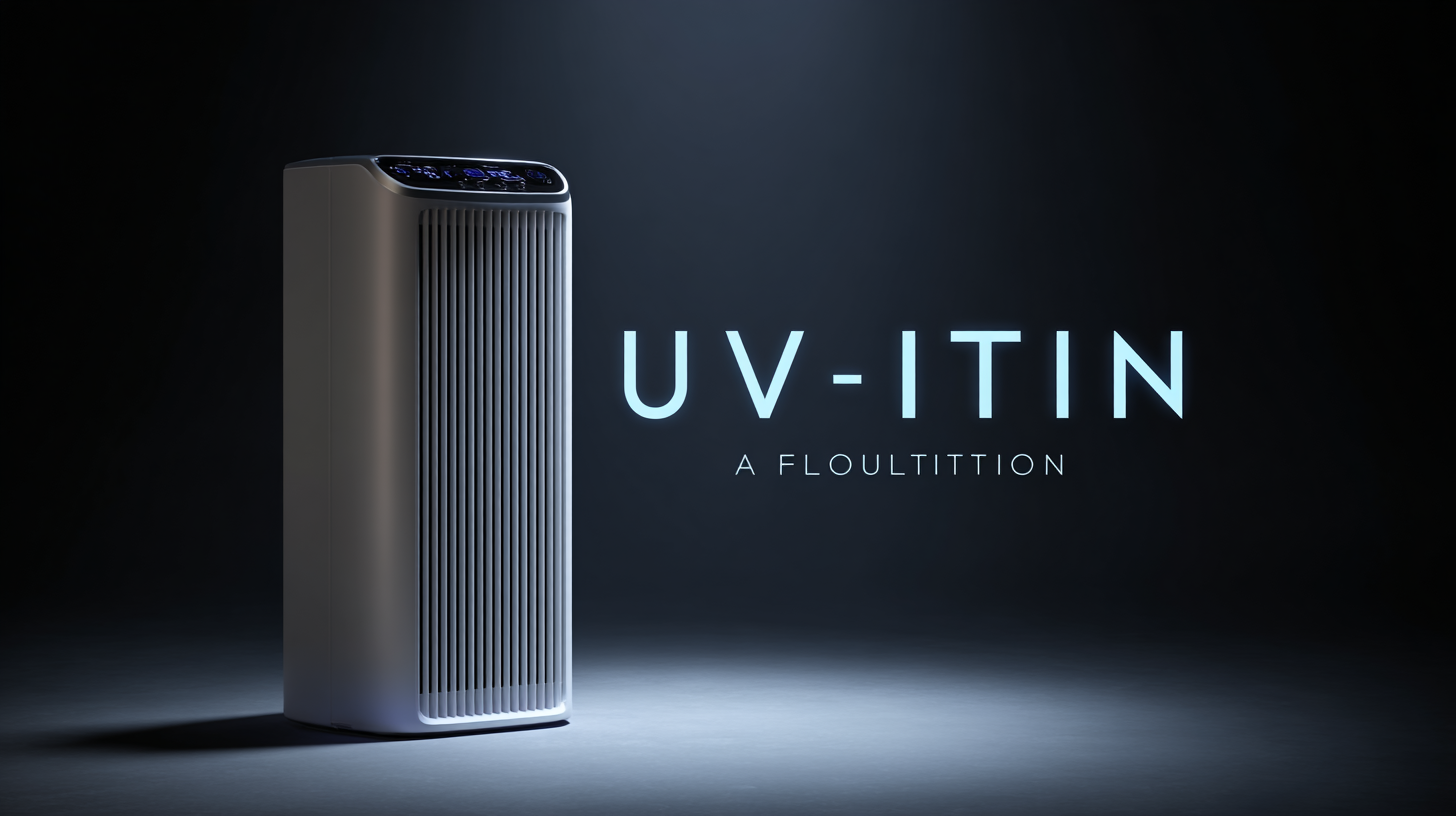 And get this, the UV LED market is booming! It's predicted to hit some huge numbers in the next few years, and integrating UV-C tech into air purifiers is really pushing this growth forward. There’s some exciting research out there suggesting that UV-C LEDs could actually surpass those old-school mercury lamps we used to rely on, making disinfection not just better but also a lot more eco-friendly. With the UV-C LED applications expected to grow at over 31% annually, air purification systems featuring these cutting-edge gadgets are set to not only boost the quality of the air inside our spaces but also help keep us healthier and more protected from infectious diseases.
Cost-Benefit Analysis: Evaluating the Return on Investment for UV Air Filtration Systems
So, let’s talk about UV air filtration systems for a minute. Investing in one of these not only shows you care about keeping the air in your home healthier, but it also makes solid financial sense when you look at the numbers. Believe it or not, recent research has found that indoor air can be up to five times dirtier than what’s outside! That’s why having top-notch filtration systems is super important. According to Frost & Sullivan, the air purification market is expected to hit around $29.88 billion by 2024. That truly shows how much people are catching on to the need for clean air in both homes and businesses. When you get a UV air filter up and running, you could see a whopping 99.9% drop in airborne germs. That’s pretty reassuring and could even help cut down on those pesky healthcare expenses related to breathing issues.
Now, when you think about the return on investment (ROI), you really want to consider both the money you save right away and what you'll save in the long run. The EPA has pointed out that making the air inside your workplace better can actually reduce absenteeism by 10% or more, which is a big deal for keeping productivity up. Plus, a lot of UV air filtration systems use way less energy compared to the old-school HVAC filters, which means you can save on your utility bills over time. When you take a step back and look at all these factors, it’s pretty clear that going for UV air filtration systems isn’t just a good move; it’s a smart one, especially these days when we’re all focused on health.
Future Trends: Innovations and Developments in UV Air Filtration Technology
You know, the world of UV air filtration technology is changing really fast these days. Thanks to some cool innovations and a growing awareness about how important indoor air quality is, there’s been quite a shift. Recent studies show that the air purifier market is booming, and believe it or not, demand for things like pet air purifiers is skyrocketing—predicted to hit a whopping $290 million by 2030! That’s a nice growth rate of about 8.8% every year from 2024 to 2030. It really underscores how crucial it is to find solutions for dealing with pesky airborne pollutants like PM2.5 and VOCs, which can lead to some pretty serious health issues.
And what’s interesting is that partnerships in the industry are really pushing forward the development of better filtration methods. For example, there are some exciting collaborations aimed at creating air-purifying building materials, which is a neat step towards more integrated solutions for air quality. As manufacturers keep blending UV tech with traditional filters, we’re looking at some significant improvements in how effectively we can get rid of those nasty pollutants.
So, when you’re on the hunt for a UV air purifier, make sure to check out models that mix different technologies, like HEPA and activated carbon. That combo is likely to give you the best results. And don’t forget, regular maintenance and swapping out those filters on time is key to keeping it running smoothly and maximizing its air-cleansing powers. Lastly, always stay in the loop about new technologies that could further boost the air quality in your home. It’s worth it!
Optimizing Stenter Machines: The Importance of Gas Air Filters and Heat Recovery Systems
Optimizing Stenter Machines: The Importance of Gas Air Filters and Heat Recovery Systems
In the textile and dyeing industries, stenter machines play a crucial role in setting and finishing fabrics. However, the operational efficiency of these machines can be significantly enhanced by implementing advanced technologies such as gas air filters and waste heat recovery systems. Gas air filters are essential for maintaining a clean environment within the stenter, preventing contaminants from affecting the quality of the textiles. By ensuring optimal air quality, these filters not only improve production quality but also extend the lifespan of the machinery.
Another vital component in optimizing stenter machines is the waste heat recovery system. This system captures excess heat produced during the stenter operation, redirecting it for reuse in the production process. By recovering this waste heat, textile manufacturers can substantially reduce their energy costs while minimizing environmental impact. The integration of such energy-saving technologies not only promotes sustainability but also enhances operational efficiency, aligning with the industry's growing emphasis on responsible production practices. Adopting these optimizations ultimately leads to a more sustainable future for the textile and dyeing sectors.
FAQS
: UV air filtration uses ultraviolet light to deactivate airborne pathogens, helping to create cleaner and healthier indoor environments.
The demand has risen due to growing awareness of indoor air quality, particularly during the COVID-19 pandemic, alongside urbanization and an increase in indoor air pollution.
The U.S. air filter market is expected to grow from $4.62 billion in 2025 to $7.44 billion by 2032, reflecting a compound annual growth rate of 7.1%.
A UV-C wavelength of 254 nm is crucial as it effectively deactivates bacteria, viruses, and mold spores, which is essential for the air filter's efficacy.
The airflow rate, measured in cubic feet per minute (CFM), indicates how much air is processed. A higher CFM results in more efficient air purification by circulating air faster.
Multi-stage filtration systems combine HEPA filters with UV technology to trap larger particles before they are exposed to UV light, providing comprehensive air purification.
The UV dose, measured in microjoules per square centimeter (µJ/cm²), reflects the intensity and duration of UV light exposure; a higher UV dose typically means better capability in neutralizing airborne pathogens.
Compare performance metrics such as UV dose ratings, airflow rates, filter longevity, and maintenance schedules to find a system that meets safety requirements and is cost-effective.
The global air filter market is expected to grow from $100.22 billion in 2023 to $161.11 billion by 2032, driven by increasing consumer demand for effective air treatment solutions.
Understanding these technologies allows consumers to make informed choices about improving indoor air quality and select the best air filtration system for their needs.

 Online Message
 Phone:+8613927702137
 E-Mail: kleanesp@kleanland.com
 Whatsapp: +8613927702137