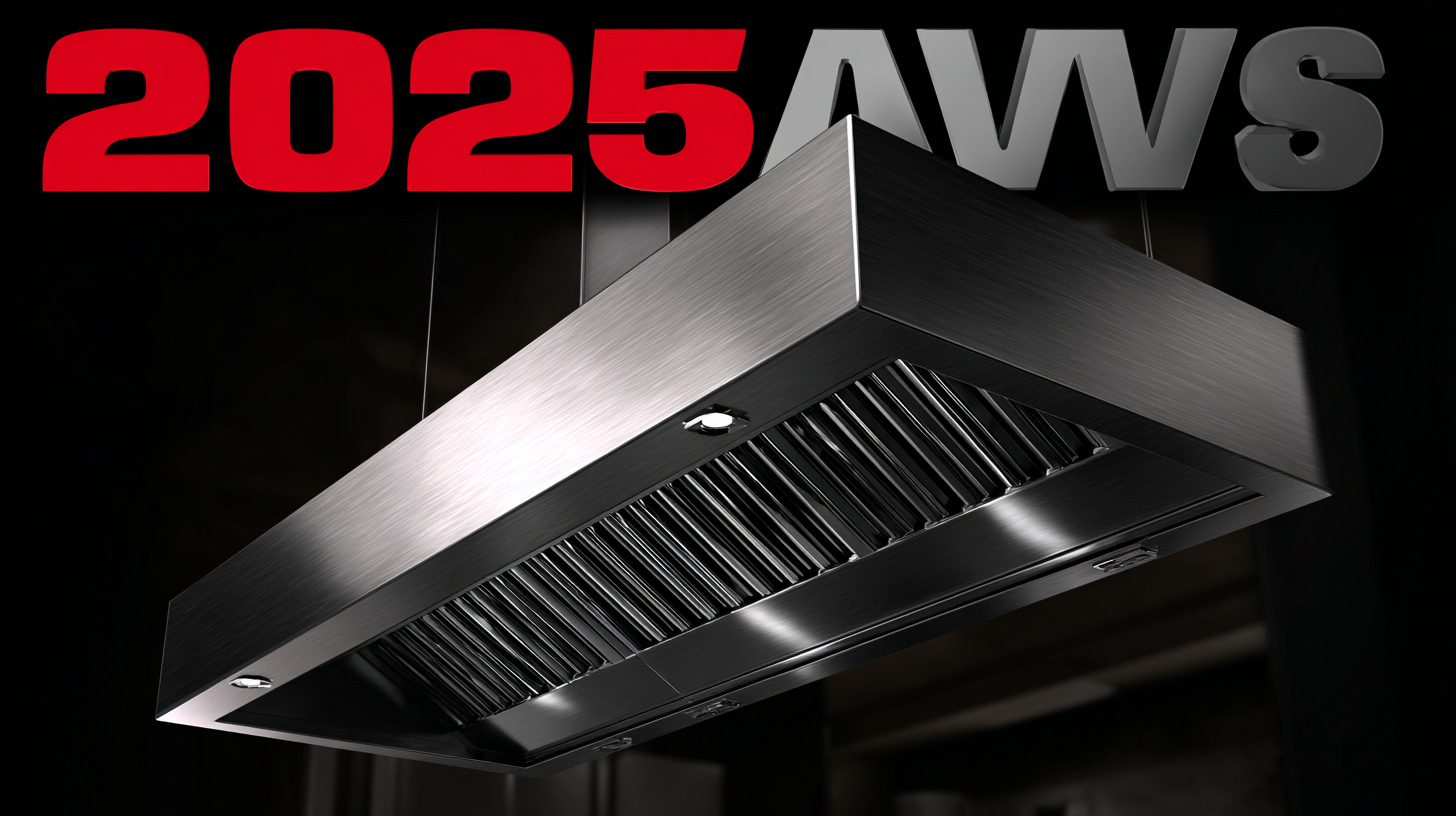
You know, as the world of cooking keeps changing, the tech behind kitchen ventilation is keeping up as well. By 2025, we’re set to see some really exciting advancements in Kitchen Hood Filters. Recent industry reports have suggested that the kitchen ventilation market is on the rise, with a growth rate of about 5.2%. This is mainly because people are becoming more aware of air quality issues and are on the lookout for energy-efficient options, especially in places like restaurants, cafés, and hotels. One standout company in this area is Foshan Kelan Environmental Protection Co., LTD. Their Kleanland brand is actually leading the market by using some cutting-edge tech focused on electrostatic Air Purification. In this blog post, I’ll take a closer look at some of the best kitchen hood filters out there, share their benefits, and see how they fit into the current trends of sustainability and efficiency in the industry.
The Role of Kitchen Hood Filters in Enhancing Indoor Air Quality
You know, we can't really underestimate how vital kitchen hood filters are for keeping our indoor air fresh, especially with the trends in kitchen ventilation we’re expecting to see in 2025. Seriously, these filters do an awesome job of trapping smoke, grease, and all those pesky airborne particles that can mess with the air quality in our homes. A good kitchen hood filter doesn’t just kick out bad smells; it’s also a key player in lowering the risk of respiratory problems and allergies that might pop up while we’re cooking.
**Quick tip:** Don’t forget to clean or replace your kitchen hood filters regularly to keep everything running smoothly. Depending on what kind of filter you have, you might need to do this monthly or maybe every few months. A clean filter is way better at catching those particles, which means fresher air for your kitchen.
Technology keeps getting better, and that means our kitchen hood filters are too! New stuff, like activated charcoal and HEPA filters, is totally trending right now. These innovations provide fantastic filtration and really help create healthier spaces indoors. As these products become more available, you can look forward to enjoying cleaner air in your home.
**Another tip:** When you’re choosing a kitchen hood filter, think about your kitchen size, your cooking style, and what specific stuff you’re trying to filter out. Picking a filter that fits your needs not only enhances air quality but also ramps up the efficiency of your kitchen ventilation system.
Comparative Analysis of Types of Kitchen Ventilation Systems
In the evolving landscape of kitchen ventilation for 2025, understanding the different types of kitchen ventilation systems is crucial for both homeowners and commercial establishments. Systems such as range hoods, downdraft ventilators, and recirculating filters offer various approaches to effectively manage smoke, steam, and odors. Specifically, range hoods are widely favored in both residential and commercial kitchens due to their efficiency in expelling airborne grease and culinary residues, thereby maintaining air quality.
Foshan Kelan Environmental Protection Co., LTD, leveraging its expertise in electrostatic air purification technology, stands at the forefront of this industry. Kleanland, as a top brand, excels in offering advanced kitchen hood filters that are not only effective but also environmentally friendly. The integration of electrostatic technology into kitchen ventilation systems enhances their performance, capturing finer particles that traditional systems may miss. This innovation not only benefits restaurants and cafés but also residential users looking to improve air quality within their kitchens, reflecting a growing trend towards cleaner and healthier cooking environments in 2025.
Understanding the Efficiency Ratings of Kitchen Hood Filters
When selecting a kitchen hood filter, understanding its efficiency ratings is crucial for ensuring effective ventilation and air quality. According to the latest industry report by the Home Ventilating Institute, filters are typically rated based on their ability to capture grease, smoke, and odors, with a Minimum Efficiency Reporting Value (MERV) ranging from 1 to 20. A higher MERV rating indicates better filtration efficiency. For example, a filter rated MERV 11 or higher can capture larger particles and allergens, providing a healthier kitchen environment.
Tips for selecting an efficient kitchen hood filter include opting for models with grease filters made from stainless steel or aluminum, which are both durable and easy to clean. Additionally, consider filters that utilize activated charcoal, which effectively removes odors and enhances air quality. It's also advisable to regularly check and replace filters according to the manufacturer’s recommendations to maintain optimal performance.
Another aspect to consider is the type of ventilation system in your kitchen. According to the National Kitchen and Bath Association, downdraft systems may not be as effective in removing smoke and fumes as traditional overhead hoods. Therefore, ensure that your choice of hood and filter matches your cooking habits and kitchen layout to achieve the best ventilation results.
The Impact of Kitchen Ventilation on Energy Consumption Trends
You know, proper kitchen ventilation is super important when it comes to how much energy our homes use these days. With everyone trying to be more energy-efficient, it’s kind of a no-brainer that kitchen hood filters need to keep up with these changes. Good ventilation not only helps freshen up the air by getting rid of smoke, smells, and that annoying excess heat, but it also helps slashes our energy bills by working smarter, which means we don’t rely so much on heating or cooling systems.
What’s really cool is that there have been some neat upgrades in kitchen hood filters lately. We’ve got new tech that really bumps up airflow and makes capturing those pesky particles way more effective. For example, filters with HEPA capabilities or even smart technology can seriously reduce energy waste. Take smart hoods, for instance—they can automatically tweak their power settings based on what you’re cooking, so you’re using less energy without losing any performance. This whole mix of cutting-edge filtration and energy-smart designs fits right in with the movement toward sustainable living. It’s really changing the game for how we think about kitchen ventilation and how it affects our overall energy use at home.
Latest Innovations in Kitchen Hood Filter Technology
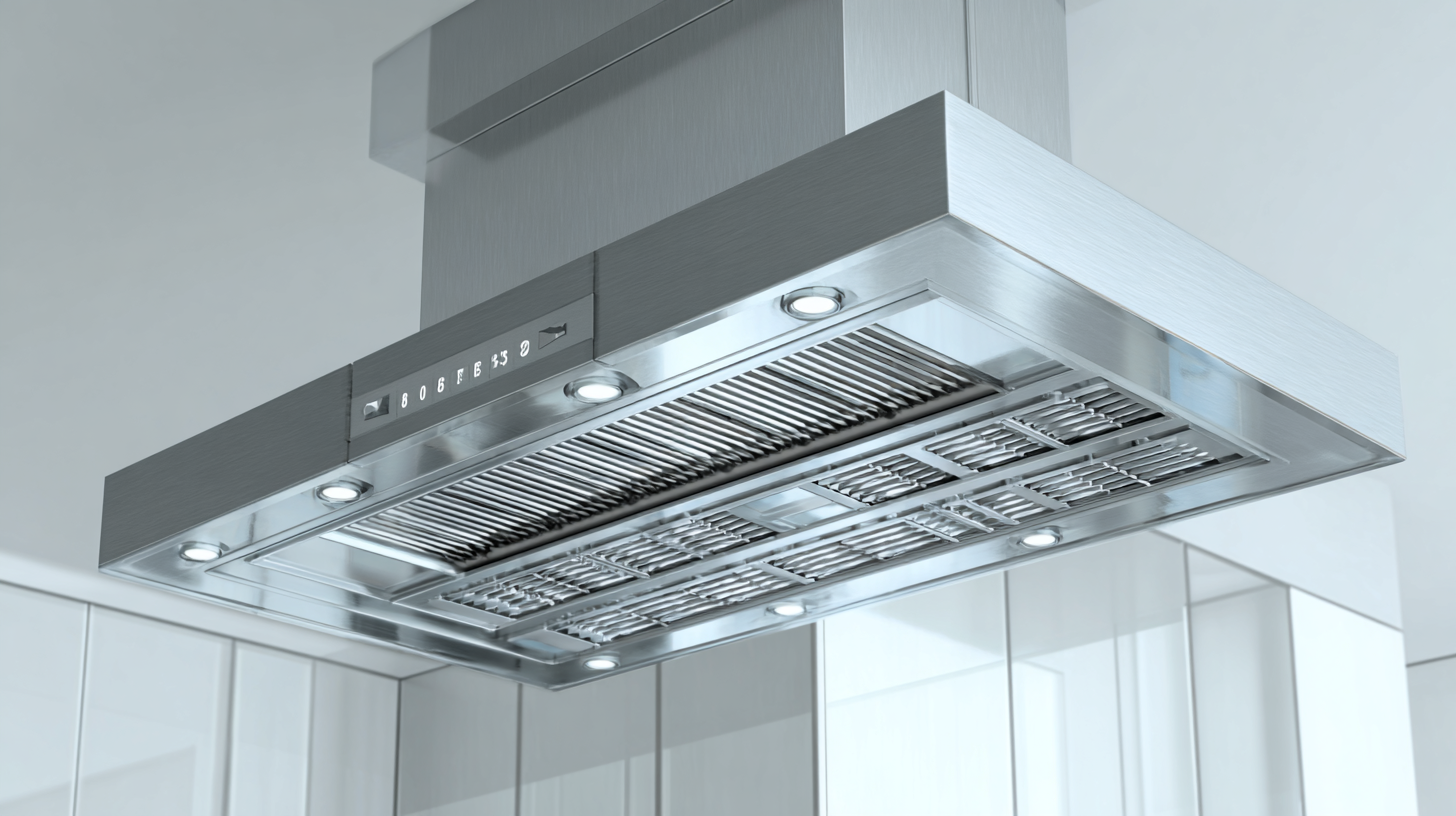
Looking ahead to 2025, it seems like the kitchen ventilation industry is gearing up for some pretty exciting changes, especially with kitchen hood filter technology. You know, there are some new innovations in air purification that are really making a difference, helping us achieve cleaner air and creating a healthier space for cooking. The latest kitchen hood filters boast some cool features—like advanced multi-layer filtration systems that can tackle a wider range of particles, from smoke and grease to those not-so-great odors that linger in the air.
**Tip:** When you’re on the lookout for a kitchen hood filter, definitely consider going for ones that are washable or reusable. Not only do these filters help cut down on waste, but they also save you some bucks over time. And hey, models that make maintenance a breeze are worth checking out too, so you can keep everything running smoothly.
Another trend that’s really neat is the integration of smart technology in kitchen hoods. Imagine being able to connect your kitchen hood to your smart home system—you can monitor the air quality and adjust the ventilation settings right from your phone! It’s all about that convenience, making it super easy to manage your kitchen’s air quality while you're whipping up a meal.
**Tip:** Oh, and don’t forget to look for energy-efficient options. Lots of the newer kitchen hoods are designed to use less power without skimping on performance, which can really help you save on your energy bills and do a little something for the planet too.
Consumer Preferences: What Homeowners Look for in Kitchen Ventilation
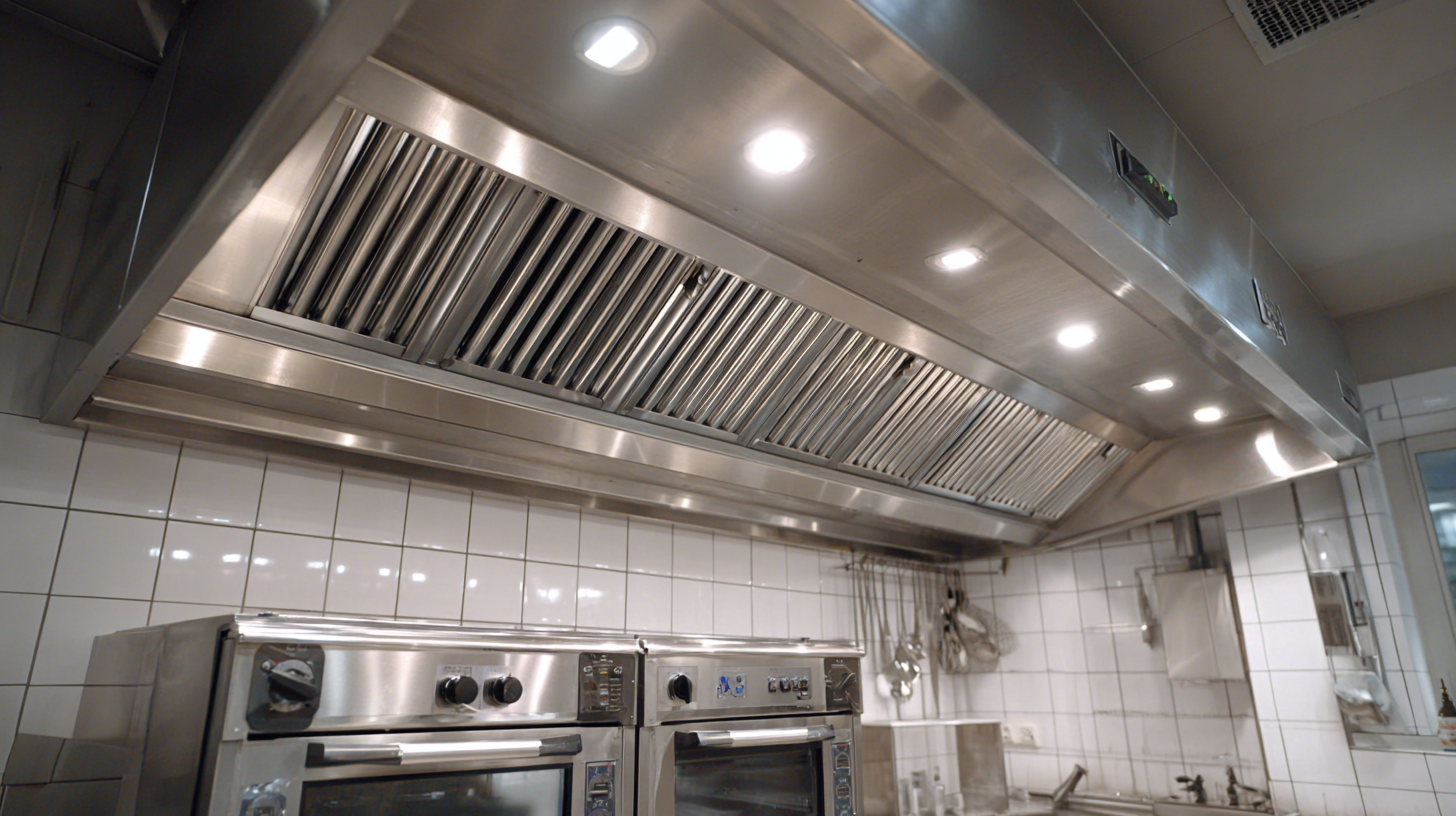
You know, when it comes to kitchen ventilation, more and more homeowners are really focusing on both efficiency and how things look. A recent survey from the National Kitchen & Bath Association (NKBA) found that almost 70% of folks think the design of their kitchen hood is super important — right up there with how well it works. This trend shows that people are getting more into the idea of blending functionality with a nice aesthetic, so their kitchen can be both a place to whip up meals and a cozy spot to hang out with friends and family.
And it gets even more interesting — noise levels are becoming a pretty big deal too. According to a report by MarketWatch, around 65% of people said they really prefer quieter models, and many are even willing to spend about 20% more just to cut down on the noise. Features like adjustable fan speeds and lower decibel levels are becoming must-haves, making cooking a more enjoyable experience without sacrificing comfort. So, manufacturers are stepping up their game, coming out with quieter filtration systems that can still keep the air quality top-notch.
Maximizing Industrial Air Quality: The Benefits of the 95% Efficiency Wide Airway ESP Filter
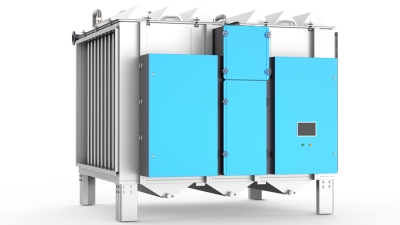
In today's industrial environments, maintaining optimal air quality is crucial for both worker health and operational efficiency. The 95% Efficiency Wide Airway Electrostatic Precipitator (ESP) Filter stands out as a game-changer in this endeavor. Designed with flexibility in mind, it is available in widths of 1100mm and 1300mm, with standard lengths of 1.6m, 2m, and 2.4m. This adaptability allows for seamless integration into various facility layouts, ensuring that air quality control systems can be custom-fitted to meet specific requirements.
The cutting-edge technology of the Kleanland IoT power pack elevates the filter's performance, enabling real-time monitoring and adjustments to maximize efficiency. Additionally, the stainless-steel cylindrical honeycomb filter cell enhances durability and filtration effectiveness. Users can further customize their experience with optional features such as steam auto-clean, which automates maintenance, an Activated Carbon Filter that combats odors, and a UV Odour Eliminator for added purification. These enhancements ensure that the air quality remains at its best, supporting a healthier environment for all employees while meeting strict industrial standards.
FAQS
: Kitchen hood filters trap smoke, grease, and airborne particles, improving indoor air quality by eliminating unpleasant odors and reducing respiratory issues and allergies.
Kitchen hood filters should be cleaned or replaced regularly, which can range from monthly to quarterly depending on the type of filter used.
Advancements include filters like activated charcoal and HEPA filters, which provide superior filtration and promote healthier indoor environments.
Homeowners should consider the size of the kitchen, cooking style, and specific contaminants they need to address to choose a filter that improves air quality and ventilation efficiency.
Proper kitchen ventilation helps maintain indoor air quality and reduces energy usage by minimizing reliance on heating and cooling systems, contributing to overall energy efficiency.
Technologies such as HEPA filters and smart hoods, which automatically adjust power settings based on cooking activity, are enhancing energy efficiency and reducing energy waste.
Homeowners prioritize efficiency, aesthetics, and noise levels, with many willing to invest more for quieter models that enhance the cooking experience.
Nearly 70% of homeowners consider the design of the kitchen hood to be a crucial attribute, reflecting a preference for combining functionality with visual appeal.
About 65% of consumers prefer quieter models and are willing to spend an extra 20% for features that reduce noise levels during operation.
Manufacturers are innovating quieter filtration systems that maintain efficacy in air quality management while catering to the demand for reduced noise levels.

 Online Message
 Phone:+8613927702137
 E-Mail: kleanesp@kleanland.com
 Whatsapp: +8613927702137