Online Message
Phone:+8613927702137
E-Mail: kleanesp@kleanland.com
Whatsapp: +8613927702137 
When it comes to keeping your kitchen clean and safe, you really can’t underestimate the importance of a good kitchen hood Filter. I came across a report from Grand View Research that says the kitchen ventilation market's expected to hit around $20 billion by 2026 — it just goes to show how much more people are realizing how important indoor air quality really is. Chef Sarah Thompson, a pretty well-known expert in kitchen design, even mentions, 'The right filter doesn’t just trap grease — it also makes your kitchen safer overall.' It kind of hits home, right?
Picking out the best kitchen hood filter isn’t just about grabbing whatever’s on sale. You’ve gotta think about the materials and how it’s designed. A lot of homeowners don’t really pay enough attention to regular maintenance. Skipping out on cleaning or replacing filters can cause them to lose effectiveness, which isn’t just a hassle — it can also put your health at risk and lead to costly repairs down the line. If filters aren’t working properly, more pollutants float around in your kitchen, which can affect your food and even your family’s health.
As you look ahead to 2026, it’s worth taking a hard look at your current filter—does it still do the job? Do you really need an upgrade? Spending a bit extra on a really good Fume Hood Filter might seem like a stretch, but honestly, it’s so important for keeping your kitchen running smoothly and safely. Just keep in mind that sometimes, cheaper filters just don’t cut it — they often don’t provide the protection you need and can leave you constantly fixing or replacing stuff, which adds up. In the end, finding the right balance between cost and quality is key to keeping your kitchen functioning at its best.
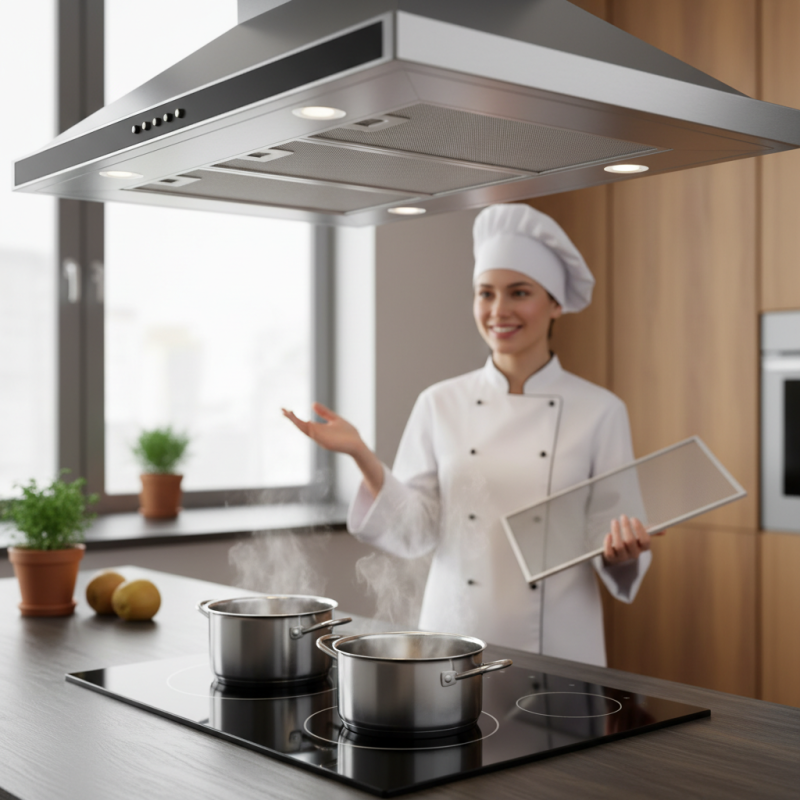
Kitchen hoods play a crucial role in home cooking. They help remove smoke, odors, and grease from the air. This not only improves air quality but also keeps kitchens clean. Cooking generates steam and particles that can linger. Without a proper kitchen hood, these elements can build up over time.
When choosing a Smoke Hood Filter, consider its material and efficiency. Many filters are made from aluminum or charcoal. Each has its pros and cons. Aluminum filters are reusable but need regular cleaning. Charcoal filters absorb odors but must be replaced periodically. Think about your cooking habits. If you fry foods often, a more efficient filter may be necessary.
Tips for maintaining kitchen hoods include checking filters regularly. If they appear greasy, it’s time to clean or replace them. Keep the hood's fan on during cooking, as it helps pull smoke away. Don't forget to clean the surface of the hood too. A little maintenance goes a long way in keeping your kitchen air fresh and pleasant.
When it comes to kitchen hood filters, there are several types to consider. Understanding these options is essential for effective ventilation. One common choice is the baffle filter. This filter has metal panels that trap grease and smoke. They are durable and can be easily cleaned. However, they may not capture all the tiny particles that cause odors.
Another popular type is the charcoal filter. This kind is designed to absorb odors, particularly in spaces where ductless systems are used. Charcoal filters have a limited lifespan and need regular replacement. That can be a hassle for some users. It's important to be mindful of these maintenance needs.
Lastly, you have mesh filters. They are usually made of aluminum or stainless steel. Mesh filters are good at catching larger debris but may require more frequent cleaning. Choosing the right filter is vital, especially for those who cook often. The right filter can make a significant difference, especially for a busy kitchen like in a Restaurant Fume Hood environment. Each type has its pros and cons, and it's up to you to find the best fit for your needs.
Choosing the right kitchen hood filter is crucial for maintaining air quality. Key features to consider include filter material, efficiency, and size. Reports suggest that a proper filter can reduce airborne grease by up to 90%. Not all filters perform equally. Some may trap odors but allow pollutants through. This can leave your kitchen feeling less than fresh.
A Static Hood is a popular choice for home kitchens. These systems often utilize metal filters, which are durable and effective. However, they require regular maintenance. Neglecting this can lead to decreased airflow and poor performance. Some households overlook how often filters need to be replaced or cleaned. This oversight can be costly in the long run.
Noise levels are another important feature. A quieter filter system can enhance the cooking experience. Yet, higher noise levels often correlate with better filtration. Balancing these aspects can be challenging. Home cooks frequently find themselves conflicted about performance versus tranquility in the kitchen. Understanding these features can help in making an informed decision.
Maintaining and cleaning your kitchen hood filter can seem like a daunting task, but it is crucial for optimal performance. A clean filter ensures efficient airflow and prevents grease buildup. This can minimize fire hazards and extend the life of your kitchen hood.
Begin by checking your filter regularly. Every month is a good rule of thumb. If you cook often, consider cleaning it more frequently. To clean, remove the filter and soak it in hot water mixed with a mild detergent. Scrubbing may be necessary, but be gentle. You don’t want to damage the filter material. Rinsing thoroughly is vital. Any soap residue left can interfere with its function.
Pay attention to how your hood operates. If you notice diminished airflow or increased noise, it could indicate that it's time for a cleaning. Reflect on your cooking habits. Are you frying or grilling often? These methods tend to produce more grease. If you neglect cleaning, the results can be frustrating, and it may require more intensive cleaning later on. Your kitchen deserves better care.
| Filter Type | Material | Cleaning Frequency | Cleaning Method | Lifespan |
|---|---|---|---|---|
| Aluminum Mesh | Aluminum | Every 1-2 months | Soak in hot soapy water, rinse | 5 years |
| Charcoal | Activated carbon | Every 3-6 months | Replace when saturated | 1 year |
| Baffle | Stainless steel | Every 6 months | Wash in dishwasher | 10 years |
| Paper | Synthetic fibers | Monthly | Replace when dirty | 2-3 months |
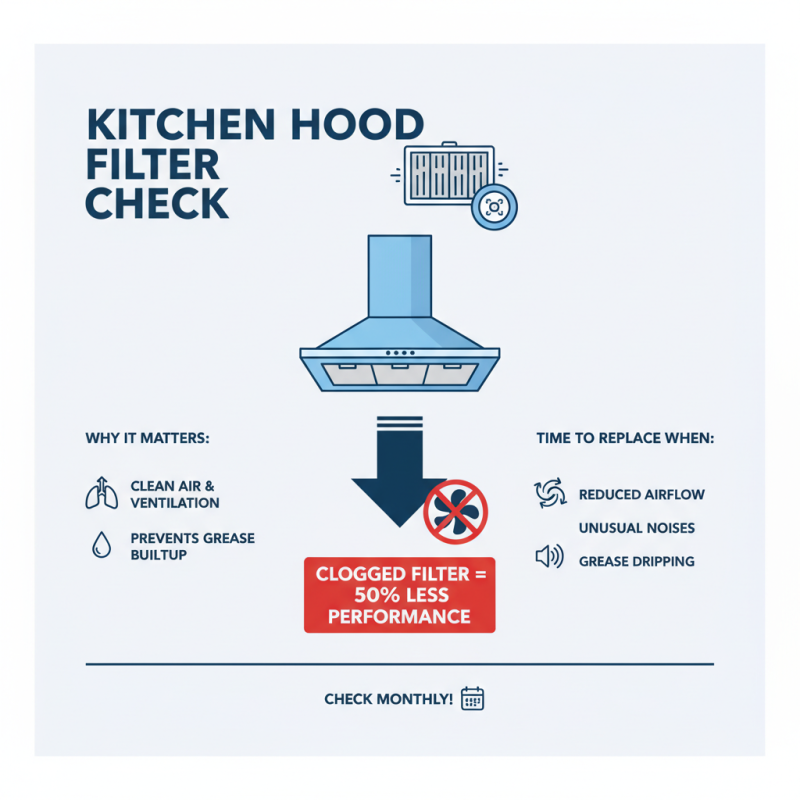
Regularly checking your kitchen hood filter is essential for maintaining clean air and efficient ventilation. Over time, grease and particles accumulate on the filter, reducing its effectiveness. According to industry reports, a clogged filter can decrease your hood's performance by up to 50%. This is why it's crucial to be aware of the signs indicating it’s time for a replacement.
If you notice a lingering odor in your kitchen, it might be time to inspect the filter. Unpleasant smells can signal grease buildup. A visible layer of grime on the filter is another clear indication of wear. Experts suggest that filters should be cleaned or replaced every three to six months, depending on usage. Regular checks can help avoid costly repairs and ensure optimal function.
In worst-case scenarios, a dirty filter can lead to fire hazards. The National Fire Protection Association indicates that cooking equipment was responsible for 48% of home fires. Not changing your filter could significantly increase risks. Using a Hood Cleaner during maintenance can offer peace of mind. It’s a step that shouldn't be overlooked.
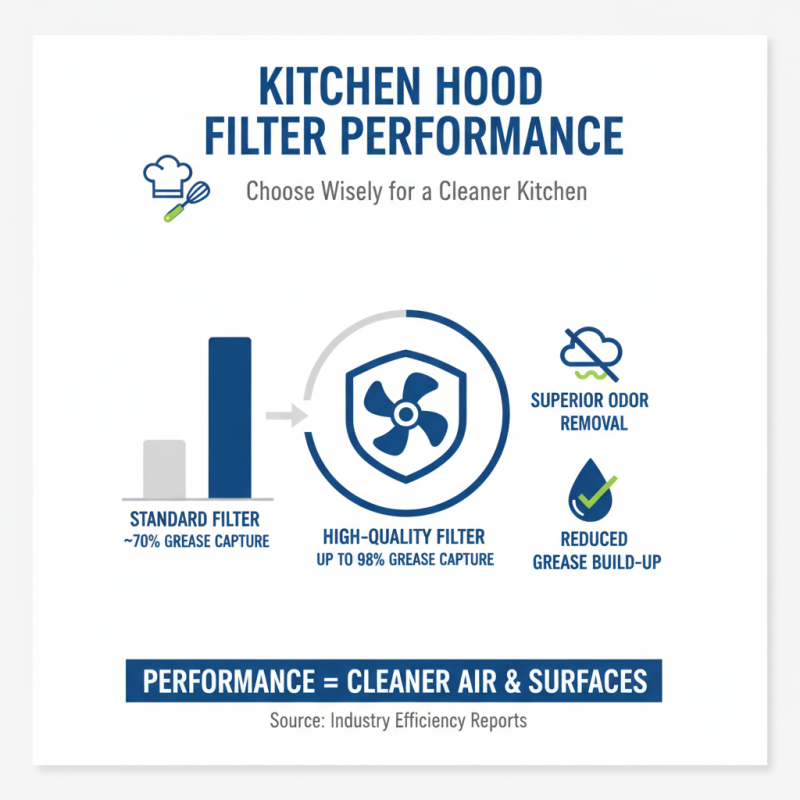
When choosing a kitchen hood filter, performance is key. Different brands offer varying efficiency levels in removing grease and odors. Reports indicate that some filters can capture up to 98% of airborne grease particulates. This statistic highlights the importance of selecting a high-quality filter.
The materials used in filters make a notable difference. Metal filters tend to last longer and are easier to clean than their paper counterparts. However, paper filters excel at trapping smaller particles, which can enhance air quality. While both types have merits, they also have drawbacks. Metal filters may require more frequent washing, while paper filters need regular replacement, which can be costly over time.
Another crucial aspect is the noise level of the kitchen hood. Noise can impact your cooking experience. Some filters operate at over 70 decibels, making them quite loud. The challenge is to find a balance between powerful suction and quiet operation. Real-life user reviews often reflect dissatisfaction with noise, pointing to the need for better design in many products.
When considering kitchen hood filters, their environmental impact deserves significant attention. These filters capture grease, smoke, and food particles. However, improper disposal can lead to increased landfill waste. According to a report from the Environmental Protection Agency, millions of tons of kitchen-related waste end up in landfills every year. This includes used filters, which can take years to decompose.
Recycling options for kitchen hood filters are limited, but they do exist. Some companies specialize in recycling metal and grease filters. Utilizing a recycling program can reduce harmful waste. A study published in the Journal of Environmental Management indicates that recycling can cut material waste by as much as 49%. Still, many consumers remain unaware of these options.
Education on proper disposal and recycling is essential. Many users throw filters away without considering their impact. This leads to environmental degradation. Providing accessible resources can inspire better recycling practices. Increasing awareness can drive change. It’s a step toward a more sustainable kitchen environment, but the challenge remains.
The textile and dyeing industries face increasing pressure to improve efficiency while minimizing environmental impact. In this context, gas air filters and heat recovery systems play a pivotal role in optimizing the performance of Stenter machines. By integrating these technologies, manufacturers can significantly enhance production processes while adhering to sustainable practices. Gas air filters not only clean the air needed for stenter operations but also contribute to the overall efficiency of thermal processes, ensuring higher quality outputs with lower emissions.
A critical component of this advancement is the stenter waste heat recovery system, which captures and reuses waste heat generated during stenter operations. This system transforms what would typically be lost energy into a valuable resource, effectively reducing operational costs associated with heating and cooling. The recovered heat can be repurposed for pre-heating water or air, which streamlines energy consumption in subsequent manufacturing stages. As a result, companies can achieve substantial cost savings while also lowering their carbon footprint, making Stenter Machines both economically and environmentally appealing.
Overall, the incorporation of gas air filters and heat recovery systems into stenter operations signifies a progressive step towards achieving enhanced efficiency and sustainability in the textile sector. By adopting these innovative solutions, manufacturers are not only improving their operational performance but also promoting a more responsible approach to resource management within the industry.
: The product aims to enhance daily convenience and improve user experience.
It uses a simple mechanism to perform tasks efficiently. Just follow the included guidelines.
Generally, it is designed to be safe. However, safety depends on proper usage. Supervision is advised for children.
Yes, regular cleaning is necessary to ensure optimal performance. Dirt can affect functionality.
It’s suitable for various environments. Consider temperature and humidity for best results.
Users often overlook instructions. This can lead to subpar performance. Always read guidelines.
Check power supply and connections first. If problems persist, refer to the troubleshooting section in the manual.
Yes, alternatives exist. However, they may lack certain features or benefits. Research before deciding.
A limited warranty applies. It typically covers defects but not misuse. Always keep the receipt.
Dispose of it according to local regulations. Recycling is encouraged when possible.
The article titled "2026 Best Kitchen Hood Filter What You Need to Know?" provides essential insights into the significance of kitchen hoods in enhancing home cooking environments. It outlines the various types of kitchen hood filters available in the market, emphasizing the need to choose one based on key features such as filtration efficiency, noise levels, and ease of maintenance.
Additionally, the article highlights the importance of properly maintaining and cleaning kitchen hood filters to ensure optimal performance. It also identifies signs indicating when it’s time to replace a kitchen hood filter. A comparative analysis of popular brands further aids consumers in making informed decisions. Lastly, the discussion includes the environmental impact of kitchen hood filters, alongside recycling options to promote sustainable usage.