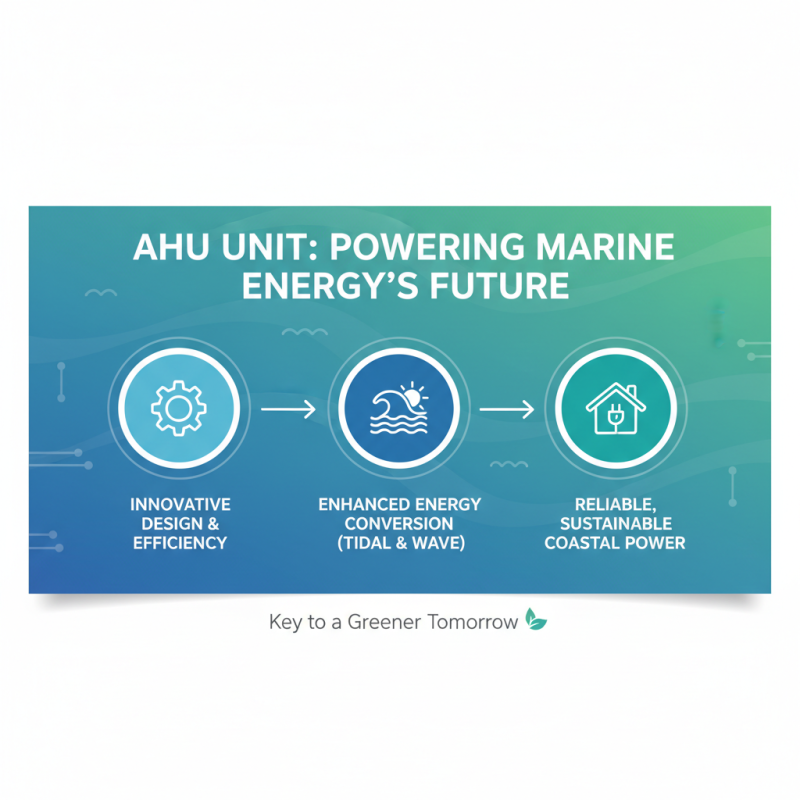
In the fast-changing world of marine energy systems, it's pretty important to really understand how each part works if you want to make things run smoothly and efficiently. One of those key pieces is the Ahu Unit — it's basically crucial for handling heat recovery and water treatment, which are super important in marine operations. Dr. Emily Carter, a well-known expert in marine engineering, highlights just how vital the Ahu Unit is, saying, "Getting the Ahu Units integrated well into marine energy setups doesn’t just boost how well everything runs; it also helps push sustainability forward across the industry."
So, what does the Ahu Unit actually do? It’s like an advanced device that handles air management and ensures energy in marine settings isn’t wasted. It helps recover thermal energy so it can be reused, which in turn helps cut down on emissions and reduce the carbon footprint of marine operations. As everyone’s getting more serious about cleaner, greener energy options, the Ahu Unit is really stepping up as a game-changer, helping us move toward a more sustainable future.
In this quick intro, I want to highlight just how important these units are—not only for making the systems work better but also for helping us be better stewards of the environment. Knowing how they work is crucial not just for folks in the industry but also for anyone interested in the future of marine energy and innovation.
What Is an Ahu Unit? Definition and Overview
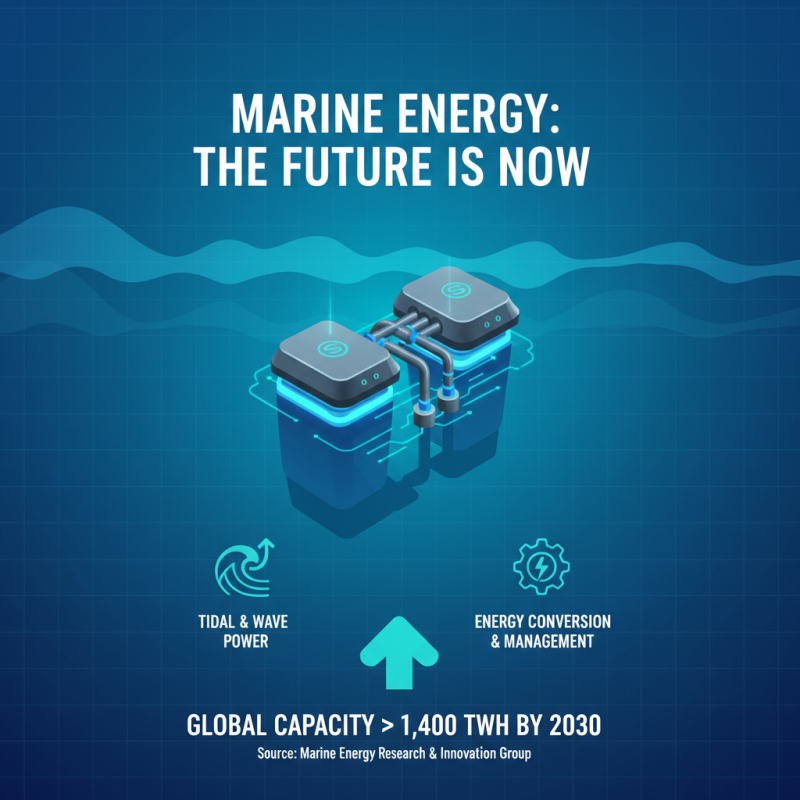
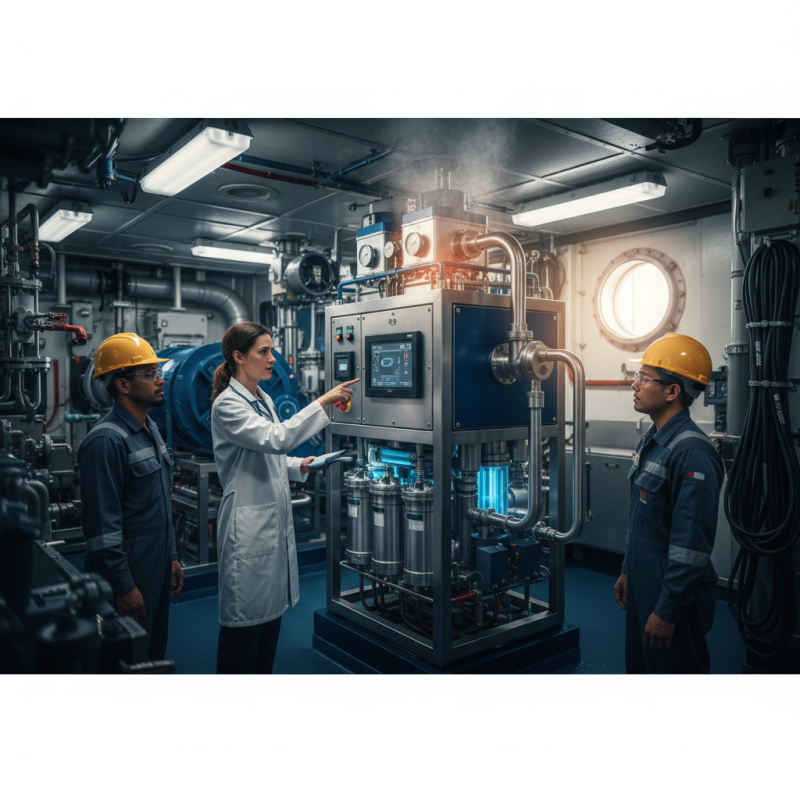
An Ahu unit, commonly referred to in marine energy systems, is a crucial component designed for energy conversion and management. This unit typically encompasses a set of technologies that optimize the extraction of energy from marine environments, such as tidal and wave energy. According to a recent report by Marine Energy Research and Innovation Group, the global capacity for marine energy is projected to exceed 1,400 terawatt-hours by 2030, highlighting the increasing reliance on advanced systems like Ahu units to harness these renewable energy sources effectively.
In essence, the Ahu unit functions as an energy converter that captures the kinetic and potential energy present in marine environments and transforms it into usable electrical power. Various studies emphasize the importance of this unit in enhancing the efficiency of energy extraction; for instance, it can improve energy capture efficiency by up to 30%, as reported by the International Renewable Energy Agency. Additionally, the Ahu unit plays a significant role in energy storage and distribution, ensuring a consistent supply of power even when natural marine conditions fluctuate, thereby stabilizing grid operations and supporting the transition towards more sustainable energy systems.
The Components of an Ahu Unit and Their Functions
An Ahu unit, or air handling unit, plays a crucial role in marine energy systems, particularly in managing the climate control aspects on vessels and offshore platforms. The primary components of an Ahu unit include fans, Filters, heating and cooling coils, and dampers. The fans circulate air through the system, while filters are essential for removing particulates from the air, providing cleaner air for both crew and equipment. According to a report by the International Maritime Organization, maintaining optimal air quality is critical for effective operation and safety in marine environments, making the role of filters indispensable.
The heating and cooling coils are also key components, responsible for regulating the temperature of the air being circulated. These coils utilize refrigerants or steam to condition the air, ensuring that the environmental conditions onboard are suitable for operations. Dampers control the flow of air through the unit, enabling a responsive approach to changing external conditions. Research by the World Energy Council highlights that effective climate control can significantly enhance energy efficiency, further underscoring the importance of each component in an Ahu unit.
Tips: Regular maintenance of Ahu units is crucial to ensure efficient operation. Check filters monthly and clean or replace them as needed to maintain optimal air quality. Additionally, balancing the airflow through dampers can further optimize energy use and ensure effective climate control.
What is an Ahu Unit? Understanding Its Role in Marine Energy Systems
| Component | Function | Importance in Marine Energy |
| Air Handling Unit | Filters, heats, and cools air. | Maintains optimal temperature for marine energy equipment. |
| Dampers | Regulates airflow. | Enhances efficiency of air handling and prevents equipment overheating. |
| Chiller | Cools circulating water. | Essential for thermal regulation in energy systems. |
| Refrigerant | Transports heat away from areas needing cooling. | Crucial for efficient heat exchange within marine systems. |
| Control System | Monitors and adjusts settings of the AHU. | Optimizes performance and energy use. |
The Role of Ahu Units in Marine Energy Systems
Ahu units play a pivotal role in marine energy systems by serving as advanced devices that optimize the harnessing and conversion of oceanic energy into usable power. These units are crucial in various applications, including wave energy converters and tidal energy systems, where their design facilitates the efficient capture of kinetic and potential energy from water movements. By integrating sensors and control technologies, Ahu units can adapt to varying environmental conditions, thus enhancing the overall efficiency and reliability of marine energy systems.
Furthermore, Ahu units contribute significantly to sustainability efforts, enabling the transition towards cleaner energy sources. As they effectively capture renewable energy from oceans, these units help reduce dependency on fossil fuels, leading to lower carbon emissions. The deployment of Ahu units can also assist in grid stabilization, as their output can be adjusted based on energy demand. This flexibility is essential for managing the intermittent nature of renewable energy sources, making Ahu units integral components in the future of marine energy systems.
Energy Output of Ahu Units in Marine Energy Systems
This chart illustrates the energy output of various Ahu units used in marine energy systems, showcasing their performance in kilowatt-hours (kWh).
How Ahu Units Contribute to Energy Efficiency
The Ahu unit, a critical component in marine energy systems, plays a significant role in enhancing energy efficiency. These units are fundamental in harnessing energy from oceanic sources, such as waves and tides, where their design and operational capabilities can lead to optimized energy output. According to the International Energy Agency (IEA), marine energy, including that harnessed by Ahu units, has the potential to fulfill up to 10% of the global energy demand, reflecting its growing importance in sustainable energy solutions.
The effectiveness of Ahu units in contributing to energy efficiency is underscored by their ability to adapt to varying marine conditions. Recent reports from the Marine Energy Research Association indicate that optimized Ahu systems can increase energy capture rates by nearly 30%. This level of efficiency not only enhances the viability of marine energy projects but also reduces the overall cost of electricity generation. By employing advanced materials and innovative design principles, Ahu units are positioned to make marine energy systems more competitive against traditional energy sources, paving the way for a cleaner, more sustainable energy future.
Comparing Ahu Units to Traditional Energy Systems
Ahu units, or Air Handling Units, play a crucial role in the domain of marine energy systems by providing essential temperature and humidity control for equipment and personnel. Unlike traditional energy systems that primarily focus on energy generation, Ahu units are integral to maintaining optimal conditions for the efficient functioning of marine infrastructures. For instance, a recent report from the International Renewable Energy Agency (IRENA) indicates that maintaining climate-controlled environments can enhance operational efficiency by up to 15% in marine operations.
When compared to conventional energy systems, Ahu units exhibit several advantages that align with the increasing shift towards sustainable practices in the marine sector. Traditional systems often rely heavily on fossil fuels and present higher carbon footprints, whereas Ahu units can efficiently utilize renewable energy sources. According to the U.S. Department of Energy, integrating advanced Ahu systems can reduce energy consumption by as much as 30%. This efficiency not only translates to reduced operational costs but also aligns with global efforts to mitigate climate change impacts, making Ahu units a progressive choice for future marine energy solutions.
Challenges and Limitations of Ahu Units in Marine Applications
Ahu units play a crucial role in marine energy systems, but their implementation faces several challenges and limitations. One major issue is the harsh marine environment, which subjects Ahu units to corrosive saltwater and extreme weather conditions. These factors can lead to accelerated wear and tear, necessitating more frequent maintenance and increasing operational costs. Additionally, ensuring the durability and reliability of Ahu units in such conditions is a significant engineering challenge.
Another limitation is the efficiency of energy conversion processes in marine applications. Ahu units need to effectively harness and convert energy from waves, tides, or currents into a usable form. However, variations in water flow and environmental conditions can affect their performance.
There is also the challenge of integrating Ahu units with other marine energy technologies, as effective interoperability is essential for maximizing energy output. Furthermore, regulatory and environmental concerns can complicate the deployment of Ahu units, as they must comply with strict guidelines to minimize their ecological impact.
Future Developments and Innovations in Ahu Unit Technology
The Ahu unit is rapidly gaining attention as a pivotal component in the development of marine energy systems. As technology progresses, the focus is now shifting towards innovative designs and improvements in the efficiency and functionality of Ahu units. Future developments may encompass enhancements in energy conversion efficiency, enabling the capture of a broader spectrum of marine energy sources, such as tidal and wave energy. This versatility not only maximizes energy yield but also contributes to a more reliable and sustainable energy supply for coastal communities.
Tips: When exploring emerging technologies like the Ahu unit, consider staying updated on industry trends and breakthroughs. Following relevant research publications and attending seminars can provide vital insights into the future landscape of marine energy technology. Engaging with online communities can also foster discussions that help refine your understanding of potential innovations in the field.
Moreover, research into materials science could lead to the development of more durable and lightweight materials for Ahu units, enhancing their operational lifespans in harsh marine environments. Innovations in autonomous monitoring systems could streamline maintenance and reduce operational costs, making marine energy systems more appealing for investment. The integration of smart technologies may also pave the way for real-time data analysis and optimization of energy resource management, contributing to a more stable and efficient marine energy framework.
FAQS
hu units in marine energy systems?
Marine energy, including the energy harvested by Ahu units, has the potential to meet up to 10% of the global energy demand.
The use of advanced materials and innovative design principles can significantly improve the efficiency of Ahu units, with reports indicating that optimized systems can enhance energy capture rates by nearly 30%.
Ahu units encounter challenges such as corrosive saltwater, extreme weather conditions, and the need for frequent maintenance, all of which can increase operational costs and affect their durability.
Variations in water flow and environmental conditions can impact the efficiency of energy conversion in Ahu units, making it crucial to adapt to these changes for optimal performance.
Innovations may focus on improving energy conversion efficiency, enhancing material durability, and integrating smart technologies for real-time data analysis and optimization in marine energy systems.
Effective interoperability with other marine energy technologies is essential for maximizing energy output and ensuring a more robust marine energy system.
Research into materials science can lead to the creation of more durable and lightweight materials for Ahu units, increasing their operational lifespan in challenging marine environments.
Innovations in autonomous monitoring systems can streamline maintenance processes and reduce operational costs, thus making marine energy projects more attractive for investment.
Individuals can stay informed by following industry trends, reading research publications, attending seminars, and engaging with online communities related to marine energy technology.
Conclusion
An Ahu Unit is a vital component in marine energy systems, serving as a crucial interface between various energy sources and their application in maritime environments. This unit typically comprises several essential components that work together to optimize energy conversion and distribution. By enhancing energy efficiency, Ahu Units allow for improved performance compared to traditional energy systems, making them an attractive option for modern marine applications.
Despite their advantages, Ahu Units face several challenges, including integration difficulties and operational limitations in specific marine settings. Ongoing research and development aim to address these issues, focusing on innovations that can enhance the functionality and adaptability of Ahu Units. As the marine energy sector continues to evolve, Ahu Units are poised to play an increasingly significant role in advancing sustainable energy solutions on the water.

 Online Message
 Phone:+8613927702137
 E-Mail: kleanesp@kleanland.com
 Whatsapp: +8613927702137