Leave Your Message
-
 Online Message
-
 Phone:+8613927702137
-
 E-Mail: kleanesp@kleanland.com
-
 Whatsapp: +8613927702137
Online Message Phone:+8613927702137
E-Mail: kleanesp@kleanland.com Whatsapp: +8613927702137 Looking ahead to 2025, we can really expect some exciting changes in the world of Air Handling Units (AHUs). With advanced technologies making their way into the scene and a growing demand for better energy efficiency and air quality, things are about to get interesting! Recent industry reports suggest that the global market for air handling units could hit a whopping USD 12 billion by 2025. Why? Well, there’s a big push for cleaner indoor air, especially in places like restaurants, hotels, and resorts. One company that's really leading the pack is Foshan Kelan Environmental Protection Co., LTD. They’ve got the top spot in the electrostatic Air Purification sector under their Kleanland brand. By using some pretty cutting-edge tech, Kleanland is set to completely transform what we expect from AHUs. They’re all about smart systems and eco-friendly practices that really resonate with today’s environmental standards. In this blog, we’ll take a closer look at the key technologies and trends that are shaping the future of AHUs, and see how Kleanland is driving innovation in this ever-evolving field.
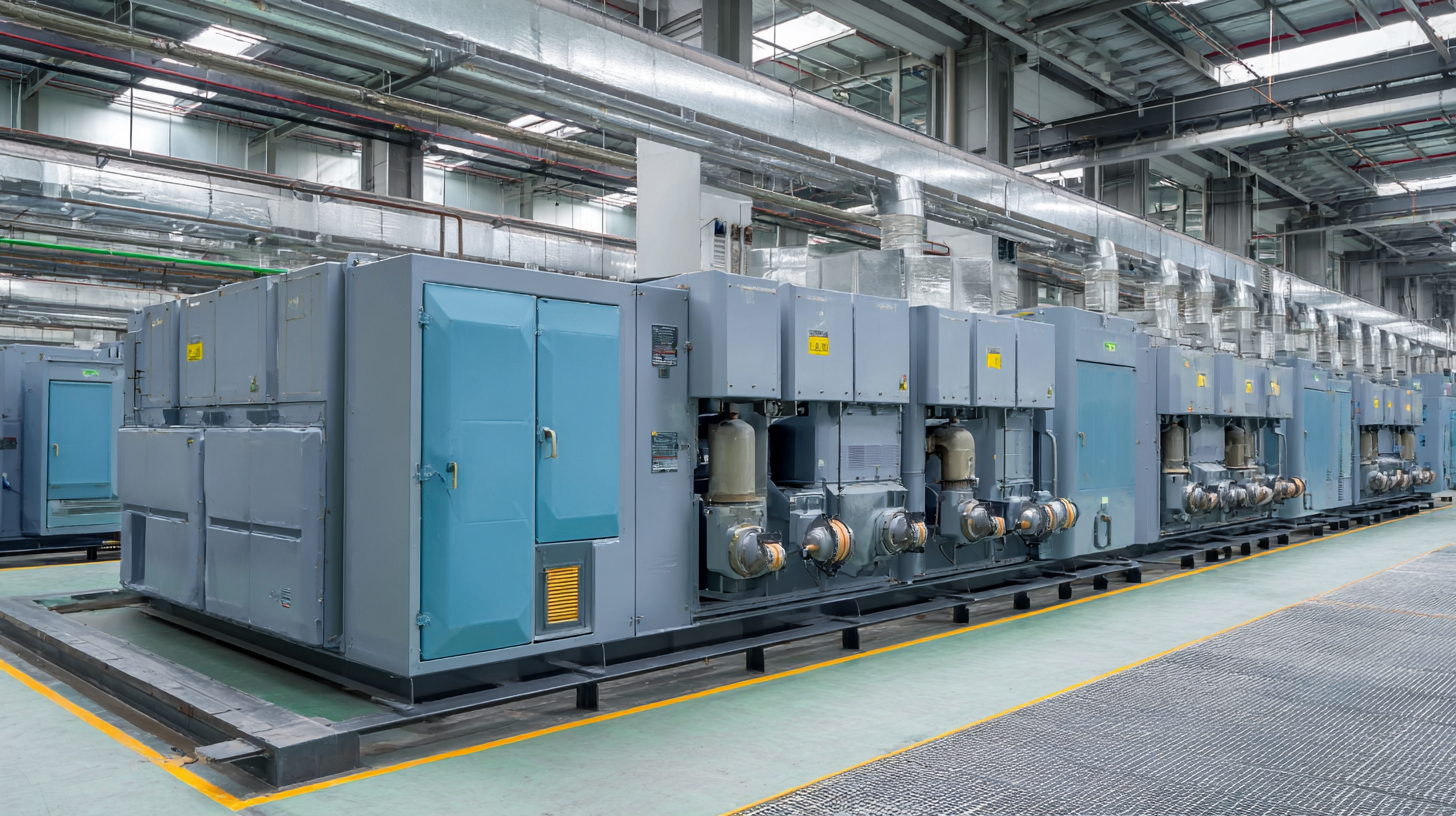
Hey there! So, if you’ve been keeping an eye on the HVAC world, you know things are really heating up—or cooling down, depending on how you look at it! By 2025, air handling units, or AHUs for short, are going to see some pretty exciting changes. The push for energy efficiency and a more sustainable future is really driving this transformation. Did you know that, according to the International Energy Agency (IEA), HVAC systems munch on almost 40% of all the energy used in buildings worldwide? It's kinda wild and definitely shows why we really need to step up our tech game to boost energy performance. We’re talking about fancy stuff like variable speed drives and advanced filtration systems becoming the norm. These upgrades will help AHUs be more flexible with the environment and cut down energy consumption by as much as 30%. Pretty impressive, right?
And that’s not all—smart technology is shaking things up too! A report from MarketsandMarkets predicts that the market for smart HVAC systems could skyrocket from $20.2 billion in 2021 to a whopping $55.6 billion by 2026. That’s a clear sign we’re moving toward more connected and automated systems for managing our indoor climates. Just think about it: IoT-enabled sensors and predictive maintenance algorithms will not only make these systems super efficient but also a lot more reliable. These developments are all about meeting the growing demand for smart building solutions and keeping up with regulations that are pushing for smaller carbon footprints in the HVAC field. All of this tech is really setting the stage to change how AHUs contribute to building management and energy-saving strategies.
| Technology/Trend | Description | Expected Impact by 2025 |
|---|---|---|
| Smart Controls | Integration of IoT technologies allowing real-time monitoring and automation. | Improved efficiency and reduced energy consumption. |
| Energy Recovery Systems | Technologies that capture and reuse energy from Exhaust Air to precondition incoming air. | Significant reductions in energy costs and carbon footprint. |
| Modular Design | Flexible and scalable air handling units that can be easily assembled and expanded. | Enhanced adaptability to different building sizes and requirements. |
| Advanced Filtration | Incorporation of HEPA and other advanced Filters to improve indoor air quality. | Better health outcomes and increased occupant comfort. |
| Hydronic Systems | Use of water for heating and cooling, offering high efficiency and lower environmental impact. | Improved energy efficiency and a shift towards sustainable practices. |
| AI and Predictive Maintenance | Utilization of artificial intelligence to predict failures and schedule maintenance. | Decreased downtime and maintenance costs. |
ir Handling Units (AHUs) by 2025?
HVAC systems account for nearly 40% of global energy consumption in buildings, highlighting the need for technological innovations to improve energy performance.
Smart technologies, including IoT-enabled sensors and predictive maintenance algorithms, are enhancing the functionality of AHUs, improving efficiency, operational reliability, and aligning with regulatory trends for reduced carbon footprints.
Key performance parameters include energy efficiency ratios (EER) and specific fan power (SFP), which are critical for evaluating optimal energy-efficient AHUs for various applications.
Adaptive technologies rely on machine learning algorithms to analyze environmental data, allowing AHUs to make real-time adjustments for optimal airflow and temperature control suited to specific conditions.
IoT integration enables enhanced monitoring and control of air quality and energy consumption, and facilitates predictive maintenance, which reduces downtime and ensures reliable operation.
Advanced filtration technologies, such as electrostatic air purification, significantly improve indoor air quality, which is particularly beneficial for businesses with high foot traffic.
By using smart AHUs equipped with IoT sensors that continuously monitor critical parameters, facility managers receive alerts about potential issues before they escalate, allowing for proactive maintenance.
The smart HVAC system market is projected to grow from $20.2 billion in 2021 to $55.6 billion by 2026, reflecting the increasing demand for connected and automated climate control systems.
Energy efficiency is a top priority due to rising operational costs and environmental concerns, necessitating innovations that improve both energy performance and indoor air quality.