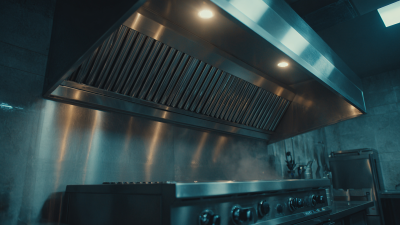
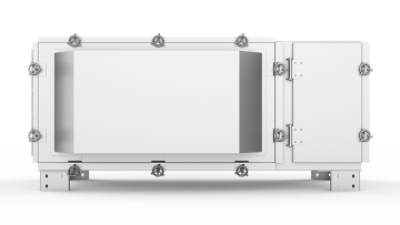
Modern homes in China definitely face some pretty unique challenges when it comes to keeping the kitchen air clean and fresh. If you don’t have good ventilation, it can really screw with your air quality and even cause health issues—nobody wants that, right? Plus, cooking becomes less fun when you're stuck dealing with lingering smoke and odors. That’s why investing in a solid ventilation system is super important. It helps whisk away smoke, bad smells, and excess moisture, making your kitchen a more comfortable place to be.
There are quite a few companies out there offering all kinds of kitchen ventilation solutions—everything from wall-mounted hoods to built-in under-cabinet systems. Brands like Xiamen Fufeng and Haier are pretty well-known and trusted for their quality. But here’s the thing: not all systems are created equal. You really need to think about what your specific kitchen needs are. Some options might not be powerful enough, while others could be so noisy that they drive you crazy while you’re cooking.
Finding the right Kitchen Air Cleanercan feel a bit overwhelming at first, especially since folks often forget that maintenance matters. Regularly changing Filters and checking the system’s performance is key to keeping everything running smoothly. It’s a good idea to chat with knowledgeable vendors or experts—they can give you advice based on real experience. At the end of the day, a kitchen with good airflow isn’t just about convenience; it really makes your whole home healthier and more enjoyable to live in.
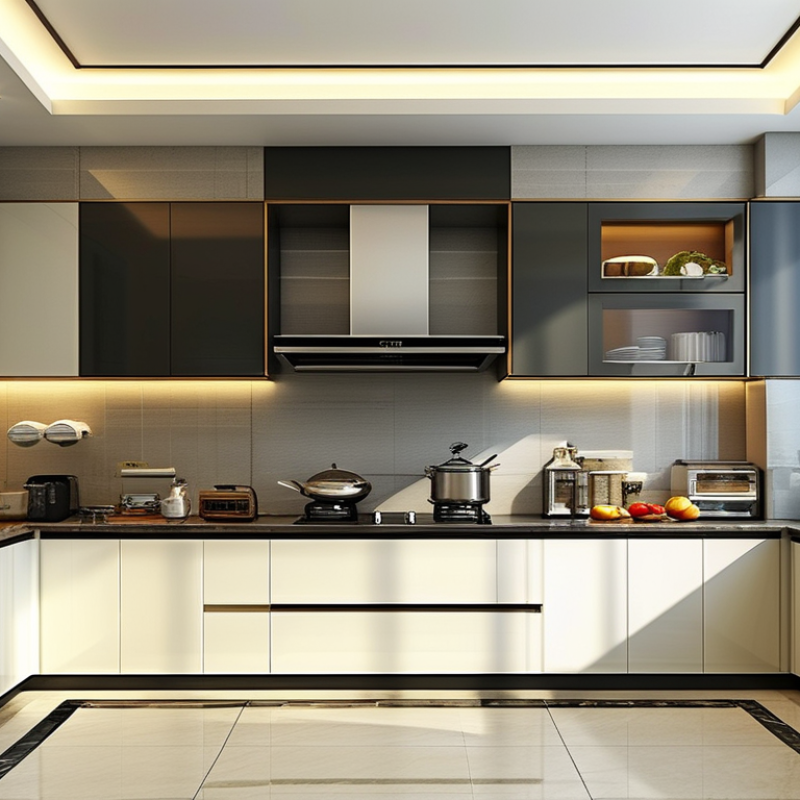
Understanding the Importance of Kitchen Air Ventilation in Modern Homes
Proper kitchen air ventilation is essential in modern homes. The kitchen is often a source of airborne pollutants. These include smoke, grease, and cooking odors. According to the U.S. Environmental Protection Agency (EPA), poor indoor air quality can lead to health issues. Children and elderly individuals are especially vulnerable. Installing a Kitchen Fume Extractor can significantly improve air quality. It helps eliminate harmful particles during cooking.
Ventilation systems can vary widely in efficiency and design. A well-designed kitchen ventilation system can reduce the concentration of indoor pollutants by 50% or more. A recent study by the American Society of Heating, Refrigerating and Air-Conditioning Engineers (ASHRAE) emphasizes the importance of adequate airflow. It states that well-ventilated kitchens can prevent combustion gases from accumulating. This is crucial for safety.
However, many homeowners still overlook ventilation. They often prioritize aesthetics over functionality. This can create long-term issues. Stale air can linger, leading to moisture problems and mold growth. Inadequate ventilation may not show immediate effects but can impact health over time. Every kitchen needs a personalized approach to air ventilation, emphasizing the necessity of proper exhaust systems, like a Kitchen Fume Extractor.
Types of Kitchen Ventilation Systems: An Overview for Homeowners
When it comes to kitchen ventilation, understanding the different systems is essential for modern homeowners. Proper ventilation improves air quality and reduces cooking odors. A well-ventilated kitchen also helps prevent moisture buildup, which can lead to mold growth. Exhaust hoods are a popular choice. They capture smoke and grease efficiently. However, they require proper installation and maintenance to function best.
Another option is the recirculating vent. This system filters air and returns it to the kitchen. It's flexible for homes without ductwork. Still, its filtration might not eliminate all fumes. Homeowners should consider the frequency of cooking when choosing a solution. A Kitchen Fume Cleaner can assist in maintaining equipment and ensuring optimal performance.
Ductless systems also come with both benefits and drawbacks. They are easier to install and can fit into any design. However, the filtering capacity may not be sufficient for heavy cooking. Some homeowners find themselves questioning whether they chose the right system. Reflecting on air quality needs is crucial. Efficient kitchen ventilation influences the overall environment of a home.
Best China Kitchen Air Ventilation Solutions for Modern Homes
Key Features to Look for in Kitchen Ventilation Solutions
Modern kitchens require effective ventilation solutions to maintain a healthy cooking environment. Key features to consider include air exchange rates, noise levels, and filtration efficiency. Research indicates that a ventilation system should provide at least 15 air changes per hour for optimal air quality. Many homeowners underestimate this requirement, leading to poor air circulation and lingering odors.
A quiet operation is another crucial aspect. Noise levels below 60 decibels are preferable for comfortable cooking experiences. High-quality ventilation systems should balance performance with low noise. Additionally, advanced filtration technologies, such as activated carbon filters, effectively neutralize odors and volatile organic compounds. This is where a Kitchen Odor Purifier can play a vital role.
When selecting a kitchen ventilation solution, consider your kitchen's layout and cooking habits. Open layouts may require powerful options to combat cooking fumes effectively. Many decorative hoods, while stylish, often lack the necessary performance. Remember to assess maintenance ease too. Filters should be easily accessible and replaceable. Prioritize your preferences, but be aware that compromises might be necessary. A balance of aesthetic appeal and functionality is essential for lasting satisfaction in your kitchen.
Energy Efficiency in Kitchen Ventilation: What You Need to Know
In modern homes, energy efficiency in kitchen ventilation is crucial. The kitchen is a hub of activity where air quality can greatly impact comfort. According to a report by the U.S. Department of Energy, poorly ventilated kitchens can lead to a buildup of cooking pollutants. These include harmful particles and gases that can negatively affect health. Effective ventilation is designed to remove these contaminants while minimizing energy loss.
Research indicates that properly designed kitchen exhaust systems can cut energy consumption by up to 50%. This means homeowners can enjoy cleaner air without drastically increasing utility bills. Smart ventilation systems can adjust airflow based on real-time cooking conditions. They can sense humidity and odors, optimizing energy usage in the process. However, the installation of such systems can be complex and costly. Homeowners must weigh benefits against their budgets.
Many families overlook the need for regular maintenance on their kitchen ventilation systems. Filters should be cleaned or replaced frequently to ensure efficiency. A clogged filter can reduce air quality and increase energy costs. Awareness of these factors can lead to better choices in kitchen ventilation solutions. Investing time and resources into understanding these needs can enhance both comfort and efficiency.
Installation Considerations for Kitchen Ventilation Systems
When considering kitchen ventilation systems, several key installation factors come into play. Proper placement is crucial for effectiveness. Experts recommend positioning the range hood within 30 inches above the cooking surface. This height maximizes air capture while ensuring safe access.
Another essential factor is ducting. A straight duct run is preferable. According to the American Society of Heating, Refrigerating and Air-Conditioning Engineers (ASHRAE), minimizing bends in ductwork enhances airflow. Too many turns can decrease efficiency by up to 30%. Additionally, using rigid ducting rather than flexible options aids in achieving optimal performance.
Noise levels are also a significant consideration. A poorly designed system can produce excessive sounds, which disrupts daily activity. Many ventilation solutions now include quiet motors and insulation materials to combat this. Studies indicate that systems rated below 50 decibels provide a comfortable kitchen environment. Choosing a solution that balances power and noise is essential for modern homes. Reflecting on these aspects can lead to a more efficient and pleasant cooking space.
Maintenance Tips for Prolonging the Life of Your Kitchen Ventilation
Proper maintenance of kitchen ventilation systems is crucial for modern homes. Studies show that well-maintained ventilation can improve indoor air quality by up to 70%. Cleaning the filters regularly helps maintain efficiency. A dirty filter can restrict airflow, leading to higher energy consumption. Keeping your ventilation system clean significantly reduces the risk of fire hazards, especially in kitchens where heat and grease are prevalent.
Tips for maintaining your kitchen ventilation:
- Check filters monthly and replace them as necessary.
- Use a Ventilation Cleaner to eliminate grease build-up on exhaust fans and ductwork.
- If your system makes unusual noises, it may require further examination or possible professional service.
- Regular inspections every six months can catch any issues early, ensuring your system runs smoothly.
Ignoring maintenance can lead to costly repairs. A neglected ventilation system can accumulate grease, which not only affects performance but can also pose health risks. A clogged system is less effective at eliminating smoke and odors. Investing in regular maintenance is wise for all homeowners who value a safe and healthy kitchen environment.
Innovative Trends in Kitchen Air Ventilation Solutions for Modern Designs
Modern kitchen designs prioritize functionality and aesthetics. Yet, effective air ventilation remains crucial for a healthy cooking environment. According to a survey by the Kitchen Ventilation Manufacturers Association, around 57% of homeowners cite air quality as a primary concern in their kitchens. This statistic highlights the need for innovative ventilation solutions that can seamlessly integrate into contemporary spaces.
Innovative technologies, such as smart ventilation systems, are gaining traction. These systems automatically adjust based on cooking activity, enhancing air quality without manual intervention. Using sensors, they detect smoke and humidity levels, ensuring optimal performance. Reports indicate that these advancements can reduce indoor air pollutants by up to 30%. Homeowners increasingly seek designs that blend efficiency with style, reflecting their commitment to sustainable living.
However, achieving optimal kitchen air ventilation presents challenges. Many traditional systems may not fit modern layouts, resulting in inefficiencies. Homeowners must consider space constraints and design preferences. They may overlook the importance of airflow dynamics when selecting a system. Balancing functionality and design is essential. Recognizing potential issues can lead to better choices and improved air quality in the kitchen.
Innovative Solutions for Stenter Machines: Integrating Gas Air Filters and Heat Recovery Systems for Enhanced Efficiency
In the textile and dyeing industries, efficiency and sustainability are paramount. One innovative solution that has gained traction is the integration of gas air filters and heat recovery systems within stenter machines. These advancements not only enhance operational efficiency but also contribute to significant energy savings, addressing the pressing need for environmentally responsible practices.
The stenter waste heat recovery system plays a critical role by capturing and reusing the waste heat generated during the stenter's operation. This process not only reduces energy consumption but also minimizes operational costs associated with heating. By reintroducing this recovered heat back into the system, facilities can significantly lower their reliance on external energy sources, ultimately leading to a reduction in greenhouse gas emissions and environmental pollution.
Moreover, the incorporation of gas air filters further complements these systems by ensuring that the air quality in manufacturing environments is kept at optimal levels. These filters effectively remove harmful particulates, contributing to a healthier workspace while also enhancing the performance of heat recovery systems. As the textile industry continues to evolve, harnessing these innovative technologies will be essential for achieving greater sustainability and efficiency in production processes.
FAQS
: It improves air quality and reduces cooking odors. Proper ventilation prevents moisture buildup and mold growth.
An exhaust hood captures smoke and grease efficiently. Proper installation and maintenance are critical for its best performance.
This filters air and returns it to the kitchen. It's suitable for homes without existing ductwork but may not eliminate all fumes.
Check filters monthly and clean regularly. Consider using cleaners for grease buildup and inspect for unusual noises.
Neglect can lead to costly repairs and health risks. A clogged system is less effective at eliminating smoke and odors.
Smart ventilation systems automatically adjust to cooking activity. They enhance air quality while integrating seamlessly into modern designs.
Traditional systems may not fit modern layouts. Overlooking airflow dynamics can lead to inefficiencies and poor air quality.
Regular inspections every six months can catch issues early. This helps ensure the kitchen ventilation runs smoothly and effectively.
Conclusion
Effective kitchen air ventilation is crucial in modern homes to ensure a healthy cooking environment and to remove unwanted odors, smoke, and moisture. This article explores various types of kitchen ventilation systems available for homeowners, as well as the important features to consider when selecting the right solution. Energy efficiency plays a vital role in modern kitchen air ventilation, and homeowners are encouraged to understand the energy ratings of their chosen systems.
Additionally, the installation process for kitchen ventilation systems requires careful planning to optimize performance, while regular maintenance is essential for prolonging the life of these systems. The article also highlights innovative trends in kitchen air ventilation solutions, reflecting contemporary design preferences. By understanding these aspects, homeowners can make informed decisions to achieve effective kitchen air ventilation that complements their modern homes.

 Online Message
 Phone:+8613927702137
 E-Mail: kleanesp@kleanland.com
 Whatsapp: +8613927702137