Phone:+8613927702137

Picking the right kitchen hood Filter isn’t just about comparing specs — it’s more of a practical decision based on your actual needs. For example, running a busy restaurant means dealing with greasy vapors, high heat, and frequent cleaning. On the other hand, a cozy café might prefer filters with lower airflow resistance and easier swaps. The best choice really depends on how much you cook, your hood’s design, your cleaning routines, and safety rules in your area.
Industry experts suggest taking a thoughtful approach here. For instance, ASHRAE Standard 154 dives into proper commercial kitchen ventilation, stressing the importance of balanced exhaust, fresh air intake, and overall system performance. NFPA 96 offers widely respected guidance on commercial cooking setups and grease removal devices. And let’s not forget ENERGY STAR — they emphasize ventilation as a key factor when it comes to energy efficiency. But beware: poorly maintained filters can block airflow, make fans work harder, and let grease build up inside the Exhaust System — which just adds to the maintenance headache.
Let’s be real — kitchens are rarely perfect.
This guide looks at ten different kitchen hood filters suitable for buyers around the globe. We cover options like stainless steel baffle filters, mesh, aluminum, and washable styles. We evaluate how well they capture fumes, the quality of materials used, pressure drops, ease of cleaning, durability, how easy it is to swap them out, and whether the supplier is reliable. We also mention a Fume Hood Filter in case some folks mistake lab ventilation equipment for commercial kitchen filters — they’re not automatically interchangeable. Always double-check product claims against technical sheets, testing methods, and installation instructions. Standards and certifications can vary depending on where you are, so it’s smart to confirm local requirements before buying. No filter ranking is perfect — performance can change depending on things like the type of cooking oil used, charcoal, cleaning chemicals, or even how operators handle things. But doing some careful comparison will help you find products that offer good value, safer maintenance, and reliable long-term performance.

A Smoke Hood Filter is the removable layer inside a kitchen exhaust hood. It traps grease droplets before they enter the ductwork, while the fan pulls smoke, moisture, and cooking particles outdoors. Common filters use stainless-steel baffles or aluminum mesh. Baffle models slow and redirect greasy air through narrow channels. Grease strikes the metal surfaces and drains into a collection area. Mesh filters rely on woven layers to catch droplets. They can clog faster.
The filter is not a complete air-cleaning system. It does not remove every fine particle or gas. The U.S. Environmental Protection Agency identifies cooking as a significant indoor source of particulate matter. Field research reported by Lawrence Berkeley National Laboratory found hood capture efficiency can range from roughly 30% to above 90%. Hood depth, burner position, airflow, and cross-drafts all matter. A strong fan may still perform poorly if steam rises beside the filter. Small details count.
NFPA 96 requires commercial cooking exhaust components to meet listed safety requirements and remain accessible for inspection and cleaning. For buyers, filter selection should match cooking intensity, airflow, dimensions, and local installation rules. Check the frame thickness and drainage path. A loose panel can rattle above a hot pan. Clean visible grease regularly, even when the filter appears usable. This is where many recommendations become too confident. Real kitchens differ, and a filter that works well in a test may struggle near an open window.
Choosing among hood filter types requires more than comparing prices. In my experience inspecting restaurant and home ventilation systems, grease capture and cleaning effort matter most. Stainless-steel baffle filters use angled plates to redirect grease into collection channels. They suit busy cooking areas and tolerate frequent washing. Mesh filters are lighter and often cheaper, but fine grease can block their layers quickly. Reduced airflow may follow.
Charcoal filters help control cooking odors, especially where outdoor exhaust is limited. However, they do not replace grease filters. Their media becomes saturated and needs regular replacement. A Kitchen Air Cleaner can improve indoor comfort, but it cannot correct an undersized hood or poor duct design. Buyers should compare airflow ratings, filter dimensions, drainage features, and access for maintenance. Check local ventilation and fire-safety requirements before installation. No filter wins every kitchen. I once chose a compact mesh filter for a small cooking space, then reconsidered after seeing oil collect around its frame.
Tips: Hold each filter toward a bright window. Blocked passages become visible. Measure the filter slot twice, including depth and handle clearance. Ask suppliers about replacement availability, washing limits, and tested grease-capture performance. A removable tray saves cleaning time. One detail is easy to miss: quieter airflow may indicate restriction, not better engineering.
| No. | Filter Type | Best Application | Typical Material | Grease Capture | Washable | Typical Service Life | Typical Pressure Drop | Key Advantages | Important Buying Considerations |
|---|---|---|---|---|---|---|---|---|---|
| 1 | Stainless Steel Baffle Filter | High-use residential kitchens and light commercial cooking | 304 stainless steel | High | Yes | 5–10+ years | Medium | Durable, fire-resistant, easy to clean, and suitable for frequent cooking | Check baffle spacing, filter depth, corner radius, and dishwasher compatibility |
| 2 | Aluminum Mesh Filter | Budget residential hoods and moderate cooking loads | Layered aluminum mesh | Medium | Yes | 1–3 years | Low to medium | Lightweight, economical, and widely available in standard sizes | Confirm frame rigidity and cleaning instructions; thin mesh can deform during washing |
| 3 | Stainless Steel Mesh Filter | Commercial-style domestic kitchens and humid environments | Stainless steel mesh | Medium | Yes | 3–7 years | Medium | Better corrosion resistance and durability than aluminum mesh | Look for welded or securely framed mesh and corrosion-resistant fasteners |
| 4 | Galvanized Steel Baffle Filter | Cost-sensitive commercial or institutional installations | Galvanized steel | High | Yes | 3–7 years | Medium | Strong grease capture with a lower initial material cost than stainless steel | Inspect the coating regularly because scratches or moisture can lead to corrosion |
| 5 | Grease-Stop Filter | Heavy-duty cooking where grease control is a priority | Multi-layer metal or engineered media | Very high | Usually | 3–8 years | Medium to high | Reduces grease migration into the blower, duct, and surrounding surfaces | Verify airflow requirements because higher filtration can increase fan resistance |
| 6 | Disposable Grease Pad Filter | Low-cost hoods, temporary kitchens, and light cooking | Fiberglass or synthetic nonwoven media | Low to medium | No | 1–3 months | Low when clean | Simple installation and no washing requirement | Use only with compatible hood designs and replace before the media becomes saturated |
| 7 | Activated Carbon Odor Filter | Recirculating hoods where outdoor ducting is unavailable | Activated carbon with support frame | Low for grease | No | 3–6 months | Medium | Helps reduce cooking odors and some gaseous contaminants | It does not replace a grease filter; replacement frequency depends on cooking intensity |
| 8 | Hybrid Baffle and Carbon Filter | Recirculating kitchens needing both grease and odor control | Metal baffle plus activated carbon | High | Partly | Metal: 5–10+ years; carbon: 3–6 months | Medium to high | Combines reusable grease filtration with replaceable odor media | Ensure the carbon section is replaceable and that airflow remains adequate |
| 9 | Spark-Arresting Baffle Filter | Solid-fuel, wood-fired, or high-temperature cooking systems | Heavy-gauge stainless steel | High | Yes | 5–10+ years | High | Designed to redirect sparks and hot grease while supporting fire-safety practices | Confirm local fire-code requirements, filter certification, and hood compatibility |
| 10 | High-Efficiency Multi-Layer Filter | Busy commercial kitchens with strict grease-control targets | Layered stainless steel or aluminum | Very high | Usually | 3–8 years | Medium to high | High particle and grease capture with a compact filter profile | Compare independently tested efficiency, airflow ratings, pressure drop, and cleaning cost |
Note: Performance and replacement intervals vary with cooking volume, filter dimensions, fan speed, cleaning practices, and local installation requirements. Pressure-drop descriptions are comparative guidance rather than a substitute for manufacturer test data.
The 10 Best Kitchen Hood Filters for Global Buyers
Choosing the ten best kitchen hood filters starts with cooking habits, not appearance. A busy restaurant needs stronger filtration than a small apartment kitchen. Stainless steel baffle filters handle heavy grease and frequent washing. Aluminum mesh filters are lighter and often more affordable. Activated carbon filters help reduce odors, especially when a Kitchen Fume Extractor recirculates air indoors.
Washable grease filters suit buyers who prefer lower long-term waste. Disposable filters offer quick replacement but may create higher yearly costs. High-capacity filters work well near grills, woks, and deep fryers. Compact filters fit narrow cabinets. Heat-resistant filters add safety around intense cooking. Fine-mesh designs capture small particles, though they can clog faster. Odor-control filters help with fish, spices, and smoky sauces.
Measure the filter opening carefully. A difference of only a few millimeters can cause air leakage. Check the frame material, locking method, airflow rating, and cleaning instructions. Local voltage rules may affect the extractor, but the filter itself usually depends on size and construction. Wash metal filters every two to four weeks in busy kitchens. Replace carbon media when odors return. Do not trust appearance alone. A clean-looking filter may still hold grease inside. I once underestimated cleaning time, and performance dropped sooner than expected. Maintenance remains the part many buyers forget.
10 Best Kitchen Hood Filters for Global Buyers?
Choosing a Kitchen Fume Cleaner starts with the filter material, not the appearance. Stainless steel baffle filters handle heavy grease and repeated washing well. Aluminum mesh filters are lighter and often less expensive, but they can bend during cleaning. Charcoal filters suit recirculating hoods because they reduce odors. They do not replace grease filters or remove every cooking pollutant. I once measured only the visible panel and ordered the wrong size. That mistake was avoidable.
Measure the filter’s length, width, thickness, and locking points carefully. A gap of a few millimeters can allow greasy air to bypass the filter. Check the hood’s airflow rating and ventilation design before buying. Ducted systems need filters that support strong extraction without excessive resistance. Recirculating systems need a compatible charcoal layer and enough space inside the hood. Also inspect the duct diameter. A filter may fit physically but still perform poorly with restricted ventilation.
Tips: Clean grease filters monthly when cooking frequently. Use warm water and mild detergent, then dry them fully. Avoid harsh chemicals unless the instructions allow them. For charcoal filters, replacement intervals vary with cooking habits. Keep the old filter nearby while comparing dimensions. Product charts are useful, but real measurements are safer. I would also verify dishwasher suitability; some finishes fade, and that is easy to overlook.
Comparison of representative filter sizes, materials, and ventilation compatibility. Metal baffle and mesh filters capture grease in ducted systems, while activated-carbon filters are used mainly for recirculating ventilation and odor reduction.
How to read the chart: Filter area is calculated from the listed nominal dimensions. Stainless-steel baffle filters are durable and washable; aluminum mesh filters are lightweight and washable; activated-carbon filters require periodic replacement and should not replace the grease filter.
Choosing among the 10 best kitchen hood filters depends on cooking habits, not appearance. A light-cooking apartment may need a washable aluminum mesh filter for steam and moderate grease. Frequent frying creates heavier particles, so a stainless-steel baffle filter usually offers better drainage and cleaning access. It is not always the quietest option.
For wok cooking, grilling, or high-heat searing, select a filter with strong grease separation and a correctly sized hood. NFPA 96 identifies grease removal and ventilation as important commercial kitchen safety controls. Residential users should still take the principle seriously. A filter that is too small can leave oily deposits on cabinets, walls, and ductwork. Measure twice.
Activated carbon filters help reduce odors, but they do not replace grease filters. They also become saturated and need regular replacement. EPA reports that indoor pollutant levels can often reach two to five times outdoor levels, making source capture especially important during cooking. In homes with gas appliances, frequent roasting, or poor natural ventilation, a higher-capture hood deserves priority over a decorative design.
Look for washable parts, corrosion resistance, clear airflow specifications, and replacement availability in your region. ISO or laboratory-tested performance is more useful than vague “high efficiency” wording. Filter ratings can also be misunderstood; a dense filter may increase resistance and reduce actual hood airflow. I would not trust a product claim without installation data. Different kitchens behave differently.
Choosing among the 10 best kitchen hood filters starts with installation, not appearance. Select a metal baffle or mesh filter that matches the hood’s exact dimensions and airflow rating. Never force a smaller filter into the frame. Follow the manufacturer’s clearance instructions and local electrical requirements. ASHRAE Standard 62.2 recommends kitchen exhaust of 100 cubic feet per minute intermittently, or 25 cubic feet per minute continuously, in applicable residential settings. Strong airflow needs secure duct connections and stable mounting.
Cleaning prevents hidden grease buildup. The NFPA Home Cooking Fires report found cooking equipment involved in 49% of reported home fires in the United States. Remove washable filters when cool. Soak them in warm water and mild detergent, then scrub corners with a soft brush. Avoid harsh chemicals that may damage aluminum or protective coatings. A filter can look clean but still hold grease. That is easy to miss. Replace disposable filters when airflow weakens, odor remains, or the material becomes damaged. Heavy cooking may require monthly cleaning and more frequent replacement.
Tips: Keep a cleaning log. Check the filter every two to four weeks. Dry it fully before reinstalling. Never operate a hood with a loose filter near an open flame. Inspect the fan and duct entry for sticky residue. I would not trust a calendar alone; cooking frequency matters more. Always test the hood after installation, and stop using it if vibration, sparking, or unusual heat appears.
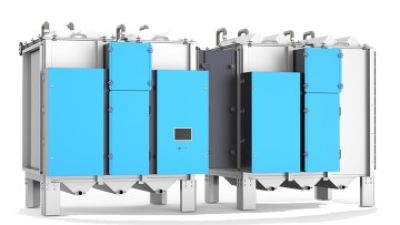
A 95% efficiency wide-airway, multi-stage electrostatic precipitator (ESP) can provide a practical approach to controlling complex industrial exhaust. EPA particulate-control reports describe dry ESPs as capable of very high collection efficiency when electrical conditions, particle resistivity, gas velocity, and maintenance are properly managed. Against that benchmark, a rated 95% efficiency offers meaningful control of oil fumes, fine dust, lint, and mixed particulate streams while supporting stable, compliant operation.
The wide-spacing design is particularly suitable for exhaust containing steam, fibers, and sticky contaminants, which can obstruct narrow passages and increase maintenance demands. EPA control-technology assessments also identify ESPs as relatively low-pressure-drop devices, commonly operating around 0.2–0.5 inches of water column under suitable conditions. Lower airflow resistance can reduce fan workload compared with more restrictive filtration arrangements. The proposed multi-stage configuration further supports staged removal, allowing heavier lint and dust to be addressed before finer particles reach the final collection section.
A projected 60% energy saving should be verified against the existing system’s fan power, operating hours, airflow, and cleaning cycle. In well-matched applications, reduced pressure loss and optimized electrical loading can contribute substantially to lower energy consumption. Performance testing should include inlet and outlet particulate measurements, airflow verification, and periodic inspection of electrodes and collection surfaces to confirm the stated 95% efficiency over time.
: It traps grease droplets before they enter the exhaust duct. The fan moves smoke, moisture, and particles outside.
No. It cannot remove every fine particle or cooking gas. Hood performance also depends on airflow and kitchen layout.
Stainless-steel baffle filters usually handle heavy grease and repeated washing well. They redirect greasy air through narrow metal channels.
They are lightweight and often less expensive. However, mesh can clog faster and bend during cleaning.
No. Charcoal filters help reduce odors in recirculating systems. They do not replace a grease filter.
Measure length, width, thickness, and locking points. Check the drainage path too. A few millimeters can matter.
Clean them every two to four weeks when cooking frequently. Monthly cleaning may suit some kitchens, but habits differ.
Remove it after cooling. Soak it in warm water and mild detergent, then scrub corners gently. Dry it fully.
Replace it when airflow weakens, odors remain, or the material becomes damaged. Do not trust a calendar alone.
Secure the filter and duct connections firmly. Stop using the hood if vibration, sparking, or unusual heat appears. Small problems can become serious.
A Kitchen Hood Filter is an essential component of a kitchen ventilation system, designed to capture grease, smoke particles, and cooking odors before they spread through the room or enter the exhaust duct. This guide explains how different filter types work and compares their performance, durability, airflow resistance, maintenance needs, and cost. It presents ten practical options for global buyers, focusing on material choices such as stainless steel, aluminum, mesh, baffle, and charcoal-based designs without promoting any specific brand.
The article also covers how to select the correct filter size and confirm compatibility with the hood and ventilation system. Recommendations are provided for homes, restaurants, heavy-duty cooking areas, and environments with frequent frying or grilling. Buyers will also learn about proper installation, regular cleaning, replacement timing, grease management, and basic safety practices. By considering cooking habits, ventilation requirements, filter quality, and long-term maintenance, readers can choose a reliable solution that supports cleaner air and safer kitchen operation.