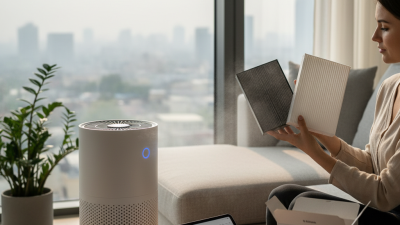
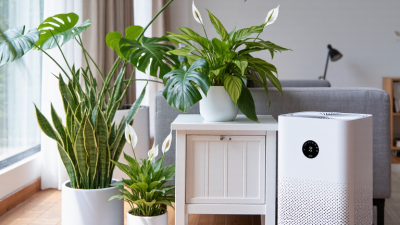
Indoor air can seem perfectly clean, even when it’s quietly carrying traces of formaldehyde, benzene, or other gaseous pollutants. And that’s where Plant Air Purification gets interesting. By 2026, buyers will have options like living-plant systems, sealed biofilters, and hybrid units that mix vegetation with mechanical filtration. Each approach has its own strengths. None of them is magic, though.
Plant scientist B. C. Wolverton once wrote, “Plants can remove certain pollutants from the air and convert them into harmless substances.” His work helped get the modern conversation going about plants and indoor air quality. But home conditions are not the same as controlled lab studies. A single potted plant is not going to replace ventilation, source control, or a certified Air Cleaner. That uncomfortable little detail matters.
This guide compares ten Plant Air Purification systems using practical criteria. We look at tested filtration claims, airflow design, plant-care demands, noise, energy use, maintenance, and long-term reliability. We also ask whether each system actually handles particulate pollution or only selected gases. The term Plant Gas sometimes shows up in marketing, but it isn’t a precise scientific category. Readers should check the actual pollutant names and test methods.
Some systems look beautiful beside a desk. Others look more like compact laboratory equipment. And a few may disappoint if their filters clog or their plants start to decline. That’s worth admitting. The best choice really depends on room size, humidity, lighting, allergies, and how much maintenance you’re willing to do. Our recommendations are meant to separate attractive promises from measurable performance. They are not a substitute for professional indoor-air testing when health concerns stick around.
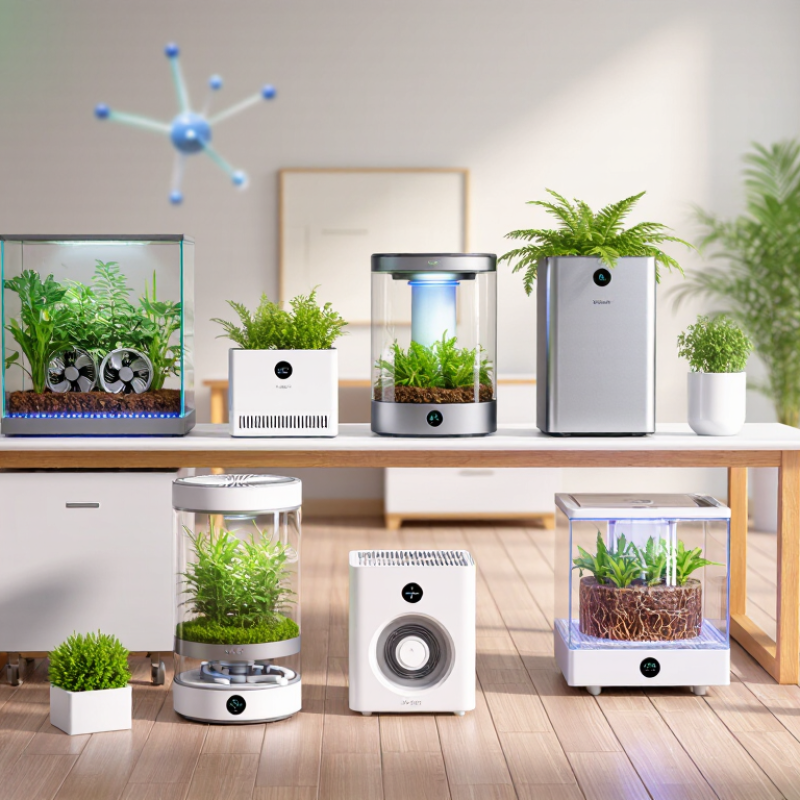
How Plant Air Purification Systems Work
How Plant Air Purification Systems Work
Plant air purification systems combine leaves, roots, growing media, airflow, and microbial activity. Leaves capture some airborne particles on their surfaces. Stomata may absorb limited gaseous pollutants during normal plant metabolism. Roots and microorganisms can also break down certain compounds near the growing medium.
The mechanism is biological, not magical. In 1989, a NASA study found that several plants removed selected chemicals from sealed chambers. Those chambers had controlled conditions and little air exchange. A later review in the Journal of Exposure Science & Environmental Epidemiology reported that ordinary rooms would require an impractical number of plants for meaningful pollution removal. That finding deserves attention.
Real rooms are different.
Indoor air often moves through doors, ventilation systems, fabrics, and human activity. The U.S. Environmental Protection Agency reports that indoor pollutant levels can be two to five times higher than outdoor levels. Plants may support comfort and humidity, but they should not replace filtration or ventilation. For stronger control, Industrial Air Purification systems typically use mechanical filters, activated carbon, or other engineered technologies. Plant-based units may improve air contact through fans that draw room air across roots and leaves. Their performance depends on airflow rate, plant health, lighting, moisture, and maintenance. A damp medium can create problems if cleaning is neglected. The evidence is promising in narrow conditions, yet everyday performance remains uneven.
Key Factors for Comparing Plant-Based Air Purifiers
When comparing plant-based air purifiers, start with measurable performance rather than attractive foliage. A healthy plant may support comfort, but it usually removes airborne pollutants slowly. A fan, filter, and root-zone system can improve practical results. Check the published clean air delivery rate, suggested room size, and testing method. Vague claims deserve caution.
Look closely at the filter design. A true HEPA filter can capture fine particles, while activated carbon helps reduce some odors and gases. Plants cannot replace either component. Examine replacement costs, filter availability, and the time needed for maintenance. A dusty leaf, clogged intake, or waterlogged planter can reduce performance. Keep it simple.
Noise matters in bedrooms and work areas. Measure the sound level at each fan setting, not only the quietest mode. Also check power use, automatic controls, humidity changes, and protection against water leaks. A system that needs weekly care may fail in a busy home. That is easy to underestimate.
Reliable comparisons should separate laboratory data from real-room performance. Look for transparent test results and clear pollutant limits. Be careful with dramatic claims about removing every toxin. Indoor air quality also depends on ventilation, cleaning, and source control. My own preference would be a modest system with honest data, easy servicing, and replaceable parts. It may look less impressive. That can be a strength.
The 10 Best Plant Air Purification Systems for 2026
The 10 Best Plant Air Purification Systems for 2026 should combine living greenery with measured filtration. A healthy plant can support humidity and comfort, but it cannot replace ventilation or a tested filter. The strongest systems use low-noise particle filtration, washable plant trays, and clear maintenance indicators. Look for published test methods, replacement costs, and independent safety documentation. A beautiful cabinet is not automatically effective.
In my experience, systems with several small plants are easier to maintain than one crowded planter. Roots need airflow, not constant moisture. Check the soil weekly and wipe leaves gently, especially near kitchens or dusty windows. Avoid vague claims about removing every chemical. Ozone Air Purification may sound advanced, yet ozone can irritate lungs and damage materials. Do not choose an ozone-producing device for occupied rooms without strong, independent safety evidence. I would rather accept slower cleaning than create another indoor concern.
Tips: Match the system to room size, then measure noise at night. Keep plants away from blocked vents and direct heater airflow. Replace filters on schedule, even when they look clean. Record humidity and dust levels for two weeks before judging performance. Small improvements count. Mistakes happen.
Best Systems for Bedrooms, Offices, and Living Spaces
For bedrooms, offices, and living spaces, plant-based Air Purification needs realistic expectations. The U.S. Environmental Protection Agency reports that indoor pollutant levels can be two to five times higher than outdoors. In some cases, they may reach 100 times higher. A leafy plant can soften a room visually and slightly influence humidity, but it cannot replace ventilation or a properly rated filter.
A 2020 review in the Journal of Exposure Science & Environmental Epidemiology found that ordinary potted plants would require roughly 10 to 1,000 plants per square metre to match typical building ventilation. That is not practical beside a bed or desk. Choose a system combining plants with mechanical filtration, sealed airflow, and independently reported clean air delivery rates. For bedrooms, prioritize quiet operation below normal conversation levels. Offices need stronger circulation because people, printers, and cleaning products add pollutants. Living rooms benefit from wider airflow coverage and accessible filter compartments.
Check particulate performance, replacement costs, noise measurements, and energy use. Look for testing aligned with recognized industry procedures, such as AHAM performance methods. Avoid relying on decorative claims alone. I have found that a beautiful plant wall can still leave fine particles untouched. Humidity sensors also deserve caution; a damp reservoir may encourage microbial growth when cleaning is neglected. The imperfect part is maintenance. Missed filter changes, dusty leaves, and blocked vents can quietly reduce performance.
Maintenance, Safety, and Plant Care Requirements
A plant-based air purification system needs disciplined care, not just attractive foliage. The U.S. Environmental Protection Agency reports that indoor pollutant levels may be two to five times higher than outdoor levels. Plants can support comfort, but they cannot replace ventilation, filtration, or source control. Cleanroom Air Purification requires validated equipment, controlled airflow, and documented contamination procedures.
Check leaves weekly for dust, insects, and fungal spots. Wipe broad leaves gently with clean water. Remove dead material promptly. Overwatering is a common failure point because damp soil can encourage mold and fungus gnats. The EPA recommends keeping indoor relative humidity between 30% and 50%. Use a hygrometer near the plants, not beside a window or humidifier. Some plants may still decline under low light. That is normal, not necessarily a system defect.
Inspect filters according to pressure readings and manufacturer instructions, rather than relying only on calendar dates. ASHRAE Standard 62.1-2022 emphasizes adequate ventilation and acceptable indoor air quality, while filtration supports, but does not replace, outdoor-air requirements. Keep water trays dry, protect electrical components from leaks, and avoid placing plants near emergency access routes. One uncomfortable lesson remains: more plants do not automatically mean cleaner air. Without airflow measurements and maintenance records, the claimed benefit is difficult to verify.
How to Choose the Right System for Your Needs
Choosing a plant air purification system starts with the room, not the product label. Measure the space, note its window direction, and observe airflow for a full day. A bright living room may support several healthy plants, while a dark bedroom may need a low-light setup. Plants can complement cleaner air, but they cannot replace ventilation or a properly sized mechanical filter.
Check what the system actually measures. Reliable models should explain airflow, particle removal, maintenance needs, and independent test methods. For dust and fine particles, look for documented filtration performance and a suitable clean air delivery rate. For odors, activated carbon can help, though it requires replacement. A plant chamber should also prevent standing water and mold growth. That detail matters.
Maintenance decides whether the system works beyond the first month. Wipe leaves gently, inspect roots, empty water trays, and replace filters on schedule. I once chose a beautiful setup with weak airflow; it looked impressive but changed little in a closed room. That was my mistake. Consider noise, electricity use, replacement costs, and allergy concerns before buying. Keep the system away from heaters and crowded corners. Start with one measured room, record dust levels and humidity, then adjust slowly. Perfect results are unlikely. Reliable improvement is the better target.
Gas Air Filtration and Heat Recovery for More Efficient Stenter Machine Operations
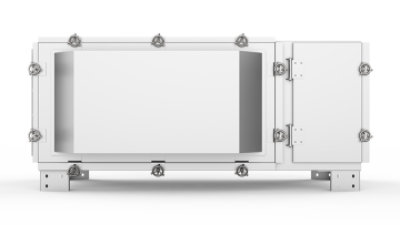
Gas air filtration and heat recovery are essential for improving the efficiency of stenter machine operations in textile and dyeing facilities. During fabric finishing, stenter machines consume considerable amounts of thermal energy and release hot, moisture-laden exhaust air containing lint, oil mist, and other airborne particles. An effective gas air filtration system removes these contaminants before the exhaust is discharged or directed into the heat recovery unit, helping protect equipment and maintain a cleaner working environment.
The stenter waste heat recovery system captures thermal energy from the hot exhaust stream and transfers it to incoming fresh air. Preheated air requires less fuel to reach the operating temperature, reducing energy consumption and lowering heating costs. Cleaner air also improves heat exchange performance, minimizes fouling, and supports more stable temperature control throughout the drying and finishing process. By combining efficient filtration with heat recovery, textile manufacturers can enhance machine productivity, reduce operating expenses, and decrease the environmental impact associated with stenter exhaust.
FAQS
Usually, no. Plants may improve comfort and appearance, but they remove pollutants slowly. Mechanical airflow matters more.
Check clean air delivery rate, room coverage, filter type, noise, energy use, and maintenance needs. Ignore vague promises.
For fine particles, a true HEPA filter is more dependable. Activated carbon can help reduce some odors and gases.
Choose quiet operation, sealed airflow, and low light requirements. The sound should stay below normal conversation levels.
Offices need strong circulation around desks, printers, and cleaning products. Living rooms need broader airflow and accessible filter compartments.
Check leaves weekly for dust, insects, and fungal spots. Inspect filters using pressure readings and care instructions.
Yes. Waterlogged soil may encourage mold and fungus gnats. Keep water trays dry and protect electrical parts from leaks.
Aim for roughly 30% to 50% relative humidity. Use a hygrometer near the plants, away from windows and humidifiers.
Be careful. Ask for transparent testing, pollutant limits, and real-room results. A beautiful plant wall may still leave fine particles untouched.
Maintenance is easy to miss. Dusty leaves, clogged vents, and delayed filter changes quietly reduce performance. I might underestimate this too.
Conclusion
Discover how Plant Air Purification systems combine living greenery, natural filtration, and thoughtful design to help improve indoor comfort. This guide explains how plant-based purifiers work, including the roles of leaves, roots, growing media, airflow, and optional mechanical support. It also presents ten carefully selected system types for 2026, comparing factors such as purification performance, coverage area, noise level, energy use, appearance, price, and ease of maintenance. Readers will learn which solutions may work best in bedrooms, offices, and shared living spaces.
The article also covers essential plant care, including lighting, watering, pruning, cleaning, and monitoring for pests or mold. Safety considerations—such as avoiding overwatering, maintaining proper ventilation, and choosing non-toxic plants for homes with children or pets—are included. By evaluating room conditions, lifestyle, budget, and maintenance preferences, readers can confidently choose a practical plant-based air purification system that supports a fresher, more comfortable indoor environment.

 Online Message
 Phone:+8613927702137
 E-Mail: kleanesp@kleanland.com
 Whatsapp: +8613927702137