Leave Your Message
-
 Online Message
-
 Phone:+8613927702137
-
 E-Mail: kleanesp@kleanland.com
-
 Whatsapp: +8613927702137
Online Message Phone:+8613927702137
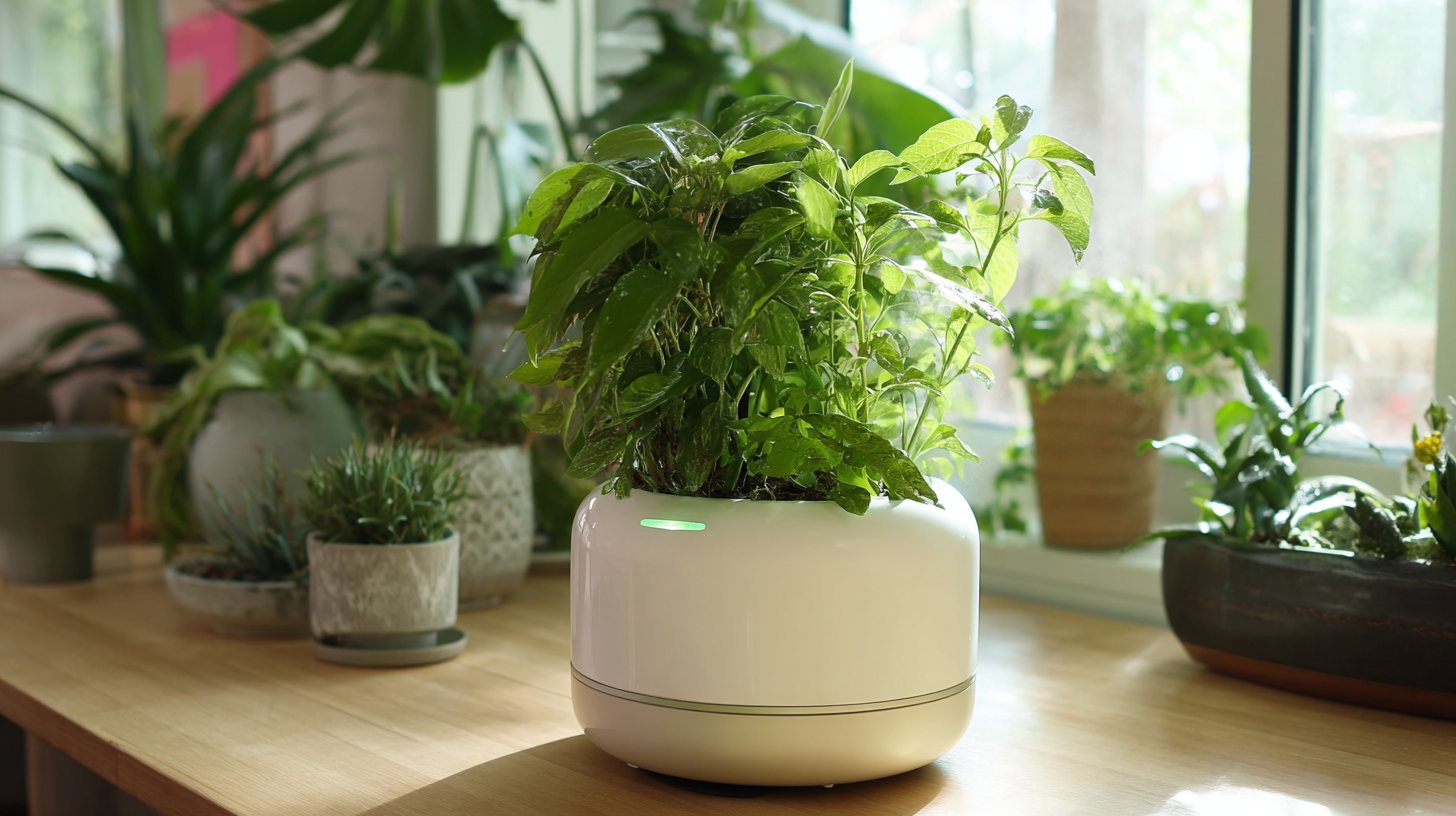
E-Mail: kleanesp@kleanland.com Whatsapp: +8613927702137 These days, it’s pretty clear that indoor air quality really matters when it comes to our health and overall well-being. Naturally, more folks are starting to look for smart ways to keep the air fresh—and one trend that’s catching on is the so-called 'Plant Air Purifier.' Not only do these little green heroes make our homes and offices look nicer, but they also do a pretty good job at cleaning the air we breathe every day. If you're curious, we’ve rounded up the 7 best plant-based air purifiers out there right now. What’s cool is that they tap into the natural air-purifying powers of plants—perfect for both your living room and even in commercial spaces like cafes, hotels, or restaurants. Brands like Foshan Kelan Environmental Protection Co., LTD, especially their Kleanland line, really emphasize how blending tech with nature can make spaces healthier and more inviting. Leading the charge in electrostatic Air Purification, Kleanland shows us that choosing plant air purifiers isn’t just about breathing easier—it's also a way to live a bit more smartly and creatively.
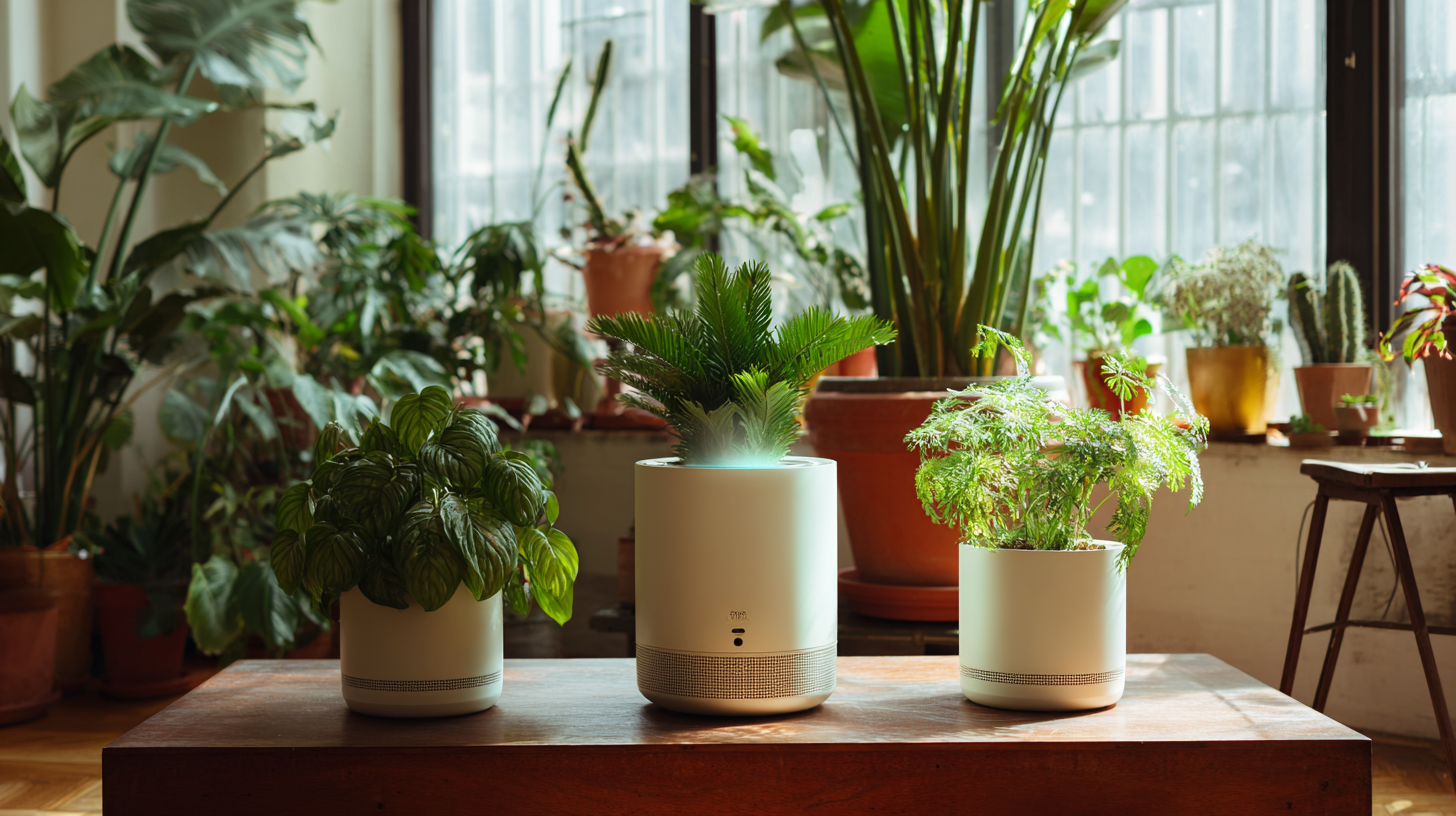
Lately, indoor air quality (or IAQ, if you want to get fancy) has become a pretty big deal, especially in cities where pollution’s just part of daily life. You know, stuff like VOCs—volatile organic compounds—can really mess with our health. Interestingly enough, some houseplants might actually help clear out these nasty chemicals. For instance, plants like Pachira aquatica, Ficus benjamina, and Aglaonema commutatum have shown some pretty encouraging signs of reducing toxins like benzene and formaldehyde that are often hanging around indoors. Now, I know what some folks used to think—like, “Can houseplants really do much?”—but newer research seems to suggest these little green buddies aren’t just for decoration. Sure, they might not be miracle workers, but they definitely add to getting cleaner air overall.
Plus, there’s this whole thing about plants helping clean our air beyond just absorbing CO₂. Studies on phytoremediation, which is basically plants’ ability to clean pollutants, show they can actually pull out some pretty harmful stuff. Organizations like Kleanland are also stepping up with new tech—like electrostatic air purifiers—and pushing for plant-based ways to breathe a little easier indoors. Honestly, with climate change making everything more urgent, figuring out how to boost our indoor air quality isn’t just good—it’s essential. Combining smart tech and some leafy friends? That’s becoming more and more important if we want healthier, happier spaces to live in.
In today's industrial landscape, optimizing energy efficiency is paramount, particularly in thermal management processes. Recent industry reports indicate that factories using industrial heat exchangers, specifically air-to-air heat exchangers, can achieve considerable energy savings. These devices are engineered to recover heat energy from exhaust gases, making them crucial in reducing operational costs and enhancing overall efficiency. For instance, some reports suggest that facilities equipped with these systems can recapture up to 70% of waste heat, transforming it into usable energy for heating purposes or other processes within the plant.
The effectiveness of air-to-air heat exchangers is further underscored by data illustrating their role in exhaust treatment. By effectively cooling exhaust streams, these devices not only improve heat recovery rates but also help maintain compliance with environmental regulations. A survey conducted by the Heat Exchange Institute found that industries utilizing heat recovery devices reported an average decrease in energy consumption by about 30%. With such a significant reduction, manufacturers are increasingly motivated to integrate advanced heat recovery systems into their operations, ensuring a more sustainable approach while maximizing productivity.
As industrial sectors strive to meet both economic and ecological goals, the adoption of air-to-air heat exchangers represents a strategic investment. By leveraging the heat recovery potential of these devices, factories can enhance their energy efficiency while simultaneously contributing to a greener future. The advantages highlighted in industry reports make it clear that prioritizing heat recovery is a smart move for manufacturers aiming to stay competitive in a rapidly evolving marketplace.
: Some of the best air-purifying plants include the Spider Plant, which removes pollutants like formaldehyde and xylene, and the Peace Lily, known for filtering out ammonia and benzene.
The Spider Plant is known for its ability to remove harmful pollutants such as formaldehyde and xylene from the air, while also thriving in indirect sunlight.
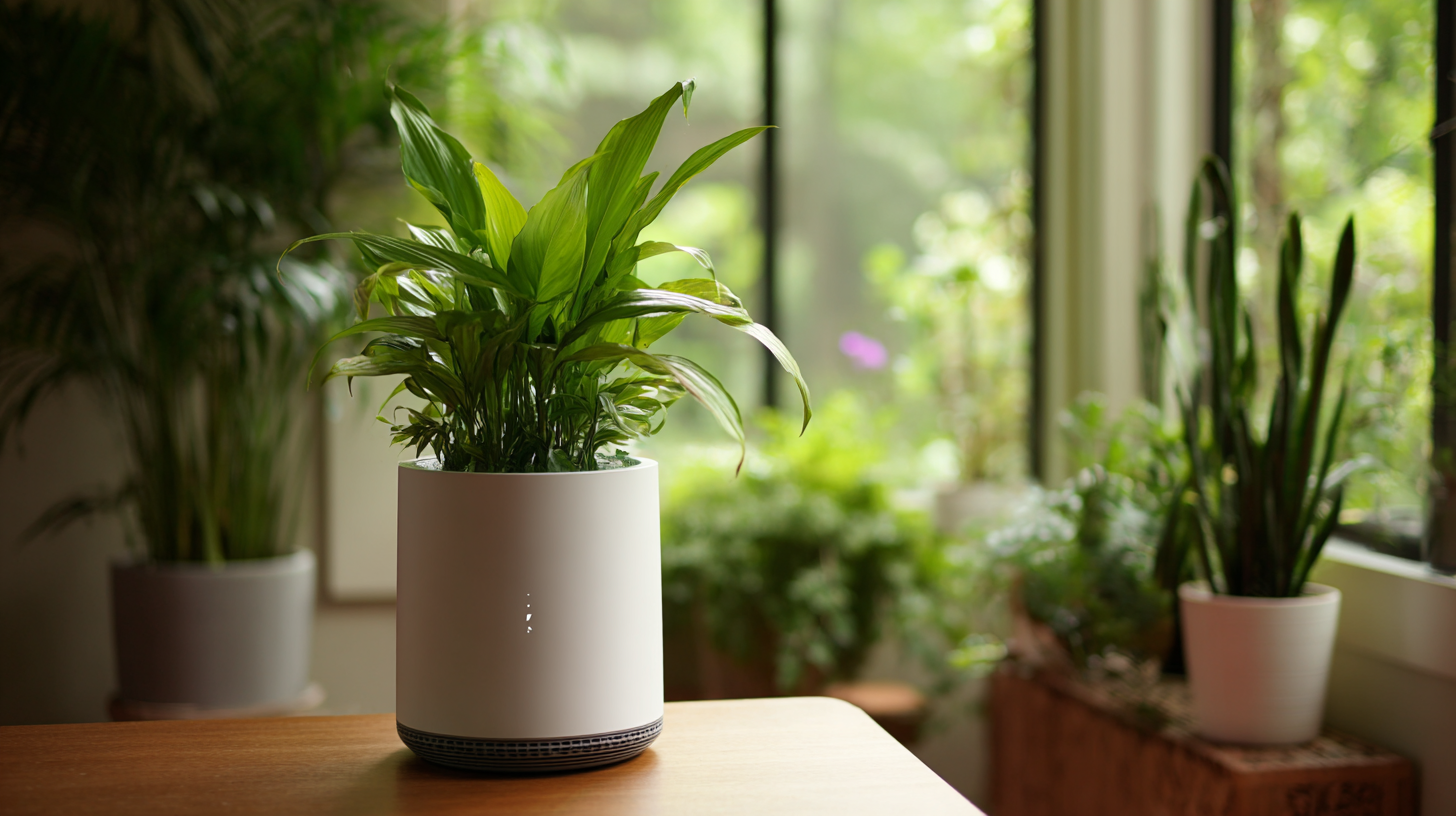
The Peace Lily features elegant white blooms and powerful air-cleansing properties, filtering out toxins like ammonia and benzene while being easy to care for.
To provide optimal care, assess the light conditions in your home, water the plants properly, and regularly dust the leaves to maximize their air-purifying effects.
Most air-purifying plants thrive in bright, indirect sunlight, while some species can tolerate lower light conditions.
A good rule of thumb is to allow the top inch of soil to dry out before watering, as over-watering can lead to root rot and under-watering can stress the plants.
Regularly dusting the leaves helps maximize surface area, making photosynthesis more efficient and enabling the plants to absorb more airborne toxins.
Yes, incorporating air-purifying plants into your home can naturally enhance your living environment and contribute to cleaner, fresher air.
Drooping leaves are a sign that the Peace Lily needs water, so it’s essential to check the soil moisture and water accordingly.
Yes, many air-purifying plants, like the Spider Plant and Peace Lily, are suitable for both novice and experienced plant lovers due to their easy care requirements.
Hey there! You know, with everything going on these days, taking care of indoor air quality really matters more than ever. And honestly, plants have become such awesome little helpers in this whole mission. In my recent read, I came across this blog titled '7 Best Plant Air Purifiers for a Cleaner Indoor Atmosphere Powered by Nature.' It dives into how these natural air-purifying plants actually work—pretty fascinating stuff! Plus, it loops in some of the top plant types known for their ability to clear the air. If you're like me and want to pick the right plant for your space, the blog offers some handy tips on choosing and caring for your green buddies. Trust me, with the right approach, you can totally boost the air quality around you.
Oh, and it gets better! The blog shares real-life stories showing how indoor plants made a real difference in some homes, but it also keeps it real by mentioning their limits. And since Kleanland, a big name in electrostatic air purification tech, keeps pushing the envelope to make our air cleaner, adding plants into the mix seems like a smart move for a healthier indoor vibe.