Online Message
Phone:+8613927702137
E-Mail: kleanesp@kleanland.com
Whatsapp: +8613927702137 
When you're trying to pick out the perfect Range Hood Filter for your kitchen, there are a few things you definitely wanna keep in mind. Lily Chen, from Kitchen Solutions Co., really hits the nail on the head when she says, 'Choosing the right Range Hood Filter can seriously improve your cooking space.' Her advice is all about understanding what you actually need before you go buying one.
A lot of people tend to forget how important a good filter really is. A decent Range Hood Filter does more than just catch grease and smoke — it actually helps improve the air in your kitchen. Think about what kind of cooking you do most often. If you're into a lot of frying or grilling, you might want a deeper, more heavy-duty filter. Also, don’t forget to check if it’s the right size and fits with your current hood setup.
Now, not all filters are made the same. Some might need replacing pretty often, which can end up costing you more in the long run. It’s all about finding that sweet spot between quality and price. Some filters claim they last forever, but honestly, they don’t always live up to that. In the end, investing in a good Fume Hood Filter really can make a noticeable difference in your kitchen experience.
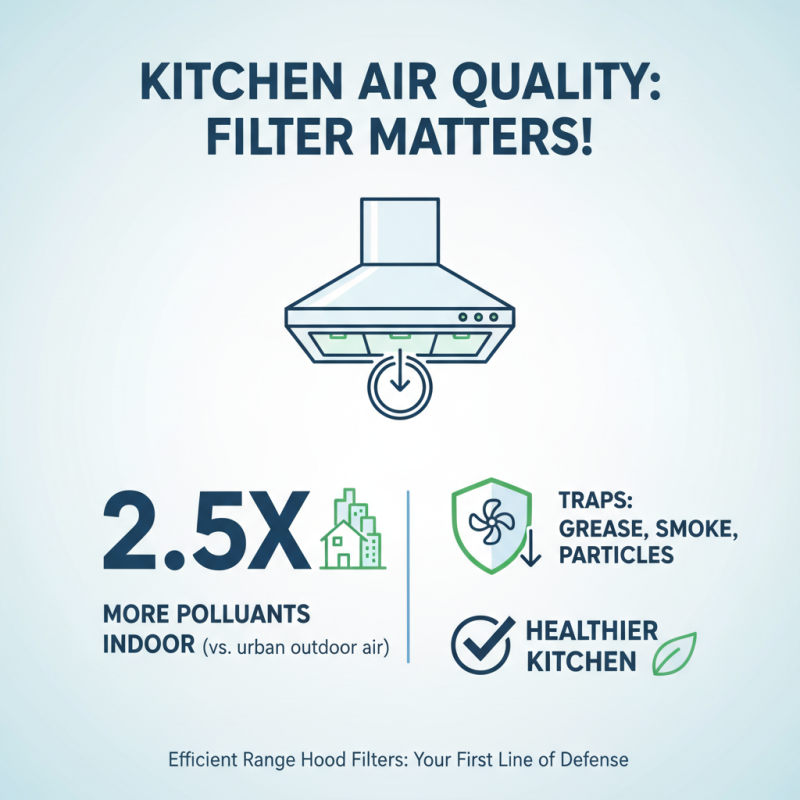
Range hood filters play a critical role in maintaining a healthy kitchen environment. These filters trap grease, smoke, and other airborne particles that are common during cooking. According to industry research, kitchens can emit up to 2.5 times more pollutants than outdoor urban settings. This highlights the necessity of efficient range hood filters in reducing indoor air quality issues.
Selecting the right filter is vital for optimal performance. Typically, filters are made from stainless steel, aluminum, or charcoal. Each material has its unique strengths, but they all require regular maintenance. Studies suggest that neglected filters can lose up to 50% of their effectiveness. Regular cleaning and timely replacements can mitigate this issue, enhancing both air quality and kitchen safety.
Cooking methods also influence the type of filter needed. For instance, frying generates more grease than steaming. Depending on cooking styles, one may need a filter designed specifically for high-fat emissions. It’s essential to assess personal cooking habits when choosing a filter. This thoughtful approach ensures that homeowners invest in a solution that truly meets their needs.
Choosing the right range hood filter is crucial for your kitchen. There are several types available, and understanding each can help you make an informed decision. One common option is the charcoal filter. This type is effective in absorbing odors and smoke. It's perfect for those who do a lot of frying or cooking with strong spices. However, charcoal filters need regular replacement to maintain their effectiveness.
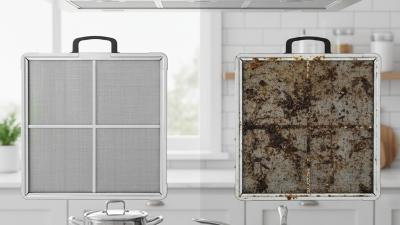
Another popular choice is the grease filter. These filters capture grease particles from the kitchen air. They are typically made of metal or aluminum, making them easy to clean. Many people overlook the maintenance aspect. A dirty grease filter can lead to poor ventilation and even kitchen fires. Ideally, you should clean these filters every few weeks.
Lastly, there's the combination filter. It combines the features of both charcoal and grease filters. This type provides comprehensive protection for your kitchen. However, they can be costly and might not suit every budget. Think about your cooking habits before making a decision. Investing in the right Smoke Hood Filter can significantly improve your kitchen environment. Remember, the filter type should align with your cooking style and routine.
When purchasing a range hood filter for your kitchen, several factors warrant your attention. The filter's efficiency is crucial. A high-efficiency particulate air (HEPA) filter can capture up to 99.97% of airborne particles. This level of filtration is essential, especially in kitchens where smoke and grease might circulate. According to industry studies, poorly maintained filters can reduce a system's airflow by 50%, significantly impairing performance.
Material selection significantly impacts filter longevity and effectiveness. Stainless steel and aluminum filters are popular choices. They withstand high temperatures and resist corrosion. Additionally, consider ease of cleaning. Filters that can be cleaned in a dishwasher are convenient. A study from the Kitchen Ventilation Association highlighted that regular filter cleaning improves Restaurant Fume Hood performance, often doubling its lifespan. Ignoring maintenance can lead to increased fire hazards and higher energy costs.
Size and compatibility with your range hood are crucial as well. Filters should fit snugly to prevent leaks. Not all models share dimensions, creating inconsistencies. Many users overlook this step, resulting in inefficient operation. Regular inspections of your filter’s condition help maintain kitchen air quality. A detailed report by the American Society of Heating, Refrigerating and Air-Conditioning Engineers (ASHRAE) indicated that neglected filters can cause systems to work harder, leading to frequent breakdowns.
When purchasing a filter for your range hood, measuring for compatibility is essential. The right fit ensures optimal performance and air quality in your kitchen. According to recent market analyses, correctly matched filters enhance efficiency by up to 30%. To measure, start by determining the dimensions of your range hood. Capture the width, depth, and height accurately. A small error can lead to decreased effectiveness.
Tips: Always use a tape measure. Record measurements multiple times for accuracy. Consider any obstructions around the hood, as they may affect filter selection.
After measuring, check the filter style compatible with your Static Hood. Some filters require a specific design and material to maintain airflow and trapping capacity. Industry reports indicate that filters with activated charcoal can absorb odors better than other materials. Choosing the right type increases the lifespan of your range hood.
Tips: Ensure to clean your range hood regularly. An unclean hood can reduce airflow. Keep an eye on the filter condition, replacing it as necessary. Regular maintenance can prevent costly replacements and improve your kitchen environment significantly. Balancing an effective setup will likely involve trial and error, so remain patient during your search for the perfect filter.
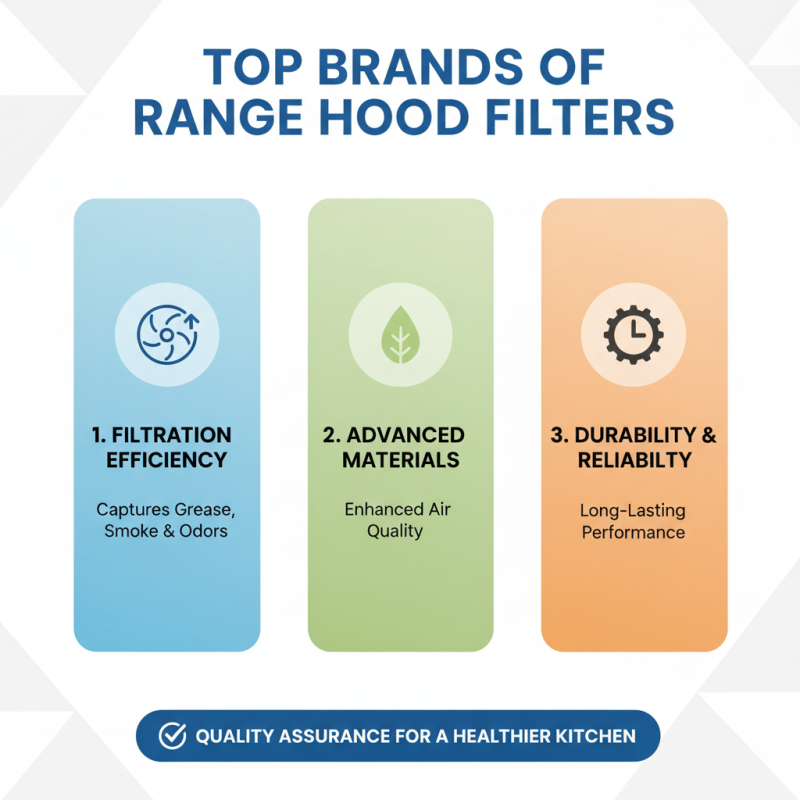
When selecting a range hood filter, it’s essential to prioritize quality. Different brands offer varied levels of filtration efficiency. Quality filters capture grease, smoke, and odors effectively, enhancing your kitchen's air quality. Many filters utilize advanced materials and designs. This contributes to their long-lasting performance and reliability.
Some brands are recognized for their commitment to excellence. They often undergo rigorous testing, ensuring their filters meet industry standards. Consumers should look for filters that provide clear specifications. These details include dimensions, filtration types, and maintenance requirements. Reading reviews can offer further insights into user experiences. However, not all reviews may present an accurate picture.
It can be daunting to navigate the options available. Choosing a filter solely based on price may lead to disappointments. Some filters may perform well initially but lack durability. Taking the time to research and consider your specific needs is crucial. Quality assurance goes beyond the brand name; it involves understanding what fits your kitchen.
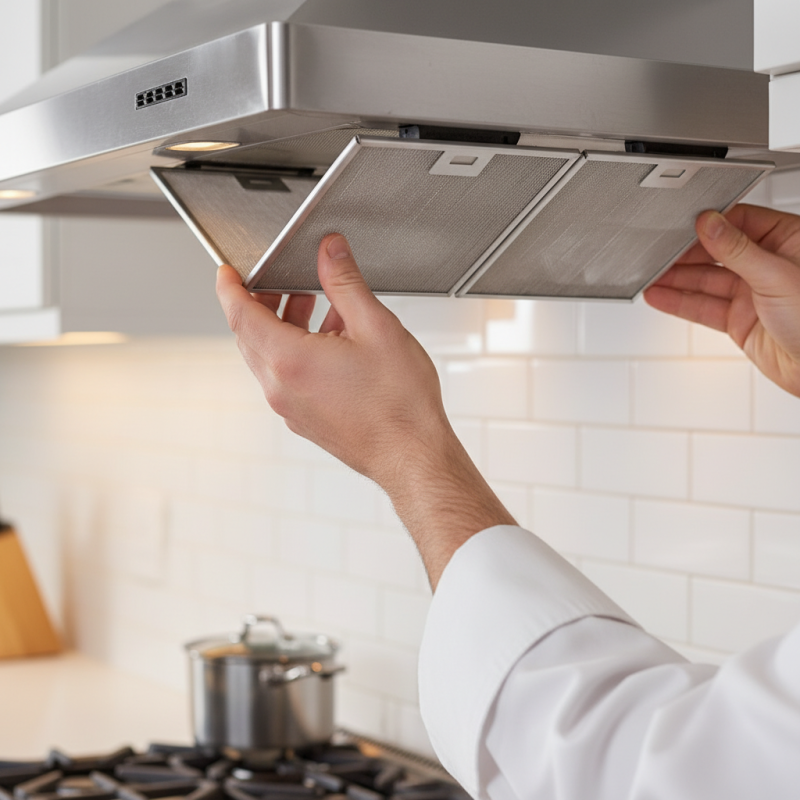
Installing a new range hood filter can seem daunting, but it’s a manageable task. Start by ensuring you have all the necessary tools: a screwdriver, gloves, and a clean cloth. Remove the old filter carefully, avoiding any sharp edges. This step often reveals accumulated debris. Be prepared; a dirty filter may signal the need for a thorough clean of your hood space.
Next, prepare your new filter. It should fit snugly in the designated slot. Make sure it aligns with any clips or grooves. Sometimes, it's easy to rush this and misplace the filter. Take your time to ensure proper placement. After inserting the filter, secure it in place with screws or clips as needed. Cleaning the surrounding area now can improve efficiency and prevent future buildup.
Tips: Always consult your hood's manual for specific instructions. If you're unsure, a Hood Cleaner can assist you in this process. Test the hood after installation to ensure it functions properly. Regular maintenance is key. This not only improves your kitchen's air quality but also prolongs the life of the filter. Neglecting this may lead to reduced efficiency. Stay attentive to signs of wear and replace filters as needed.
Proper maintenance of your range hood filter is essential for a well-functioning kitchen. Regular cleaning is crucial. Experts recommend washing the filter every month. Use warm, soapy water for best results. If the filter is greasy, soak it in a vinegar solution. This method effectively cuts through grime.
Inspect the filter often. Look for wear and tear. A worn-out filter may not work effectively. Consider replacing it if you notice holes or significant damage. This regular check can improve airflow and ensure safety in your kitchen. Remember, an overlooked filter can lead to kitchen odors and even safety hazards.
Pay attention to the type of cooking you do. Heavy frying or grilling may require more frequent maintenance. Keeping a maintenance schedule can help track when it’s time for cleaning. It may be easy to forget, but consistency is key to maximizing your filter's lifespan. Investing a little time now can save headaches later.
Don't just clean in a hurry. Take the time to do it right. Rushing can overlook important details. Precision matters in maintenance. The more you care for your filter, the better it will serve you in the long run.
| Feature | Details |
|---|---|
| Material | Stainless Steel, Aluminum, Charcoal |
| Size | 30-inch, 36-inch, Custom Sizes Available |
| Filtration Type | Grease Filters, Odor Filters |
| Lifespan | 1-3 Months (based on usage) |
| Maintenance Frequency | Monthly Cleaning Recommended |
| Cleaning Method | Soak in warm soapy water or dishwasher safe (check compatibility) |
| Common Issues | Clogging, Reduced Suction Power |
| Replacement Indicator | Visible Grease Buildup, Odd Odors |
| Purchase Locations | Home Improvement Stores, Online Retailers |
| Price Range | $10 - $50 depending on type and size |
: There are three main types: charcoal filters, grease filters, and combination filters.
Charcoal filters absorb odors and smoke, making them useful for strong cooking styles.
Regular replacement is necessary to maintain their effectiveness, usually every few months.
Grease filters are often made of metal or aluminum, which makes cleaning them easier.
A dirty grease filter can lead to poor ventilation and increase risk of kitchen fires.
Measure the width, depth, and height of your range hood accurately using a tape measure.
An improper fit can reduce effectiveness and efficiency in your kitchen.
A combination filter merges properties of both charcoal and grease filters for comprehensive protection.
Yes, they can be costlier and might not fit every budget; consider your cooking habits before buying.
Cleaning the range hood regularly ensures better airflow and extends the lifespan of your filters.
When it comes to maintaining a clean and efficient kitchen, a high-quality Range Hood Filter is essential. These filters play a vital role in capturing grease, smoke, and odors, ensuring a pleasant cooking environment. Understanding the various types of filters available and the factors to consider when purchasing one, such as size, material, and filtration capacity, can significantly impact your kitchen's air quality.
To ensure compatibility, it's crucial to measure your range hood properly before making a selection. Once you've chosen the right filter, following proper installation steps is necessary for optimal performance. Additionally, regular maintenance and cleaning can extend the life of your Range Hood Filter, helping you to maintain a safer and more enjoyable kitchen space.