When it comes to modern HVAC systems, the air handling unit (or AHU, for short) really is kind of the unsung hero of keeping indoor environments comfortable and fresh. As the industry keeps moving forward, more and more folks are realizing just how crucial these units are for maintaining good air quality and steady temperature control. I mean, according to Dr. Emily Thompson, who's pretty much a big deal in environmental engineering at GreenTech Solutions, an AHU isn’t just some mechanical part — it’s basically the heart of how a building keeps its climate in check, making sure everyone stays comfy and the place stays sustainable.
Adding an AHU into a building’s system comes with a bunch of perks — like saving energy, better air flow, and cleaner filtration. As buildings get smarter about energy use and stricter standards roll out, picking the right AHU becomes super important, whether you’re installing a brand-new system or upgrading an older one. Thanks to tech advancements, today’s AHUs are pretty adaptable, capable of handling different loads and using high-tech controls to keep everything running at peak performance.
Understanding why AHUs matter so much for climate control is key for homeowners, facility managers, and engineers alike. Investing in a good quality unit can help hit that sweet spot between comfort and cost — all while creating a healthier indoor space. As we dig into why choosing the right air handling unit really matters, we’ll talk about its key benefits and some of the cool features that make it a must-have part of any HVAC setup.
Understanding Air Handling Units and Their Importance in HVAC Systems
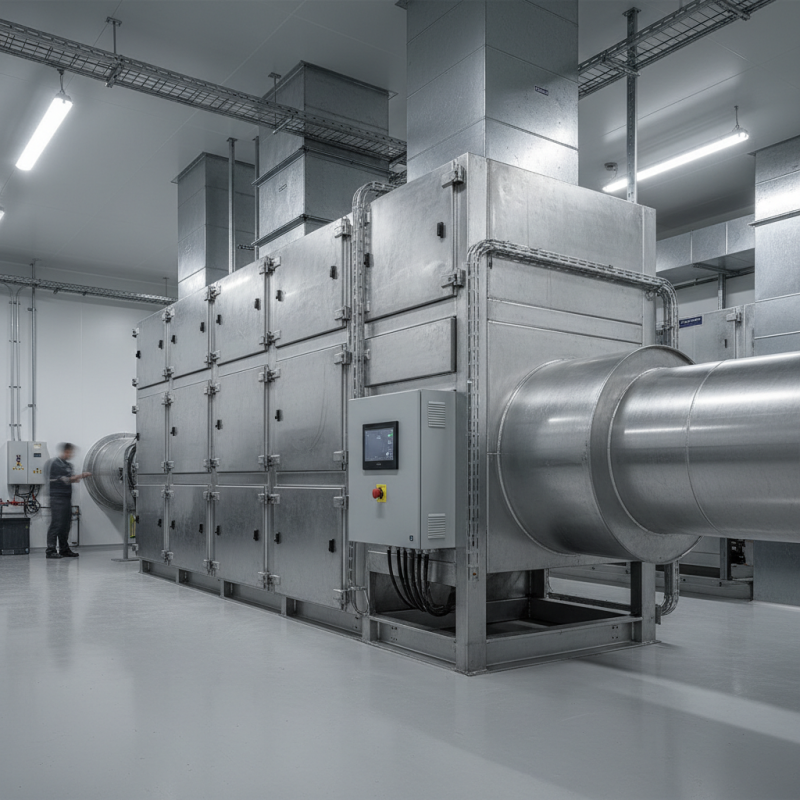
Air Handling Units (AHUs) play a critical role in modern HVAC systems, functioning as the central component responsible for regulating air quality and temperature within buildings. These units work by circulating and conditioning air, ensuring that spaces are not only comfortable but also conducive to health and productivity. According to a report by the U.S. Department of Energy, properly designed AHUs can enhance energy efficiency by up to 30%, underscoring their importance in climate control.
The significance of AHUs extends beyond just comfort; they contribute to overall system efficiency and indoor air quality. By integrating various components such as Filters, heaters, and cooling coils, AHUs can efficiently manage air ventilation, reducing the reliance on fossil fuels and decreasing greenhouse gas emissions. A recent study by the American Society of Heating, Refrigerating and Air-Conditioning Engineers (ASHRAE) highlighted that well-maintained air handling systems can improve indoor air quality byminimizing airborne pollutants, which is essential in environments like offices and healthcare facilities.
Furthermore, the flexibility and modularity of AHUs allow for tailor-made solutions that meet the specific demands of different buildings, whether it’s a high-rise office or a residential complex. The benefit of energy recovery ventilators in AHUs also cannot be overlooked, as these systems can reclaim energy from Exhaust Air, further optimizing performance. As energy costs continue to rise, investing in advanced air handling solutions presents an economically sound strategy while also promoting sustainability goals.
Key Components of an Air Handling Unit and Their Functions
Air handling units (AHUs) are essential for maintaining climate control in various environments, from commercial buildings to industrial facilities. At the core of an AHU are several key components that work in tandem to ensure efficient air distribution and temperature regulation. One of the primary components is the blower or fan, which circulates air throughout the system. The design and efficiency of the fan significantly influence the overall energy consumption and performance of the unit.
Another crucial element is the heating and cooling coils. These coils facilitate the transfer of heat between the fluid and the air, effectively regulating the temperature within a space. In addition to temperature control, AHUs are equipped with filters that improve indoor air quality by capturing dust, allergens, and other contaminants. The presence of these filters is vital in ensuring a healthy environment and optimizing the efficiency of the heating and cooling processes. Lastly, dampers and control systems are implemented to manage airflow and pressure within the unit, enabling precise adjustments to respond to varying climate control needs. Through these components, air handling units play a pivotal role in creating a comfortable and efficient indoor climate.
Key Components of an Air Handling Unit and Their Functions
Energy Efficiency: How Air Handling Units Save Power and Resources
Air handling units (AHUs) are essential components in modern climate control systems, known for their ability to optimize energy efficiency. By effectively regulating airflow, temperature, and humidity, AHUs help minimize energy consumption while maintaining a comfortable indoor environment. One key feature of these units is their capability to recover energy, which significantly reduces the overall demand on heating and cooling systems. This energy recovery process not only extends the lifecycle of HVAC systems but also contributes to lower utility costs for building owners.
Tips: When selecting an air handling unit, consider the size and capacity that best fit your building's needs. Ensure proper maintenance by scheduling regular checks and cleaning of filters. This will enhance the unit's efficiency and longevity, ultimately saving resources.
In addition to energy recovery, AHUs are designed to incorporate advanced technology, such as variable-speed drives, that adjust fan speeds based on real-time conditions. This capability allows for optimal performance with minimal energy expenditure, reducing wear and tear on mechanical components. By leveraging such smart features, facilities can significantly cut down on energy bills while enhancing overall comfort levels for occupants.
Tips: Implementing a building management system (BMS) can further optimize the performance of your air handling unit. A BMS can monitor and control temperature, humidity, and air quality, ensuring all parameters are balanced for the best energy savings.
Improving Indoor Air Quality with Air Handling Units
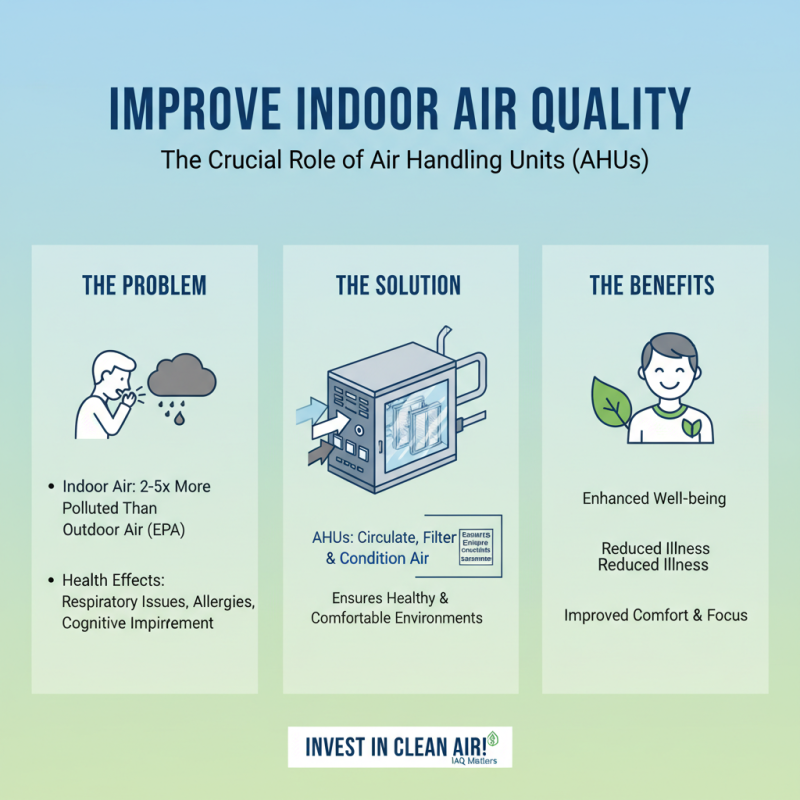
Air handling units (AHUs) play a crucial role in improving indoor air quality (IAQ), which has become a growing concern in modern building design. According to the Environmental Protection Agency (EPA), indoor air pollution can be two to five times worse than outdoor levels, bringing attention to the importance of proper ventilation and air filtration in enclosed spaces. AHUs are designed to circulate, filter, and condition air, ensuring that indoor environments remain healthy and comfortable. Studies indicate that poor IAQ can lead to adverse health effects, including respiratory issues, allergies, and cognitive impairments. Thus, investing in an efficient air handling unit can significantly enhance the overall well-being of occupants.
To maximize the benefits of air handling units, facilities should consider regular maintenance and upgrades to their air filtration systems. For example, using high-efficiency particulate air (HEPA) filters can effectively remove 99.97% of airborne particles, including allergens and pathogens. Furthermore, incorporating advanced technologies such as ultraviolet (UV) light treatment can further inhibit the growth of mold and bacteria within the unit.
Tips: Regularly inspect and replace filters to maintain optimal airflow and efficiency. Additionally, ensure proper humidity control within the building to prevent mold growth and maintain a healthier living environment. Emphasizing the integration of AHUs in climate control systems is essential for improving indoor air quality and safeguarding occupant health.
Adaptability of Air Handling Units for Different Climate Zones
Air handling units (AHUs) are essential components for effective climate control, particularly due to their adaptability to various climate zones. Different regions experience unique weather patterns, ranging from extreme heat and humidity to cold and dry conditions. An appropriately configured AHU can efficiently condition air to meet the specific needs of its environment, providing a comfortable indoor climate regardless of external weather fluctuations. With customizable features such as filters, heating elements, and humidity control systems, AHUs can be tailored to optimize performance in both temperate and harsh climates.
Moreover, the versatility of air handling units allows them to integrate seamlessly into existing HVAC systems, enhancing energy efficiency and reducing operational costs. For instance, in areas where humidity levels are high, an AHU equipped with advanced dehumidification technologies can significantly reduce moisture, leading to improved indoor air quality and comfort. Conversely, in colder climates, units can be designed to incorporate heating elements that ensure adequate warm air circulation throughout the space. This adaptability not only helps maintain a consistent interior environment but also promotes energy savings through the use of targeted climate control strategies. With the ever-changing climate landscape, selecting an AHU tailored to specific climate conditions can result in more sustainable and effective heating, ventilation, and air conditioning solutions.
Why You Should Choose an Air Handling Unit for Efficient Climate Control
| Climate Zone | Temperature Range (°C) | Humidity Level (%) | Recommended Features |
| Tropical | 25 - 35 | 70 - 90 | High humidity control, Dehumidifiers |
| Temperate | 10 - 25 | 30 - 60 | Variable air flow, Filtration systems |
| Continental | -10 - 20 | 20 - 50 | Energy recovery, Heat exchangers |
| Polar | -20 - 5 | 10 - 30 | Insulation, Advanced heating systems |
Maintenance Best Practices for Ensuring AHU Performance
Air Handling Units (AHUs) are critical for maintaining optimal indoor climate conditions in commercial and industrial settings. To ensure their efficiency, regular maintenance is essential. According to a report by the U.S. Department of Energy, proper maintenance can improve an AHU's energy efficiency by up to 30%. This not only leads to reduced operational costs but also extends the lifespan of the unit. Key maintenance practices include regular filter replacements, which can prevent airflow restrictions and ensure effective performance. Additionally, keeping the ducts clean is vital, as dusty or obstructed ducts can degrade indoor air quality.
Tips for maintaining your AHU include scheduling biannual professional inspections to spot potential issues before they escalate. It's also beneficial to check and calibrate controls periodically to ensure they function correctly. Furthermore, monitoring humidity levels is crucial since excessive moisture can lead to mold growth, a common problem that can hinder unit performance and pose health risks. Consistent attention to these maintenance best practices will help ensure that your AHU operates at peak efficiency, contributing to a comfortable and healthy environment.
Cost-Benefit Analysis: Investing in Air Handling Units for Long-Term Savings
Investing in an air handling unit (AHU) can yield significant long-term cost savings for both commercial and residential properties. According to a report from the American Society of Heating, Refrigerating and Air-Conditioning Engineers (ASHRAE), optimizing HVAC systems with energy-efficient AHUs can reduce energy consumption by up to 30%. With energy costs continually rising, this level of efficiency translates into substantial annual savings. The U.S. Energy Information Administration notes that commercial buildings consume about 35% of their energy on heating and cooling; thus, improving climate control systems can lead to considerable reductions in utility expenses.
Furthermore, air handling units contribute to better indoor air quality, which is often underestimated in financial analyses. The Global Indoor Air Quality Acute Health Effects Study highlights that poor air quality can lead to increased healthcare costs, with estimates suggesting that improved ventilation can reduce respiratory illnesses by up to 20%. By investing in AHUs that incorporate advanced filtration systems, properties not only enhance occupant comfort but also potentially decrease absenteeism and related costs. As industries increasingly emphasize sustainability and energy efficiency, the long-term return on investment for air handling units becomes ever more compelling.
FAQS
ir Handling Units (AHUs) in HVAC systems?
Properly designed AHUs can enhance energy efficiency by up to 30%, which reduces reliance on fossil fuels and minimizes greenhouse gas emissions.
Key components include the blower or fan for air circulation, heating and cooling coils for temperature regulation, filters for improving indoor air quality, and dampers and control systems for managing airflow and pressure.
AHUs circulate, filter, and condition air, helping to minimize airborne pollutants and improve overall indoor air quality, which is essential for occupant health.
Regular inspection and replacement of filters, using high-efficiency particulate air (HEPA) filters, and incorporating technologies like ultraviolet (UV) light treatment can optimize performance and IAQ.
Maintaining proper humidity levels prevents mold growth and contributes to a healthier living environment, enhancing the overall effectiveness of HVAC systems.
Yes, the flexibility and modularity of AHUs allow for tailor-made solutions that meet the specific climate control demands of various buildings, such as high-rise offices or residential complexes.
Energy recovery ventilators recover energy from exhaust air, optimizing AHU performance and contributing to energy cost savings.
Poor IAQ can lead to adverse health effects, including respiratory issues, allergies, and cognitive impairments.
Effective air filtration, such as with high-efficiency filters, captures dust, allergens, and other contaminants, ensuring a healthier indoor environment.
Conclusion
Air handling units (AHUs) play a crucial role in HVAC systems by ensuring efficient climate control and enhancing indoor air quality. Understanding their key components, including blowers, filters, and coils, helps highlight their importance in maintaining optimal temperatures and ventilation within various environments. AHUs are designed to be energy-efficient, significantly reducing power consumption and resource usage while adapting effectively to different climate zones.
Regular maintenance practices are essential for maximizing the performance of air handling units, ensuring they operate at peak efficiency over time. Additionally, investing in AHUs can lead to substantial long-term savings, making them a wise choice for both residential and commercial applications. By prioritizing energy efficiency and indoor air quality, air handling units contribute to a healthier and more sustainable living or working environment.

 Online Message
 Phone:+8613927702137
 E-Mail: kleanesp@kleanland.com
 Whatsapp: +8613927702137