Nowadays, with the pace at which the business world keeps changing, picking the right air handling unit (or AHU for short) is more important than ever—especially if you’re serious about keeping indoor air fresh and saving energy at the same time. Foshan Kelan Environmental Protection Co., LTD, better known as Kleanland, is a leader in electrostatic Air Purification, and they've really made a name for themselves. They’re pretty much the go-to brand across various sectors—think restaurants, cafes, canteens, hotels, even resorts—and hold the biggest slice of the market.
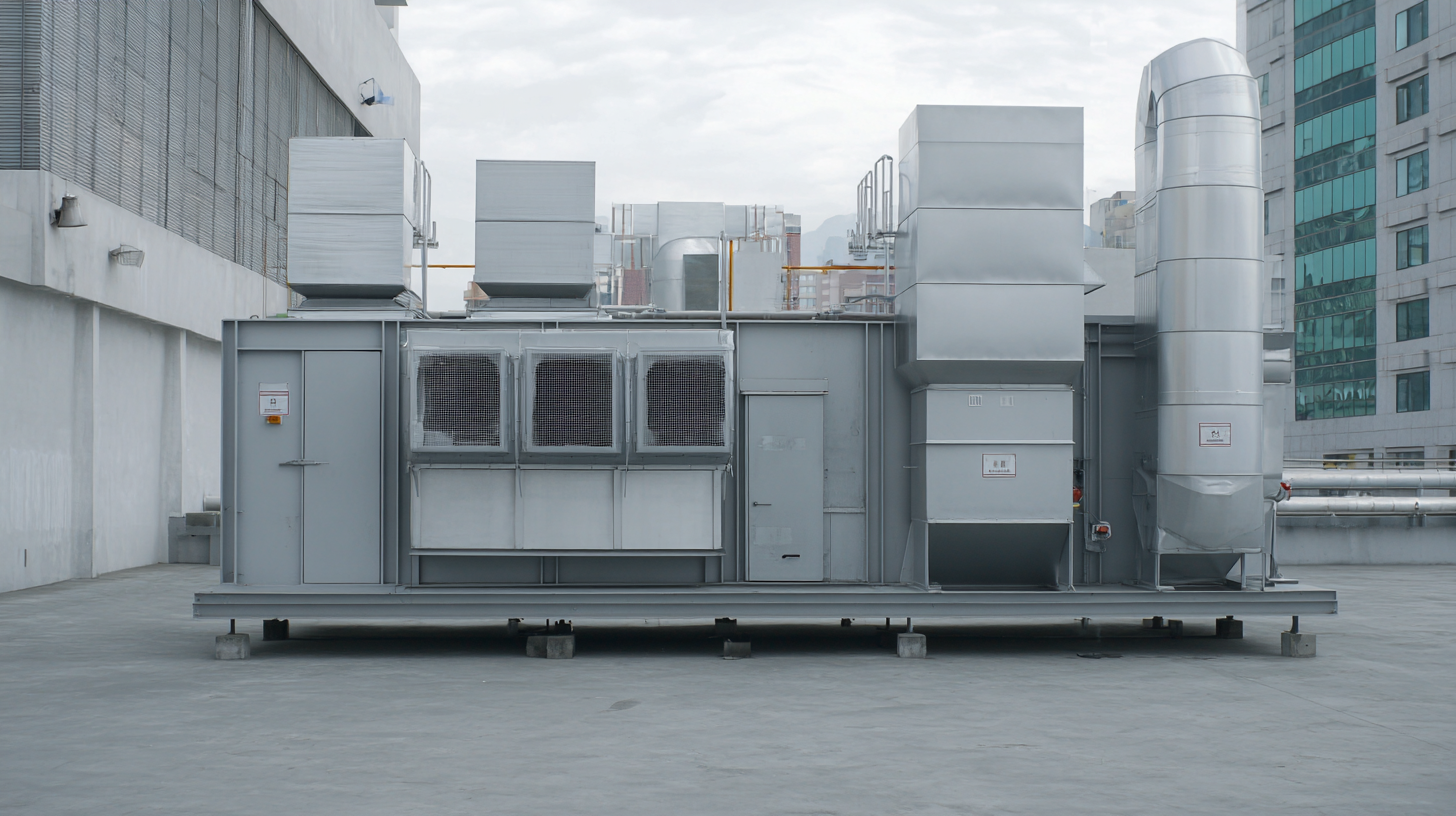
In this blog, I’ll walk you through the different kinds of air handling units out there, pointing out their unique features and where they’re best used. That way, you can make smarter choices that fit your business perfectly. Once you get a grip on what makes each unit special, you’ll be in a much better position to pick one that boosts your indoor air quality and sustainability efforts—plus, you get to benefit from Kleanland’s innovative tech along the way.
Understanding the Importance of Air Handling Units in Commercial Spaces
Air handling units, or AHUs, are pretty much the unsung heroes when it comes to keeping indoor air fresh and comfortable in commercial buildings. Lately, industry folks have really started paying more attention to how vital they are. I came across a report from Grand View Research that says the global market for these units is expected to hit around $10.55 billion by 2025. That’s a huge jump, and it makes sense — with businesses really focusing on saving energy and improving indoor air quality, AHUs are more important than ever. A good AHU helps out by balancing ventilation, Filtering out pollutants, and managing temperature and humidity — all crucial for making sure people inside are comfortable and can work better.
You know, what’s eye-opening is that indoor air can be up to five times more polluted than outside air, according to the EPA. No wonder people sometimes feel sluggish or even get sick, leading to more days off and less productivity. But here’s the thing — by choosing the right AHU with those fancy filters and humidity controls, companies can actually cut down on these risks. It’s really about creating a healthier, safer work environment for everyone, while also doing your part for sustainability goals. Investing in the right air handling unit isn’t just about ticking boxes — it’s about making your space better, safer, and more comfortable, which ultimately benefits your entire business.
Key Types of Air Handling Units and Their Unique Features
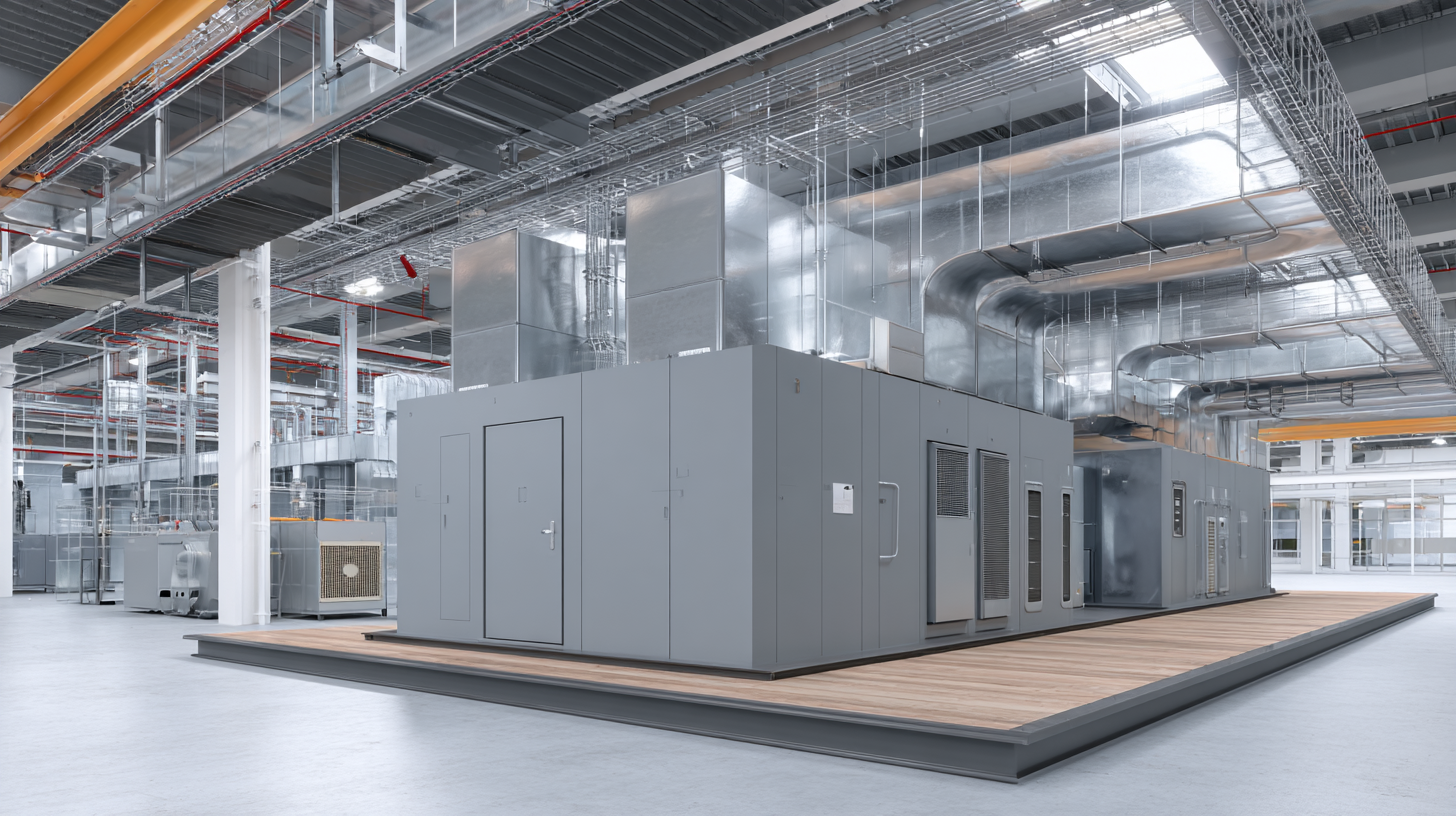
When you're picking out an air handling unit (or AHU) for your business, it's really helpful to understand the different types out there and what makes each one unique. Basically, there are four main kinds: packaged, modular, custom, and rooftop-mounted units. Each one is suited to different needs and situations. For example, packaged units are usually pretty compact and efficient—they bring all the components into one neat little package, which makes things like installation and maintenance a whole lot simpler. They're great if you want a straightforward, no-fuss solution without needing a ton of customization.
On the flip side, modular units give you more flexibility. They can be reconfigured to fit specific spaces or performance goals, making it easier to adjust as your business changes or grows. Then, there are custom AHUs, which are built specifically to meet very particular requirements. If your application is pretty unique and standard units just won't cut it, these are usually the way to go.
And don't forget about rooftop units! They're a smart choice if you're looking to save indoor space but still want good air distribution and efficiency.
All in all, when selecting the right AHU, think about things like the size you need, how energy-efficient it is, and what your specific application demands. Each type has its perks, so understanding these differences can really help you make a smarter decision that keeps everyone comfortable and your operations running smoothly.
Performance Comparison of Different Types of Air Handling Units
This chart compares the energy efficiency, maintenance requirements, and initial costs of three key types of air handling units (AHUs): Constant Air Volume (CAV), Variable Air Volume (VAV), and Energy Recovery Ventilators (ERVs).
Evaluating Energy Efficiency in Different Air Handling Unit Models
When you're choosing an air handling unit (AHU) for your business, it's really important to think about energy efficiency. Different models can eat up varying amounts of energy, and that can really add up on your bills over time. Keep an eye out for units with high EER (Energy Efficiency Ratio) or SEER (Seasonal Energy Efficiency Ratio)—these numbers are actually pretty good indicators for comparing different options. Going for an AHU that meets or surpasses industry standards isn't just good for your wallet, but also helps reduce your carbon footprint, you know?
Selecting the Right Air Handling Unit Based on Your Space Requirements
Choosing the right air handling unit (AHU) for your business? It all starts with understanding the space you're working with. The size of your building, how much air needs to be moved around, and which specific areas need temperature control will really influence what kind of AHU you should go for. For instance, a big warehouse with tall ceilings is gonna have different needs compared to a small, cozy office. It's super important to take accurate measurements of your space and figure out the airflow requirements — that way, you get something that works efficiently and saves energy in the long run.
Plus, you should consider how your building is laid out. If you’ve got multiple zones or spaces used differently, a modular AHU or one with adjustable dampers could be a real lifesaver. These options give you the flexibility to customize climate control, making sure each area stays comfortable or protected, depending on what’s needed. Basically, paying close attention to these space and layout details can help you make a smarter choice — one that boosts comfort at work and helps cut down on energy costs over time.
Maintenance Considerations for Various Air Handling Unit Types
When you're trying to pick out the best air handling unit (AHU) for your business, one thing you shouldn’t overlook is maintenance. Different types of AHUs need varying levels of upkeep, and understanding what’s involved can really impact your overall efficiency and costs. For businesses like restaurants, cafes, and hotels — which, by the way, are some of the clients we serve at Foshan Kelan Environmental Protection Co., LTD — it’s not just about how well the unit performs. You also need to think about how easy it is to keep it running smoothly in the long run. For instance, electrostatic air purification systems are pretty popular because they don’t demand much maintenance, making them perfect for busy places where clean air is a must.
On top of that, you should pick an AHU that fits your specific needs. Some units have filters that need changing pretty often, while others come with self-cleaning features that cut down on service intervals. Companies like Kleanland, who focus on environmentally friendly tech, use the latest innovations to design products that require less maintenance but still deliver top-notch air quality. Basically, by keeping these things in mind, your business can create a healthier environment for both staff and customers — leading to better performance, happier clients, and a more satisfying experience all around.
How to Choose the Best Air Handling Unit for Your Business Needs - Maintenance Considerations for Various Air Handling Unit Types
| Air Handling Unit Type | Maintenance Frequency | Common Maintenance Tasks | Typical Lifespan | Energy Efficiency Rating |
| Dedicated Outdoor Air Systems (DOAS) | Monthly | Filter replacement, Belt inspection | 15-20 years | High |
| Variable Air Volume (VAV) | Quarterly | Damper calibration, Coil cleaning | 20-25 years | Moderate |
| Packaged Air Handling Units | Annually | Fan maintenance, Lubrication | 15-20 years | Variable |
| Centralized Air Handling Units | Semi-Annual | Duct cleaning, System inspection | 20-30 years | High |
| Terminal Unit Systems | Bi-Annual | Filter checks, Valve testing | 10-15 years | Moderate |
Future Trends in Air Handling Units: Innovations to Watch For
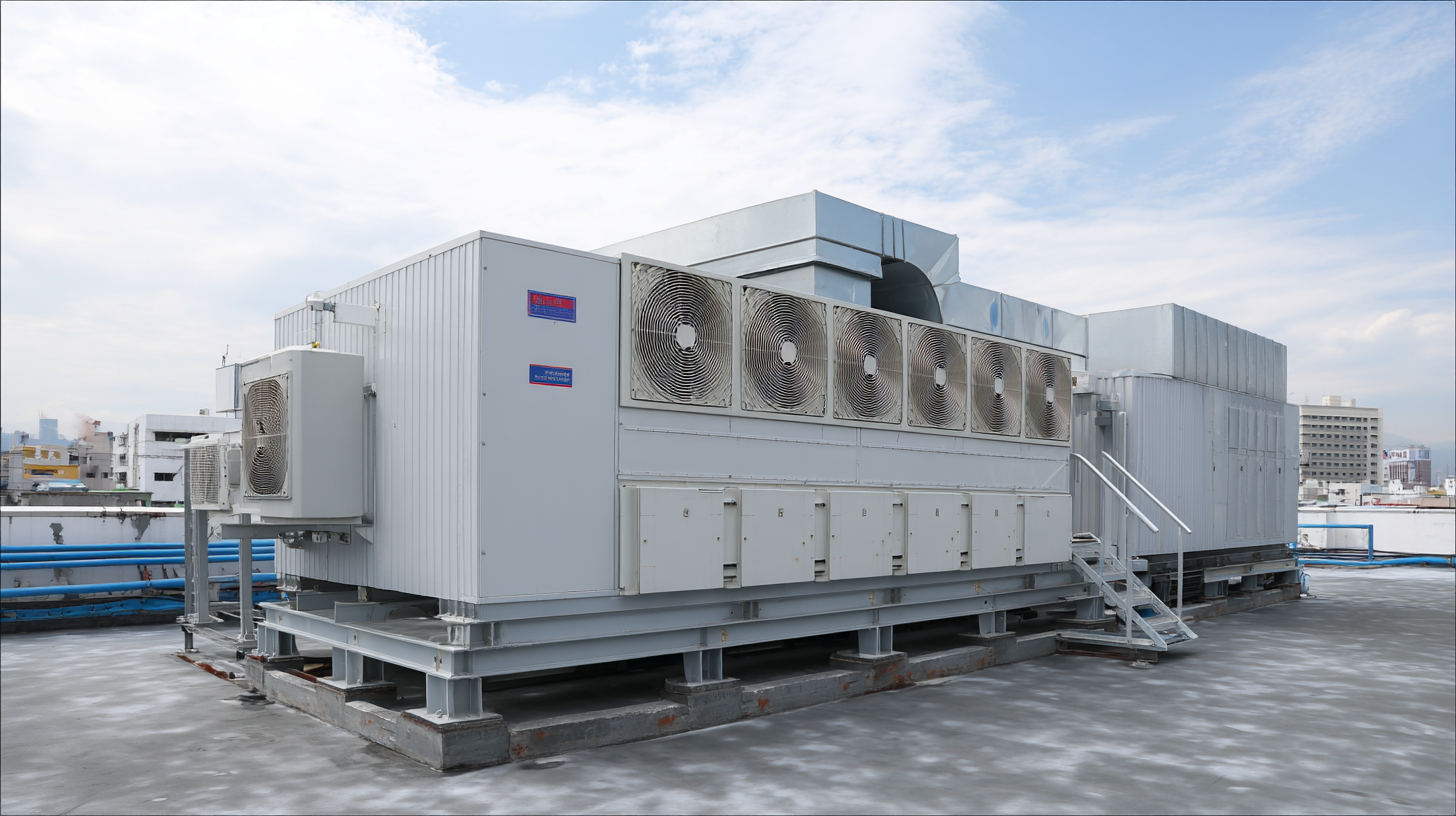 Looking ahead, the future of air handling units (or AHUs, if you wanna keep it casual) is pretty exciting. There are some cool innovations coming up that businesses should definitely keep in mind when choosing their systems. For starters, energy-efficient models are becoming a big deal — not just to save money on utilities, but also to lessen environmental impact. And a lot of these new units come packed with smart tech that lets you monitor air quality and system performance in real time. They can even automatically tweak settings based on how many people are in the space or how clean the air needs to be — pretty slick, right?
Another trend that’s gaining momentum is the move toward modular and packaged systems. Basically, these are super flexible and scalable, so if your business grows or changes, your air handling setup can easily adapt too. Plus, we’re seeing better filtration options and quieter fans making their way into these units — all about creating healthier, more comfortable indoor environments. As industries focus more on sustainability, keeping these trends in mind will help you pick the right AHU tailored to your specific needs. It’s like, stay ahead of the game, you know?

 Online Message
 Phone:+8613927702137
 E-Mail: kleanesp@kleanland.com
 Whatsapp: +8613927702137


