Picking the right Electrostatic Cell isn't just a small detail—it really matters across different industries. The thing is, understanding what you need helps you make smarter choices. There are tons of options out there, each packing its own set of features and quirks.
Electrostatic Cells can boost efficiency in a bunch of processes. They’re pretty effective when it comes to air filtration or liquid purification, for example. When you choose the right one, performance can improve a lot. But, here’s the thing—one size doesn’t fit all. Not every solution works perfectly for every situation.
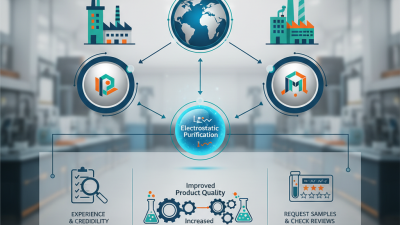
So, it’s important to think about things like capacity, voltage, and how much upkeep is involved. Don't forget to check out the manufacturer's reputation too—trustworthy companies usually stand behind their products and offer better support. Finding the right Electrostatic Cell can really simplify your operations, but it takes some careful digging and analysis. The goal? To make the Electrostatic Purification process smoother and more efficient—just keep in mind there might be some potential downsides along the way.

Understanding Electrostatic Cells and Their Applications
Electrostatic cells are essential tools in various industries. Understanding their application helps in selecting the right one for your needs. These devices use electric charges to remove pollutants from air or liquids. Their efficiency varies widely based on design and application. Some models excel in industrial settings, while others suit residential use better.
Electrostatic Smoke Purifiers effectively eliminate smoke and odors, making them popular in restaurants and homes. These purifiers work quietly, maintaining indoor air quality without disturbing your peace. However, not all electrostatic cells perform equally. Some may struggle with larger particles, while others are better for fine particulates. It's crucial to assess your specific needs when choosing a unit.
Consider factors like the size of the space, types of contaminants, and maintenance requirements. Regular cleaning is necessary to sustain performance, and neglect can reduce effectiveness. Furthermore, some models may require professional servicing, adding to long-term costs. Research and consult experts when evaluating options to find a reliable solution for your unique situation.
Key Factors to Consider in Electrostatic Cell Selection
When selecting an electrostatic cell, consider key factors that impact performance. The cell’s efficiency is often dictated by its design and materials. For instance, a study by the Electrostatic Society indicated that materials with high dielectric constants improve charge retention, ultimately enhancing overall efficiency by up to 30%. Pay attention to application specifics as well. For example, a cell optimized for Dust Collection will differ from one intended for liquid separation.
Another crucial factor is the operational environment. Electrostatic cells can perform differently under varying temperature and humidity levels. Reports show that humidity above 60% can decrease efficiency by approximately 20%. Understanding these environmental influences helps in making a more informed choice. Additionally, the size and shape of the cell should align with your spatial constraints while ensuring optimal particle flow.
It's important to reflect on your specific needs. Overestimating the capacity can lead to inefficiencies. Conversely, under-specifying may result in inadequate performance. Hence, closely evaluate your operational requirements and match them with cell specifications. Seek ongoing support from industry professionals to refine your choices.
Comparing Different Types of Electrostatic Cells
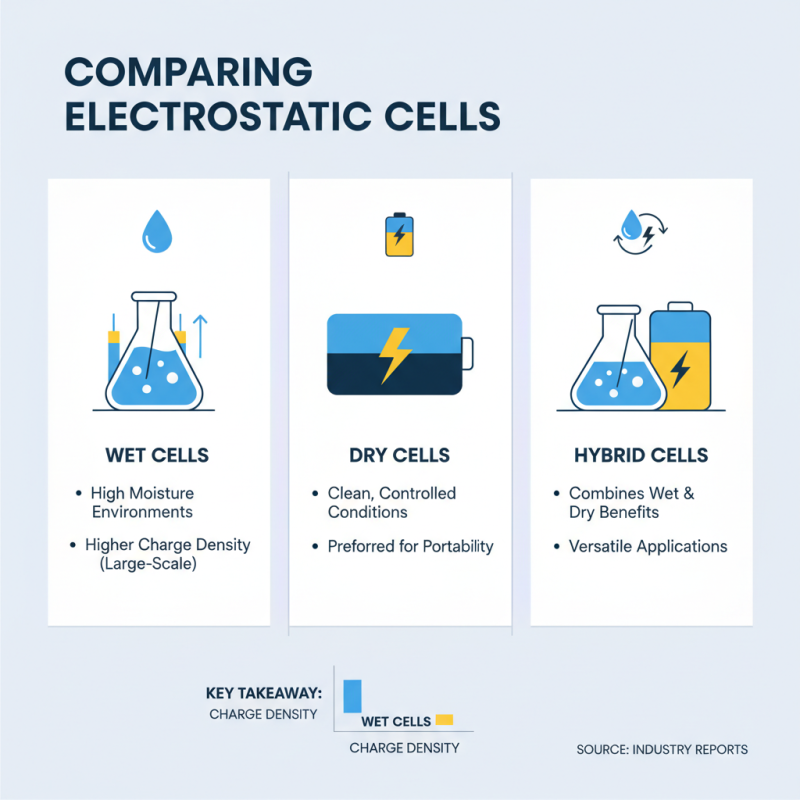
When selecting an electrostatic cell, it's vital to understand the various types available. Common categories include wet, dry, and hybrid cells. Each type serves distinct applications. Wet cells excel in environments with high moisture, while dry cells are preferred for cleaner, controlled conditions. Hybrid cells attempt to merge these benefits. According to industry reports, wet cells can achieve a higher charge density than dry cells, making them suitable for large-scale applications.
Choosing the right type hinges on the specific requirements. Consider factors like environmental conditions and desired performance characteristics. For instance, wet cells can be less efficient in low-humidity settings. While hybrid options offer flexibility, they may not achieve the same level of efficiency as their specialized counterparts. Striking a balance between performance and application suitability is key.
Tips: Assess your operational environment closely. A quick analysis could reveal that moisture levels significantly impact performance. Also, consult recent studies on charge transfer efficiency for deeper insight into how different types perform in real-world applications. Keep in mind that some cells may underperform if not matched to your operational needs.
Assessing Performance Metrics of Electrostatic Cells
When selecting an electrostatic cell, performance metrics are vital. Begin by assessing efficiency levels. This reflects how well the cell converts electrical energy into beneficial work. Examine the charge lifespan. Cells with longer charge retention often perform better in various applications.
Consider output consistency as well. Stability in performance is key for long-term reliability. Inconsistent output can lead to unexpected failures, impacting the overall project. Users must weigh their needs against these metrics for optimal results.
Don't overlook environmental factors. Cells perform differently under varying temperatures and humidity. Evaluations in real-world conditions are essential to understand performance limits. Sometimes theory and practice diverge, highlighting the need for careful testing and adjustment. A meticulous approach can uncover potential shortcomings in performance metrics.
Budget Considerations for Electrostatic Cell Purchases
When considering the purchase of an electrostatic cell, budget is a critical factor. The price range can vary widely. Understanding what you need helps you make a wise investment. You should identify your primary use cases. Is it for short-term projects or long-term applications? This can significantly impact your budget.
Tips: Consider used equipment. Sometimes, refurbished devices offer excellent performance at a fraction of the price. Researching second-hand markets can unveil hidden gems.
Quality is vital, but it often comes with a higher price tag. Assess whether the extra features justify the cost. Some cells have advanced functionalities that may not be necessary for your work. Be cautious. Overpaying for features might not be wise if they go unused.
Tips: Create a checklist of must-have features versus nice-to-haves. This helps prevent overspending. Don't forget to factor in additional costs, like maintenance or accessories. These can add up quickly. Balancing quality with your financial limits requires thorough evaluation.
Maintenance and Support for Electrostatic Cells
When it comes to electrostatic cells, proper maintenance and support are crucial for long-term performance. Regularly checking for any signs of wear is key. Monitor the condition of all components to ensure consistency in operation. Keep in mind that neglecting routine upkeep can lead to significant performance issues down the line.
Tips for maintenance: Schedule periodic inspections. Clean the electrodes to prevent buildup of debris. This can impact efficiency. Ensure that all electrical connections are secure. Loose connections can result in inconsistent performance.
Support for electrostatic cells should not be underestimated. Access to knowledgeable technicians is vital for troubleshooting. Seek support from professionals who understand the technology. Having a reliable hotline for immediate assistance can save time and reduce downtime. Invest in training for staff to ensure they are familiar with the specific systems in place.
User Reviews and Recommendations for Electrostatic Cells
When selecting the right electrostatic cell, user reviews and recommendations play a crucial role. A recent industry report indicates that around 75% of users rely on peer feedback before making a purchase. This reflects the importance of community insights in the decision-making process. Many users highlight the performance of these cells in various applications, including Air Purification and industrial processes.
Tips: Always read user reviews that focus on long-term performance. Look for mentions of durability and effectiveness over time. Real experiences provide invaluable context to product specifications.
Some users express concerns about the lack of comprehensive product support. They often struggle to find adequate assistance from manufacturers. This can lead to confusion around maintenance and optimal usage. Furthermore, interface usability is another factor that customers emphasize. Many prefer systems with intuitive controls that enhance overall efficiency.
Tips: Prioritize user-friendly models for ease of use. Check platforms for troubleshooting guides and customer service ratings before buying. Gathering a range of opinions helps narrow down choices further. Aim to select a cell backed by positive, detailed experiences from other users.
Maximizing Kitchen Safety and Efficiency: The Role of In-Duct Cooking Oil Smoke Electrostatic Precipitator Filters
In the fast-paced environment of commercial kitchens, ensuring safety while maintaining operational efficiency is paramount. The integration of electrostatic precipitator (ESP) Filters within kitchen hoods significantly enhances air quality by achieving filtration efficiencies of up to 98%. This level of efficiency is crucial for capturing cooking smoke, grease particles, and oil mist, which can pose serious health risks if not adequately managed. Research indicates that poor indoor air quality in kitchens can lead to respiratory issues and decreased employee productivity, emphasizing the necessity of effective filtration systems.
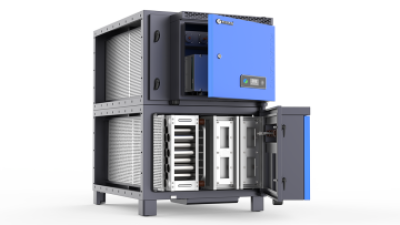
The design of ESP-equipped kitchen hoods offers a variety of configurations suitable for various kitchen layouts. With depth options of 1.1 meters (43 inches) and 1.3 meters (51 inches), and length options reaching up to 2.4 meters (94 inches), these hoods can cater to diverse kitchen sizes. The robust construction, utilizing powder-coated steel for housing and stainless steel for the ESP cells, ensures durability while facilitating easy maintenance. Additionally, built-in features like UV odor eliminators and activated carbon odor removers can further optimize kitchen environments by reducing unpleasant odors, thereby creating a more pleasant workplace.
Ultimately, adopting advanced filtration solutions like ESP filters not only contributes to a safer cooking environment but also enhances overall kitchen efficiency. With options for automated water washing or steam cleaning, maintaining these systems is straightforward, enabling kitchens to operate smoothly while adhering to health and safety standards. Investing in such technologies is not only beneficial for the well-being of kitchen staff but also plays a vital role in elevating the dining experience for customers.
FAQS
: Common types include wet, dry, and hybrid cells. Each has unique applications.
Wet cells excel in moist conditions and can achieve higher charge density.
Assess environmental conditions and performance characteristics suitable for your needs.
Hybrid cells offer flexibility but may not match specialized cells' efficiency.
Consider used or refurbished equipment for better deals without sacrificing quality.
Regular maintenance prevents performance issues and ensures long-term efficiency.
Schedule inspections, clean electrodes, and check electrical connections often.
Look for knowledgeable technicians and reliable hotlines for assistance.
Yes, training helps staff understand the technology and reduces potential errors.
Conclusion
When selecting the best electrostatic cell for your needs, it is essential to first understand their various applications and functionalities. Different types of electrostatic cells serve distinct purposes, so it's crucial to consider key factors such as size, power requirements, and operational efficiency. Performance metrics, including capture efficiency and voltage output, should also be assessed to ensure the selected unit meets your specific requirements.
Budget considerations play a significant role in the decision-making process, as prices can vary widely among models. Additionally, ongoing maintenance and support are critical elements to consider, as they impact long-term performance and reliability. Finally, consulting user reviews and recommendations can provide valuable insights and help you make an informed choice, ensuring that the electrostatic cell you choose aligns well with your operational needs and expectations.

 Online Message
 Phone:+8613927702137
 E-Mail: kleanesp@kleanland.com
 Whatsapp: +8613927702137