When smoke gets into your home, it’s not just uncomfortable — it can also be bad for your health. Picking the right Smoke Air Purifier is pretty important if you want to keep your living space clean and fresh. These gadgets can really help cut down on irritants, but choosing one isn’t always straightforward. You’ve gotta think about a few things.
First off, consider how big your room is. A tiny purifier might not cut it in a larger space. Also, check out the filtration system. Something like an Electrostatic Smoke Purifier could be a good pick since it’s got some pretty advanced capabilities for catching smoke particles. But heads up — not all models are the same. Some might not have enough power or the features you really need.
Don’t forget about maintenance. You'll want Filters that are easy to replace and models that don’t make your life harder. And think about your lifestyle — if you’re often exposed to smoke, investing in a quality purifier makes a lot of sense. Finding the right Smoke Air Purifier can really make a difference, helping you breathe easier and live healthier at home.
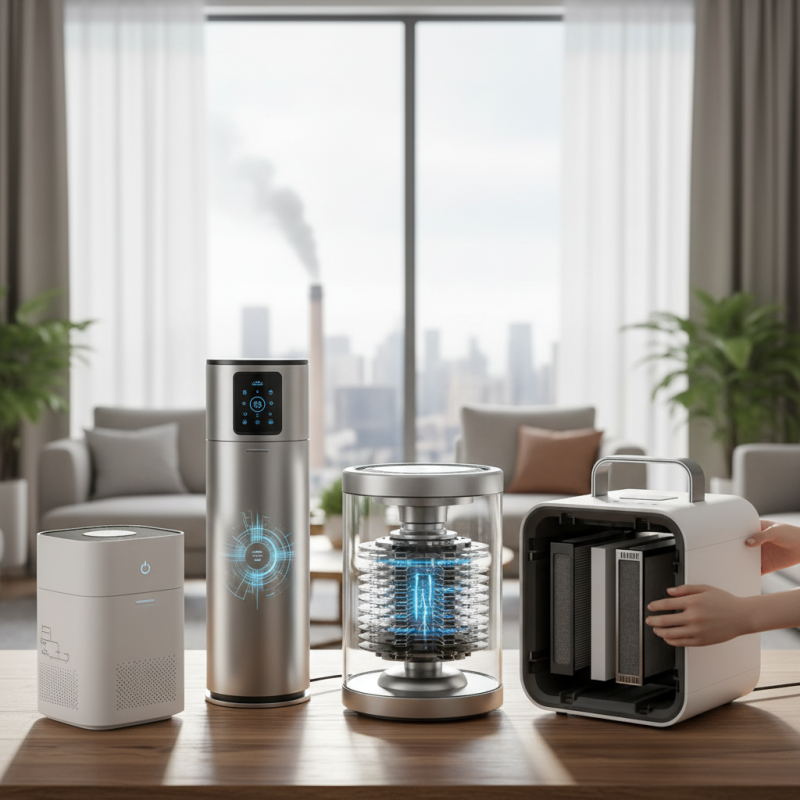
Factors to Consider When Choosing a Smoke Air Purifier
Choosing a smoke air purifier requires careful consideration of several factors. Understanding the source of smoke in your home is crucial. Whether it’s from cooking, tobacco, or outdoor pollution, each type emits different particles. Reports by the Environmental Protection Agency indicate that indoor pollution can be two to five times worse than outdoor levels. This highlights the importance of selecting a suitable filter.
When evaluating options, look for a purifier equipped with HEPA filters. These filters can capture at least 99.97% of particles that are 0.3 microns in size. If you’re dealing with smoke, consider models specifically labeled for smoke removal, such as a Carbon Smoke Purifier. This ensures effective absorption of harmful gases and odors.
Tip: Regularly replace or clean filters to maintain efficiency. Check for noise levels if you prefer a quiet environment. Another common mistake is ignoring room size. A purifier must match the room dimensions for optimal performance. Make sure to check the Clean Air Delivery Rate (CADR) to assess its effectiveness.
Evaluate your specific needs carefully. Selecting the right smoke air purifier can have a significant impact on your indoor air quality. Don’t rush the decision-making process.
Understanding Different Types of Smoke Air Purifiers
When selecting a smoke air purifier, it’s vital to understand the various types available. One common type is HEPA air purifiers. They are effective at trapping small particles, including smoke. These filters can capture 99.97% of particles sized 0.3 microns. However, not all HEPA purifiers are created equal. Some may lack additional features necessary for smoke removal.
Another option is activated carbon purifiers. They excel at absorbing odors and gases, making them ideal for smoke. This type uses activated charcoal, which has a vast surface area. The problem is they need regular replacement. If neglected, their effectiveness fades quickly.
Ultraviolet (UV) purifiers are also worth considering. They focus on killing bacteria and viruses in the air. Yet, they may not address the particulate matter from smoke effectively. It's essential to recognize that each type has its limitations. Reflecting on your specific needs can help you make an informed choice. Don't overlook the importance of a multi-faceted approach that may combine different types of filters for optimal results.
Key Features to Look for in a Smoke Air Purifier
When searching for a smoke air purifier, several key features matter. First, filtration technology is crucial. Look for HEPA filters. These can trap tiny particles from smoke. Activated Carbon Filters also play a role. They absorb odors and harmful chemicals, enhancing your Smoke Cleaning Solution.
Next, consider the purifier's room coverage. Some models are suitable for small spaces, while others work for larger areas. A unit that cannot cover your space won't be effective. Additionally, check the Clean Air Delivery Rate (CADR). This rate indicates how efficiently the purifier works. Higher numbers mean better performance in removing smoke particles.
Noise level is another factor. Some purifiers operate quietly, while others can be loud. A noisy model might disrupt your peace. Look for one with adjustable settings for flexibility. Maintenance is also essential. Filter replacement can be cumbersome, so choose a model with easy access. Balancing these features can help you make a more informed decision, ultimately leading to a cleaner and healthier environment.
Evaluating Filter Types for Smoke Removal Efficiency
When choosing a smoke air purifier, filter type plays a critical role. High-efficiency particulate air (HEPA) filters are widely recommended for smoke removal. According to a study by the EPA, HEPA filters can capture 99.97% of airborne particles. This includes smoke particles, which are typically smaller than 0.1 microns. However, not all HEPA filters are created equal. Some may not meet the required efficiency standards. Be cautious when selecting products claiming to have HEPA filtration.
Activated carbon filters are another effective option. They work by adsorbing volatile organic compounds (VOCs) and odors from smoke. A recent report by the Indoor Air Quality Association highlights that activated carbon filters can reduce smoke odor by up to 85%. However, their effectiveness diminishes over time, and they require regular replacement. It's crucial to consider how often you can change these filters.
Lastly, keep in mind that some purifiers combine multiple types of filters. This can enhance their smoke removal capabilities. A study showed that purifiers with both HEPA and activated carbon filters performed significantly better than those with only one type. Nonetheless, higher efficiency often comes at a higher cost. Evaluate your home’s needs and your budget carefully.
Comparative Analysis of Smoke Air Purifier Filter Types
This chart illustrates the efficiency of different filter types in smoke removal. The data compares HEPA filters, Activated Carbon filters, and Pre-filters based on their percentage effectiveness in eliminating smoke particles from the air.
Noise Levels and Energy Consumption of Air Purifiers
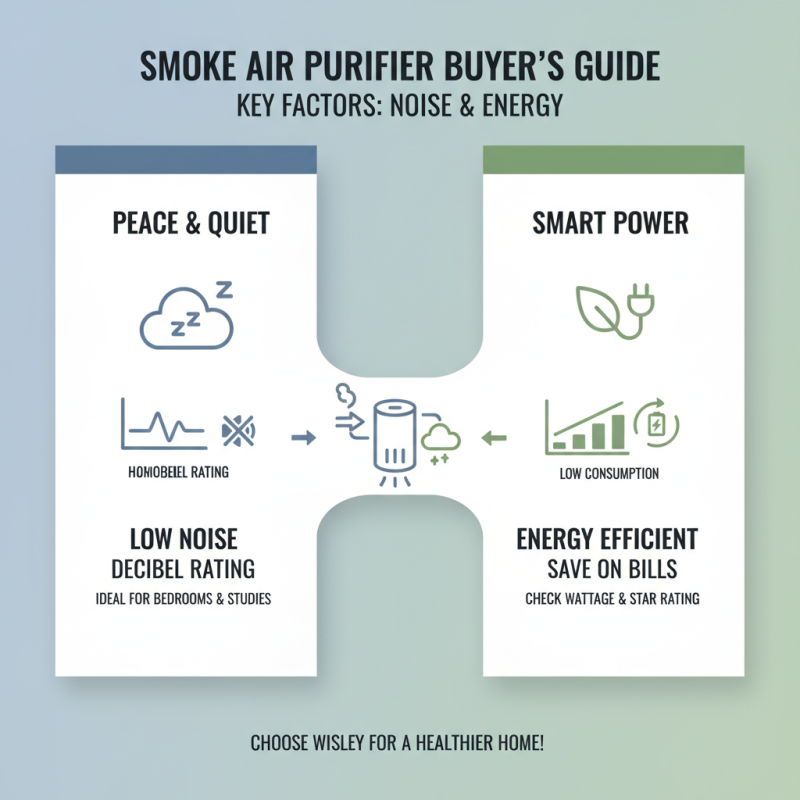
When selecting a smoke air purifier, noise levels and energy consumption are crucial factors. Many purifiers emit sounds during operation. This can be a distraction, especially if you plan to use one in a bedroom or study. Some models operate quietly, while others produce noticeable noise. It's essential to check the decibel ratings before purchasing. A quieter model may be worth the investment if you value a peaceful environment.
Energy consumption is another significant concern. Different purifiers use varying amounts of electricity. Look for the energy efficiency rating. Some purifiers run continuously, while others have multiple speed settings. A model that automatically adjusts its speed can save energy when air quality is acceptable. This adaptability reduces unnecessary energy usage, making it a better choice for eco-conscious users.
A poorly designed air purifier can be a costly mistake. If a unit is noisy but effective, it may disrupt your routine. Conversely, a whisper-quiet model that consumes too much energy will inflate your bills. Finding the right balance is not always straightforward. It requires researching and balancing your specific needs. Consider these factors carefully to make an informed decision.
Maintenance and Replacement Considerations for Air Purifiers
When selecting a smoke air purifier, maintenance is key to ensure optimal performance. Regular cleaning of filters significantly impacts the device's efficiency. According to the Environmental Protection Agency (EPA), neglecting filter maintenance can reduce a purifier's effectiveness by up to 50%. Changing filters every 3 to 6 months is advisable, especially for units used in high smoke areas.
Air purifiers also need a check-up on other components. Some models feature activated carbon filters for Smoke Elimination. These filters degrade over time and need replacement more frequently. A recent study highlighted that users often forget these aspects, leading to subpar air quality. It's essential to adhere to the manufacturer's guidelines for maintenance.
Additionally, consider the space and usage of your air purifier. Larger spaces can strain the unit, requiring more frequent maintenance. A report from the American Society of Heating, Refrigerating and Air-Conditioning Engineers indicates that oversizing a purifier can lead to inefficiency. The delicate balance between filter life and air quality must be maintained for effective smoke elimination.
Comparing Prices and Brands for Best Value Options
When exploring air purifiers, understanding prices and brands is essential. A recent industry report highlights that the average cost for effective air purifiers ranges from $100 to $600. Most consumers want value for their money. A good number of options exist within a similar price bracket. Brands often promise high efficiency, but the reality can differ.
Many people overlook essential features. For instance, HEPA filters and a Smoke Hood Filter are crucial for tobacco and airborne particle removal. Yet, purifiers that incorporate these features can vary in price. Some brands offer inferior filters at a lower cost. This may entice budget-conscious shoppers, but it might not provide the necessary air quality. Reviews can be deceiving, too. A device might seem effective based on ratings, but always check the specifications.
A significant number of users report issues with noise or maintenance. Not all devices perform well through years of usage. Pricing does not always correlate with longevity or efficiency. It’s disappointing when a more expensive model doesn't deliver the expected results. Research and compare before investing. Your home deserves better air quality, and the right choice makes all the difference.
Innovative Solutions for Kitchen Air Quality: The Role of In-Duct Cooking Oil Smoke Electrostatic Precipitator Filters
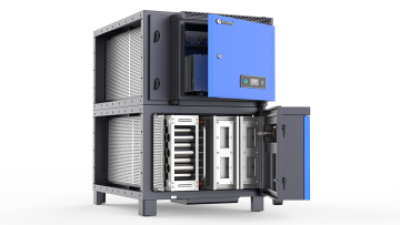
In today's commercial kitchens, maintaining air quality is crucial for both health and operational efficiency. One innovative solution that addresses this concern is the electrostatic precipitator (ESP) filter integrated within kitchen hoods. These systems offer an impressive filtration efficiency of up to 98%, effectively capturing cooking smoke, grease particles, and oil mist, which are common byproducts of culinary activities.
Designed with versatility in mind, these hoods are available in various lengths, including 1.6 meters, 2 meters, and 2.4 meters, along with a standard depth of 1.1 meters. Constructed from durable powder-coated steel and featuring stainless steel ESP cells, these installations promise longevity and reliability. Additionally, operators can enhance air quality further with built-in options such as UV odor eliminators or activated carbon filters, which effectively neutralize unpleasant odors emitted during cooking. The maintenance of these systems is simplified through automotive water or steam wash options, ensuring optimal performance and cleanliness over time.
By incorporating such advanced filtration systems, commercial kitchens not only improve the air quality but also create a safer and more inviting environment for both staff and patrons. As restaurants and food services continue to prioritize health and wellness, the role of innovative solutions like ESP filters becomes increasingly significant.
FAQS
: Try searching using different keywords or categories. Sometimes, items are listed under unexpected names.
You should receive a tracking link via email. Check your spam folder if you don't see it.
Items can usually be returned within a specific time frame. Check the details of the return process carefully.
Contact customer service as soon as possible. Once an order is processed, changes may be difficult.
Availability varies. Some times, you might encounter delays in response. Patience is key here.
Yes, feedback is essential for improvement. Take a moment to share your thoughts, even if they’re critical.
Conclusion
Choosing the best smoke air purifier for your home involves several key factors. First, it's essential to understand the different types of smoke air purifiers available, as each type offers varying degrees of effectiveness against smoke particles. Key features to look for include the efficiency of their filtration systems, especially the types of filters used, which significantly influence their smoke removal capabilities. Noise levels and energy consumption are also important considerations, as a purifier that operates quietly and efficiently can enhance your living environment without increasing your energy bills.
Maintenance and replacement of filters play a crucial role in ensuring the long-term efficiency of your smoke air purifier. Regular upkeep not only ensures optimal performance but also helps maintain air quality. Finally, comparing prices and brands can help you find the best value options that meet your specific needs, ensuring that you choose a smoke air purifier that is both effective and suitable for your home environment.

 Online Message
 Phone:+8613927702137
 E-Mail: kleanesp@kleanland.com
 Whatsapp: +8613927702137