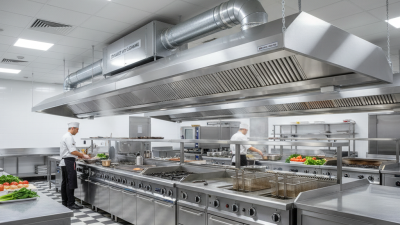
Picking out the right commercial kitchen hood isn't just a minor detail — it's actually pretty critical for any restaurant or food biz. Like John Smith, a well-known pro in kitchen ventilation from Kitchen Innovations, puts it: “The right hood not only boosts safety but also makes cooking a lot more comfortable.” His points really drive home how key proper equipment is, both for keeping things compliant and for making the kitchen a nicer place to work.
Now, a commercial kitchen hood isn’t just about clearing out smoke and grease. It’s also essential for keeping the air quality good and preventing fires. Every kitchen’s pretty unique — based on what you serve and how you cook — so choosing the perfect hood can feel a bit overwhelming. Plus, there are a few surprises that might come into play, like your kitchen’s layout or local rules.
One common mistake folks make is overlooking just how important the hood actually is. A lot of owners focus more on how it looks, but honestly, a sturdy, reliable hood can be a total game-changer in keeping your kitchen running smoothly. Putting good money into quality ventilation isn’t just about today — it’s an investment in your future success. Keep these things in mind, and it’ll help you sort through what’s actually important when making this decision.
Understanding the Importance of Kitchen Hoods in Commercial Spaces
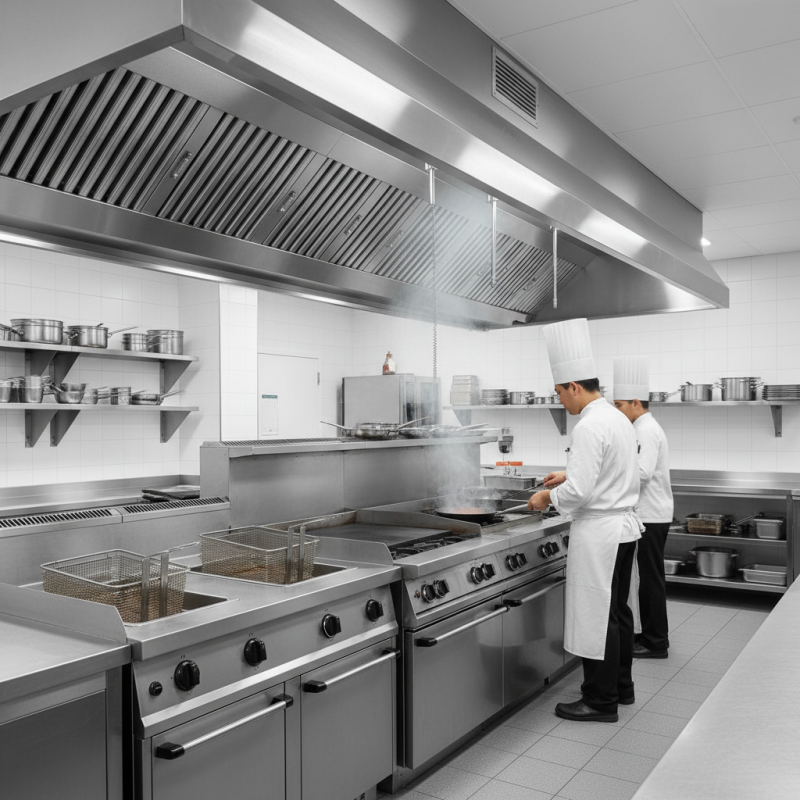
In commercial spaces, kitchen hoods play a vital role in maintaining a safe and efficient environment. Proper ventilation prevents the accumulation of smoke, steam, and grease. According to the National Fire Protection Association, cooking equipment is responsible for about 49% of restaurant fires. This statistic underscores the need for effective kitchen hoods, which enhance both safety and air quality.
When choosing a kitchen hood, consider factors like size and type. A hood that is too small may not adequately capture smoke or odors. Research shows that well-designed kitchen ventilation can reduce indoor air pollutants by up to 90%. For businesses like a Coffee Roaster Commercial, this is crucial. A proper hood can protect equipment and improve the final product's quality.
Tip: Assess your kitchen layout before selecting a hood. An Exhaust System that fits your space will maximize efficiency. Additionally, install automated controls for better performance and energy savings. Regular maintenance is crucial; dirty filters can hinder airflow. Investing in quality ventilation now can lead to long-term savings and compliance with health regulations. Always prioritize reliable suppliers for your kitchen needs.
Identifying Different Types of Commercial Kitchen Hoods Available
When selecting a commercial kitchen hood, it's crucial to understand the various types available. The main categories include canopy hoods, wall-mounted hoods, and island hoods. Canopy hoods are commonly found above cooking equipment. They are efficient and help manage smoke and heat. Wall-mounted hoods are installed against a wall, while island hoods hang from the ceiling, allowing for a more open kitchen layout.
According to the Foodservice Equipment Reports, around 30% of kitchen emissions contribute to poor indoor air quality. Choosing the right hood type can significantly reduce these emissions. Proper ventilation systems can improve air quality by 50%, leading to a healthier environment for staff. Additionally, consider the hood’s airflow capacity measured in CFM (Cubic Feet per Minute). A hood with a higher CFM rating can effectively handle more heat and grease, thus enhancing performance.
Yet, many businesses overlook the noise levels produced by hoods. The quieter the operation, the better the working environment. Balancing efficiency and noise reflects a thoughtful choice. An excellent hood should also be easy to clean. Regular maintenance is vital, as build-up can affect both performance and safety. Reflecting on these details can guide you to a decision that optimally benefits your kitchen.
Evaluating Your Business's Cooking Style and Needs
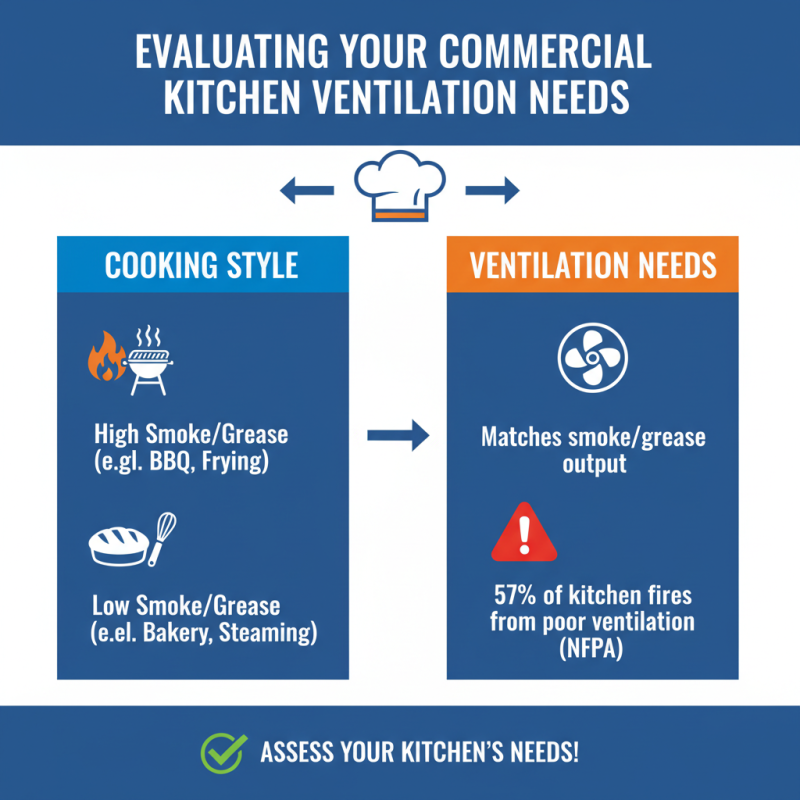
When selecting the right commercial kitchen hood, understanding your cooking style is essential. Different cuisines generate varying levels of smoke, grease, and odors. For instance, a barbecue restaurant produces more smoke compared to a bakery. According to the National Fire Protection Association (NFPA), 57% of commercial kitchens experience fire incidents due to poor ventilation. Thus, assessing your kitchen’s needs is vital.
Consider the type of cooking equipment you'll use. High-temperature fryers and griddles need more robust ventilation compared to lower-temperature appliances. The American Society of Heating, Refrigerating and Air-Conditioning Engineers (ASHRAE) recommends specific airflow rates for different cooking methods. For example, they suggest a minimum of 150 CFM per linear foot for deep fryers. This data aids in making informed decisions about the hood's capacity.
Also, think about your layout. A spacious kitchen may require multiple hoods to ensure proper ventilation. Installation of a Kitchen Air Cleaner can enhance air quality further. Many kitchens struggle with lingering odors despite proper hoods. Regular maintenance is crucial. If filters aren't replaced timely, efficiency decreases. This leads to a need for reassessment. A well-ventilated kitchen isn’t just about comfort; it’s about safety and compliance with health regulations.
Assessing Kitchen Size and Layout for Optimal Hood Placement
When assessing your kitchen size and layout for a commercial kitchen hood, start by measuring the space. Accurate dimensions help determine the appropriate hood size. Consider the height of your ceiling. A tall ceiling may require a larger hood to ensure proper ventilation.
Next, evaluate the arrangement of your kitchen equipment. Position your cooking appliances close to the hood for optimal fume extraction. Think about workflow and movement. If staff frequently navigate around the hood, it may cause congestion. A well-placed Kitchen Fume Extractor will minimize this issue, promoting a more efficient workspace.
Don’t overlook the type of cuisine served. Grilling, frying, and heavy cooking produce more fumes. Thus, the hood must be strategically placed to capture these contaminants. You may find that initial placements do not always yield perfect results. Reflect on any areas where smoke lingers or where staff complain about air quality. Adjustments can lead to significant improvements in both safety and comfort.
Local Regulations and Safety Standards for Kitchen Ventilation
When selecting a commercial kitchen hood, understanding local regulations is crucial. Many areas have strict ventilation laws aimed at ensuring safety in food preparation spaces. The National Fire Protection Association (NFPA) outlines key guidelines, suggesting that kitchen hoods must meet specific standards based on cooking appliances used. Failure to comply can result in fines or operational shutdowns.
Regular maintenance of your ventilation system is vital. A well-functioning kitchen hood minimizes fire risks and improves air quality. Consider scheduling frequent inspections. It’s also wise to invest in a reliable Kitchen Fume Cleaner. This ensures grease does not accumulate, which can compromise safety and efficiency.
Keep in mind that codes can vary significantly by location. Stay informed about local updates to ensure compliance. Consulting with a local expert can help navigate these requirements. Building a strong relationship with your ventilation contractor will make this process smoother. It may take more effort, but ensuring compliance protects both your staff and business longevity.
Commercial Kitchen Hood Types and Their Effectiveness
Considering Energy Efficiency and Operational Costs
When selecting a commercial kitchen hood, energy efficiency plays a crucial role in operational costs. A well-designed hood can significantly reduce energy consumption. Look for models with efficient fans and LED lighting. These features not only cut energy bills but also enhance your workspace.
Operational costs extend beyond just energy usage. Maintenance can be a substantial expense for commercial kitchens. Consider how easy it is to clean and maintain the hood. Hoods that require less frequent cleaning save both time and money. Regular maintenance schedules can prevent costly repairs.
It's also important to reflect on your cooking volume. High-volume kitchens may require more robust hoods, which can increase energy usage. Evaluate your specific needs to avoid overspending on unnecessary features. Making informed decisions will lead to a more efficient and cost-effective kitchen setup.
How to Choose the Right Commercial Kitchen Hood for Your Business? - Considering Energy Efficiency and Operational Costs
| Hood Type | Energy Efficiency Rating | Average Operational Cost (per month) | CFM (Cubic Feet per Minute) | Noise Level (dB) |
| Type I Hood | High | $200 | 1200 CFM | 70 dB |
| Type II Hood | Medium | $150 | 800 CFM | 65 dB |
| Wall Mounted Hood | Low | $100 | 600 CFM | 60 dB |
| Island Hood | High | $250 | 1500 CFM | 75 dB |
Maintenance and Cleaning Requirements for Commercial Kitchen Hoods
Maintaining a clean and efficient commercial kitchen hood is essential for any food service business. A well-maintained hood system enhances air quality and helps in compliance with safety regulations. According to the Hearth, Patio & Barbecue Association, 80% of kitchen fires are attributed to grease buildup. Therefore, regular cleaning is not just a good idea; it's a necessity.
Cleaning requirements depend on the type of cooking performed. For heavy grease usage, a monthly inspection is recommended. In contrast, establishments with lighter cooking may only need quarterly cleaning. The National Fire Protection Association (NFPA) guidelines suggest that kitchen hoods must be cleaned when the buildup exceeds 1/8 inch. This frequency ensures both safety and efficiency. Additionally, hiring a certified cleaning service provides the expertise needed for deep cleaning.
In real-world scenarios, many kitchen managers overlook duct cleaning. This can lead to increased fire hazards and operational inefficiencies. Failing to keep a proper cleaning schedule may result in costly fines or closure by health inspectors. Regular maintenance can also extend the lifespan of the hood, saving money in the long run. Balancing cleanliness and operational demands is often a challenge that needs addressing.
Maximizing Kitchen Air Quality: Insights from Recent Studies on Filtration Efficiency in Hoods with Electrostatic Precipitators
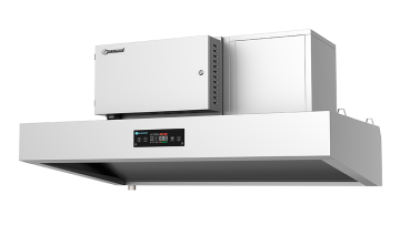
In modern commercial kitchens, maintaining optimal air quality is essential for both health and operational efficiency. Recent studies have shed light on the effectiveness of filtration efficiency in hoods equipped with electrostatic precipitators (ESPs). These advanced systems are designed to capture smoke and airborne particulate matter with remarkable efficiency, boasting particulate filtration rates of up to 98.5%, even for submicron particles. This high level of filtration is crucial for minimizing air pollutants, which can negatively impact the health of kitchen staff and customers alike.
One of the notable features of modern electrostatic precipitators is their modular design, allowing for flexibility in installation and maintenance. These Pollution Control devices utilize state-of-the-art high voltage power supplies in combination with stainless steel ESP filtration cells to optimize performance. An optional auto steam wash system takes convenience a step further, ensuring that the precipitator remains clean and effective without the need for manual washing for up to a year. This not only saves time and labor costs but also ensures consistent air quality for a safer and more pleasant kitchen environment.
FAQS
: Local regulations ensure safety in food preparation spaces. Non-compliance can lead to fines or operational shutdowns.
Regular maintenance reduces fire risks and enhances air quality. Inspections can help catch issues early.
A kitchen fume cleaner prevents grease accumulation. This practice improves safety and operational efficiency.
Check for local updates on regulations. Consulting a local expert can provide clarity on compliance requirements.
Look for efficient fans and LED lighting. These features lower energy bills and improve workspace functionality.
Maintenance costs can add up. Choosing hoods that are easy to clean may save you time and money.
High-volume kitchens may need more robust hoods. It's key to balance power needs with energy efficiency.
Yes, neglected maintenance can lead to costly repairs and reduced efficiency. Regular care is essential.
A reliable contractor can guide you through local regulations. A good relationship makes compliance easier.
Improved lighting and ventilation can create a more pleasant working environment. Efficiency often boosts employee morale.
Conclusion
Choosing the right commercial kitchen hood is crucial for the efficiency and safety of any food service operation. Understanding the importance of kitchen hoods is the first step, as they play a vital role in ventilating kitchen spaces and ensuring a safe working environment. Different types of commercial kitchen hoods cater to various cooking styles, so it's essential to evaluate your specific needs based on the types of food prepared.
Furthermore, assessing the kitchen size and layout helps determine the optimal placement of the hood for maximum effectiveness. Staying compliant with local regulations and safety standards is equally important, as it ensures that your kitchen adheres to necessary codes for ventilation. Additionally, considering energy efficiency and operational costs can lead to better long-term savings. Finally, regular maintenance and cleaning of the commercial kitchen hood are vital to keeping it functioning properly and extending its lifespan.

 Online Message
 Phone:+8613927702137
 E-Mail: kleanesp@kleanland.com
 Whatsapp: +8613927702137