Leave Your Message
0%

Keeping your diesel engine running smoothly and efficiently really matters if you want top performance. And one thing that often gets overlooked but is super important is the Particulate Filter. It’s actually a key player in cutting down emissions and making sure your vehicle ticks all those environmental boxes. If you keep the filter clean and well-maintained, it’ll work better and last longer—saving you a bunch of hassle and cash down the line.

In this guide, I’ll walk you through some simple but effective tips for cleaning and taking care of your diesel Particulate Filter. We’ll look at common problems, share best practices, and help you understand how the filter actually works. Once you get the hang of it, you’ll be able to stay ahead of issues, keep your engine in great shape, and do your part for a cleaner planet. Stick to these tips, and your diesel engine will thank you—performing great and helping protect the environment at the same time.
How to Clean and Maintain Your Diesel Particulate Filter for Optimal Performance

Understanding Diesel Particulate Filters and Their Importance

How to Clean and Maintain Your Diesel Particulate Filter for Optimal Performance

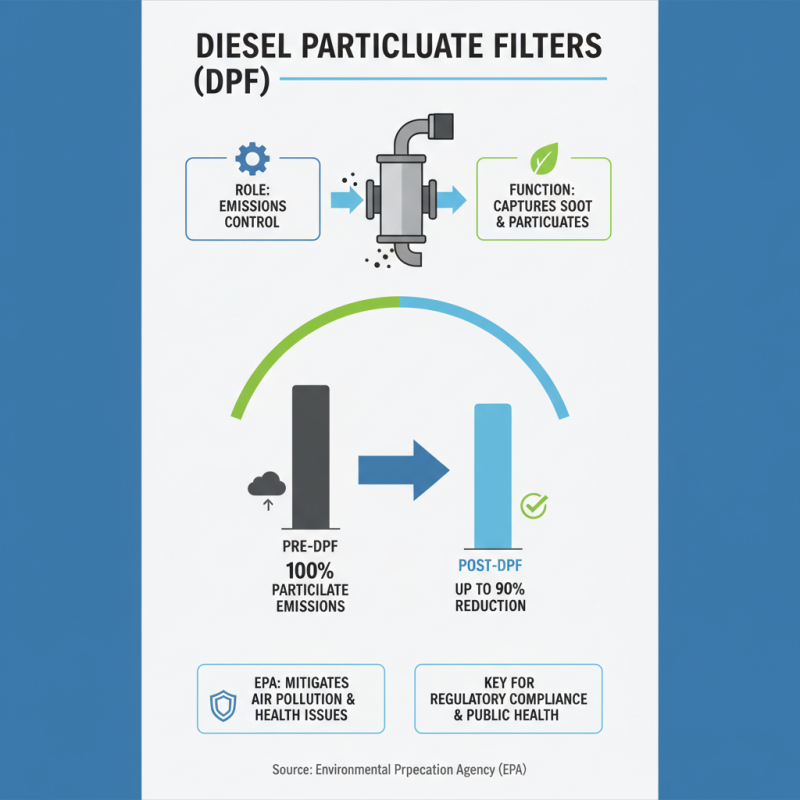
Diesel Particulate Filters (DPFs) play a crucial role in controlling emissions from diesel engines by capturing and storing harmful soot and particulate matter. According to the Environmental Protection Agency (EPA), diesel engines are responsible for a significant percentage of particulate emissions, which can contribute to air pollution and health issues. The DPF helps mitigate these effects by filtering out particulates, thereby reducing environmental impact. It's estimated that effective DPFs can reduce soot emissions by up to 90%, highlighting their importance in meeting regulatory standards and protecting public health.

Understanding the operational principles of DPFs is essential for maximizing their performance. DPFs function through a process called regeneration, where accumulated soot is burned off at high temperatures. This process can be passive or active, depending on various factors, including engine load and temperature. A report from the International Council on Clean Transportation (ICCT) emphasizes that regular maintenance and timely cleaning of the DPF not only extend its lifespan but also optimize fuel efficiency. Neglecting DPFs can lead to increased fuel consumption and accelerated wear on the engine, ultimately resulting in costly repairs. Regular monitoring and maintenance practices, such as cleaning and inspection, are vital for ensuring that DPFs function effectively and meet the stringent emissions standards set forth by regulatory agencies.

Common Issues Affecting Diesel Particulate Filter Performance

The performance of a diesel particulate filter (DPF) can be significantly hindered by several common issues that vehicle owners need to be aware of. One of the primary problems is excessive soot accumulation. This typically occurs when the engine is not running at optimal conditions, leading to incomplete combustion. Low operating temperatures can exacerbate this issue, resulting in more frequent and severe clogging of the DPF. Regularly monitoring engine temperatures and ensuring it operates within the ideal range can help mitigate soot buildup.

Another issue affecting DPF performance is the presence of contaminants. These can originate from various sources, including fuel quality and engine oil degradation. Contaminants can lead to unwanted chemical reactions within the filter, causing damage and reducing its efficiency over time. Additionally, frequent short trips that do not allow the DPF to reach its proper operating temperature can prevent the necessary regeneration process from occurring, ultimately leading to reduced performance and potential filter failure.

Addressing these common issues through diligent maintenance practices can significantly enhance the longevity and effectiveness of a diesel particulate filter.

Step-by-Step Guide to Inspecting Your Diesel Particulate Filter

When it comes to maintaining a diesel particulate filter (DPF), regular inspection is key to ensuring optimal performance and extending the lifespan of your engine. The first step in inspecting your DPF is to visually check for any signs of damage or excessive soot buildup. According to the Diesel Technology Forum, approximately 80% of DPF failures can be attributed to a lack of proper maintenance. This statistic highlights the importance of incorporating routine checks into your vehicle maintenance schedule.

Next, use diagnostic tools to assess the pressure differentials across the DPF. A significant increase in backpressure can indicate that the filter is clogged and may require cleaning or replacement. Research shows that maintaining a pressure differential below 15 inches of water column is crucial for fuel efficiency and engine performance. Regularly monitoring this data not only helps prevent costly repairs but also ensures compliance with emission standards.

Tips: To simplify your inspection process, consider keeping a log of your DPF checks, including any maintenance or cleaning performed. This practice allows you to track changes over time and identify patterns that may indicate emerging issues. Additionally, always consult your vehicle’s manual for specific maintenance intervals and recommended inspection practices to ensure you’re adhering to best practices in DPF care.

How to Clean and Maintain Your Diesel Particulate Filter for Optimal Performance - Step-by-Step Guide to Inspecting Your Diesel Particulate Filter

Step Action Frequency Tools Needed Notes
1 Visual Inspection Monthly Flashlight Check for any visible cracks or damage.
2 Remove DPF As Needed Socket Set Ensure the engine is cool before removal.
3 Cleaning Every 20,000 miles DPF Cleaning Solution, Gloves Follow the manufacturer's instructions for cleaning.
4 Reinstall DPF As Needed Socket Set Check all connections are tight to prevent leaks.
5 Engine Diagnostics After Maintenance OBD II Scanner Ensure there are no error codes related to the DPF.

Effective Cleaning Methods for Diesel Particulate Filters

Cleaning and maintaining your diesel particulate filter (DPF) is crucial for ensuring optimal performance of your diesel engine. A study from the Society of Automotive Engineers (SAE) indicates that regular cleaning can enhance DPF efficiency by up to 50%, thereby reducing harmful emissions significantly. Among various cleaning methods, thermal and chemical cleaning are the most effective. Thermal cleaning utilizes high temperatures to burn off soot and particulates, while chemical cleaning involves using specific solutions to dissolve contaminants. Both methods should be performed periodically based on the manufacturer's recommendations and vehicle usage.

Tips: Regularly monitor your vehicle’s DPF pressure sensors. If there's an increase in back pressure, it may indicate a clogged filter that requires immediate attention through a cleaning process. Additionally, consider performing a passive regeneration while driving at highway speeds to burn off accumulated soot naturally.

Another important method is the use of additives designed to enhance the regeneration process. According to a report by the International Council on Clean Transportation, these additives can help lower the filter's soot levels and maintain overall engine performance. Moreover, keeping your engine in good condition, through timely oil changes and maintenance, can reduce the buildup of particulates in the DPF, ensuring it operates optimally over time. Regular cleaning and maintenance not only prolong the life of the DPF but also contribute to better fuel efficiency and lower emissions.

Maintaining Your Diesel Particulate Filter: Best Practices

Maintaining your diesel particulate filter (DPF) in optimal condition is crucial for the performance and longevity of your diesel engine. A well-kept DPF improves fuel efficiency and reduces harmful emissions, allowing your vehicle to run smoothly. Regular inspections and cleanings should be part of your maintenance routine to prevent excessive soot buildup.

**Tips:** One essential practice is to drive at highway speeds periodically. This enables the engine to reach its optimal temperature, facilitating the regeneration of the DPF, which burns off accumulated soot. Additionally, always use high-quality fuel and consider adding a fuel additive designed for diesel engines to further enhance combustion efficiency and minimize residue.

When it comes to cleaning your DPF, consider utilizing professional services that specialize in DPF cleaning. They employ methods like ultrasonic cleaning or thermal regeneration, which can more effectively remove stubborn carbon deposits than standard driving conditions. Always consult your vehicle’s manual for specific recommendations on maintenance intervals and cleaning methods suited for your DPF system, ensuring it operates at peak efficiency.

Signs Your Diesel Particulate Filter Needs Attention

How to Clean and Maintain Your Diesel Particulate Filter for Optimal Performance

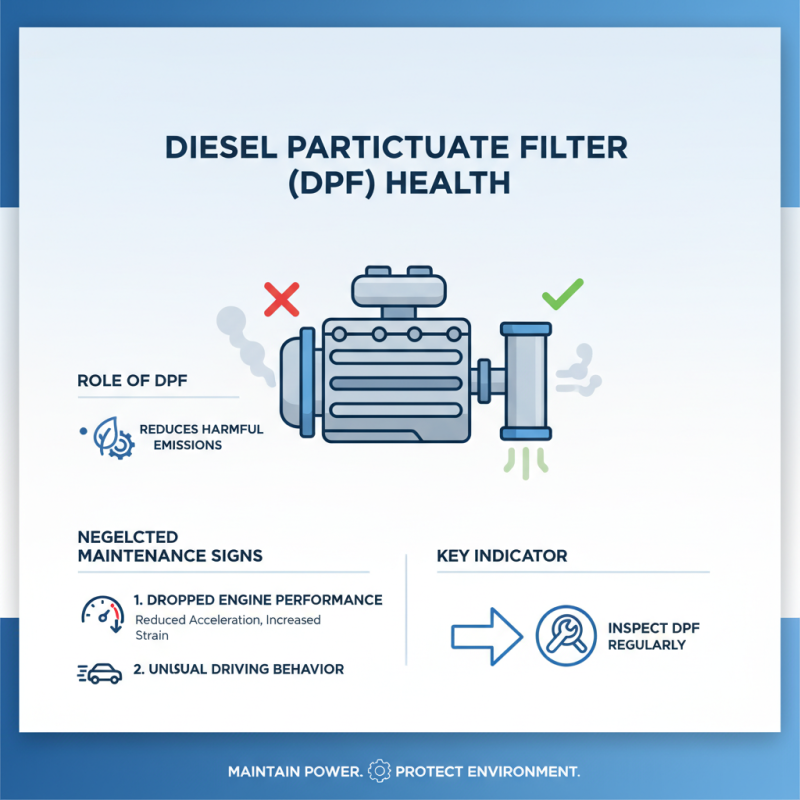
A diesel particulate filter (DPF) plays a crucial role in reducing harmful emissions from diesel engines, but neglecting its maintenance can lead to performance issues. Several signs indicate that your DPF may need attention. One key indicator is a drop in engine performance, which might manifest as reduced acceleration or increased engine strain. If you notice that your vehicle is struggling to maintain power or is experiencing unusual changes in driving behavior, it’s essential to inspect the DPF.

Another symptom to watch for is the illumination of the dashboard warning light specifically for the DPF or exhaust system. This warning can serve as an early alert that the filter is clogged or malfunctioning. Additionally, unusual smells or excessive Exhaust Smoke can indicate that the DPF is not functioning correctly, leading to an increase in emissions. Regularly monitoring these signs not only helps keep your vehicle performing optimally but also contributes to a cleaner environment. If you observe any of these symptoms, it's advisable to take your vehicle to a professional for a thorough check and necessary maintenance.

Preventative Measures to Extend the Life of Your Diesel Particulate Filter

Maintaining the efficiency of your diesel particulate filter (DPF) is essential for optimal performance and longevity. Implementing preventative measures can significantly extend the life of your DPF, ensuring that your vehicle runs smoothly while minimizing costly repairs. Regular maintenance practices play a crucial role in keeping your filter in good condition, and simple habits can make a substantial difference.

One effective tip is to monitor your driving patterns. Frequent short trips can lead to incomplete regeneration cycles in the DPF, causing soot accumulation. Whenever possible, include longer drives in your routine, allowing the engine to reach its optimal temperature and facilitate proper filter regeneration. Additionally, make use of high-quality diesel fuel to reduce impurities that could clog the DPF.

Another useful practice is to schedule regular inspections of your exhaust system. This can help identify potential issues early on, preventing more significant problems down the line. Clean the DPF periodically to remove any built-up soot and ash, which keeps the filter from becoming overly congested. By adopting these preventative measures, you can help ensure the longevity and performance of your diesel particulate filter.

Diesel Particulate Filter Maintenance Impact on Performance

This bar chart illustrates the impact of different maintenance practices on the performance rating of diesel particulate filters (DPFs). Regular cleaning and using quality fuel significantly enhance DPF performance, while neglecting maintenance and opting for low-quality fuel greatly diminish it.

FAQS

: What is the importance of regular inspection of a diesel particulate filter (DPF)?

: Regular inspection of a DPF is essential for optimal performance and extending the lifespan of the engine, as about 80% of DPF failures are due to a lack of proper maintenance.

How can I visually check my DPF?

You can visually check your DPF for any signs of damage or excessive soot buildup, which can indicate potential issues that need to be addressed.

What diagnostic tools should I use to assess my DPF?

Use diagnostic tools to assess the pressure differentials across the DPF, as a significant increase in backpressure may indicate that the filter is clogged and requires cleaning or replacement.

What is the recommended pressure differential for a DPF to ensure performance?

Maintaining a pressure differential below 15 inches of water column is crucial for fuel efficiency and engine performance.

What should I do if I notice excessive soot buildup in my DPF?

If you notice excessive soot buildup, it is advisable to clean or replace the DPF to prevent costly repairs and ensure compliance with emission standards.

How can I keep track of my DPF inspections?

Consider keeping a log of your DPF checks, including maintenance or cleaning performed, to track changes over time and identify patterns indicating emerging issues.

What driving practices can help maintain a DPF?

Periodically driving at highway speeds allows the engine to reach optimal temperature, facilitating the regeneration of the DPF and burning off accumulated soot.

How can I enhance combustion efficiency for my DPF?

Using high-quality fuel and considering a fuel additive designed for diesel engines can enhance combustion efficiency and minimize residue in the DPF.

What are effective methods for cleaning a DPF?

Professional cleaning services that utilize methods like ultrasonic cleaning or thermal regeneration can more effectively remove stubborn carbon deposits than standard driving conditions.

Where can I find specific maintenance recommendations for my DPF?

Always consult your vehicle’s manual for specific maintenance intervals and recommended inspection practices suited for your DPF system.

Conclusion

Diesel Particulate Filters (DPFs) play a crucial role in reducing emissions from diesel engines by trapping soot and other particulate matter. Understanding the significance of DPFs is essential for maintaining optimal engine performance. Common issues affecting DPF performance can lead to increased emissions and reduced fuel efficiency. Regular inspections, along with effective cleaning methods, can significantly enhance the lifespan and functionality of the filter.

Maintaining your Particulate Filter requires adherence to best practices, such as monitoring exhaust temperatures and performing periodic cleanings. Recognizing signs that indicate your DPF needs attention, like warning lights or decreased performance, is vital for timely intervention. Implementing preventative measures can also help extend the life of your diesel particulate filter, ensuring your vehicle runs efficiently while minimizing environmental impact.

Lila

Lila

Lila is a dedicated marketing professional at Foshan Kelan Environmental Technology Co., Ltd., where she excels in promoting the company’s innovative environmental solutions. With a deep understanding of the industry, Lila consistently delivers high-quality content that highlights the company’s......
Previous Maximizing Efficiency in Smoke Precipitator Maintenance and Support