Leave Your Message
0%

Getting the right commercial kitchen hood isn’t just a matter of picking out some equipment. It’s a decision that touches on fire safety, indoor air quality, energy bills, noise levels, and even how smoothly your daily operations run. If you’re shopping around globally, don’t just fall for shiny stainless steel looks or a powerful motor. A hood that looks great might still fall flat when it comes to handling heavy grease, steam, smoke, or uneven cooking loads that really test the Exhaust System.

Dr. Hazim B. Awbi, a well-known researcher in ventilation, once said, “Good ventilation begins with understanding the space, the source, and the people.” And honestly, that advice couldn’t be more true for any commercial kitchen hood project. Before you ask for quotes, take some time to study your cooking equipment, ceiling height, make-up air needs, duct routes, cleaning access, and any local certifications required. Since different cooking styles need different performance—think wok lines versus bakery ovens or, for that matter, a Commercial Coffee Roaster—pay attention to those tiny details.

Start with your actual cooking load in mind. Picking the wrong airflow can lead to turbulence, wasted energy, or even poor smoke and grease capture. It’s super important to consider hood dimensions, filters, fan efficiency, whether it’s compatible with fire suppression systems, noise levels, and parts availability for maintenance. Be sure to ask manufacturers if they provide airflow calculations, installation plans, testing records, and if their technical support is prompt and helpful. Companies like Halton and CaptiveAire do a good job with detailed engineering documentation, which can really help you feel confident about your choice—but don’t just take their word for it—double-check every detail yourself.

Let’s be real—perfect decisions are rare. I’ve seen buyers go for the cheapest option and end up regretting poor after-sales support. On the other hand, some choose oversized systems and end up paying way more in operating costs over the years. This guide shares ten practical tips for any global buyer, blending hands-on experience, technical know-how, and smart questions to help you spot hidden risks before making a move.
10 Commercial Kitchen Hood Buying Tips for Global Buyers

What a Commercial Kitchen Hood Is and Why It Matters

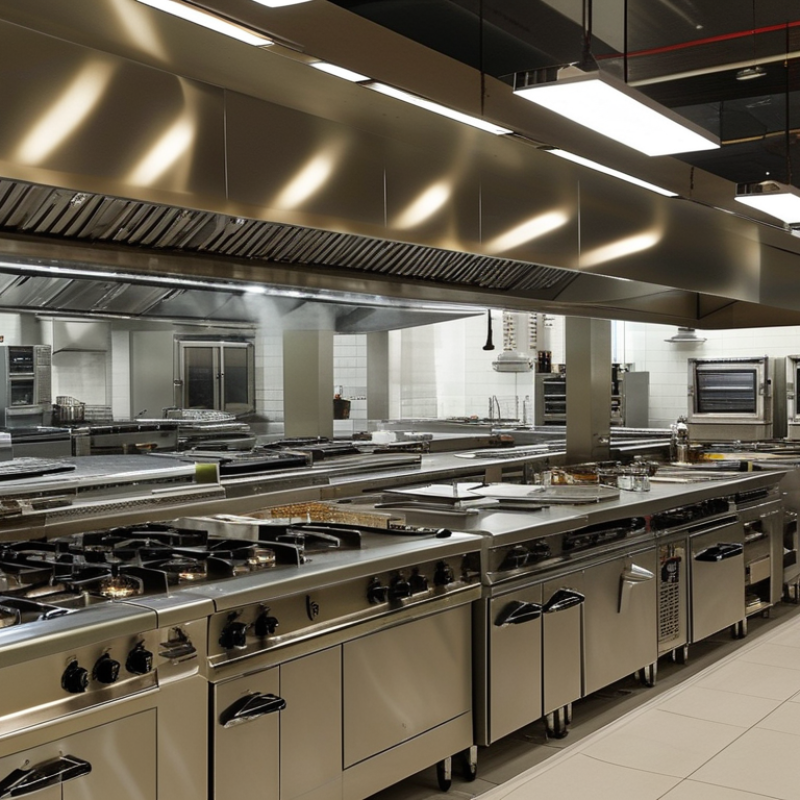
A commercial kitchen hood is an engineered capture system above cooking equipment. It removes grease, smoke, heat, moisture, and combustion by-products before they spread through the kitchen. A Type I hood serves grease-producing equipment, while a Type II hood handles heat and steam. This distinction matters. Choosing the wrong hood can create odors, slippery surfaces, uncomfortable temperatures, and serious maintenance problems.

The U.S. Environmental Protection Agency’s ENERGY STAR guidance reports that restaurants may use five to seven times more energy per square foot than other commercial buildings. Exhaust fans and replacement air contribute heavily to that load. A correctly sized hood can improve capture while reducing unnecessary airflow. ASHRAE Standard 154 and NFPA 96 provide important guidance for ventilation design, clearances, ductwork, and fire protection. However, standards do not replace a site survey. A Coffee Roaster Commercial installation, for example, may face unusual smoke, radiant heat, and production schedules. Real conditions can challenge a perfect-looking specification.

Tips: Check the cooking line, fuel type, ceiling height, and local approval requirements. Confirm exhaust airflow with a qualified ventilation engineer. Inspect filters, ducts, fan access, and make-up air paths. Ask whether demand-controlled ventilation fits the operation. It can save energy, but only when sensors and controls are commissioned properly. Small oversights matter. A hood can look powerful yet fail at the front edge of the griddle. Test it with the actual menu, not an empty kitchen.

How to Determine the Right Hood Type for Your Kitchen

Choosing the right commercial kitchen hood starts with the cooking process, not the room’s appearance. Heavy-duty appliances, such as charbroilers and open-flame ranges, produce more heat, grease, and smoke. They usually need Type I grease hoods with suitable fire-suppression provisions. Steamers, ovens, and dishwashers may require Type II hoods for heat and moisture control. The U.S. National Fire Protection Association’s NFPA 96 standard emphasizes matching exhaust systems with grease-producing equipment and fire risks.

Air volume matters, but bigger is not always better. ASHRAE’s Handbook—HVAC Applications explains that capture and containment depend on hood geometry, appliance arrangement, replacement air, and cross-drafts. A poorly balanced hood can spill smoke when a nearby door opens. It may also pull conditioned air outdoors unnecessarily. U.S. Department of Energy commercial kitchen research reports that demand-controlled ventilation can reduce exhaust-related energy use, often by adjusting airflow during lighter cooking periods. Actual savings vary.

Measure the appliance line, ceiling height, exhaust route, and outdoor climate before selecting a model. Leave access for filters, fans, and duct cleaning. I once treated airflow as the main specification. That was too narrow. Noise, cleaning time, and worker comfort mattered more than expected. A Kitchen Air Cleaner can support indoor air quality, but it cannot replace a correctly designed hood. Confirm local mechanical, electrical, and fire-code requirements with a qualified engineer before ordering.

How to Calculate Hood Size and Exhaust Capacity

Choosing a commercial kitchen hood starts with the cooking line, not a catalog width. Measure the appliance length and add 150–300 millimeters on each side. A wall-mounted hood often needs about 600 millimeters of depth. Island models may require more. Confirm local ventilation codes and tested installation requirements. Good experience begins with the menu.

Exhaust capacity can be estimated by hood area multiplied by capture velocity. For example, a 2.4-meter hood, 1-meter deep, moving air at 0.75 meters per second needs about 1.8 cubic meters per second, or 6,480 cubic meters per hour. This is only a starting estimate. Heavy wok cooking, charbroiling, and tall equipment need stronger capture. Baking equipment may need less. Measure twice. Too little airflow lets smoke spill forward, while excessive airflow wastes energy and removes conditioned air.

Allow for duct friction, elbows, filters, discharge height, and replacement air. Ask a qualified ventilation engineer to verify static pressure and fan duty at the actual airflow. I once saw a hood sized by appliance width alone; steam escaped from both corners. The calculation looked neat, but the kitchen failed its real test. Recheck clearance, noise, filter access, and air balancing after installation. A Kitchen Fume Extractor should support the entire ventilation system, not operate as an isolated box.

Which Materials and Construction Features to Evaluate

Commercial Kitchen Hood Buying Tips for Global Buyers

Material selection affects hygiene, durability, and maintenance. For most cooking areas, stainless steel offers a clean surface and strong corrosion resistance. Grade 304 suits many indoor kitchens, while harsher coastal environments may require a more resistant grade. Ask for the actual steel specification, not simply “premium stainless.” Thickness matters too. Thin panels can vibrate, dent, or create irritating noise during operation. A heavier gauge usually supports better rigidity, but it may increase shipping weight and installation costs.

Inspect the construction details closely. Continuous welded seams are easier to clean than exposed fasteners and overlapping joints. Smooth internal corners reduce grease buildup. Removable baffle filters should slide out without tools and fit firmly without rattling. Check the filter frame, drain channels, hinges, and access panels by hand. Small gaps can collect grease. Poorly sealed joints can also allow moisture into hidden areas. That problem is easy to miss during a showroom inspection.

I once underestimated the value of service access on a busy kitchen project. Cleaning became slower because the fan and wiring were difficult to reach. That mistake changed my checklist. Confirm that motors, lights, and control components remain accessible after installation. Insulation should resist heat and moisture without shedding fibers into service spaces. Review airflow calculations with a qualified engineer, especially when cooking produces heavy smoke or grease. Local ventilation requirements still matter, and a strong-looking hood can perform poorly if its dimensions, filters, or duct connections are mismatched. Weight, packaging, and corrosion protection also deserve attention before international shipment.

How to Check Ventilation, Filtration, and Fire Safety Standards

For global buyers, a hood is more than stainless steel above a range. It is a controlled safety system. A Kitchen Fume Cleaner must capture smoke, grease, heat, and combustion gases without spreading them indoors. ASHRAE Handbook—HVAC Applications (2023) explains that capture depends on hood geometry, appliance duty, exhaust airflow, and replacement air. Request airflow values in m³/h. Confirm them during commissioning. A powerful fan can still spill smoke when makeup air strikes the plume. This mistake is common.

Check filtration carefully. NFPA 96 requires grease filters to remain accessible for cleaning and to be installed at an angle of at least 45 degrees from horizontal. Ask for pressure-drop data, filter efficiency, cleaning instructions, and material ratings. Removable filters should slide out without tools. The NFPA report Home Structure Fires, 2017–2021, found cooking equipment caused 53% of reported home structure fires. That statistic is not a commercial-kitchen rate, but it highlights the hazard.

Fire protection needs equal attention. Verify automatic suppression coverage, manual activation points, duct protection, and shutoff interlocks. Compare the equipment with locally adopted requirements, such as NFPA 96, EN 16282, or equivalent national standards. Request test certificates, installation drawings, and service records. Documents can look complete while airflow remains unbalanced. No checklist is perfect. Have an independent technician inspect the hood after installation, especially near doors, ceiling diffusers, and high-output cooking appliances.

How to Compare Energy Use, Installation, and Maintenance Costs

10 Commercial Kitchen Hood Buying Tips for Global Buyers

Energy use should be compared under real cooking conditions, not only by motor wattage. The U.S. Department of Energy reports that demand-controlled kitchen ventilation can reduce exhaust and make-up air energy by about 20–50%, depending on cooking loads and controls. Variable-speed fans help, but sensors must respond accurately to steam and heat. A hood that runs loudly at full speed all day wastes energy. It also makes the dining area uncomfortable.

Installation costs can exceed the hood’s purchase price. Check roof penetrations, electrical capacity, make-up air units, fire suppression, and local ventilation codes. ASHRAE’s HVAC guidance stresses proper capture and containment, especially around cross-drafts and replacement air. Global buyers should request airflow data in cubic meters per hour and verify voltage requirements before ordering. One overlooked detail can delay commissioning.

Maintenance deserves a written calculation. NFPA 96 recommends inspection and cleaning intervals based on cooking volume, ranging from monthly checks for heavy grease production to annual checks for light use. Budget for filters, belts, sensors, duct access, and professional cleaning. The U.S. Department of Energy notes that poor maintenance can reduce ventilation performance and increase energy demand. My first comparison focused too heavily on purchase price. That was a mistake. A cheaper hood may require more labor, replacement parts, and downtime. Ask for a five-year service estimate, even if the numbers are imperfect. Local labor rates will change the result.

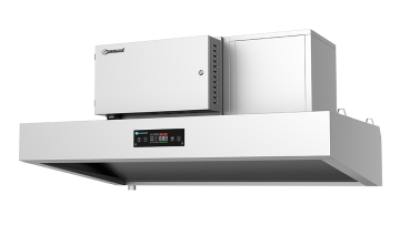
How a 98% Filtration Efficiency Kitchen Hood with Electrostatic Precipitator Improves Kitchen Air Quality

A commercial kitchen hood equipped with an electrostatic precipitator (ESP) can significantly improve indoor air quality by capturing smoke, grease mist, and fine particulate matter before they spread through the workspace. Cooking is recognized by the U.S. Environmental Protection Agency as an important indoor source of particulate pollution, while the World Health Organization’s 2021 air-quality guidelines set a recommended annual PM2.5 level of 5 μg/m³. These benchmarks highlight why effective filtration is essential in busy kitchens, where frying, grilling, and high-temperature cooking can produce large quantities of airborne particles.

A modern range-hood smoke precipitator can achieve filtration efficiency of up to 98.5%, including particles in the submicron range. Its stainless-steel ESP cells use an advanced high-voltage power supply to electrically charge and collect airborne contaminants, reducing visible smoke, grease deposits, and lingering cooking odors. Compared with basic mechanical filters, this technology supports cleaner exhaust air while helping protect ventilation ducts and surrounding equipment from buildup.

A modular design also allows the system to be adapted to different commercial kitchen capacities and airflow requirements. An optional automatic steam-wash function can clean the precipitator cells regularly, reducing manual maintenance and allowing operation for up to one year without routine hand washing. Consistent filtration, simplified servicing, and improved smoke control make ESP-equipped kitchen hoods a practical solution for maintaining healthier and more comfortable commercial cooking environments.

FAQS

: How should I determine the correct hood size?

: Measure the cooking line, not only the available wall space. Add 150–300 millimeters on each side. A wall hood often needs about 600 millimeters of depth. Island hoods may need more coverage. Check the equipment height and nearby cross-drafts. Measure twice.

How can I estimate exhaust capacity?

Multiply hood area by capture velocity. A 2.4-meter by 1-meter hood needs about 1.8 cubic meters per second at 0.75 meters per second. That equals roughly 6,480 cubic meters per hour. This is only a starting estimate.

Do all cooking methods need the same airflow?

No. Wok cooking and charbroiling usually create heavy smoke and grease. They may need stronger capture. Baking equipment often needs less airflow. Tall appliances can also disturb smoke movement. Menu details matter.

What happens when airflow is too low or too high?

Low airflow can push smoke into the kitchen. Smoke may spill from both hood corners. Excessive airflow wastes energy and removes conditioned air. More power is not always better. This is easy to overlook.

Which materials are suitable for commercial kitchen hoods?

Stainless steel suits many indoor cooking areas. A harsher coastal environment may require stronger corrosion resistance. Ask for the exact steel grade and panel thickness. “Premium” is not a useful specification. Thin panels can vibrate and dent.

Which construction details should I inspect?

Look for continuous welded seams and smooth internal corners. These areas are easier to clean. Removable filters should slide out without tools. They should fit firmly without rattling. Check drain channels, hinges, frames, and access panels by hand.

How can I compare energy and installation costs?

Compare energy use during real cooking, not only motor wattage. Variable-speed fans can reduce unnecessary operation. Sensors must respond correctly to heat and steam. Check electrical capacity, roof openings, replacement air, and duct routes. Installation may cost more than the hood.

What maintenance costs should I include?

Prepare a five-year estimate for filters, belts, sensors, duct access, and cleaning. Inspection frequency depends on grease production and cooking volume. Heavy grease use requires more frequent attention. Local labor costs can change the result. My earlier price comparisons were too simple.

Conclusion

Choosing the right commercial kitchen hood is essential for maintaining a safe, comfortable, and efficient professional cooking environment. This guide explains how a hood captures heat, smoke, grease, and odors, and why its performance directly affects air quality, fire prevention, and daily operations. It helps global buyers identify the most suitable hood type for their cooking equipment, workflow, kitchen layout, and local installation requirements.

The guide also covers how to calculate hood dimensions and exhaust capacity, evaluate durable materials and practical construction features, and review ventilation, filtration, and fire safety standards. In addition, it explains how to compare energy consumption, installation complexity, cleaning needs, and long-term maintenance costs. By considering performance, compliance, durability, and total ownership expenses together, buyers can make a more informed decision and select a reliable hood solution that supports efficient kitchen operation.

Isabella

Isabella

Isabella is a dedicated marketing professional at Foshan KeLan Environmental Technology Co., Ltd., where her expertise in the field of environmental technology shines through. With a passion for sustainability and innovation, she plays a key role in promoting the company's core business, which......
Previous 10 Best Kitchen Hood Filters for Global Buyers?