Leave Your Message
-
 Online Message
-
 Phone:+8613927702137
-
 E-Mail: kleanesp@kleanland.com
-
 Whatsapp: +8613927702137
Online Message Phone:+8613927702137
E-Mail: kleanesp@kleanland.com Whatsapp: +8613927702137 You know, cooking smoke has pretty much always been a big part of the culinary world. It’s not just about adding that smoky flavor to dishes — recent studies are actually showing there can be health benefits too, which is kinda interesting. But here’s the thing: the World Health Organization warns that inhaling cooking smoke over time isn’t great for your health.
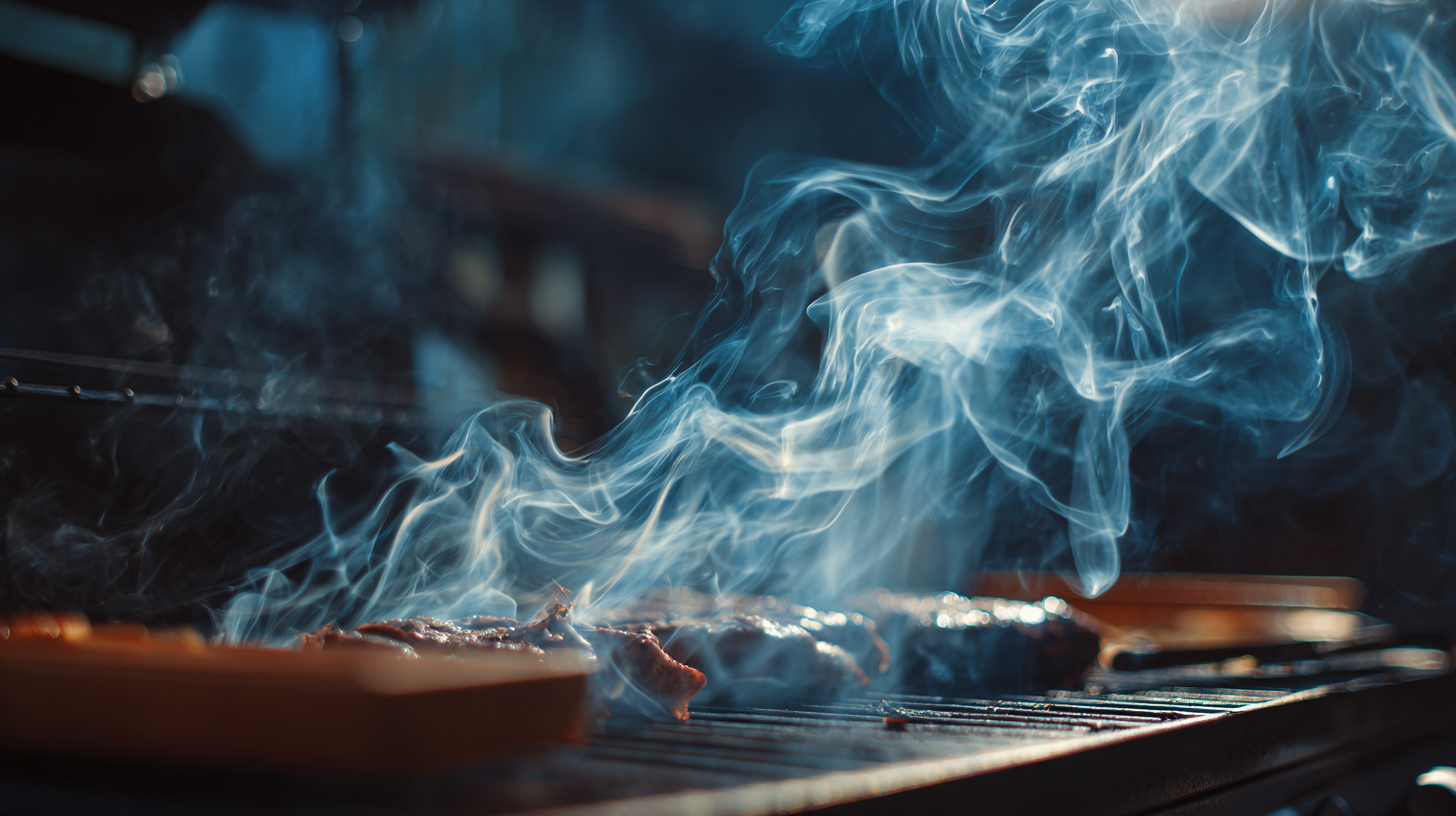
So, whether you’re a professional chef or just someone cooking at home, it’s pretty important to get a handle on how to manage that smoke properly. On the other hand, Foshan Kelan Environmental Protection Co., LTD—yeah, the big player in electrostatic Air Purification—is really leading the charge withKleanland’s innovative solutions.
And honestly, as more restaurants, cafes, and hotels start realizing how crucial good air quality is while still serving amazing food, it just makes sense that the right tech can make a huge difference. This guide’s gonna walk you through some handy tips and techniques — not just to boost your dishes with that smoky flavor but also to keep health risks in check. It’s all about finding that sweet spot where great food and healthy living come together in the kitchen.
When you start diving into the science behind how smoke flavors food, it’s pretty fascinating how many complex flavor compounds are at play. I mean, when you smoke something, a whole mix of chemicals like phenols, aldehydes, and carboxylic acids get released. And it’s these very compounds that give smoked dishes their signature tastes. I read in the *Journal of Food Science* that those phenolic compounds do more than just flavor — they also act as antioxidants, which could be good news for our health. So, basically, smoking not only makes your food taste awesome but might also have some added health perks. That whole dual benefit really shows why understanding how smoking works is a big deal in the culinary world.
And here’s something cool: the type of wood you choose for smoking totally changes the game. Different woods bring their own unique flavors to the table. For example, hickory and mesquite give off a pretty strong, smoky punch, while fruit woods like apple and cherry tend to produce milder, sweeter notes. A study by the *North American Society for Trenchless Technology* actually points out that the kind of wood impacts both the chemical makeup of the smoke and the overall flavor complexity. That means chefs can really experiment and craft signature dishes that are totally their own. If you get the hang of these techniques and understand what’s happening chemically, you’re basically leveling up your cooking — serving up dishes that not only taste great but also cater to folks who want flavor without giving up on quality or health.
| Technique | Flavor Profile | Health Benefits | Common Wood Types Used | Best Foods to Smoke |
|---|---|---|---|---|
| Cold Smoking | Delicate, subtle | Preserves food, enhances flavor without cooking | Alder, apple | Fish, cheese |
| Hot Smoking | Rich, hearty | Reduces harmful bacteria | Hickory, mesquite | Meats, poultry |
| Smoked Cooking | Bold, deep | Increases antioxidant levels | Cherry, maple | Vegetables, nuts |
| Smoking with Chips | Varied, depending on chips | Aids digestion, enhances nutrient absorption | Oak, pecan | Pork, seafood |
: Cooking with smoke can enhance the flavor of food and increase antioxidant activity, which helps combat oxidative stress in the body. Smoked foods may also have a longer shelf life while retaining their nutritional value.
It is advisable to use wood chips from fruit or nut trees, such as cherry and apple, which provide pleasant flavors and may contribute to better health outcomes.
To minimize the formation of harmful substances, use low temperatures during the smoking process and consider marinating proteins with acidic ingredients like vinegar or citrus before smoking.
Yes, smoking certain types of wood, such as hickory and applewood, can enhance the antioxidant properties of the foods being smoked.
Limit the frequency of smoked food consumption, pair smoked dishes with fresh, antioxidant-rich vegetables, and marinate proteins prior to smoking to mitigate risks.
Different types of wood impart distinct flavors to smoked foods; for example, hickory has a robust flavor suited for red meats, while fruitwoods like cherry can complement poultry and fish.
Using lighter woods, such as alder, provides a milder smoke flavor, which can be beneficial when smoking delicate proteins, preventing the flavor from becoming overpowering.
Yes, certain smoking methods can lead to the formation of harmful compounds, so it's important to use careful techniques and balance smoked foods with other healthy options in the diet.
In the article titled "Mastering Cooking Smoke Techniques for Flavor Enhancement and Health Benefits in Culinary Arts," we take a deep dive into the fascinating world of cooking smoke and all the benefits it brings. Once you understand the science behind it, you'll see how those rich flavor compounds can turn a basic dish into something truly special. But it’s not just about flavor — we also look at the potential health perks of cooking with smoke, sharing both nutritional info and some risks to keep in mind. That way, chefs and home cooks alike can make smarter choices in the kitchen.
You’ll find that different types of wood each give off their own unique smoke flavor, and getting good at infusing dishes with smoke can really take your cooking up a notch — without going overboard. Of course, safety is a big deal, especially when it comes to using smoke at home. We cover some practical guidelines so you can get creative in your kitchen while still keeping it safe. And here’s a little bonus — Foshan Kelan Environmental Protection Co., LTD, a leader in electrostatic air purification, is all about promoting safe and healthy cooking practices. Their work helps make dining experiences better across various settings, highlighting just how important it is to incorporate smoking techniques thoughtfully into culinary arts.