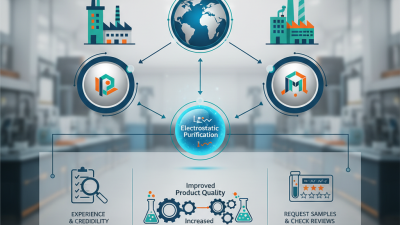
The Electrostatic Cell is pretty impressive — it’s a device used across different industries to separate particles based on their charge. You might find it particularly useful in processes like Electrostatic Purification, where it helps remove contaminants effectively. If you get how it works, you’ll see the real perks — but also some limits, of course.
Basically, electrostatic cells use electric fields to either attract or push away charged particles. The system usually has a chamber where ionization happens. Particles go into this chamber, pick up a charge, and then move towards plates that are oppositely charged. This way, you can separate the stuff you want from impurities. That said, how well it works really depends on things like particle size and makeup.
It’s not always smooth sailing, though. There are some tricky parts when trying to fine-tune these systems for different materials — what works for one thing might not quite cut it for another. So, designing an Electrostatic Cell needs a good eye for detail and maybe a bit of trial and error. Even with all the new tech, folks are still researching ways to make these systems better, which just goes to show how important continuous improvement and flexibility are in this field.
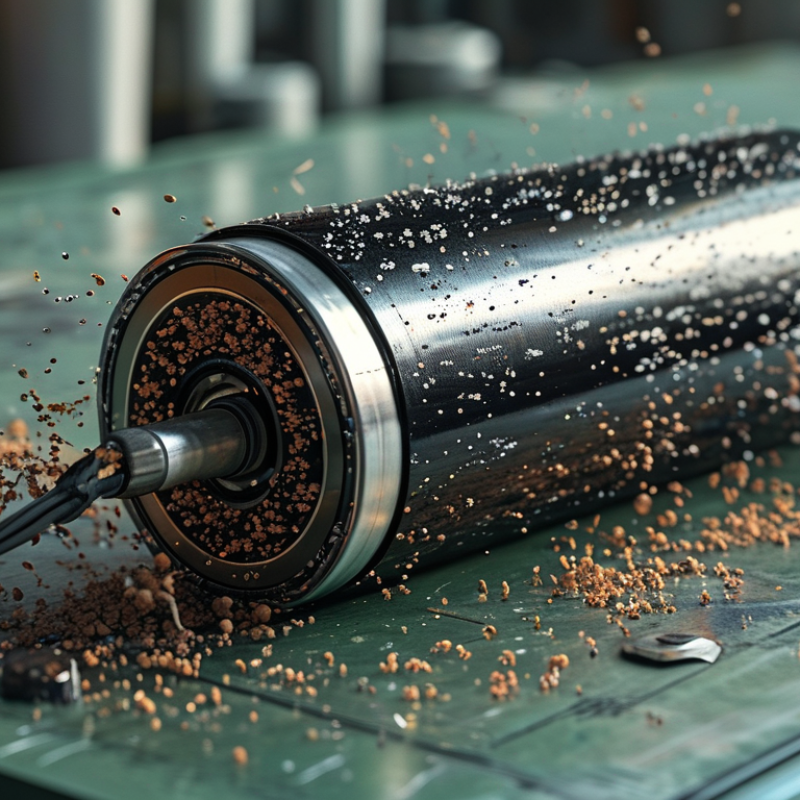
What is an Electrostatic Cell?
An electrostatic cell is a fascinating device used to separate particles from gases and liquids. It operates based on the principles of electrostatics, which means it uses charged particles to Filter and clean.Electrostatic Smoke Purifiers are a prime example of this technology in action. These devices attract and capture pollutants in smoke, making them essential in improving air quality.
In the electrostatic cell, particles are ionized as they enter the chamber. This ionization process enables particles to gain a charge. The charged particles are then attracted to oppositely charged collection plates. Reports indicate that electrostatic technology can remove up to 95% of particulate matter from emissions. This efficiency is vital for industries looking to comply with environmental regulations.
Tips: Regular maintenance of electrostatic cells is crucial. Check the collection plates and electrodes for buildup. This will ensure optimum performance. Another aspect to consider is the initial costs versus long-term savings in energy and maintenance. Electing to invest in an Electrostatic Smoke Purifier could lead to reduced emissions and improved operational efficiency. With the right approach, these systems can significantly contribute to cleaner air and a healthier environment.
Principle of Operation of Electrostatic Cells
Electrostatic cells harness the principle of electrostatic forces to facilitate energy transfer. These cells usually consist of charged plates separated by an insulating material. When a voltage is applied across the plates, it generates an electric field. This field influences the movement of ions or charged particles within a solution. The design mandates precision in plate configuration and spacing to optimize efficiency. Research shows that electrostatic separation can achieve up to 90% recovery rates in mineral processing.
The operational efficiency of electrostatic cells is impacted by several factors. The humidity levels can influence ion mobility. Higher moisture can lead to conductivity changes, affecting the charge distribution. Interestingly, studies reveal that varying the voltage affects the throughput of materials processed. Adjustments in electric field strength can enhance separation quality, but this requires careful balancing to avoid unwanted discharges. Real-world applications report inconsistent performances under extreme conditions, indicating areas for improvement in design and implementation.
Common Applications of Electrostatic Cells in Industry
Electrostatic cells have a variety of important applications in different industries. One major area is in the realm of air Pollution Control. According to the U.S. Environmental Protection Agency, electrostatic precipitators (ESPs) are capable of removing over 99% of particulate matter from emissions. This efficiency is vital for industries such as manufacturing and power generation, where maintaining air quality is critically important.
In the pharmaceutical industry, electrostatic cell technology is employed for powder coating and tablet production. A 2021 report noted that 20% of production costs can be reduced through the use of efficient electrostatic processes. These cells ensure uniform coating and produce high-quality pharmaceutical products, showing their significance in quality assurance.
While the applications are promising, challenges remain. Not all electrostatic cells perform effectively under varied conditions. Factors like humidity and particulate size can influence efficiency. Industries need to continuously assess the performance of these cells to ensure optimal operation, as relying solely on technology without adaptation could lead to inefficiencies. Understanding these variables is crucial for enhancing the reliability of electrostatic systems in industrial settings.
Key Components of Electrostatic Cells Explained
Electrostatic cells play a pivotal role in various industries, particularly in energy storage and conversion. Understanding their components is vital for anyone interested in technology. The main components include the electrodes, dielectric materials, and the electrolyte. Electrodes are crucial as they facilitate the transfer of charge. Common materials for electrodes include metals like aluminum and copper. These materials must possess high conductivity to function efficiently.
The dielectric is equally important. It prevents short circuits and enhances the cell's energy storage capacity. A study by the International Journal of Electrochemical Science indicates that optimal dielectric materials can improve efficiency by up to 30%. Then there’s the electrolyte, which allows ion movement. Commonly used electrolytes include liquid and solid-state solutions. The choice affects the cell's performance significantly.
However, not all designs are flawless. Some cells can suffer from efficiency losses due to overheating or degradation over time. In practice, finding the right balance of materials is challenging. Developing electrostatic cells requires extensive testing. Refining these components is an ongoing process. As technology advances, newer materials may lead to breakthroughs. The industry is in constant search for improvements.
Efficiency Ranges of Electrostatic Cells in Various Applications
Electrostatic cells play a vital role across various industries. These devices utilize electric charges to move particles. They can efficiently separate and capture particulate matter, making them valuable in air purification and industrial processing.
In terms of efficiency, electrostatic cells vary widely based on application. In air cleaning, they can achieve efficiencies of up to 99%. However, in other areas, such as oil separation, efficiency may drop to around 70%. This inconsistency stems from factors like particle size and charge. Smaller particles are more challenging to capture, impacting overall performance.
Tips: Maintaining the system regularly can enhance efficiency. Clean the electrodes to prevent buildup. Regular checks ensure optimal functionality. Understanding the specific needs of your application leads to better results. Consider the size and type of particles you deal with. Adjust settings accordingly for improved performance. Each application has unique demands, so it’s crucial to adapt the electrostatic cell accordingly.
Environmental Impact and Safety Considerations for Electrostatic Cells
Electrostatic cells harness the power of static electricity for various applications. While they can be efficient, their environmental impact and safety considerations are essential to understand. The production and disposal of these cells may release harmful materials. Therefore, it is crucial to handle them responsibly.
Electrostatic cells can cause hazards related to electric shock and fire. Proper safety measures must be taken when using and disposing of them. Users should wear insulated gloves and work in dry environments. Always store devices away from flammable materials.
Tips for safe handling include checking for signs of damage before use. If a cell shows wear, it is best to replace it. Also, ensure that your workspace is well-ventilated. This minimizes exposure to any harmful fumes that may be released during operation. Familiarize yourself with local regulations regarding disposal to protect the environment.
Future Trends and Innovations in Electrostatic Cell Technology
Electrostatic cell technology is evolving rapidly. Researchers are exploring new materials to enhance efficiency. Recent advancements include biodegradable components that reduce environmental impact. These innovations aim to provide sustainable energy solutions.
One promising trend is the integration of nanotechnology. By utilizing nanomaterials, cells could achieve higher charge densities. This improvement could lead to smaller, more powerful devices. However, challenges remain regarding the scalability of production. Ensuring consistency in quality is crucial as this technology progresses.
Moreover, the future may see hybrid systems combining electrostatic and other cell types. Such systems could harness the strengths of each technology. Still, understanding the interactions between different methods is essential. These innovations could reshape the landscape of renewable energy, but careful consideration is needed.
Electrostatic Cell Efficiency Over Time
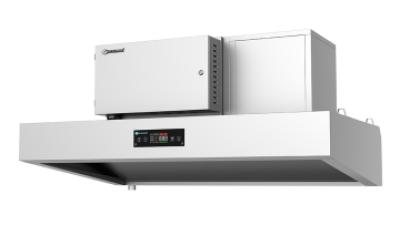
Enhancing Indoor Air Quality: The Advantages of a 98% Filtration Efficiency Kitchen Hood with Electrostatic Precipitator
Enhancing indoor air quality in commercial kitchens is essential, not only for the health of the kitchen staff but also for the overall dining experience. A critical component in achieving optimal air quality is the installation of a high-efficiency kitchen hood equipped with an electrostatic precipitator (ESP). These systems are designed to capture airborne smoke and particulate matter, boasting filtration efficiencies of up to 98.5% down to submicron levels. Research indicates that fine particulate matter (PM2.5) can significantly impact respiratory health, making it vital to employ advanced filtration technology in culinary environments.
With the increased emphasis on food safety and employee well-being, the implementation of modular smoke precipitators in commercial kitchen settings has gained traction. These systems not only enhance air quality but also minimize kitchen odors and grease build-up, contributing to a more pleasant working atmosphere. A study published in the Journal of Environmental Health reported that effective air filtration can reduce airborne contaminants by as much as 90%, underscoring the need for high-performance kitchen hoods in reducing health risks associated with poor air quality.
In addition to their filtration capabilities, modern kitchen hoods with electrostatic precipitators often come equipped with sophisticated features like an automatic steam wash system. This innovation allows for efficient cleaning without requiring manual intervention for up to a year, significantly reducing maintenance costs and improving operational efficiency. By utilizing advanced high-voltage power supplies and stainless steel filtration cells, these systems stand at the forefront of technology, ensuring that kitchens operate in a healthier and cleaner environment.
FAQS
: An electrostatic cell separates particles from gases and liquids using charged particles.
Particles gain a charge when they enter the chamber, which allows them to be filtered.
Reports suggest it can remove up to 95% of particulate matter from emissions.
Regular checks on collection plates and electrodes help maintain performance and efficiency.
Metals like aluminum and copper are used due to their high conductivity.
It prevents short circuits and enhances energy storage capacity.
Liquid and solid-state solutions are typically used, affecting cell performance.
Researchers explore biodegradable components and nanotechnology for better efficiency.
Ensuring scalability and consistency in production is crucial as technology evolves.
They could combine strengths from different cell types, offering new renewable energy solutions.
Conclusion
An electrostatic cell is a device that utilizes electric fields to separate charged particles, primarily used in various industrial applications such as air purification and electrostatic precipitation. The principle of operation hinges on the attraction and repulsion of charges, facilitating the separation of dust and other pollutants from gases. The key components of these cells include electrodes, insulation materials, and power supplies, which work in harmony to enhance their efficiency in various settings.
In addition, electrostatic cells offer several environmental advantages, as they can reduce emissions and improve air quality. However, safety considerations must be addressed to mitigate risks associated with high voltages. Current trends suggest that innovations in electrostatic cell technology are focusing on improving efficiency and reducing energy consumption, paving the way for more sustainable practices in industries reliant on this technology.

 Online Message
 Phone:+8613927702137
 E-Mail: kleanesp@kleanland.com
 Whatsapp: +8613927702137