Leave Your Message
0%

10 Essential Tips for Effective Kitchen Air Ventilation You Need to Know Good kitchen ventilation isn't just a nice-to-have; it's actually essential for keeping the space safe and healthy to cook in. I mean, just ask Dr. Michael Porter, a real expert when it comes to indoor air quality and ventilation systems. He points out that "Proper ventilation in kitchens is super important—not just for getting rid of smoke and odors, but also for cutting down on those nasty pollutants that can build up." That really highlights how critical it is to have solid air ventilation solutions in any culinary setting—especially now, since everyone’s so focused on cleaner, purer air, whether in restaurants, cafes, or hotels.

Here at Foshan Kelan Environmental Protection Co., LTD, we're all about pushing the envelope with top-notch electrostatic Air Purification technology. We’re dedicated to helping a wide range of places—thinkrestaurants, cafes, canteens, hotels, resorts—breathe easier. With Kleanland holding the top spot in the market, we’ve got the know-how to customize solutions that suit each business’s unique needs. The goal? Creating a healthier, more comfortable environment for staff and guests alike. So, if you're wondering how to get your kitchen ventilation on point, check out these tips. They’ll help you not just meet safety standards, but actually make your space better for everyone who walks through the door.

Feel free to reach out if you want to learn more about making your kitchen safer and more inviting—great ventilation really makes all the difference!

Understanding the Importance of Kitchen Air Ventilation for Health and Safety

Proper kitchen air ventilation is crucial for maintaining a healthy and safe cooking environment. With an increasing awareness of indoor air quality, it is essential to understand how kitchen ventilation impacts our health. Studies show that excessive kitchen pollutants, like PM2.5, can significantly exceed safety standards, making effective ventilation a necessity. Innovative technologies, such as advanced Air Purifiers, help minimize exposure to harmful fumes, ensuring our cooking spaces remain clean and safe.

Here are some essential tips for effective kitchen air ventilation: First, ensure that your range hood is installed correctly and at the right height above the cooking surface to maximize its effectiveness. Second, consider utilizing a combination of exhaust fans and windows to facilitate cross-ventilation, enabling a steady flow of fresh air into the kitchen while removing stale air. Third, regularly maintain and clean your ventilation system to prevent grease buildup, which can not only impair airflow but may also pose a fire hazard.

As the commercial kitchen ventilation market continues to grow, embracing modern solutions can further enhance the comfort and safety of your kitchen. Engaging with cutting-edge technologies can help redefine kitchen environments, meeting the genuine needs of consumers who prioritize health and wellness in their cooking spaces.

Key Features to Look for in Kitchen Ventilation Systems

When considering kitchen ventilation systems, several key features are critical to ensuring effective air quality and efficiency. Firstly, the type of ventilation is fundamental—options like under-cabinet, wall-mounted, or ceiling-mounted hoods cater to different kitchen layouts and cooking styles. Each type has distinct advantages; for instance, wall-mounted models can save space while providing powerful suction, whereas ceiling-mounted units are ideal for larger, open kitchens.

Additionally, the extraction rate, typically measured in cubic feet per minute (CFM), directly impacts the system's performance. A higher CFM rating is essential for kitchens that frequently engage in high-heat cooking, as it effectively removes smoke, odors, and grease from the air. Also, noise level is often a concern; therefore, look for systems designed with noise-reducing technology to maintain a comfortable cooking environment. Finally, energy efficiency plays a pivotal role, as many modern systems are built to reduce power consumption while effectively ventilating the kitchen. These features collectively ensure not just compliance with health standards but also an enjoyable cooking experience.

10 Essential Tips for Effective Kitchen Air Ventilation You Need to Know

Choosing the Right Type of Ventilation for Your Cooking Style

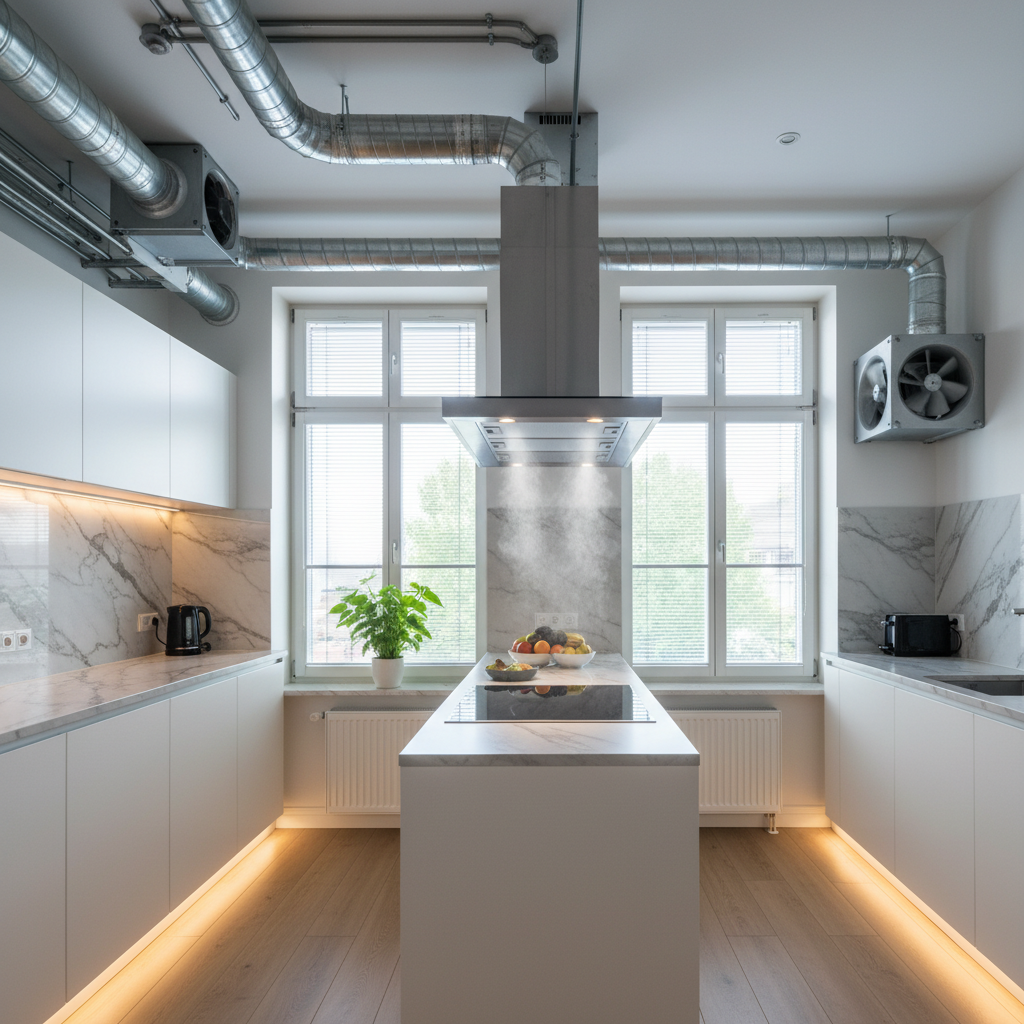
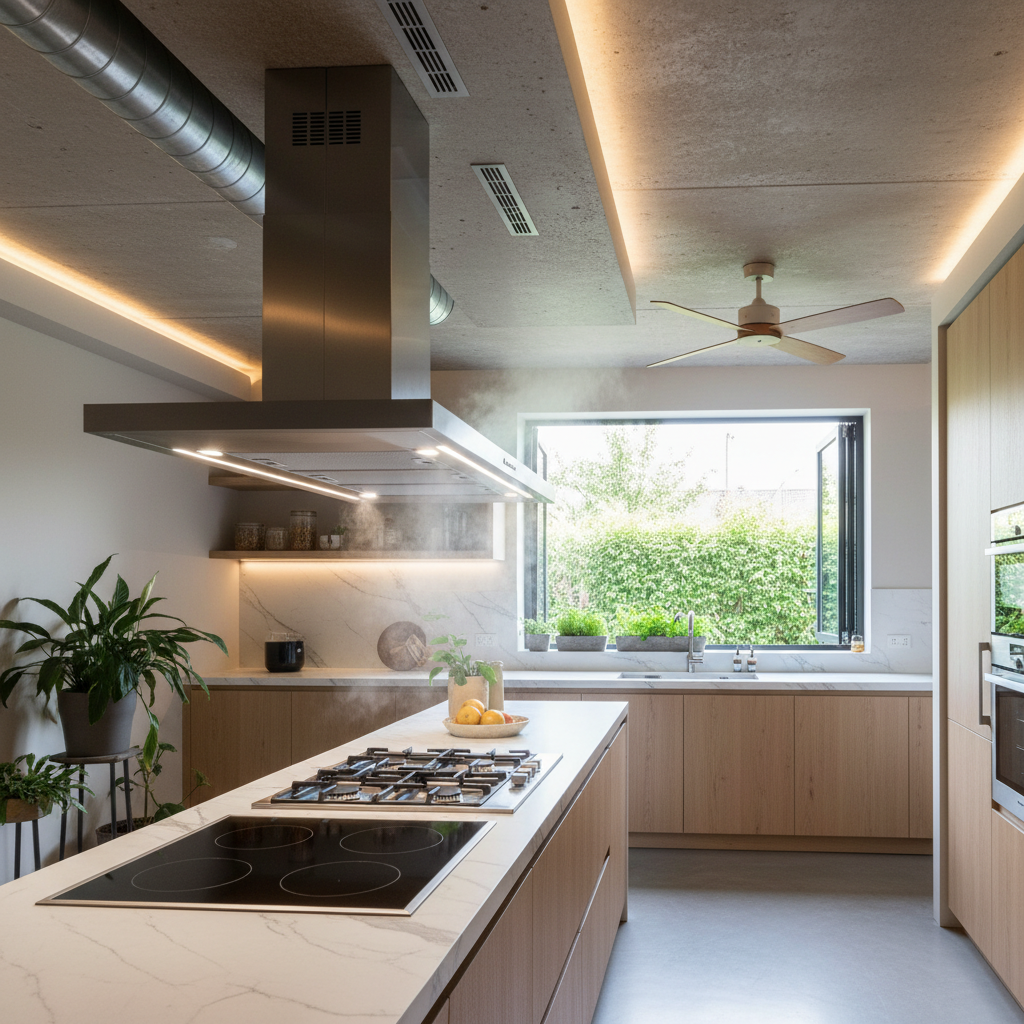
When it comes to kitchen ventilation, selecting the right type is crucial for enhancing both your cooking experience and indoor air quality. The choice largely depends on your cooking style and the layout of your kitchen. For those who frequently prepare fried foods or do intense cooking involving strong odors and smoke, a powerful range hood would be beneficial. Wall-mounted, under-cabinet, and island range hoods are common options that efficiently eliminate cooking smells and grease. These range hoods not only improve ventilation but also serve as stylish focal points in the kitchen.

Moreover, considering the latest innovations in kitchen ventilation can lead to more effective air circulation. Many modern range hoods provide quiet operation and user-friendly controls, allowing you to focus on your culinary creations without the distraction of excessive noise. For spaces with specific layout requirements, integrated, chimney, or freestanding hoods cater to various setups and offer distinct advantages. Additionally, exploring options like induction cooktops can further enhance your cooking efficiency while providing a sleek appearance.

Maintenance Tips to Ensure Optimal Performance of Kitchen Vents

Effective kitchen air ventilation is crucial for maintaining a safe and healthy environment in food-related businesses. Regular maintenance of kitchen vents not only ensures optimal performance but also prolongs the lifespan of ventilation systems. According to the U.S. Environmental Protection Agency (EPA), proper ventilated kitchens can reduce indoor air pollutants by up to 80%, significantly lowering the risk of respiratory problems for staff and patrons alike. Routine checks of ductwork, fans, and Filters are vital to keep systems running efficiently.

At Foshan Kelan Environmental Protection Co., LTD, we understand the importance of high-quality ventilation in the hospitality industry. Our brand, Kleanland, leads the market with a 30% share, primarily driven by our advanced electrostatic air purification technology. Studies show that restaurants with effective air purification systems experience a 25% decrease in airborne particles, leading to a healthier dining experience. Regular maintenance, including cleaning filters and inspecting exhaust systems every six months, can dramatically improve performance, ensuring kitchens remain compliant with health regulations while creating a pleasant atmosphere for customers.

10 Essential Tips for Effective Kitchen Air Ventilation You Need to Know

Tip No. Tip Description Frequency
1 Regularly Clean Filters Remove grease and debris from filters to maintain air flow. Monthly
2 Check Ducts for Blockages Inspect and clear any obstructions in kitchen ducts. Quarterly
3 Examine Ventilation Fans Ensure fans are operational and replace if necessary. Every 6 Months
4 Maintain Proper Air Flow Avoid blocking vents and ensure proper air circulation. Ongoing
5 Use High-Quality Vents Invest in efficient and durable ventilation systems. As Needed
6 Ensure Ample Outdoor Access Facilitate exterior access for better air exchange. Ongoing
7 Install Carbon Monoxide Detectors Monitor harmful gases to ensure safety in the kitchen. Annually
8 Use Exhaust Fans When Cooking Turn on exhaust fans to remove smoke and odors effectively. Every Use
9 Strategic Placement of Ovens Position ovens near ventilation sources for better airflow. Initial Setup
10 Schedule Professional Maintenance Hire experts for an annual check-up of the ventilation system. Annually

Common Mistakes to Avoid When Installing Kitchen Ventilation Solutions

When installing kitchen ventilation solutions, it’s easy to fall into a few common traps that can diminish the efficiency of your setup. One of the biggest mistakes is underestimating the required airflow. According to the Home Ventilating Institute, an effective kitchen ventilation system should provide at least 100 CFM (cubic feet per minute) for every linear foot of cooking surface. Failing to meet this standard can lead to lingering odors, heat buildup, and excess moisture, which can compromise indoor air quality.

Another important consideration is the placement of exhaust hoods. Many homeowners assume they can simply install hoods above their stoves without proper assessment. However, the position and height of the ventilation unit are crucial. A report from the American Society of Heating, Refrigerating and Air-Conditioning Engineers (ASHRAE) emphasizes that the bottom of the hood should be installed 26 to 30 inches above the cooking surface to maximize capture efficiency. Neglecting this aspect can result in inefficient smoke and odor removal, ultimately costing more in energy usage and potential health risks. By addressing these common mistakes during installation, you can create a more effective and healthier kitchen environment.

10 Essential Tips for Effective Kitchen Air Ventilation

This chart illustrates the importance ratings of various tips for effective kitchen air ventilation, highlighting common mistakes to avoid during installation. Each bar represents the significance of different elements in ensuring optimal air quality and circulation within the kitchen.

FAQS

: Why is choosing the right type of kitchen ventilation important?

: Selecting the appropriate kitchen ventilation enhances your cooking experience and improves indoor air quality, especially based on your cooking style and kitchen layout.

What type of range hood is best for heavily cooking styles like frying?

A powerful range hood, such as wall-mounted, under-cabinet, or island range hoods, is beneficial for those who frequently prepare fried foods and intense dishes, as they efficiently eliminate cooking smells and grease.

What innovations should I consider when choosing kitchen ventilation?

Modern range hoods offer features such as quiet operation and user-friendly controls, promoting effective air circulation without distracting noise.

How can regular maintenance affect kitchen ventilation systems?

Regular maintenance ensures optimal performance and prolongs the lifespan of ventilation systems, significantly lowering indoor air pollutants and reducing respiratory risks.

What common mistakes should be avoided when installing kitchen ventilation?

Underestimating required airflow and incorrectly placing exhaust hoods are common mistakes; proper assessment of airflow needs and correct hood placement is essential for efficient operation.

What is the recommended airflow for an effective kitchen ventilation system?

An effective kitchen ventilation system should provide at least 100 CFM (cubic feet per minute) for every linear foot of cooking surface to prevent lingering odors and excess moisture.

How high should a ventilation hood be installed for optimal performance?

The bottom of the hood should be installed 26 to 30 inches above the cooking surface to maximize capture efficiency and improve smoke and odor removal.

What benefits do effective air purification systems provide in restaurants?

Effective air purification systems can reduce airborne particles by 25%, leading to a healthier dining experience for patrons.

How often should kitchen vent systems be inspected and cleaned?

Kitchen vent systems should be inspected and cleaned regularly, ideally every six months, to maintain performance and compliance with health regulations.

What is the impact of proper kitchen ventilation on indoor air quality according to the EPA?

Properly ventilated kitchens can reduce indoor air pollutants by up to 80%, significantly decreasing health risks for both staff and customers in food-related environments.

Conclusion

Effective kitchen air ventilation is crucial for maintaining health and safety in cooking environments. It not only helps in removing heat, smoke, and odors but also ensures a comfortable atmosphere for both chefs and diners. Understanding key features and choosing the right type of kitchen air ventilation system based on your cooking style can make a significant difference in performance. Regular maintenance is essential to ensure these systems function optimally, while being aware of common installation mistakes can prevent costly issues down the line.

As a leader in the electrostatic air purification industry, Foshan Kelan Environmental Protection Co., LTD (Kleanland) emphasizes the importance of advanced kitchen air ventilation solutions in restaurants, cafés, and hotels. By integrating cutting-edge technology, Kleanland helps businesses enhance their air quality, promoting a safer and more pleasant culinary experience for everyone involved.

Lila

Lila

Lila is a dedicated marketing professional at Foshan Kelan Environmental Technology Co., Ltd., where she excels in promoting the company’s innovative environmental solutions. With a deep understanding of the industry, Lila consistently delivers high-quality content that highlights the company’s......
Previous Maximizing Efficiency in Smoke Precipitator Maintenance and Support