Leave Your Message
0%

As cities keep facing the tough challenge of air pollution, it's more important than ever to turn to new tech that can actually make a difference. One of the coolest innovations out there right now is particulate filters—they're designed to trap those tiny, harmful particles and help clean up the air we breathe. Foshan Kelan Environmental Protection Co., LTD, better known by its Kleanland brand, has really made a name for itself in this field. They're actually leading the charge, holding the top spot in markets like restaurants, cafés, canteens, hotels, and resorts. Thanks to their use of cutting-edge electrostatic Air Purifiers, Kleanland shows how serious they are about improving urban living conditions. Plus, their technology really proves that good particulate filtration can dramatically cut indoor air pollution. In this piece, I’ll walk you through how these advanced filters are changing city life—and share some handy tips on how to get the most out of them in your daily environments.

Revolutionizing Air Quality: The Impact of Advanced Particulate Filters on Urban Living

Understanding Particulate Matter: Sources and Health Impacts in Urban Areas

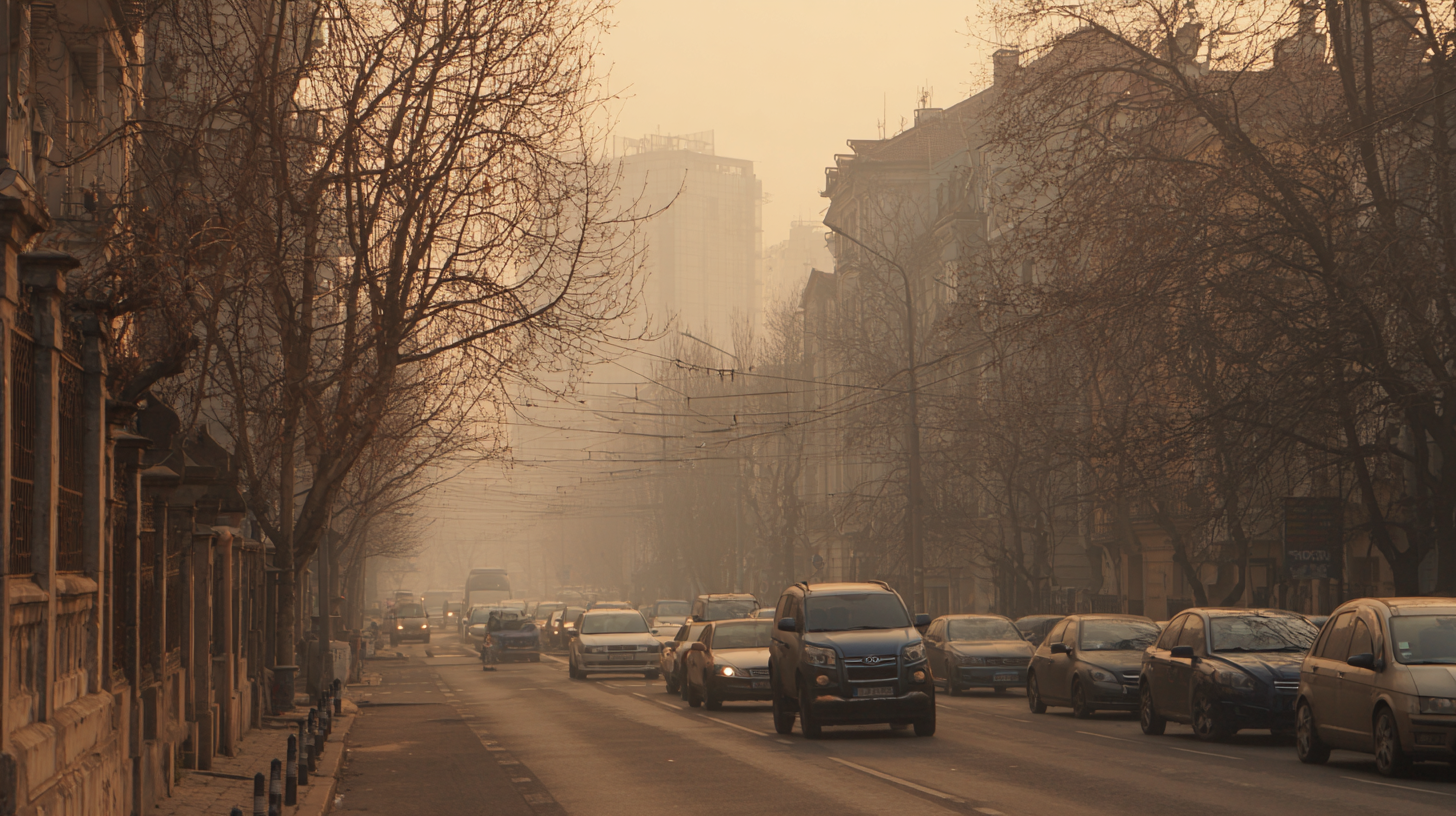
You know, particulate matter, or PM for short, really is a big deal when it comes to air pollution in cities. It comes from all over—like cars honking away, factories pumping out stuff, construction sites kicking up dust, and even natural things like wildfires. These tiny particles, which we call PM10 and PM2.5 based on their size, are sneaky—they can go deep into your lungs and sometimes even get into your blood. That’s pretty worrying because long-term exposure has been linked to all sorts of health issues, from breathing problems and heart troubles to weaker immune systems. No wonder it's such a concern for anyone living in the city.

Big cities are especially at risk because of the dense population and all those pollution sources packed together. Folks like kids, older folks, or anyone already dealing with health issues really have a lot more to worry about here. As our cities grow and traffic gets crazier, it’s more important than ever to understand where these particles come from and how they affect us. One promising way to handle this? Using better filters in buildings, cars, and factories—things that can really help cut down these tiny pollutants and make the air healthier to breathe. At the end of the day, it’s about making city life safer and a lot more livable for everyone.

Impact of Advanced Particulate Filters on Urban Air Quality

This chart illustrates the concentration levels of particulate matter (PM2.5) in urban areas before and after the implementation of advanced particulate filters in vehicles. The data shows a significant reduction in PM2.5 levels, demonstrating the positive impact of advanced filtration technologies on urban living.

The Role of Advanced Filters in Enhancing Indoor Air Quality

Indoor air quality has really become a big deal for folks living in the city. I mean, nobody wants to breathe in pollutants all day, right? Luckily, these new fancy particulate filters are making a difference—they do a solid job of catching stuff like dust, pollen, and even germs. They’re designed to filter out allergens and harmful particles that your regular filters might miss, making your home, office, or any indoor space way safer and healthier.

If you’re serious about improving your indoor air, here are a few tips: I’d recommend changing your Air Filters regularly so they keep working their best, keeping windows closed during those times whenpollution levels are high, and maybe investing in an air purifier with top-notch HEPA filters. Oh, and don’t forget about houseplants! They can naturally help clean the air, which is a nice bonus if you’re into that green vibe.

All in all, with the latest particulate filter tech, breathing indoors gets a whole lot safer and cleaner. Not only does it make your space more comfortable, but it also contributes to better health over the long run. As cities keep growing and changing, jumping on these new tech trends to boost air quality is pretty much a no-brainer for sustainable urban living.

Innovative Technologies Behind Modern Air Filtration Systems

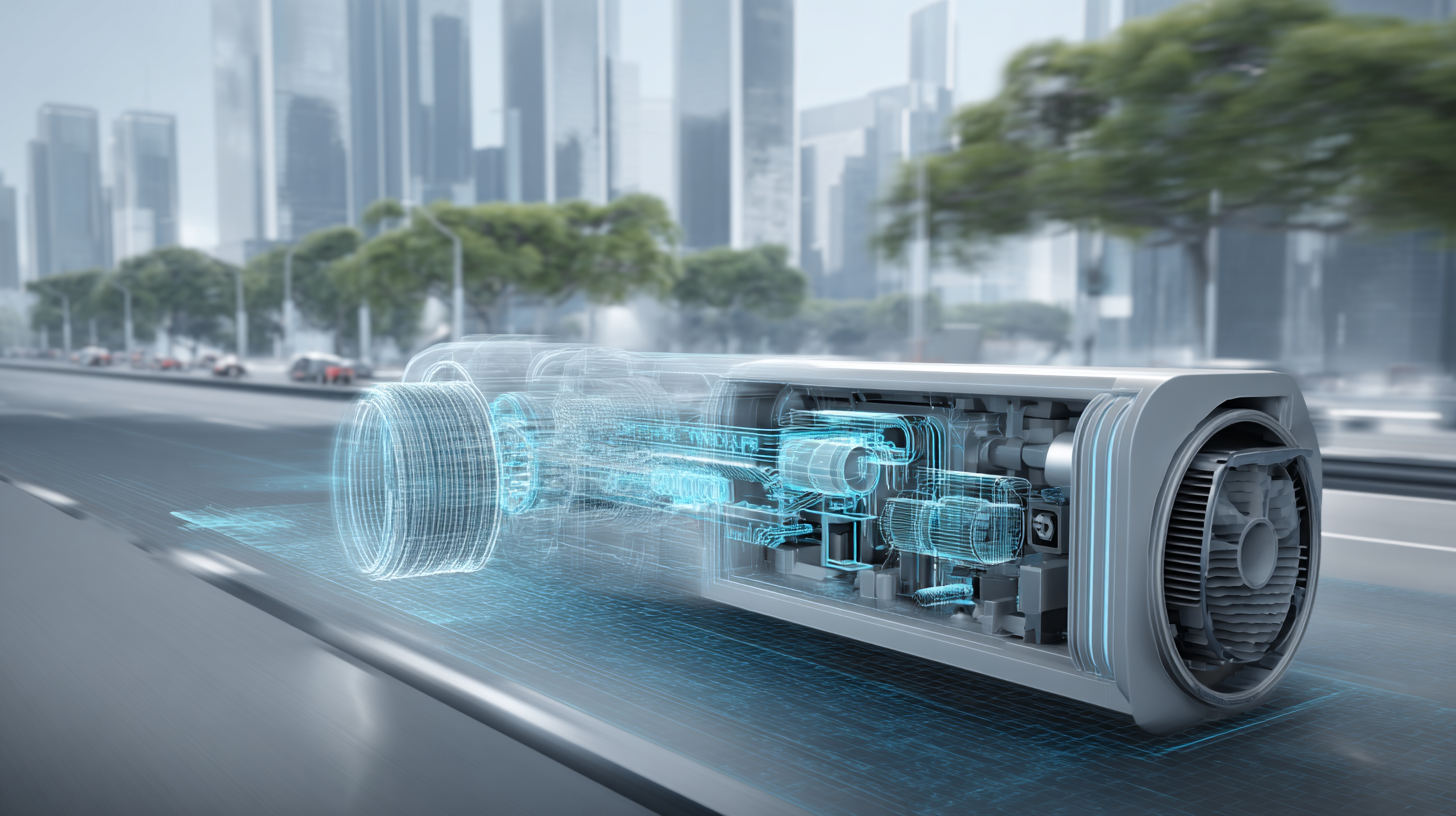
You know, with all these new tech innovations in air filtration, city living has really started to change. I mean, the latest filters, like HEPA and activated carbon ones, are pretty impressive—they can trap everything from tiny dust bits to nasty gases. Not only do they help make indoor air way better, but when you add them into big infrastructure, like building ventilation systems, they actually help cut down pollution outside too. Pretty cool, right?

And here’s the thing—that’s not even the best part. Now, with smart tech thrown into the mix, these systems are on another level. IoT sensors and real-time air quality monitoring mean the filters can adapt on the fly, adjusting their performance depending on how dirty the air gets. This clever setup not only boosts how well they work but also saves energy, making it a smarter, more sustainable way to keep our cities cleaner. Honestly, with all these advancements, we're looking at healthier urban lifestyles and a way smaller environmental footprint. It’s exciting to see what the future holds!

Revolutionizing Air Quality: The Impact of Advanced Particulate Filters on Urban Living

Filter Type Particle Size Removal (µm) Efficiency (%) Lifespan (months) Installation Cost ($)
HEPA Filter 0.3 99.97 12 150
Activated Carbon Filter N/A 85 6 100
Electrostatic Filter 0.5 94 24 120
Ultrafine Particle Filter 99.99 18 200

Implementing Advanced Filters in Urban Infrastructure: Challenges and Solutions

Adding high-tech particulate filters into city infrastructure sounds great, but it definitely comes with its fair share of hurdles. One of the big ones? Cost. Retrofitting existing transportation systems and buildings with these fancy filters isn’t cheap, and municipalities often need to get creative on how they cover those expenses. It’s pretty common to see cities team up with private companies or chase after government grants to help pick up the tab, making sure these filters actually get installed and work properly.

Then, there’s the issue of regulations. Right now, we don’t really have a universal set of rules to guide how these filters are installed and maintained. Without some kind of standard, the whole process can end up being pretty patchy — meaning some areas see real air quality improvements, while others don’t see much difference. Working together with environmental experts and urban planners is so important here; it helps create clear standards and ensures these filters do what they’re supposed to do. Plus, involving the community in these initiatives can make a huge difference — people get more onboard when they see the benefits and know what’s happening with their air.

Revolutionizing Air Quality: The Impact of Advanced Particulate Filters on Urban Living

Evaluating the Long-term Benefits of Air Quality Improvement on Public Health

You know, one thing that’s becoming pretty clear is how much better air quality can really improve people’s lives—especially in cities where pollution is often a huge problem. I read a report from the WHO that says around 7 million folks die early every year because of poor air, mainly from tiny particles we can’t see, called PM. The good news is, if we use advanced particulate filters, they can actually soak up about 99% of those nasty particles. That’s a game-changer—it can really help cut down on breathing problems and heart issues caused by polluted air.

And here’s something interesting—cities that have started using these smarter filtration systems are seeing fewer people ending up in the hospital because of air quality stuff. The EPA even found that every time they managed to cut down PM2.5 levels by just 10 micrograms per cubic meter, there was about a 0.5% drop in death rates. Crazy, right? All of this just shows how important it is to really focus on cleaning up our air if we want healthier, longer lives in our cities.

**A couple of tips to keep in mind:**
1. If you want cleaner air at home, consider getting an air purifier with a HEPA filter—those work pretty well for trapping particles.
2. Also, pushing for local changes, like better filtering in buses, trains, and schools, can really make a difference for the vulnerable folks, especially kids and seniors.

Revolutionizing Air Quality: The Impact of Advanced Particulate Filters on Urban Living

Maximizing Kitchen Efficiency: The Role of In-Duct Cooking Oil Smoke Electrostatic Precipitator Filters

In modern commercial kitchens, maximizing efficiency goes hand in hand with maintaining a clean and safe cooking environment. The role of in-duct cooking oil smoke electrostatic precipitator (ESP) filters is pivotal in achieving these goals. With an impressive filtration efficiency of up to 98%, these systems are designed to effectively capture cooking smoke, grease particles, and oil mist, significantly reducing air pollutants in the kitchen space.

The innovative design of the kitchen hood featuring the ESP cells is complemented by durable materials such as power-coated steel and stainless steel. Available in various sizes, including depth options of 1.1 meter (43 inches) and 1.3 meters (51 inches), alongside length options ranging from 1.6 meters (63 inches) to 2.4 meters (94 inches), this equipment can be tailored to fit any kitchen layout. Additionally, built-in options like UV odor eliminators and activated carbon odor removers further enhance the purification process, ensuring that kitchens remain odor-free and pleasant for both staff and customers. Investing in a high-quality kitchen hood with electrostatic precipitator technology not only contributes to a cleaner working environment but also elevates the overall efficiency of kitchen operations.

FAQS

: What are the main challenges of implementing advanced particulate filters in urban infrastructure?

: The primary challenges include financial investment for retrofitting existing systems, the need for standardized regulations, and ensuring effective integration into transportation networks and buildings.

How can municipalities alleviate the financial burden of retrofitting with advanced filters?

Municipalities can explore public-private partnerships and government grants to help cover the costs associated with implementing advanced particulate filters.

Why is there a need for standardized regulations in the deployment of advanced filters?

Standardized regulations are necessary to prevent a fragmented implementation process, which can lead to inconsistent air quality improvements across different urban areas.

What benefits do advanced particulate filters provide for public health?

Advanced particulate filters can remove up to 99% of harmful particles, leading to significant reductions in respiratory diseases and cardiovascular conditions linked to air pollution.

How do improvements in air quality affect hospital admissions?

Cities with advanced filtration systems have shown a notable decrease in hospital admissions related to air quality issues as air quality improves.

What support systems exist to evaluate the success of air quality improvements?

Collaboration with environmental agencies and urban planners can provide a comprehensive approach to evaluate and ensure effective functioning of particulate filters.

What evidence supports the impact of improved air quality on mortality rates?

A report indicates that for every 10 µg/m³ reduction in PM2.5, there is a corresponding 0.5% decline in mortality rates, highlighting the connection between air quality and public health.

What steps can individuals take to reduce indoor particulate pollution?

Individuals can invest in air purifiers with HEPA filters for their homes to effectively reduce indoor particulate pollution.

How can communities encourage local government action regarding air quality?

Communities can advocate for local government initiatives to adopt advanced filtering systems in public transport and schools to protect vulnerable populations.

Conclusion

So, I came across this article called 'Revolutionizing Air Quality: The Impact of Advanced Particulate Filters on Urban Living,' and honestly, it was pretty eye-opening. It dives into how these fancy particulate filters are actually making a big difference in cleaning up the air we breathe, especially in busy city environments. The article starts off by breaking down where all that particulate matter comes from and how it can impact our health—no surprise, it’s a real challenge for city folks. Then, it shifts gears to focus on some pretty cool tech behind modern air filters. Companies like Kleanland, for example, are leading the way with their super-effective filters, especially in busy commercial spaces. The piece also looks at how these advanced systems are being rolled out into city infrastructure—talking about the hurdles and possible ways to get past them. And, of course, it wraps up by highlighting the long-term health benefits that come with cleaner air, stressing that these top-notch filters are crucial if we want healthier, happier urban lives. It’s pretty inspiring stuff, honestly.

Lila

Lila

Lila is a dedicated marketing professional at Foshan Kelan Environmental Technology Co., Ltd., where she excels in promoting the company’s innovative environmental solutions. With a deep understanding of the industry, Lila consistently delivers high-quality content that highlights the company’s......
Previous Maximizing Efficiency in Smoke Precipitator Maintenance and Support