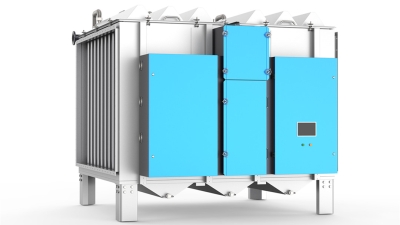
You know, in the hospitality world, having a top-notch Kitchen Hood Filter is super important. I mean, it can really make a difference when it comes to keeping the air quality safe and fresh in commercial kitchens. Did you know that over 70% of kitchen fires are actually due to grease buildup? Yeah, pretty crazy, right? That's why having effective filtration systems is such a big deal. Take Foshan Kelan Environmental Protection Co., LTD, for instance. They’ve really made a name for themselves in the electrostatic Air Purification game. Their Kleanland brand is a go-to for restaurants, cafés, canteens, hotels, and resorts. But here’s the thing: if you want your Kitchen Hood Filters to work their best and last longer, you’ve got to stay on top of regular maintenance. It’s not just about efficiency; it really helps create a safer dining vibe too. By sticking to industry standards and using the latest tech, businesses can really cut down on the risks that come from grease buildup and airborne pollutants. This way, they can keep their kitchens healthy and compliant. So, it’s definitely worth paying attention to!

Key Features to Look for in Kitchen Hood Filters
When selecting the best kitchen hood filters, there are several key features to consider that can greatly impact efficiency and maintenance. First and foremost, the material of the filter plays a significant role. Aluminum filters are popular due to their lightweight nature and excellent grease-catching capabilities, while stainless steel filters are known for durability and easy cleaning. Choosing a filter made of quality materials ensures longevity and better filtration performance, making this an essential aspect.
Another critical factor is the filter's design and compatibility with your kitchen hood. Filters come in various sizes and shapes, and it is crucial to select one that fits perfectly within your existing hood. Baffle filters, for example, offer superior grease and smoke capture, while mesh filters are more suited for light cooking. Furthermore, consider the maintenance aspect—filters that are dishwasher-safe can save time and effort, allowing for a more convenient cleaning process.
Regular maintenance, including timely replacement of filters, is essential to ensure that your kitchen hood operates at peak efficiency while maintaining a clean cooking environment.
Common Types of Kitchen Hood Filters and Their Applications
When it comes to kitchen ventilation, understanding the common types of kitchen hood filters is essential for maintaining an efficient cooking environment. The most prevalent filter types include baffle filters, mesh filters, and charcoal filters, each designed for specific applications. Baffle filters, often found in commercial kitchens, are made from stainless steel and are effective at trapping grease and smoke. In contrast, mesh filters, typically used in residential kitchens, utilize layers of metal mesh to capture smaller particles, making them suitable for frying environments. Charcoal filters, used in ductless range hoods, absorb odors and are ideal for spaces where exhaust is not feasible.
To ensure these filters work optimally, regular maintenance is crucial. For instance, baffle filters should be cleaned at least every three months, while mesh filters may require monthly maintenance, depending on the cooking frequency. It's important to soak them in hot, soapy water to break down grease, making it easier to scrub away residues. Also, remember to replace charcoal filters every six months to maintain air quality. Failure to regularly clean and replace filters can lead to reduced efficiency and increased fire hazards, revealing the importance of adhering to recommended practices and industry standards.
Essential Maintenance Tips for Prolonging Filter Lifespan
Taking care of your kitchen hood filters is super important if you want to keep that airflow flowing nicely and make them last longer. First off, regular cleaning is a must. If you're in a kitchen that gets a lot of use, try to wash those grease filters every month. A good mix of hot water and a good degreasing detergent will work wonders to cut through all that greasy buildup. And hey, if your filters are dishwasher safe, go ahead and use that time-saving option – it makes things way easier!
Don’t forget to check your filters every few months for any signs of damage or wear. Catching problems early can keep them working like a charm!
Another key thing is to stick to the manufacturer’s instructions. Different filters, whether they’re aluminum, charcoal, or baffle types, have their own special needs. For example, if you’ve got charcoal filters in there for managing odors, remember to swap them out every three to six months. They just don’t work as well over time. Keeping a maintenance schedule not only helps to keep things in check, but it also ensures your kitchen stays a safe and enjoyable place to whip up meals. By sticking to these maintenance tips, you’ll definitely notice better air quality in the kitchen and your hood filters will be in it for the long haul!
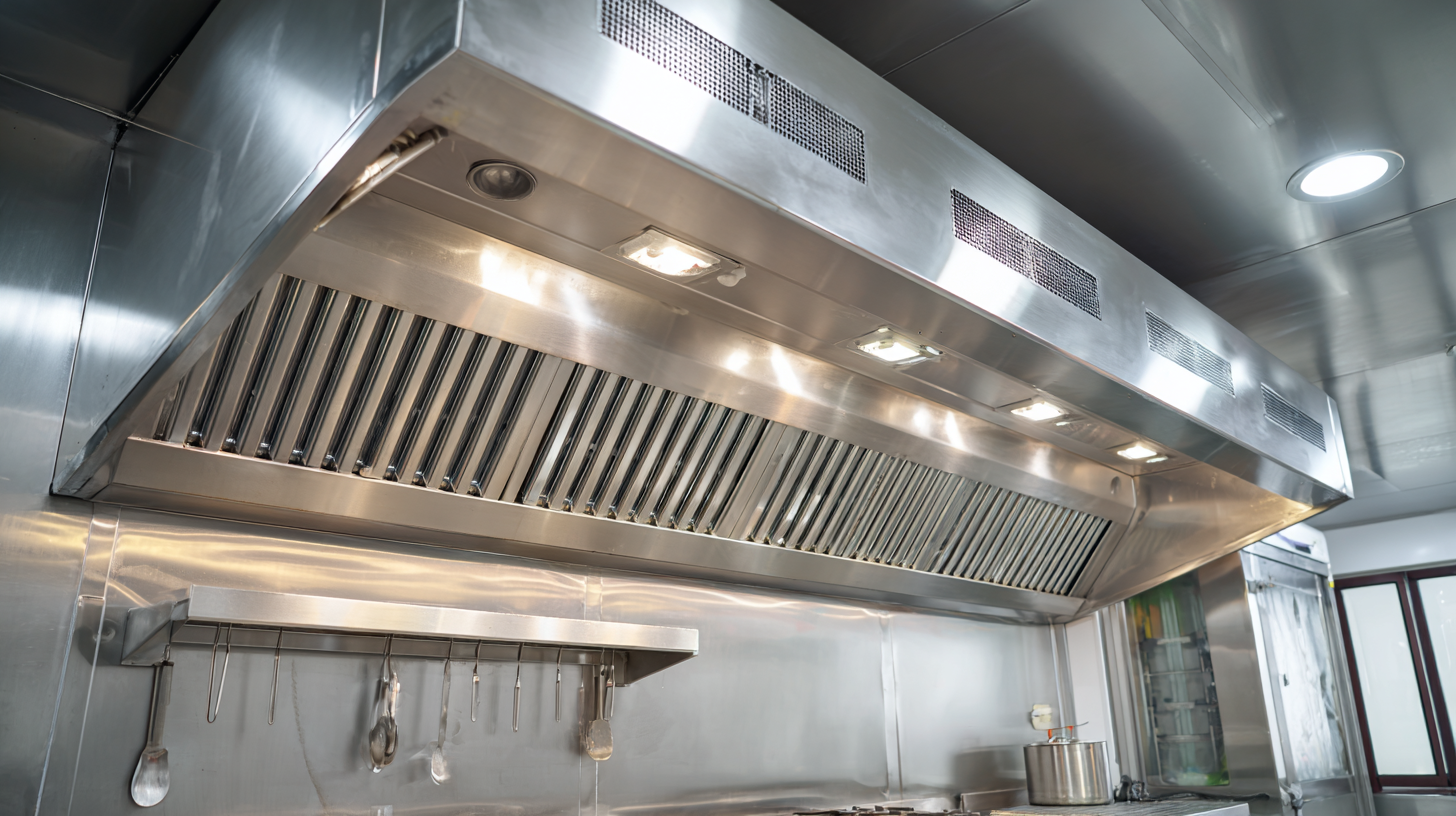
Industry Standards You Should Know for Kitchen Hood Filters
So, let’s talk about kitchen hood filters for a sec. Understanding the standards in the industry is super important, not just for safety but also for how well everything works. There are some key standards out there, and one of the big ones comes from the American National Standards Institute (ANSI). They set efficiency ratings that basically tell you how good these filters are at catching grease, smoke, and those unpleasant odors. A rating you’ll hear a lot about is the Minimum Efficiency Reporting Value, or MERV for short. It goes from 1 to 20, and the higher it is, the better the filter does its job of trapping airborne stuff. For home kitchens, filters with a MERV rating between 8 and 11 usually hit that sweet spot—balancing decent air quality with not being too much of a hassle for airflow.
And here’s something else to keep in mind: the Underwriters Laboratories (UL) have their own standards for fire safety, especially concerning those greasy fumes. If a filter has UL 1046 certification, it means it’s specifically designed to help lower the risk of fire, making your cooking space safer. Now, you definitely don’t want to ignore maintenance here! Cleaning or swapping out those filters every one to three months is pretty much a must, depending on how often you cook. Sticking to these guidelines will not only help your kitchen hood work better but will also keep your indoor air fresher and safer overall.
Signs Your Kitchen Hood Filter Needs Replacement
Keeping your kitchen hood filter in good shape is super important for a clean and safe cooking space. But hey, how do you know when it’s time for a new one? Well, one of the first giveaways is if you notice a drop in airflow. If smoke or steam just seems to linger instead of disappearing, that’s a big hint that your filter's clogged up and isn’t doing its job. Also, if you spot the filter looking a bit discolored or it starts to smell funky, it’s definitely time to let it go.
To help your kitchen hood filter last longer, staying on top of maintenance is really crucial. Try to clean it every few months—how often depends on how much you cook, of course. A simple mix of warm water and mild soap can work wonders to cut through that grease and grime. And keep an eye on how the filter looks; if it’s looking particularly dirty or has any frayed edges, don’t wait—just replace it. Oh, and having a spare filter tucked away somewhere can be super handy. That way, if you need to swap it out, you can do it in no time, keeping your kitchen fresh and ready for the next meal prep!
Best Practices for Cleaning and Maintaining Your Filters
You know, keeping your kitchen hood filters in tip-top shape is super important for both how well they work and the air quality while you’re cooking. If you clean those filters regularly, not only will your kitchen hood work better, but it’ll also last a lot longer! Ideally, you should clean them every month, or even more often if you're cooking every day or working with a lot of grease. For metal filters, try soaking them in some hot, soapy water - that really helps to break down the grease. Then, just give them a gentle scrub with a brush to get rid of any leftover grime, rinse them off well, and make sure they’re totally dry before putting them back up.
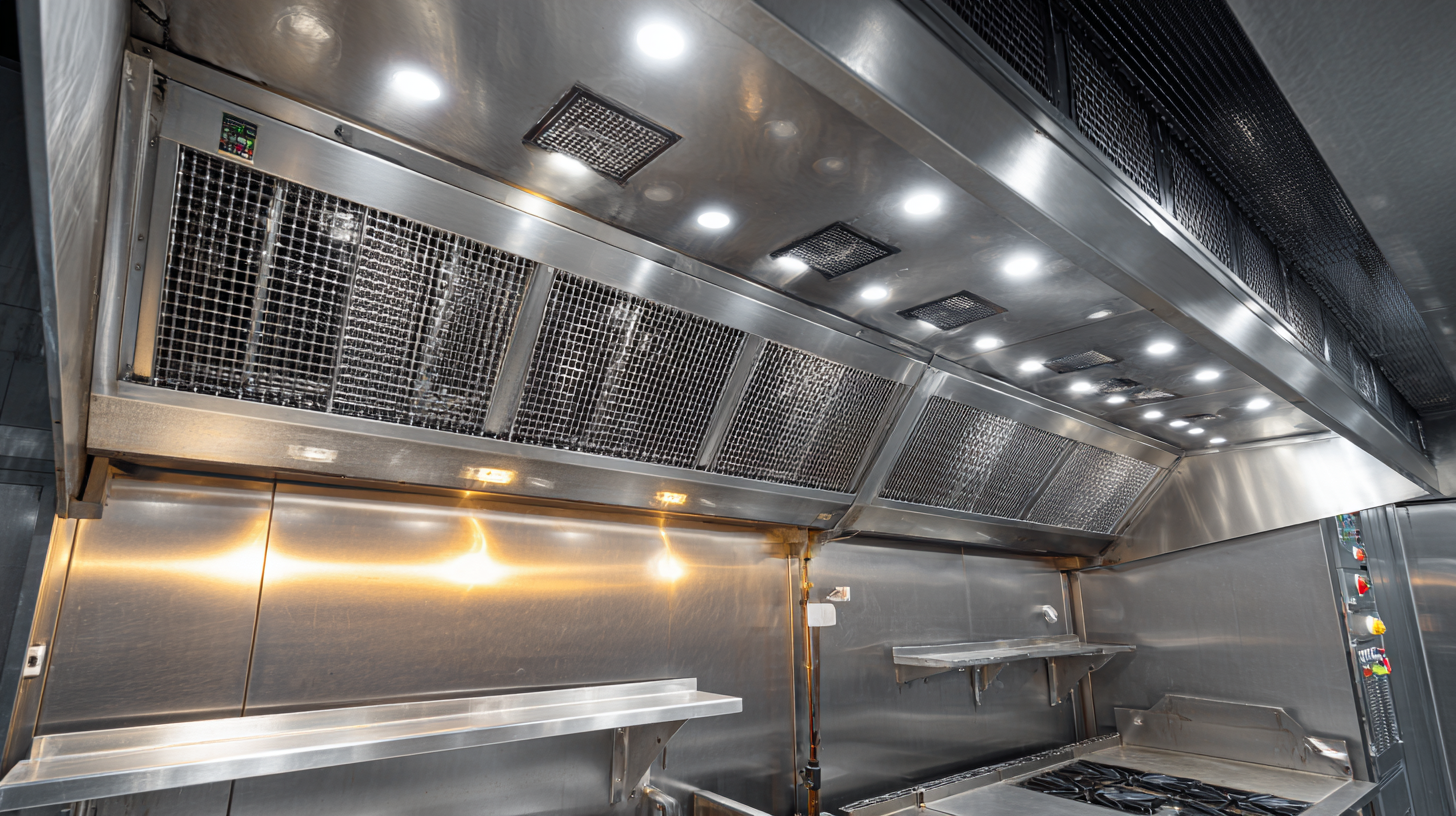
Oh, and don’t forget to check for any damage, like cracks or bends. If you see anything off, it’s time to replace them. Some filters can be reused, while others need to be swapped out after a while. So, it's a good idea to peek at the manufacturer's instructions to know exactly what you need to do for maintenance and when to replace them. Keeping your filters in great shape not only makes your kitchen safer but also helps keep things smelling fresh and free from smoke and weird odors.
Unlocking Superior Air Quality: The Benefits of 95% Efficiency Wide Airway Industrial ESP Filters
In today's industrial landscape, achieving superior air quality is not just a regulatory requirement but also a necessity for the health and productivity of workers. The latest advancements in air filtration technology, particularly the 95% Efficiency Wide Airway Industrial ESP Filters, are providing businesses with transformative solutions. According to recent studies, facilities equipped with high-efficiency filtration systems can reduce airborne particulate matter by over 70%, leading to a noticeable decrease in respiratory ailments among employees.
The 95% Efficiency Wide Airway Industrial ESP Filters are available in 1100mm and 1300mm widths, with standard lengths of 1.6m, 2m, and 2.4m, making them versatile for various industrial applications. Their adjustable air outlets located at the front, top, rear, and sides enable customized air distribution while maintaining optimal airflow. Furthermore, these filters feature the innovative Kleanland IoT power pack and a robust stainless-steel cylindrical honeycomb filter cell, which enhances longevity and performance.
Enhancing the appeal of these filters are optional features such as steam auto-clean, Activated Carbon Filter, and UV Odour Eliminator. These additions not only elevate air quality standards but also empower facilities to adapt to specific air purification needs, ensuring compliance with environmental regulations. The integration of such advanced filtration technology promises to establish safer, healthier working environments, ultimately boosting employee morale and operational efficiency.
FAQS
: It is recommended to wash grease filters every month, especially in high-use kitchens.
Many filters are dishwasher safe, which can save time and effort in maintenance.
Charcoal filters should be replaced every three to six months as their effectiveness diminishes over time.
The Minimum Efficiency Reporting Value (MERV) rating indicates how effectively filters capture airborne particles; higher ratings indicate better efficiency.
Filters should meet Underwriters Laboratories (UL) 1046 certification standards designed to reduce the risk of combustion from grease-laden vapors.
Signs include decreased airflow, a change in color, or the development of an unpleasant odor.
Regularly inspect the filter every few months for any signs of wear or damage.
Clean it regularly, keep an eye on its condition, and consider having spare filters on hand for quick replacements.
Adhering to manufacturer guidelines ensures optimal performance and prolongs the lifespan of your filter.
Regular cleaning and timely replacement of filters improve airflow and reduce harmful airborne particles, enhancing overall air quality.

 Online Message
 Phone:+8613927702137
 E-Mail: kleanesp@kleanland.com
 Whatsapp: +8613927702137