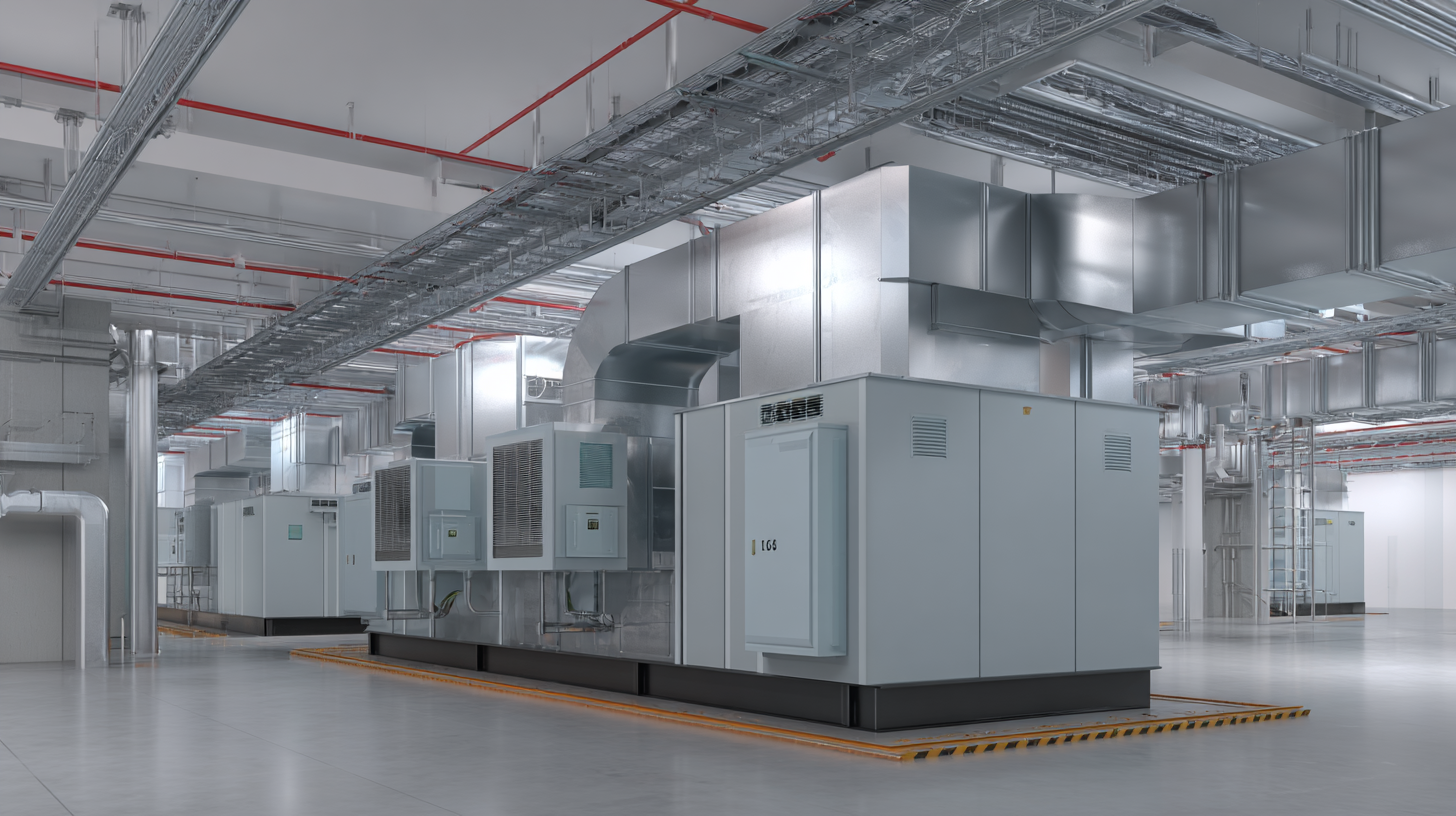
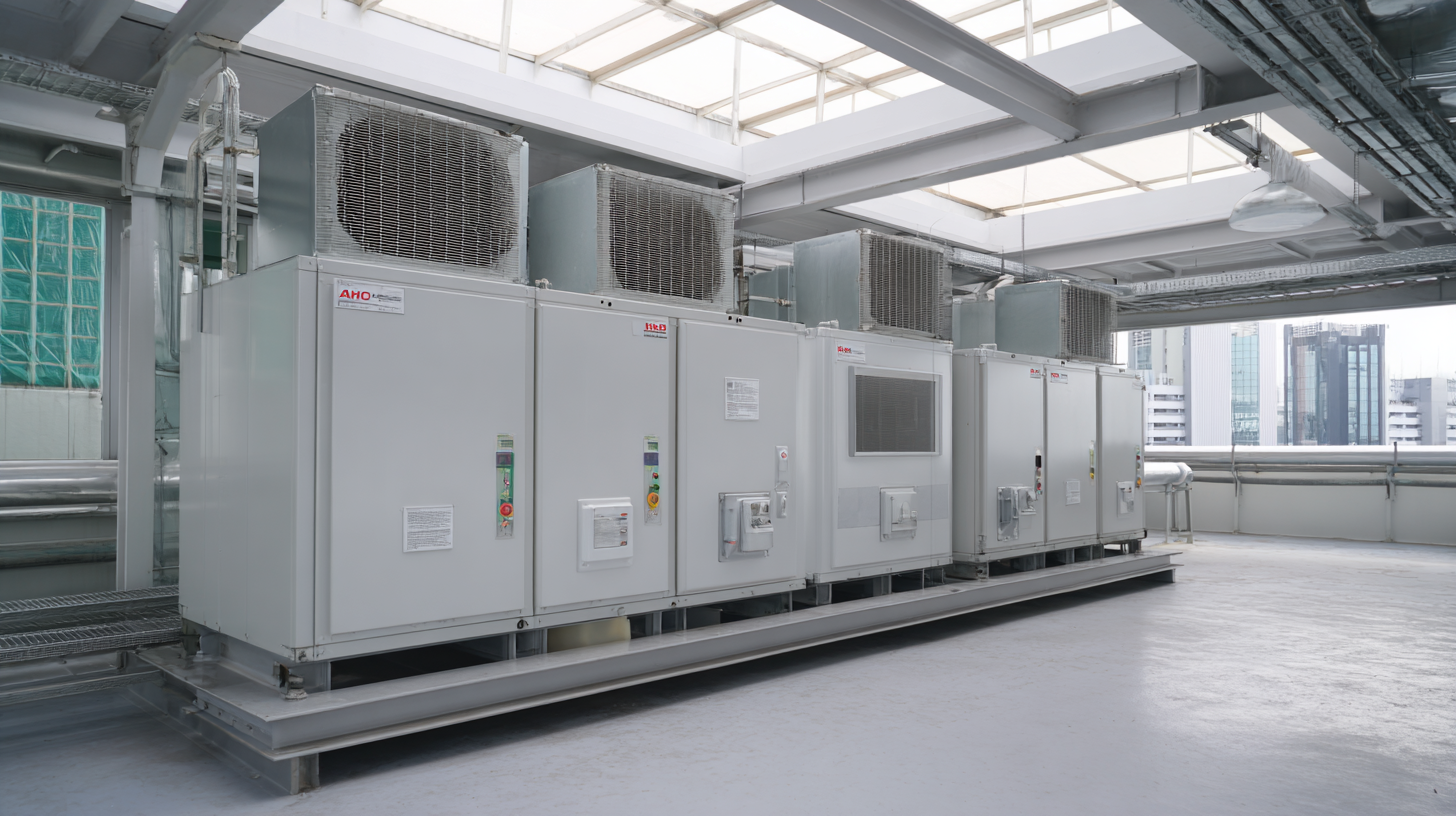
In today’s fast-moving world, keeping indoor air quality (IAQ) up to par is more important than ever—especially for businesses like restaurants, cafes, hotels, and resorts. That’s where Ahu Units, or Air Handling Units, really come into play. They’re a key part of creating healthier, fresher indoor spaces, all while saving energy and cutting down costs. Here at Foshan Kelan Environmental Protection Co., LTD, we’re really proud of our top spot in the electrostatic Air Purification game with our Kleanland brand, which currently holds the largest market share in these sectors. By using advanced Ahu Unit tech, we can help you make sure the air in your place is as clean and safe as possible—making it better for both your staff and your customers. Plus,investing in these solutions isn’t just good for business; it shows you care about sustainability and being environmentally responsible. It’s a win-win all around.
Understanding the Importance of Indoor Air Quality in Modern Buildings
You know, indoor air quality (or IAQ, for short) has really become a big deal these days—especially in modern buildings. It’s not just about feeling comfortable; it actually impacts our health, how well we work or focus, and basically how we feel overall. When the air inside isn’t great, it can cause stuff like breathing problems, allergies, and even make it harder to think clearly. So, keeping the air clean isn’t just a luxury—it’s pretty much essential for creating spaces where people can learn, work, and just live better.
One really effective way to boost IAQ is by using Air Handling Units (or AHUs). These devices do a great job of ventilating spaces and keeping humidity in check, which is super important for good air quality. But here’s the thing—regular maintenance matters. That means swapping out Filters and making sure air flows smoothly so bad stuff doesn’t keep circulating around.
Here are a few tips to help improve indoor air quality:
- Add some houseplants—they’re surprisingly good at naturally filtering toxins and boosting oxygen levels.
- Keep an eye on humidity—too much moisture can lead to mold and dust mites, so don’t forget to control it.
- When choosing building materials, go for low-VOC options. They emit fewer harmful chemicals and make your space safer and healthier.
Basically, little steps like these can make a big difference in making your indoor environment
healthier and more inviting.
Key Features of AHU Units that Enhance Air Quality
So, if you think about it, having Air Handling Units (AHUs) in place is pretty much essential for keeping indoor air quality in check, especially in busy buildings or spaces where air can get stuffy. One of the coolest things about AHUs is how they’re able to filter and clean the air before it gets circulated around—kind of like giving your indoor environment a breath of fresh air. Usually, these units come with HEPA filters, which are super effective at catching most airborne particles, allergens, and pollutants. That’s not just good for your health, but it also helps the system run more efficiently—because when the air quality is better, the system doesn't have to work as hard, saving energy in the process.
And here’s another thing—controlling humidity is a big deal. Nobody wants the place to be too humid or too dry—both can cause problems like mold, mildew, or just feeling super uncomfortable. That’s where AHUs with fancy humidification and dehumidification stuff come into play. They can fine-tune the moisture levels so that the indoor climate feels just right. Plus, by keeping temperature and humidity in check, these units help reduce energy bills whittling away on heating and cooling costs. All in all, they make sure the air inside stays comfy and pleasant, without sacrificing energy efficiency.
Energy Efficiency Benefits of Optimizing AHU Performance
Getting the most out of your Air Handling Units (or AHUs for short) is super important if you want your building to use energy more efficiently. Basically, AHUs are the core of your heating, ventilation, and air conditioning (HVAC) setup—they’re the ones responsible for moving and controlling the air around inside. When these units aren’t running at their best, it can really hike up your energy bills. So, tuning them up properly can make a big difference. Things like installing variable speed drives, upgrading filters, and using smart controls can help ensure the system delivers just the right amount of fresh air without wasting energy. It’s like giving your HVAC a bit of a tune-up, and the benefits show up pretty quickly.
But here’s the thing—making sure your AHUs are optimized doesn’t just save you money on energy. It also means better indoor air quality, which is a win for anyone inside the building. Plus, when ventilation is on point, you don’t have to crank the heat or AC as much, which cuts down on utility costs. Keeping humidity levels in check with efficient AHUs helps prevent mold growth, too—saving you from costly repairs and extending the life of your building. All in all, integrating energy-efficient tech into your AHUs isn’t just good for the environment, it also makes financial sense. That’s why a lot of modern building management teams are really focusing on this stuff—it's a win-win all around.
Maximizing Indoor Air Quality with AHU Units: The Key to Energy Efficiency and Cost Savings
| Dimension | Value | Benefit |
| Air Change Rate (ACH) | 6 ACH | Improved Indoor Air Quality |
| Energy Recovery Efficiency | 75% | Reduced Energy Costs |
| Filtration Efficiency | MERV 13 | Minimized Allergens |
| Annual Maintenance Cost | $1,500 | Sustained System Performance |
| Return on Investment (ROI) | 20% | Cost Savings in Energy Bills |
| CO2 Reduction | 15 tons/year | Enhanced Environmental Sustainability |
Cost Savings Associated with Improved Indoor Air Quality
Improving indoor air quality (IAQ)isn’t just about health — it can actually save a lot of money too. Thanks to recent tweaks and new tech in air filtration and sensors, places like schools and airports can cut down on energy costs while making the Air Cleaner and healthier.Better air quality means fewer breathing problems and sharper thinking for students, which can help boost learning outcomes and even lower healthcare bills.
On top of that, energy-saving solutions like smart air purifiers are becoming pretty much a must-have for tackling indoor pollution. Pushing for rules that require better IAQ in public buildings can give us quick wins in protecting folks’ health and, over time, save us some serious cash. For example, Canadian airports have shown that putting in advanced air filters not only improves the air but also brings down operational expenses — kind of a win-win situation that others could definitely learn from.
Best Practices for Maintaining AHU Units for Longevity and Efficiency
Keeping your Air Handling Units (AHUs) in good shape is actually pretty key if you wanna make sure the indoor air is fresh and healthy—plus, it helps save energy and cut down on costs. Doing regular maintenance isn’t just about prolonging the life of your equipment; it also stops you from wasting energy. Fun fact: studies show that well-kept AHUs can boost energy efficiency by as much as 30%. Things like changing filters regularly, cleaning the coils, and checking for leaks in the refrigerant—those little steps really add up in creating a healthier indoor space and keeping your expenses in check.
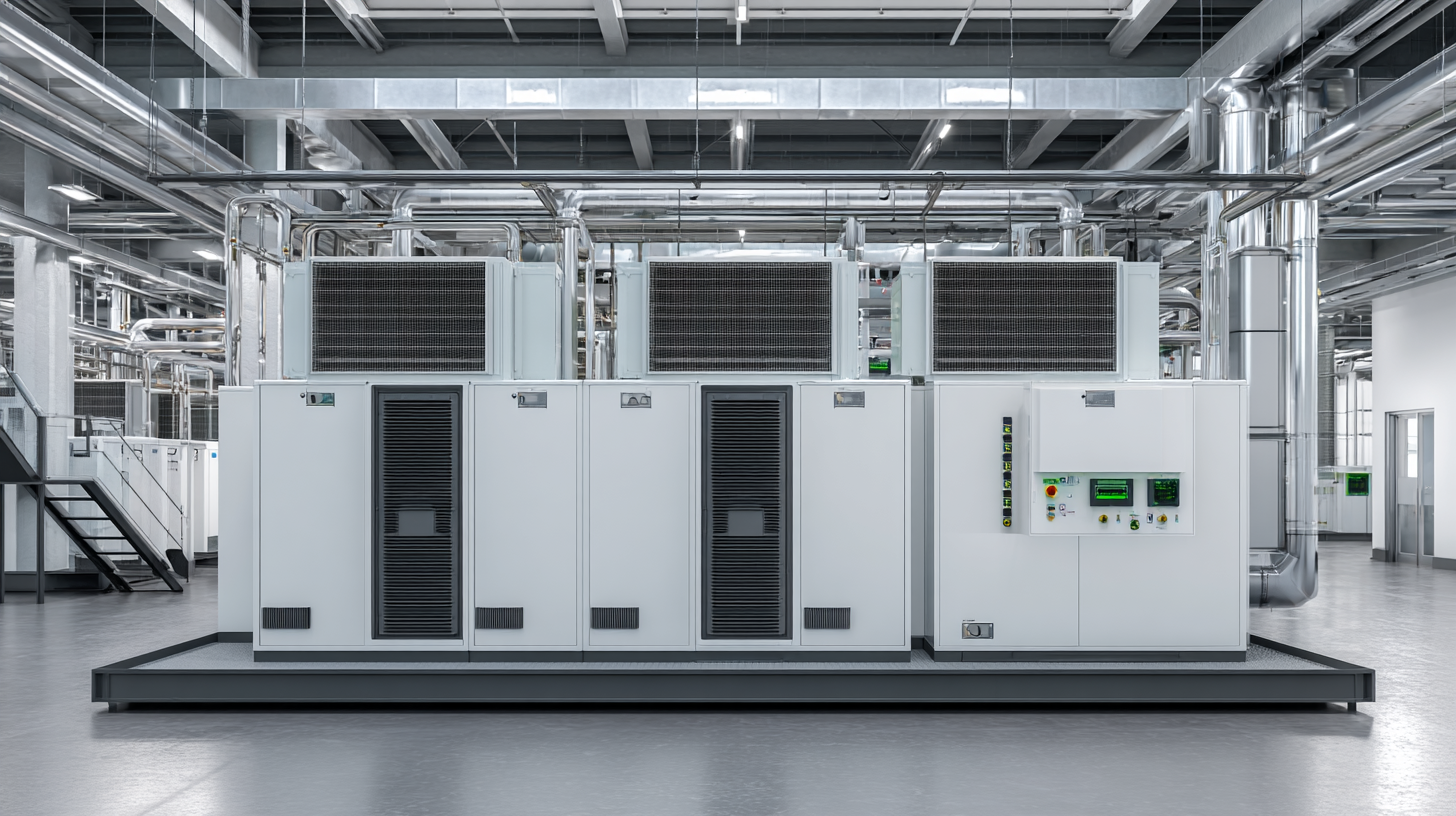
Here’s where Foshan Kelan Environmental Protection Co., LTD and their Kleanland brand come into play—they’re pretty much leading the charge with their advanced air purification tech. Adding electrostatic purification into your AHUs can seriously improve air quality, especially in busy spots like hotels and restaurants where making guests comfortable is a big deal. Industry insights suggest that businesses using top-notch air purification methods have seen airborne contaminants drop by up to 90%. That’s a huge win for health and safety compliance. Bottom line: if you follow good maintenance practices for your AHUs, you’ll not only keep things running smoothly but also see some nice savings on costs over time.
The Role of Smart Technology in Enhancing AHU Functionality
So, you know how smart tech is really changing the game for air handling units (or AHUs)? It’s pretty cool. With fancy sensors and the internet of things, these units can actually adjust how much they ventilate based on real-time data — like whether people are around or how clean the air is. That kind of precision not only makes things more comfortable, but it also helps save energy and cut down on costs in the long run.
If you want your AHU to perform at its best, a couple of tips go a long way. Keeping the software updated is a must — it helps fix bugs and adds new features. Also, don’t forget regular maintenance checks. And if you can, add some air quality sensors. They give feedback and can even tell the unit to kick into higher gear when needed, improving the air filtering and circulation.
Plus, using smart controls allows the system to learn usage patterns and adjust accordingly. This way, energy isn’t wasted during off-hours, which is a total win. All these tweaks aren’t just about creating a healthier indoor environment — they also help save money and support sustainability. Jumping on these tech trends really makes a difference if we want a smarter, more energy-efficient future.
FAQS
ir Handling Unit (AHU) performance?
Facilities can enhance AHU performance by implementing variable speed drives, improving filtration systems, and utilizing smart controls to ensure the right amount of fresh air is delivered while minimizing energy waste.
Improved IAQ contributes to a healthier environment, results in enhanced occupant well-being, and can lead to substantial cost reductions due to decreased heating or cooling needs and lower utility bills.
Energy-efficient solutions like smart air purifiers improve IAQ, leading to fewer respiratory issues and increased cognitive function, which in turn can reduce healthcare costs and operational expenses.
Smart technology allows AHUs to adjust ventilation rates dynamically based on real-time data, enhancing comfort and improving energy efficiency, which significantly reduces operational costs.
Tips include regularly updating software, performing timely maintenance checks, and installing air quality sensors to provide feedback for adaptive responses in air filtering and circulation.
Smart controls can predict and adapt to usage patterns, ensuring energy isn't wasted during off-peak times and helping maintain a healthy indoor environment.
Investing in advanced air filtration systems in public institutions improves IAQ, safeguarding public health, and generates long-term cost savings.
Maintaining optimal humidity levels through efficient AHU performance can reduce the risk of mold growth, ultimately lowering maintenance costs and improving building longevity.
The integration of energy-efficient technologies within AHUs supports sustainability goals and promotes economic savings, which is a key focus for modern building management.
Conclusion
The article titled "Maximizing Indoor Air Quality with AHU Units: The Key to Energy Efficiency and Cost Savings" really highlights how crucial good Indoor Air Quality (IAQ) is for today's buildings. It points out how AHU units come with smart features that can actually make the air inside much healthier to breathe. And honestly, when you tune up these units properly, not only does the air get better, but you also save a ton of energy and cut down on costs—so it's a win-win all around.
Of course, keeping these AHU units in tip-top shape through good maintenance habits is super important if you want them to last and work their best. Plus, adding some modern tech into the mix takes things up a notch — allowing for better monitoring and control over air quality. Since Kleanland specializes in electrostatic air purification, using advanced AHU units feels like a perfect fit, especially as they aim to create cleaner, healthier spaces in restaurants, hotels, and beyond.

 Online Message
 Phone:+8613927702137
 E-Mail: kleanesp@kleanland.com
 Whatsapp: +8613927702137