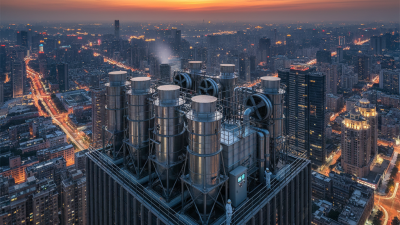
Particulate Filtration plays a crucial role in improving air quality by removing harmful airborne particles. According to a report by the World Health Organization, approximately 9 out of 10 people breathe air containing high levels of pollutants. This highlights the urgent need for effective filtration methods to combat Particulate Air Pollution.
Michael Smith, a leading expert in air quality management at Clean Air Solutions, once stated, "Effective particulate filtration is essential for maintaining public health." This underscores the significance of advanced filtration technologies. Currently, the global market for Particulate Filtration is projected to reach $16 billion by 2025, emphasizing the growing importance of this industry.
While there are many filtration options available, not all are equally effective. Older systems may fail to capture finer particles, which can pose health risks. The challenge remains to innovate solutions that meet varying air quality standards. Continuous research is crucial as we strive for cleaner air.
What is Particulate Filtration?
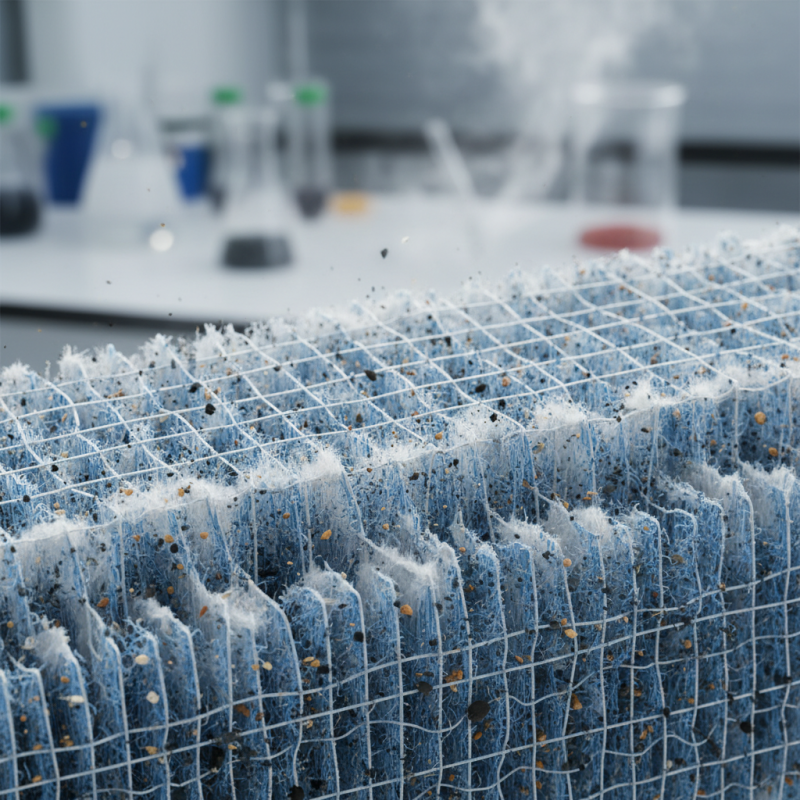
Particulate filtration is a process designed to remove particles from air or liquids. These particles can be dust, pollen, or even tiny microorganisms. Filtration systems often use various materials to capture these unwanted substances. Common methods include using Filters like HEPA or activated carbon. Each type of filter has its own mechanism for trapping particles.
One crucial tip is to regularly check and replace filters. Dirty filters can lead to decreased efficiency. It's easy to forget this step, yet it significantly affects performance. Also, consider the right filter for your needs. Not all systems are equal. Sometimes a less complex system works just fine for your situation.
Another point worth mentioning is the importance of airflow. Restricted airflow can hinder filtration. Ensure there’s ample space around the filtration unit. Dust and debris can accumulate, causing issues. Monitoring airflow can often be overlooked but can lead to better filtration results. Being aware of these details is vital for optimal function.
The Science Behind Particulate Filtration Mechanisms
Particulate filtration relies on several mechanisms to capture unwanted particles. These particles can include dust, pollen, smoke, and biological contaminants. Capturing these is essential for maintaining clean air and water. The science behind this process is fascinating and complex.
One primary mechanism is interception. As air flows through a filter, larger particles don't follow the airstream. They collide with the fibers and get stuck. Smaller particles may follow the flow but can also hit fibers randomly. This randomness increases the chances of their capture. Additionally, diffusion plays a role in capturing ultrafine particles. These tiny particles move erratically, making them more likely to collide with the filter fibers.
However, the effectiveness of particulate filtration has its limitations. Filters can become clogged, reducing airflow and effectiveness over time. Some particles may pass through. This can lead to concerns about indoor air quality. Regular maintenance and monitoring can help, but they are often overlooked. Understanding these mechanisms can inspire improvements in filter design and usage. There’s always room for advancement. Continuous research remains crucial in this field, aiming for better filtration solutions.
Types of Particulate Filters: HEPA, ULPA, and More
Particulate filters are crucial for clean air. They come in various types, each designed to capture different sizes of particles. HEPA filters, for instance, are known for their efficiency. They can trap at least 99.97% of particles that are 0.3 microns in size. This makes them ideal for settings like hospitals or laboratories. However, their effectiveness can wane if not replaced regularly. People sometimes forget this essential maintenance.
Another type is ULPA filters. They hold even higher standards than HEPA filters. ULPA filters capture 99.999% of particles down to 0.12 microns. This makes them suitable for industries that demand ultra-clean air, such as semiconductor manufacturing. The design of these filters can be complex. This complexity can lead to oversights in their installation or maintenance.
Exhaust Air Filtration is an essential process that helps remove airborne contaminants in various applications. Filters can vary greatly in structure. Some may have a higher dust-holding capacity, while others focus on airflow. Different applications will benefit from different types of filters. Understanding these distinctions can help prevent potential issues. Filters should not just be purchased blindly; their selection requires careful thought and consideration.
Applications of Particulate Filtration in Various Industries
Particulate filtration plays a critical role across various industries. In healthcare, for example, filtration systems are essential to maintain clean environments. They remove pollutants and pathogens from air and surfaces, safeguarding patient health. A study by the World Health Organization highlights that effective filtration reduces hospital-acquired infections by up to 30%.
The manufacturing sector also significantly benefits from particulate filtration. Factories use these systems to minimize dust and harmful particles. A report from the Environmental Protection Agency states that proper filtration can reduce particulate matter by over 80%. This improvement not only creates a safer workplace but also enhances product quality. Many companies focus on Industrial Odor Filtration, eliminating unpleasant smells that can impact worker comfort and productivity.
Tip: Regular maintenance of filtration systems is key. Schedule routine checks to ensure efficiency. Don’t overlook filters; clogged systems can decrease filtration effectiveness. Another aspect to consider is energy consumption. More efficient filters can lead to lower energy costs. However, balancing cost and performance is vital. Always review the specifications before making decisions.
What is Particulate Filtration and How Does It Work? - Applications of Particulate Filtration in Various Industries
| Industry | Application | Filtration Method | Efficiency (%) |
| Water Treatment | Removal of sediments and contaminants | Membrane Filtration | 99% |
| Pharmaceuticals | Sterilization of products | Depth Filtration | 95% |
| Food and Beverage | Clarification of liquids | Microfiltration | 97% |
| Automotive | Air intake filtration | HEPA Filters | 99.97% |
| Construction | Dust control in the air | Electrostatic Precipitation | 90% |
Factors Affecting the Efficiency of Particulate Filtration
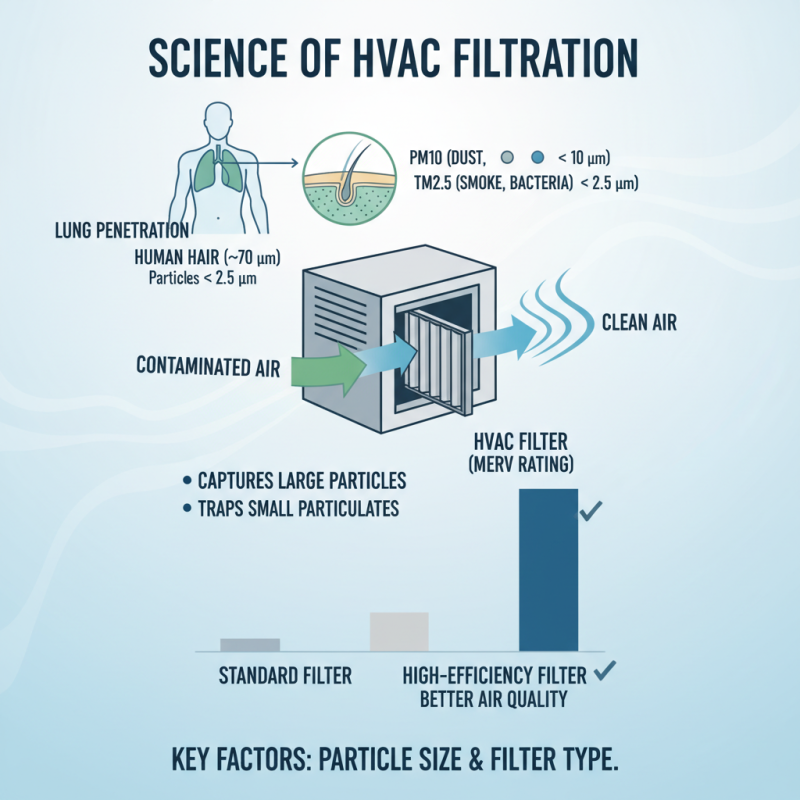
Particulate filtration plays a crucial role in maintaining air quality. Several factors influence its efficiency. One key aspect is the size of the particles. Studies show that particles less than 2.5 micrometers in diameter can penetrate deep into the lungs. This is where effective Hvac Filtration becomes essential. Filters must capture both large and small particles to ensure clean air in indoor environments.
Air velocity also significantly impacts filtration efficiency. When air moves too quickly, filters may not have enough time to trap particles effectively. In contrast, slower airflow allows better particle capture. A recent report indicated that filters operating at optimal velocities can enhance removal rates by up to 30%. Remember to check your HVAC system settings to achieve this balance.
Humidity levels can complicate filtration processes. High humidity can cause filters to clog, reducing their effectiveness. Regular maintenance can mitigate this issue. Clean or replace filters according to guidelines. A dirty filter can reduce airflow and increase energy consumption by 20%. Prioritizing filter quality can greatly improve your air quality. Think about your environment and question if your current setup meets your needs.
Maintenance and Lifespan of Particulate Filters
Particulate filters play a crucial role in reducing airborne contaminants. They remove particles from the air, but proper maintenance is essential for optimal performance. Regular cleaning is necessary. The filter's lifespan is a key concern. Many reports indicate that, on average, filters last between 3 to 5 years, depending on usage and conditions.
Maintenance includes checking for blockages. Clogged filters can lead to increased energy consumption. Studies suggest that a 10% decrease in airflow can reduce the filter’s efficiency significantly. Regular inspection and timely replacement are vital. However, many users neglect this aspect, leading to suboptimal performance and potential health risks.
In real-world applications, filters must endure various stressors, including humidity and temperature fluctuations. These factors can accelerate wear and affect the filter's lifespan. A proactive approach to maintenance can extend the life of particulate filters, yet some systems still struggle. This inconsistency poses a challenge for users and technicians alike, demonstrating the need for better awareness and proper practices.
Future Trends in Particulate Filtration Technologies
Future trends in particulate filtration technologies are shaping the way we approach air quality. As concerns about pollution rise, innovations emerge. One notable trend is the integration of advanced materials that enhance filtration efficiency. These materials capture smaller particles and improve overall air quality.
Ozone Air Filtration systems are gaining traction. They use ozone to break down pollutants, offering a new layer of protection. The technology is appealing, but not without challenges. Ozone can be harmful at high levels. Striking a balance is crucial. Developers are now focused on creating safer ozone concentrations that effectively clean the air without posing health risks.
Another trend involves the use of smart technology. Sensors can monitor air quality in real time. This data helps in adjusting filtration levels accordingly. However, these systems can be costly. Not everyone can afford them. There's a need for affordable solutions that still provide effective filtration. As technology evolves, collaboration between innovators can lead to more accessible options for everyone.
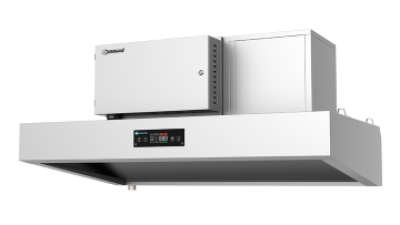
Maximize Your Kitchen's Air Quality: The Benefits of a 98% Filtration Efficiency Kitchen Hood with Electrostatic Precipitator
In modern kitchens, the importance of air quality is paramount, especially in commercial environments where cooking emissions can significantly impact the health and comfort of both staff and patrons. A kitchen hood with a filtration efficiency of up to 98.5% is essential for reducing smoke particulates and ensuring a safe working atmosphere. Advanced technologies like electrostatic precipitators (ESP) have emerged as effective solutions, capturing particles down to submicron sizes, contributing to a healthier kitchen environment.
Industry reports indicate that the introduction of high-efficiency range hoods can drastically lower airborne particulates, leading to improved overall air quality. ESP devices utilize electrostatic charges to attract and eliminate grease, smoke, and other pollutants efficiently. With their modular design and stainless steel components, these systems not only provide durability but allow for streamlined maintenance. Notably, many models offer an auto steam wash system, which can extend operational intervals without manual cleaning, enhancing productivity in busy kitchens.
The move towards high-efficiency filtration systems aligns with rising health standards in the foodservice industry. Studies have shown that maintaining enhanced air quality not only protects staff from respiratory issues but also improves customer satisfaction, as pleasant dining environments are a crucial aspect of the dining experience. Investing in kitchen hoods that prioritize air quality can yield long-term benefits for commercial kitchens, supporting both health and business success.
FAQS
: The content aims to provide informative insights on various topics.
Yes, they include useful suggestions for everyday situations.
Yes, readers can expect to see concrete examples and scenarios.
The tone tends to be conversational and approachable.
Complex concepts are broken down into simpler terms.
Some ideas may not fully address all aspects. Reflection is encouraged.
Yes, the insights can help guide personal choices.
It’s good to seek clarification or additional resources.
Regular reflection ensures better understanding and application.
The content is suitable for a wide range of readers.
Conclusion
Particulate filtration is a crucial method used to remove airborne particles from various environments, ensuring cleaner air and healthier living conditions. The science behind particulate filtration involves mechanisms such as interception, inertial impaction, and diffusion, which work together to capture dust, allergens, and other particulates. Various types of filters, including HEPA and ULPA, serve specific applications across industries such as healthcare, manufacturing, and automotive, highlighting their versatility and importance.
The efficiency of particulate filtration can be influenced by several factors, including particle size, filter material, and airflow rate. Regular maintenance and attention to the lifespan of these filters are essential for optimal performance. As technology advances, we can expect future trends in particulate filtration to focus on enhancing filtration efficiency and sustainability, ensuring this vital process continues to play a key role in protecting air quality and public health.

 Online Message
 Phone:+8613927702137
 E-Mail: kleanesp@kleanland.com
 Whatsapp: +8613927702137