Leave Your Message
-
 Online Message
-
 Phone:+8613927702137
-
 E-Mail: kleanesp@kleanland.com
-
 Whatsapp: +8613927702137
Online Message Phone:+8613927702137
E-Mail: kleanesp@kleanland.com Whatsapp: +8613927702137 When it comes to managing air quality, particulate Filters really play a crucial role in cutting down air pollution and making indoor air healthier to breathe. Did you know that, according to the World Health Organization, air pollution is responsible for roughly 7 million early deaths every year? That really highlights how important it is to have effective filtration systems in place. Using high-efficiency particulate air (HEPA) filters, which can trap up to 99.97% of tiny particles as small as 0.3 microns, is super important in places like restaurants, cafés, and hotels.  In this space, Foshan Kelan Environmental Protection Co., LTD, with its popular Kleanland brand, is actually a big name — they hold the top spot in the market. Their expertise in electrostatic Air Purification shows they’re dedicated to improving air quality and creating healthier environments, especially in busy, commercial spaces.
Particulate filters are pretty essential when it comes to improving air quality. They do a great job of trapping tiny airborne particles that are major culprits behind pollution and respiratory problems. Basically, these filters target those tiny bits—like PM2.5 and PM10—that are actually pretty harmful to both our health and the environment. By catching these particles, particulate filters help us meet the standards set by environmental agencies, which means cleaner and safer air for everyone in the community.

You'll find these filters being used everywhere — from big industrial facilities to indoor Air Purifiers in your own home. And honestly, they make a real difference. Not only do they help us stick to air quality rules, but they also protect people’s health. As cities get more crowded and pollution levels climb, havingadvanced filtration tech isn’t just a bonus — it’s a necessity. Investing in better particulate filters means cleaner air for all of us and fewer worries about the negative impacts of pollution on our daily lives.
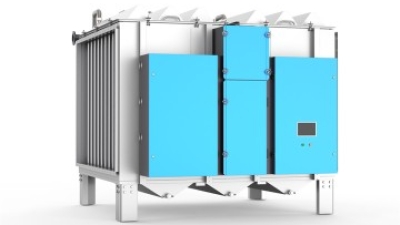
In today's industrial landscape, maintaining optimal air quality is paramount for both the environment and the health of workers. The introduction of the 95% efficiency Wide Airway ESP Filters represents a significant advancement in air purification technology. These filters, designed with widths of 1100mm and 1300mm and standard lengths of 1.6m, 2m, and 2.4m, are engineered for versatility across various industrial applications. Their adjustable air outlets, located at the front, top, rear, and sides, ensure tailored airflow management, meeting the unique needs of different facilities.
Equipped with the latest Kleanland IoT power pack, these filters not only enhance efficiency but also integrate modern technology for real-time monitoring and control. The stainless-steel cylindrical honeycomb filter cell maximizes filtration effectiveness while ensuring durability. Additionally, users can opt for advanced features such as steam auto-cleaning capabilities, an Activated Carbon Filter for enhanced odor removal, and a UV Odour Eliminator, all of which contribute to creating a healthier work environment. By adopting 95% efficiency Wide Airway ESP Filters, industries can significantly improve their air quality, promote worker well-being, and adhere to stringent environmental standards.
: Particulate filters are devices designed to capture airborne particles that contribute to pollution and respiratory diseases. Their primary purpose is to remove harmful fine particulate matter (PM2.5 and PM10) from the air, thereby enhancing air quality standards.
By effectively capturing harmful particles, particulate filters reduce the concentration of pollutants in the air, helping industries and indoor environments meet the regulatory standards set by environmental agencies.
High-Efficiency Particulate Air (HEPA) filters are among the most effective, capable of trapping 99.97% of particles as small as 0.3 microns. Other effective types include electrostatic precipitators and activated carbon filters, each serving specific air quality management purposes.
Exposure to particulate matter (PM2.5) is linked to respiratory problems and other health issues. An estimated 4.2 million premature deaths globally are attributed to health problems primarily caused by ambient air pollution from such particulate matter.
Activated carbon filters effectively adsorb volatile organic compounds (VOCs), thereby reducing indoor air pollution concentrations and improving overall air quality.
Electrostatic precipitators have demonstrated removal efficiencies exceeding 90% for larger particles, making them a valuable tool in the management of airborne pollutants.
An integrated strategy employing multiple filtering technologies is recommended because each filter type has distinct advantages, and combining them may yield the highest improvements in air quality.
By implementing particulate filters, communities can achieve cleaner and safer air, which promotes public health and mitigates the adverse effects of air pollution on society.
As urban areas face increasing pollution levels, the role of advanced filtration technologies, including particulate filters, becomes more critical in ensuring a healthier atmosphere.
The Environmental Protection Agency (EPA) and the World Health Organization (WHO) provide guidelines and data on the effectiveness of various filter types in managing air quality.
So, I was reading this article called "Understanding the Science Behind Particulate Filters in Air Quality Management," and honestly, it gives a pretty good rundown of how these filters really make a difference when it comes to cleaning up the air we breathe. It talks about the different ways particulate matter gets caught — especially in busy city environments — and how various types of filters can do the job effectively. Plus, it points out that adding these filters into the wider air quality systems is a smart move if we want to protect environmental health better. It’s all about creating a more complete, healthier approach to managing air quality.
Now, talking about Foshan Kelan Environmental Protection Co., LTD — they’re really leading the charge in this field. They’re using cutting-edge electrostatic air purification tech, which keeps them ahead of the game as a top brand. Their focus on tackling challenges with innovative filter solutions helps them set high standards in performance and efficiency. They’re working across sectors like restaurants, cafés, and hotels, pretty much everywhere you can think of wanting cleaner air. Pretty impressive stuff, if you ask me.




 Particulate filters are pretty much unsung heroes when it comes to keeping the air we breathe cleaner. They catch those tiny, harmful aerosols that can mess with our lungs and harm the environment. Among all the options out there,