In today’s fast-changing workplace scene, keeping employees safe has become more crucial than ever. One area that often doesn’t get enough attention is catching smoke perpetrators—those sneaky sources of smoke that can really pose health risks and throw a wrench in how smoothly a business runs. Recent studies show that smoke not only violates safety standards set by regulators, but it can also cause big financial headachesfor companies. As a leader in electrostatic Air Purification,Foshan Kelan Environmental Protection Co., LTD, famous for its Kleanland brand, really stresses how important it is to have advanced smoke detection systems in place.
Our tech doesn’t just improve air quality in places like restaurants, cafés, canteens, hotels, and resorts—it also helps protect staff and keeps companies on the right side of safety rules. Looking ahead to 2023, understanding why smoke detection is a must is key to creating a safer, healthier work environment for everyone.
The Rising Impact of Workplace Smoking on Employee Health and Productivity
You know, smoking at work really isn’t just a personal choice—it can actually cause quite a few problems for everyone around. Lately, folks have been talking more about how smoking can mess with the vibe in the office. It’s not just about the health risks for the smokers themselves, but also about non-smokers catching secondhand smoke, which is honestly pretty unfair. This stuff can lead to more days missed—both because smokers take breaks to light up, and because the unhealthy environment affects others too. And with healthcare costs on the rise, managers are starting to realize they need to step up and do something about it.
Some companies around the world are trying out pretty clever ideas. Like, in Japan, a few are even offering extra paid leave to employees who don’t smoke—kind of a reward for staying smoke-free, which also makes sense since taking frequent breaks for smoking can hurt productivity. It’s a win-win: it lifts everyone’s spirits and helps create a healthier, more positive workspace.
As businesses keep putting more emphasis on employee wellbeing, installing smoke detection systems and offering support to quit can really make a difference. Honestly, as the workforce changes in 2023, tackling smoking at work is one of those things that really helps boost overall health and efficiency. Everyone wins when workplaces are healthier and happier.
Understanding the Legal Implications of Smoke Perpetrator Detection in Workplaces
 So, 2023 has really shaken up the whole scene when it comes to workplace safety, especially around detecting smoke perpetrators. Employers are now under even more pressure to keep their workplaces safe—like, it’s a big deal. Recent reports from the Health and Safety Executive (HSE) show that more than 13,000 work-related injuries each year are linked to fires. Not having proper smoke detection systems in place can lead to pretty serious consequences—think hefty fines, legal trouble, and even higher insurance costs. Yikes.
Adding some smart, advanced smoke detection tech isn’t just about safety; it also helps you stay compliant with the rules. That way, you’re protecting your staff and your business from legal headaches. According to the National Fire Protection Association (NFPA), companies that take proactive steps with smoke detection can cut their fire incidents by up to 60%. That’s a pretty strong sign that it’s worth investing in these systems—to keep everyone safe and steer clear of legal trouble.
Quick Tip: Make it a habit to regularly review and update your fire safety policies. And don’t forget to include current smoke detection protocols—they need to match the latest regs.
Also: Consider training your team on how to spot and report suspicious activity related to smoke or fires. It’s a good idea to help everyone understand just how serious neglect can be—it’s all about keeping safety top of mind.
How Advanced Detection Technologies Enhance Smoke Monitoring and Reporting
So, in 2023, making sure workplaces are safe really depends on having solid smoke detection systems that use the latest tech. Lately, we've been seeing a lot of emphasis on quick response times and dependable monitoring — it’s a game changer. Thanks to new sensor tech, modern smoke alarms can even spot the tiniest hints of smoke early on, giving folks a chance to jump into action before things get out of hand. These systems are pretty slick because they fit right into the safety plans companies already have, boosting overall safety measures without much hassle.
The global market for smoke detectors is booming, and it’s expected to hit around USD 85.58 billion by 2034, growing at roughly 10.5% annually. That’s mainly because people are more aware of workplace dangers and the importance of sticking to safety laws. With these new detection features, businesses can monitor much more accurately and respond faster, which seriously cuts down fire risks. Putting money into smart smoke detection isn’t just about protecting buildings or equipment — it’s really about saving lives and cultivating a culture of safety and responsibility all around.

Case Studies: Successful Implementation of Smoke Detection Systems in Various Industries
In today’s fast-changing industrial world, having a good smoke detection system isn’t just a nice-to-have anymore — it’s pretty much essential for keeping workplaces safe across all kinds of industries. There are plenty of real-world stories showing how companies have actually put these tech solutions to work, not just to tick safety boxes but to build a culture where everyone’s proactive about spotting risks early on. For example, one big manufacturing plant installed some really top-notch smoke detectors that cut down how long it took to respond to potential fires. Because they acted quickly, they saw fewer incidents overall, saving both their workers and their equipment — plus, keeping operations running smoothly.
And it’s not just factories. Take the hotel industry, for instance. One major hotel chain decided to upgrade with advanced smoke detection systems that sync up with their fire alarms. The result? They were able to evacuate guests way faster during drills and actual emergencies, making everyone safer. Plus, they used the data coming from these systems to improve safety routines and train their staff better – showing how having real-time info can really make a difference when it counts. All in all, these stories just go to show that investing in good smoke detection isn’t just a good idea anymore — it’s a critical part of any solid workplace safety plan today.
5 Key Reasons Why Smoke Perpetrator Detection is Essential for Workplace Safety in 2023
Effective smoke detection systems are critical in 2023 for ensuring workplace safety. The chart above illustrates the impact levels of various factors influenced by smoke perpetrator detection, highlighting the necessity for robust safety measures across industries.
The Role of Employee Training in Promoting a Smoke-Free Workplace Culture
Employee training really plays a crucial role when it comes to building a smoke-free workplace vibe. Especially in 2023, as companies are more focused than ever on safety and employee well-being. You know, research shows that rolling out solid health education programs can really cut down smoking rates among staff, leading to a healthier, happier workforce. For example, workplaces that put effort into smoking cessation initiatives see up to a 30% drop in smokers, which not only boosts overall productivity but also helps cut healthcare costs for businesses.
And with new and creative training methods, like peer counseling or even virtual reality simulations, these programs get even more effective. I recently read that companies using virtual reality for training saw a 40% jump in how engaged employees were and how well they remembered health and safety tips.
Plus, focusing on employee mental health—something emphasized in the 2024 National Strategy for Suicide Prevention—really highlights how important a supportive work environment is for reducing stress and substance abuse. So, in the end, empowering employees through targeted training isn't just about keeping the workplace smoke-free; it also supports their overall health and happiness.
Measuring the ROI of Smoke Perpetrator Detection Systems for Workplace Safety
Smoke detection systems really play a crucial part in keeping workplaces safe, and honestly, their return on investment is becoming easier to see. I came across a recent report from the National Fire Protection Association (NFPA), and it’s pretty eye-opening—fires in workplaces rack up billions of dollars in damages every year. Not only does that hit the wallet, but it also puts employee safety at serious risk. Putting in smoke alarms and detection systems can cut down response times big time, which can literally save lives. So, when you think about it, that initial cost is well worth it.
When you’re trying to figure out the ROI on these systems, it’s smart to look at how much money you might save on property damage and downtime. Studies show that businesses with smoke detection installed see about a 25% drop in fire-related incidents. Plus, companies that really prioritize safety tend to get lower insurance premiums, which helps improve the overall return.
A few quick tips to get the most bang for your buck:
- Make sure staff are regularly trained on what to do when an alarm goes off—evacuations can be nerve-wracking, so practice makes perfect.
- Get into the habit of routine check-ups and maintenance on your smoke detectors — you don’t want them to fail when you actually need them.
- Keep everyone in the loop about the safety measures you’ve got in place. A solid safety culture doesn’t just protect people — it boosts morale and productivity too.
Transform Your Kitchen: The Benefits of In-Duct Cooking Oil Smoke Electrostatic Precipitator Filters
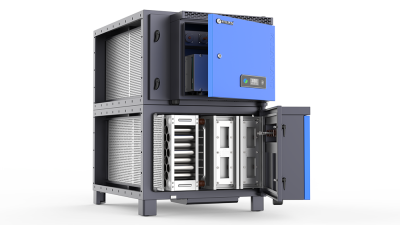
Transforming your kitchen to improve air quality and efficiency is increasingly important, especially in commercial settings where cooking can produce significant smoke and grease. One effective solution is the installation of an In-Duct Cooking Oil Smoke Electrostatic Precipitator (ESP) Filter. These advanced systems achieve filtration efficiency rates of up to 98%, effectively capturing cooking smoke, grease particles, and oil mist. This not only enhances the environment in the kitchen but also complies with health regulations and reduces fire risks.
Available in various sizes, the commercial kitchen hoods come with a depth of 1.1 meters (43 inches) and lengths ranging from 1.6 meters (63 inches) to 2.4 meters (94 inches). They are constructed with durable powder-coated steel housing and feature stainless steel ESP cells, ensuring longevity and reliability. For additional odor control, options like UV odor eliminators or activated Carbon Filters can be incorporated. Moreover, the choice between automotive water wash or steam wash adds convenience to maintenance, allowing kitchen staff to focus on culinary excellence rather than air quality concerns.
FAQS
: Employers can face severe penalties, including legal action, fines, and increased insurance premiums due to failure to ensure a safe working environment.
Advanced smoke detection technologies can identify early signs of smoke and empower organizations to respond swiftly, thereby minimizing potential fire damage and enhancing overall safety protocols.
Companies that implement proactive smoke detection measures can reduce fire incident rates by up to 60%, thereby protecting employees and reducing legal risks.
Fire safety policies should be regularly reviewed and updated to ensure alignment with current regulations regarding smoke detection protocols.
Training programs emphasize the importance of reporting suspected smoke perpetrators and help employees understand the legal ramifications of negligence in fire safety.
The global smoke detector market is projected to reach USD 85.58 billion by 2034, with a compound annual growth rate (CAGR) of 10.48%.
Case studies show successful implementation in various sectors, including manufacturing and hospitality, where advanced smoke detection systems significantly improved safety and reduced incident response times.
Real-time information from advanced smoke detection systems allows organizations to refine safety protocols and enhance staff training, improving overall emergency preparedness.
Implementing effective smoke detection systems helps safeguard both employees and assets, ensuring that operations can continue without significant interruptions from fire incidents.
Integrating smoke detection systems enhances the effectiveness of safety measures, ensures compliance with regulations, and fosters a culture of safety and responsibility in the workplace.
Conclusion
By 2023, it's pretty clear that detecting who’s smoking in the workplace is more important than ever. With the harmful effects of workplace smoking on employee health and productivity becoming harder to ignore, having solid smoke detection systems in place is really a must. Plus, with the legal stuff around smoking at work tightening up, companies need to jump on the tech bandwagon to stay compliant. These systems aren’t just about ticking boxes—they also help with monitoring and reporting, making the workplace safer and more secure.
Take Foshan Kelan Environmental Protection Co., LTD, for example. Their Kleanland brand is leading the way in electrostatic air purification, showing just how effective high-tech solutions can be when it comes to catching smoke perpetrators. And don’t forget, training employees to understand and respect the rules is just as vital. Plus, seeing how much these systems save in the long run—like boosting ROI—really makes the case. When organizations put all these pieces together, they’re not just preventing smoke—they’re creating a healthier, more welcoming workspace where everyone’s well-being really comes first.

 Online Message
 Phone:+8613927702137
 E-Mail: kleanesp@kleanland.com
 Whatsapp: +8613927702137