Smoke filtration might not be the most glamorous topic, but honestly, it’s super important when it comes to keeping indoor air healthy. As we start paying more attention to air quality, having a good filtration system at home or work isn’t just a luxury anymore — it’s pretty much a must. Think about it: smoke from cooking, candles, or even wildfires can sneak inside and introduce all kinds of nasty stuff that can mess with your health and make your space less comfy. That’s where smoke filtration tech comes in. It traps and neutralizes tiny particles and toxic aerosols, helping create a cleaner, safer environment.
But it’s not just about health stuff — a good smoke Filter can really boost the feel of your indoor space. These systems use clever filters to get rid of odors and that stubborn smoke smell, leaving your place smelling fresher and feeling more inviting. If you live in a busy city or somewhere prone to wildfires, having the ability to keep your indoor air clean is a game changer. Learning how smoke filtration works and what it offers can really help folks and businesses make smarter choices about improving their air. After all, everyone deserves a living space that’s safe, healthy, and just more pleasant to hang out in.

Definition of Smoke Filtration and Its Importance for Indoor Environments
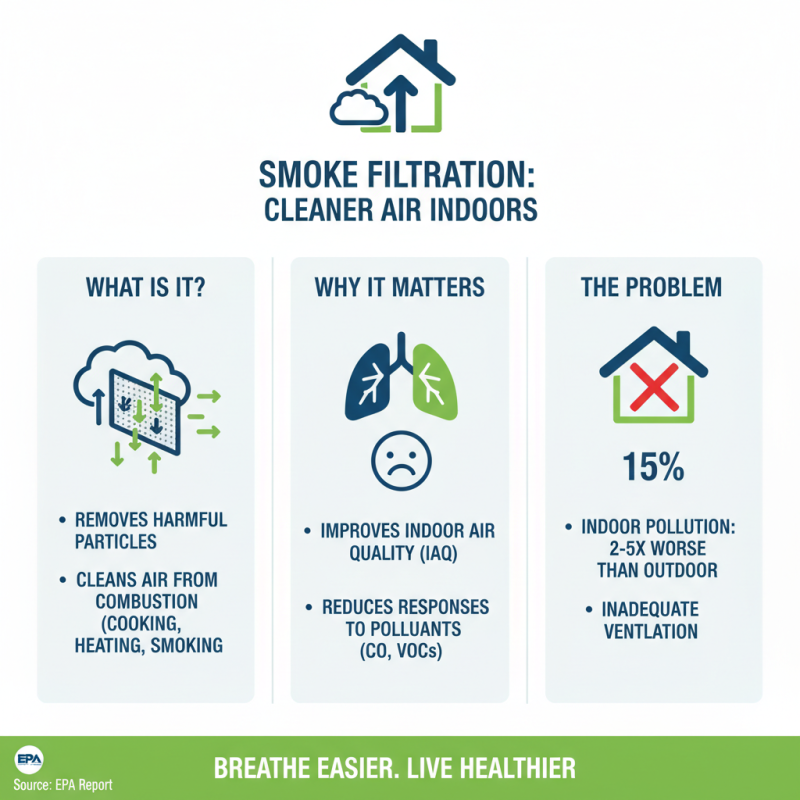
Smoke filtration refers to the process of removing harmful particles and pollutants from the air, particularly those generated during combustion processes like cooking, heating, or smoking. Smoke contains a mix of substances, including carbon monoxide, volatile organic compounds (VOCs), and particulate matter, which can have detrimental effects on indoor air quality (IAQ). According to a report by the Environmental Protection Agency (EPA), indoor levels of air pollutants can be two to five times higher than outdoor levels, largely due to inadequate ventilation and the presence of smoke.
The importance of smoke filtration in indoor environments cannot be overstated. Studies show that poor indoor air quality can lead to a range of health issues, including respiratory diseases, allergies, and cardiovascular problems. The World Health Organization (WHO) highlights that household air pollution is responsible for approximately 4.3 million premature deaths globally each year. Implementing smoke filtration systems can significantly decrease the concentrations of harmful substances in the air, thereby improving overall indoor air quality and protecting occupant health. Effective filtration not only enhances comfort and wellbeing but also can increase productivity and cognitive function, supporting a healthier living and working environment.
Types of Smoke Filtration Systems: Mechanisms and Technologies Explained
Smoke filtration systems are essential in enhancing indoor air quality by effectively removing particulate matter and harmful gases generated from combustion processes. These systems utilize various mechanisms to tackle smoke pollutants, ensuring a healthier living environment. According to the World Health Organization, indoor air pollution can lead to significant health issues, including respiratory diseases and cardiovascular problems, with around 4 million premature deaths attributed to indoor air pollution globally each year.
There are several types of smoke filtration systems available, each with its unique technologies and mechanisms. HEPA (High Efficiency Particulate Air) filters are widely recognized for their ability to trap 99.97% of particles, including smoke and fine particulate matter, down to 0.3 microns. Electrostatic precipitators, on the other hand, employ an electrical charge to capture smoke particles, proving highly effective in commercial settings. Additionally, activated Carbon Filters are adept at adsorbing volatile organic compounds (VOCs) and odors associated with smoke, making them ideal for residential use.
Industry reports indicate that integrating multiple filtration technologies in a system can significantly enhance the overall reduction of airborne pollutants, further improving indoor air quality and safeguarding occupant health.
How Smoke Filtration Works to Remove Particulates from Indoor Air
Smoke filtration is an essential process to enhance indoor air quality, particularly in environments affected by smoke from cooking, smoking, or other sources. The primary mechanism behind smoke filtration involves a combination of physical and chemical processes that effectively capture and neutralize particulate matter and harmful gases. High-efficiency particulate air (HEPA) filters are commonly used in smoke filtration systems due to their ability to trap up to 99.97% of particles as small as 0.3 microns, including ash, soot, and other smoke residues.
In addition to HEPA filters, activated carbon filters play a crucial role in smoke filtration by adsorbing volatile organic compounds (VOCs) and odors that are released during combustion. This dual-action filtering system not only removes harmful particulates but also significantly reduces unpleasant smells in the indoor environment. Proper maintenance of these filters is vital to ensure optimal performance and longevity, as clogged filters can diminish air quality and filtration effectiveness.
Tips: To maintain good indoor air quality, consider regularly replacing your smoke filtration system’s filters as recommended by manufacturer guidelines. Additionally, using Air Purifiers with multiple filtration stages can significantly enhance the overall air quality in your home. Finally, ensuring proper ventilation in areas prone to smoke can further mitigate air contamination.
Health Benefits of Improved Indoor Air Quality through Smoke Filtration
Improved indoor air quality through smoke filtration offers numerous health benefits that are critical for maintaining a healthy living environment. Smoke from various sources contains harmful particles and chemicals that can aggravate respiratory issues and lead to long-term health complications. By effectively removing these pollutants from the air, smoke filtration systems help reduce the risk of asthma, bronchitis, and other chronic respiratory diseases. Individuals who are particularly sensitive, such as children and the elderly, can experience significant health improvements when exposed to cleaner air.
Moreover, better indoor air quality can enhance overall well-being and comfort. When smoke filtration systems are in place, the presence of airborne irritants diminishes, leading to fewer headaches, less fatigue, and improved concentration. This creates a more pleasant atmosphere for both work and leisure activities. Enhanced air quality also promotes better sleep, as reduced irritants can minimize nighttime disturbances. Thus, by investing in smoke filtration, individuals not only safeguard their physical health but also foster a more conducive environment for daily activities and restful nights.
What is Smoke Filtration and How Does It Improve Indoor Air Quality - Health Benefits of Improved Indoor Air Quality through Smoke Filtration
| Dimension | Data |
| Types of Smoke Filtration | HEPA Filters, Activated Carbon Filters, Electrostatic Precipitators |
| Common Sources of Indoor Smoke | Cooking, Tobacco, Candles, Wood Stoves |
| Health Issues Linked to Poor Indoor Air Quality | Asthma, Allergies, Respiratory Problems, Headaches |
| Benefits of Smoke Filtration | Reduces Allergens, Improves Lung Function, Odor Removal, Better Sleep Quality |
| Recommended Air Changes per Hour (ACH) | 2 to 5 ACH for residential spaces |
| Average Lifespan of Filters | 6 to 12 months depending on usage |
Common Sources of Smoke Pollution in Indoor Settings
Indoor smoke pollution is a significant concern, with various sources contributing to the degradation of air quality within homes and workplaces. One of the most common sources of smoke in indoor settings is cooking, particularly methods such as frying or grilling that generate substantial smoke and particulates. The combustion of oils and fats can release airborne contaminants that not only affect air quality but may also lead to health issues for occupants.
Another major source of smoke pollution is the use of solid fuels for heating and cooking. When wood, coal, or other similar materials are burned, they produce smoke that consists of particulate matter, carbon monoxide, and volatile organic compounds (VOCs). These emissions can accumulate indoors, especially in spaces that are not well-ventilated, leading to poor indoor air quality.
Additionally, smoking indoors remains a prevalent practice, releasing harmful chemicals and toxicants into the environment. Each of these sources highlights the importance of understanding smoke pollution in order to implement effective filtration and ventilation solutions that promote healthier, cleaner indoor air.
Factors to Consider When Choosing a Smoke Filtration System
When selecting a smoke filtration system, several important factors should be taken into account to ensure the best fit for your indoor environment. First, consider the type of smoke you are dealing with, whether it's from cooking, tobacco, or other sources.
Different systems are designed to handle specific pollutants, so identifying the primary sources of smoke in your space is crucial for effective filtration.
Additionally, pay attention to the system's filtration efficiency. Look for filters that can capture particulates and gases effectively, rated by their Minimum Efficiency Reporting Value (MERV). Systems with a higher MERV rating generally offer better filtration capabilities, helping to significantly improve indoor air quality.
The size and capacity of the unit should also align with the space where it will be used, ensuring optimal performance and air circulation.
Tips:
Maintain your smoke filtration system by regularly replacing filters and cleaning the unit to ensure it operates at peak efficiency. It is also wise to assess the noise level of the unit, especially in quieter environments, to prevent disruption. Lastly, consider additional features such as smart technology or air quality sensors, which can enhance the functionality and convenience of your smoke filtration system.
Maintenance and Best Practices for Optimal Smoke Filtration Performance
To achieve optimal performance in smoke filtration systems, regular maintenance is essential. This includes routine inspections and cleaning of filters, which helps to prevent the build-up of particles and ensures that the system functions efficiently. Filters should be checked frequently and replaced according to the manufacturer’s guidelines or sooner if they appear clogged. Proper maintenance not only enhances the filtration capacity but also prolongs the lifespan of the system, ensuring continuous improvement in indoor air quality.
In addition to routine maintenance, best practices for smoke filtration involve positioning the filtration units strategically within indoor environments. Placing these systems in areas that are prone to smoke accumulation—such as kitchens or areas adjacent to fireplaces—can significantly boost their effectiveness. Utilizing multiple units, if space allows, can create a comprehensive air-cleaning network that targets smoke particles from various sources. Furthermore, ensuring proper ventilation in conjunction with effective smoke filtration can greatly reduce indoor pollutants, leading to a healthier living or working space. Regularly educating occupants about minimizing smoke generation can also support these systems in maintaining better overall air quality.
Enhancing Air Quality in Commercial Kitchens: The Role of In-Duct Cooking Oil Smoke Electrostatic Precipitator Filters
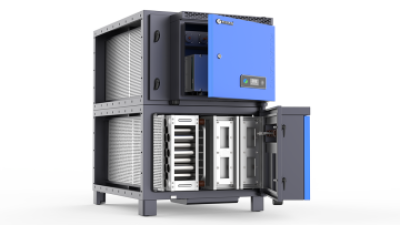
In-cooking environments, air quality is essential not only for the comfort of staff but also for compliance with health regulations. The implementation of electrostatic precipitator (ESP) filters in commercial kitchen hoods is a significant step towards enhancing air quality by effectively capturing cooking smoke, grease particles, and oil mist. Research indicates that these systems can achieve filtration efficiencies of up to 98%, which plays a crucial role in reducing airborne contaminants that can affect both food safety and employee health.
With various hood sizes available—ranging from 1.1 meter to 2.4 meters in length—kitchen operators can tailor their setups to fit specific space requirements while still benefitting from robust air filtration. The durable construction, featuring powder-coated steel and stainless-steel ESP cells, ensures longevity and consistent performance. Optional features such as UV odor eliminators and activated carbon filters further enhance air quality by neutralizing unpleasant smells, creating a more pleasant working environment. Additionally, automated washing systems, whether through water or steam, simplify maintenance, allowing kitchens to operate efficiently without compromising on hygiene standards.
Given the increasing emphasis on health and safety, the integration of ESP technology in kitchen ventilation systems aligns with industry trends aimed at improving indoor air quality. Reports suggest that maintaining better air quality in commercial kitchens not only benefits staff well-being but can also lead to increased productivity and overall operational efficiency. In light of these findings, investing in advanced filtration systems is now more imperative than ever for modern food establishments.
FAQS
: Smoke filtration improves indoor air quality by capturing and neutralizing particulate matter and harmful gases through both physical and chemical processes, effectively reducing smoke-related pollutants.
Common filters used in smoke filtration systems include high-efficiency particulate air (HEPA) filters, which trap up to 99.97% of particles as small as 0.3 microns, and activated carbon filters, which adsorb volatile organic compounds (VOCs) and odors.
Proper maintenance is vital to ensure optimal performance and longevity of smoke filtration systems; clogged filters can diminish air quality and filtration effectiveness.
Consider the type of smoke present, the filtration efficiency (look for MERV ratings), and the size and capacity of the unit to ensure it fits your indoor environment and effectively handles the specific pollutants.
To maintain good indoor air quality, regularly replace the filters as recommended, use air purifiers with multiple filtration stages, and ensure proper ventilation in smoke-prone areas.
The Minimum Efficiency Reporting Value (MERV) indicates a filter's efficiency in capturing particulates; systems with a higher MERV rating provide better filtration capabilities, improving indoor air quality significantly.
Yes, especially in quieter environments, you should assess the noise level of the unit to ensure it does not disrupt your daily activities.
Yes, consider additional features such as smart technology or air quality sensors that can enhance the functionality and convenience of your smoke filtration system.
Conclusion
Smoke filtration is a crucial process designed to enhance indoor air quality by effectively removing harmful particulates found in smoke. This system employs various mechanisms and technologies to filter air, targeting common sources of smoke pollution, such as cooking, cigarettes, and fireplace emissions. The health benefits of smoke filtration are significant, as cleaner air can reduce respiratory issues and improve overall well-being.
When selecting a smoke filtration system, it is essential to consider factors such as efficiency, maintenance requirements, and the specific pollutants present in indoor environments. Regular maintenance and adherence to best practices ensure optimal performance, enabling these systems to effectively combat air quality challenges and create healthier indoor spaces.

 Online Message
 Phone:+8613927702137
 E-Mail: kleanesp@kleanland.com
 Whatsapp: +8613927702137