
Leave Your Message
-
 Online Message
-
 Phone:+8613927702137
-
 E-Mail: kleanesp@kleanland.com
-
 Whatsapp: +8613927702137
Online Message Phone:+8613927702137
E-Mail: kleanesp@kleanland.com Whatsapp: +8613927702137 The manufacturing industry is fundamentally transforming towards a sustainable approach through the application of advanced technologies like the Electrostatic Cell as the year approaches 2025. This new advancement does not just facilitate efficiency in operations but significantly reduces environmental impacts, thereby making it the central pillar of sustainable manufacturing strategies. Industries would embrace these advancements and hence securities with consumption trends that show a growing demand for eco-friendly solutions among consumers.
Foshan Kelan Environmental Protection Co., LTD, which promotes its brand Kleanland, fronts that technology boom. Kleanland is the a leader in electrostatic Air Purification, and it is introducing solutions utilizing Electrostatic Cell technologies in producing cleaner indoor air in restaurants, cafes, canteens, hotels, and resorts. This decision will be critical for organizations in boosting their supply chains while being consistent with going green as the company leads the way into being more sustainable in its initiatives.

Emerging Trends in Electrostatic Cell Technology for Manufacturing have been driving the industry toward the path of sustainability. The realization among manufacturers regarding energy efficiency and waste minimization has further added significance to the innovations being made in electrostatic cell technology. These innovations are not just enhancing the efficiency of production processes, but they are also working toward reducing the environmental impacts of manufacturing operations. Recent advancements have attracted attention to extremely rapid developments in flexible and printed electronics that allow more flexible and resource-efficient manufacturing methods. The next forum, which will be held in Shanghai in 2025 and will concentrate on electrostatic protection technology, shows that the commitment of this industry to technological innovation and improvement still stands. More than 60 companies promoting advances in electrostatic protection measures will attend the forum, highlighting that stability and reliability are paramount in manufacturing. Towards the expected timeframe of 2025, very much advanced electrostatic cell technologies will be crucial in aiding procurement optimization. These are the expected practical strategies that manufacturers would apply to improve supply chain efficiencies but work to ensure sustainable processes. Sourcing will emphasize keeping in its forefront materials that go with green manufacturing standards, and electrostatic cells will lead in such an endeavor.
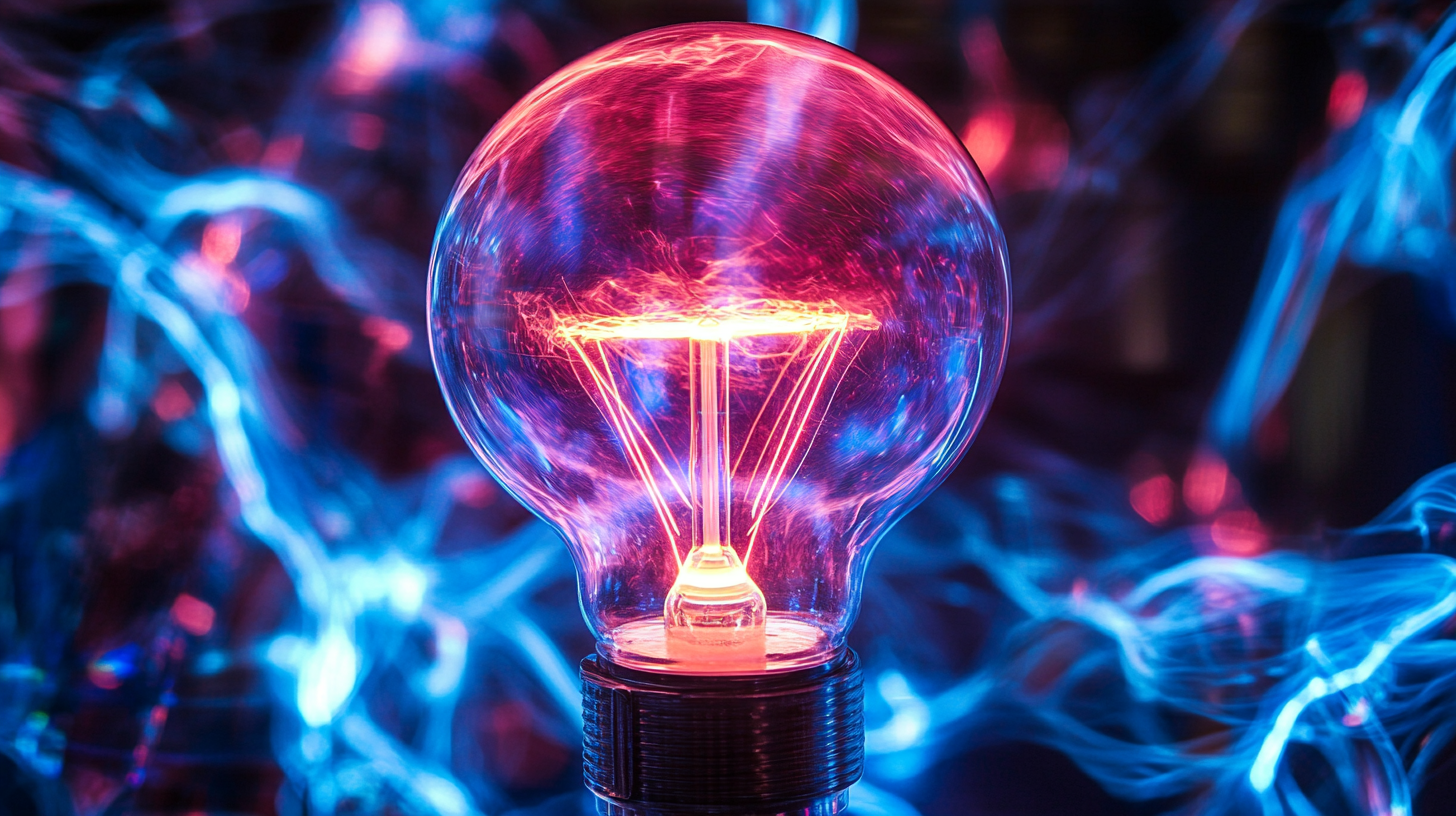
Electrostatic cells are now seen as a revolutionary technology to achieve sustainable manufacturing with a plethora of benefits from the production side. Enhanced energy efficiency is among the key benefits of works of these cells. Manufacturers may achieve more precise control over the handling and processing of materials by the use of electrostatic charge, leading to energy conservation as well. Less operating costs will thus mean smaller carbon footprints and strong appeal to environmentally responsible enterprises.
Another commendable by-product is that electrostatic cells are just so good at increasing material recovery and minimizing waste. These cells can separate materials on a microscopic level, which is an asset for industries like recycling and mining. Better recovery means fewer wasted resources, which is sustainable with a focus on conserving raw materials and environmental impact. Furthermore, the methodology ensures that electrostatic technology can improve the quality of products by eliminating contamination in production, resulting in customer satisfaction and compliance with environmental regulations.
Integrating electrostatic cell technology into manufacturing processes will not only improve procurement strategies but also foster innovative cultures. Companies engaging these advanced systems by 2025 will become frontrunners of sustainable production. The widespread demand for environmentally friendly practices makes the combination of electrostatic cells an important stride toward the achievement of long-term sustainable goals for manufacturing.

But the integration of electrostatic cells into the existing technologies of manufacturing processes will set the premise for increased efficiency and sustainability in the manufacturing sector. The latest report from MarketsandMarkets says that, by 2025, the global electrostatic precipitator market would grow to $15.6 billion, signifying the growing modality towards recognition of electrostatic technology's potential in improvement of air quality and operational efficiency. With the help of electrostatic cells, manufacturers are likely to increase particle removal efficiency while reducing energy cost up to 30%. This brings forth cleaner production processes in accordance to the emerging regulations and goals on sustainability.
The merits of electrostatic cell technology go beyond that. It can be adopted for use in any of the production lines of an industry, being it pharmaceutical or automotive production itself. A classic example here is a study presented in the Journal of Cleaner Production which noted that automotive manufacturers implementing electrostatic technology spend less on waste materials and VOC emissions of up to 20% cost savings each year. This would also mean that these electrostatic cells would become part of existing systems that will drastically reduce the risks of contamination.
Moreover, it is apparent that the advancement of electrostatic technology holds even better possibilities for manufacturing processes in the future. The manufacturers can optimize performance and more benefits from electrostatic cell operation in real-time, making adjustments based on machine learning and IoT. This factor underscores the reason manufacturers should adopt electrostatic solutions as part of the manufacturing strategy-new-age-to boost productivity and sustainability as seen in Deloitte reports. More than half of the manufacturers, specifically 61%, perceive technology integration as an essential pillar in boosting productivity and sustainable manufacturing.

Incorporating the electrostatic cell technology into processing procurement-scale activities presents a good chance of increasing efficiency-sustainability. Using this technology, businesses ensure that they can limit waste production and optimize resource consumption. Electrostatics allow exact control of materials, hence reducing production costs as well as being eco-friendly. Companies adopting this practice will first research the various electrostatic applications specific to their industry.
To instate procurement process with electrostatic technology, one best practice is close collaboration with electrostatic suppliers. Such a relationship with strong supplier partnerships who firm a smooth implementation of electrostatic approach could reflect here. The partnership can help these businesses recognize specific electrostatic applications relevant to their sustainability objectives. Training and workshops in regular intervals can ensure that procurement teams have a clear grasp concerning the merits and functionalities of electrostatic technologies to navigate better decision-making.
The same should apply to the use of data analytics in understanding the effect of electrostatic technology on procurement processes utilized by companies. Patterns of purchase and material efficiencies can be examined to understand better how electrostatic solutions are shaping procurement processes. This allows for more transparency and advances continuous improvement in procurement policy and practice to ensure they are moving towards more sustainable practices. A move towards electrostatic technology in sourcing is not just a trend; it is strategic to ensuring that sustainability is embedded within supply chain management.
The installation and adoption of electrostatic cell technology offer yet another way in which industries can innovate towards sustainable manufacturing practices. Cost-benefit analysis for the use of this technology has come showing very cost-effective and surefinancial and environmental benefits; as projected by Grand View Research, the global electrostatic precipitator market is expected to reach USD 30.36 billion by 2025 due to the need for effective Pollution Control systems in various sectors, including manufacturing.
Cost effectiveness stands out as one of the primary advantages of employing the electrostatic cell technology. Among benefits considered from the survey findings, operational costs can be significantly lowered through these systems. According to the study conducted by the International Energy Agency, the energy efficiency of these systems can generate up to 30% savings relative to electricity consumption. That would lead to hundreds of thousands of dollars of savings over time, especially for those manufacturers whose processes are high in energy usage. Lower energy expenditures would also complement corporate sustainability agendas that further enhance a company's reputation and competitiveness in the marketplace.
Direct savings, metabolism are the ways that electrostatic cells achieve. From the MarketsandMarkets 2021 market report, the company would have invested in advanced air pollution control technologies, including electrostatic technologies, instead of costing penalties and fines that can cost an average of more than USD 1 million per year as a result of non-compliance. From such technologies, manufacturers are saving on the one hand while asserting their health and, on the other hand, on the economy by creating a more sustainable environment to deal with ecological and social aspects at large.
Electrostatic cell technology is taking a huge leap towards a change in sustainable manufacturing. Continuous improvements in these systems have become a critical strategy for the industries that want to achieve higher standards of efficiency with minimum environmental footprints. Focusing on the improvement of processes via electrostatic cells was set in the way which can deliver manufacturers productivity build on carbon reduction.
Continuous improvement also involves creating and linking real-time analytics to electrostatic systems. Sensor and IoT technology would enable a corporation to monitor its performance indicators at all times, catching up for some efficiency gains possibly. A better data approach also allows preventive maintenance that produces no downtime and maximum operational systems. Operational conditions are now dynamic, determining maximum outputs with minimum losses in quality.
Another form of improvement of electrostatic systems is collaborative innovation between suppliers and manufacturers. Strong ties allow for best practices and shared technology. By involving suppliers in design and optimization, manufacturers can work together to find solutions that are truly tailored to their unique problems but hook them up to the most innovative technologies. This collaborative effort improves system efficiency yet at the same time encourages a culture of continuous supply chain improvement, leading to a sustainable manufacturing process for all beings that equity.
Currently, the circular economy is being seen as yet another major avenue for advancing sustainable manufacturing practices, while electrostatic cell technology is set to fulfill a major role in this development. Companies wanting to innovate to curtail waste and achieve resource efficiency will find electrostatic cells to provide an answer: these modern systems allow the separation and recovery of materials from end-of-life products, which helps facilitate recycling and advance a sustainable production cycle.
Given the evidential global trends one sees around them, the emphasis on sustainability takes a back footing to the emerging geopolitical configura and economic interdependence. Building up cooperative economic relationships with China, Australia is now starting to see the thrust for ecological-friendly manufacturing technologies. Adding electrostatic cell technologies to manufacturing processes realizes the circular economy and works with rapidly developing regulatory frameworks to facilitate environmentally responsible practices. The intersection of technology and policy is equally vital in the marketing strategies of competitive business concerned with a dynamic marketplace.
What is more, by adopting electrostatic cell solutions in the industries, considerable improvements can be observed in the procurement processes. Improving material recovery and resource use will cut costs and minimize environmental burdens for these companies. This strategic departure holds immense potential in turning manufacturers into ever-sustainable and circular entities, hence set in motion other considerations of a resilient, responsible global economy by the year 2025.
Like other industries, scaling of electrostatic cell technology for sustainable manufacturing is facing challenges, particularly with an eye towards 2025 advancement. One challenge relates to the integration of new materials and configurations that capitalize on electrostatic properties yet maintain an efficiency end. Recent research into complementary FET (CFET) architectures targeted for technology nodes at or even below 1nm has proposed new avenues for greater miniaturization and better performance.
The anti-static products market, valued at $210 million in 2022, is expected to grow at 6% CAGR through 2030. This growth signifies greater demand for implementing solutions to counter static electricity in production environments that can usher the full potential of the electrostatic cell technology. Anti-static packaging and specialized gloves emerging markets signify larger trends within the industry to integrated static control solutions aligned with sustainable manufacturing objectives.
As the semiconductor industry transitions into the post-Moore era, the integration of advanced materials and optimized processes becomes key. Reports speak of ongoing developments in high-temperature electrostatic energy storage technologies that meet the energy demands of electric vehicles while also having implications for sustainable manufacturing approaches. It is pivotal for organizations that seek to apply this technology towards their procurement strategies to discuss the challenges and potential solutions that will ensure innovation and sustainability remain at the forefront of their operations.
Electrostatic cell technology is a set of innovations that optimize production processes while minimizing environmental impacts. It's important for manufacturing because it enhances energy efficiency and reduces waste, contributing to sustainable practices.
Flexible and printed electronics are integral to creating adaptable and resource-efficient manufacturing techniques, which are enhanced by advancements in electrostatic cell technology.
A forum focusing on electrostatic protection technology will be held in Shanghai, showcasing over 60 companies dedicated to improving electrostatic protection measures in the manufacturing industry.
Electrostatic cell technology will optimize procurement processes by improving supply chain efficiency and promoting sustainable sourcing aligned with green manufacturing principles.
Electrostatic cell technology will facilitate the separation and recovery of materials from end-of-life products, enhancing recycling processes and supporting sustainable production cycles in the circular economy.
As countries strengthen cooperative economic relationships, there is an increasing recognition of the need for eco-friendly manufacturing practices, prompting the integration of technologies like electrostatic cells.
Manufacturers can expect improved material recovery, optimized resource use, reduced costs, and a minimized environmental footprint, enabling them to thrive in a sustainable and circular economy.
Aligning with evolving regulatory frameworks ensures that businesses can promote environmental responsibility and remain competitive in a market that increasingly values sustainable practices.
By streamlining processes and adhering to sustainability demands, the integration of electrostatic cells positions manufacturers to better respond to market shifts, regulatory changes, and consumer preferences.


