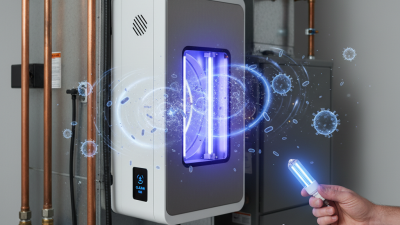
Picking out the right UV Air Filter is actually pretty important if you want to keep the indoor air clean and fresh. Honestly, a lot of folks underestimate just how much of a difference it can make. The right filter can really cut down on airborne pollutants and allergens, helping to create a healthier space for you and your family to breathe easy.
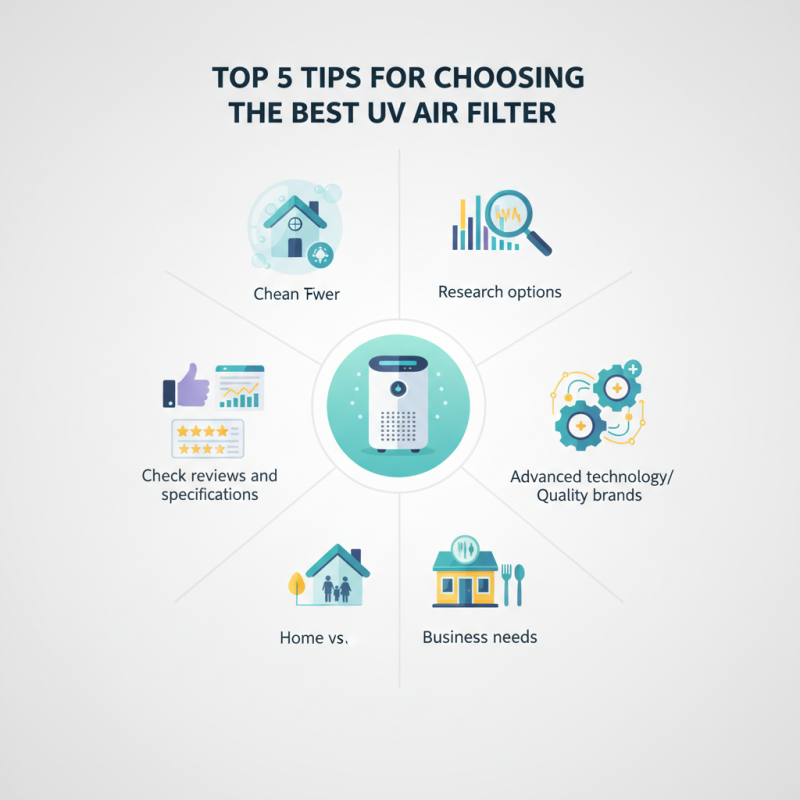
When you start looking into UV air filters, it’s a good idea to get familiar with your options. Knowing what each one can do, their features, and how effective they are can really help you pick the best one. Sometimes, a filter might look super sleek but doesn’t perform all that well. Checking out real reviews and technical specs can save you from ending up with something that doesn’t meet your needs.
Also, keep in mind that not all filters are created equal. Some brands, like FreshAir Solutions, use cutting-edge technology to boost filtration. Investing in a quality UV air filter might seem like a splurge at first, but in the long run, it’s totally worth it — cleaner air, better health, and peace of mind. Take some time to think about what you need most and do a little research. Are you mainly after better air quality for your home, or are you considering a restaurant air filter for your business? It’s worth weighing your options before making a decision.
Understanding the Basics of UV Air Filters
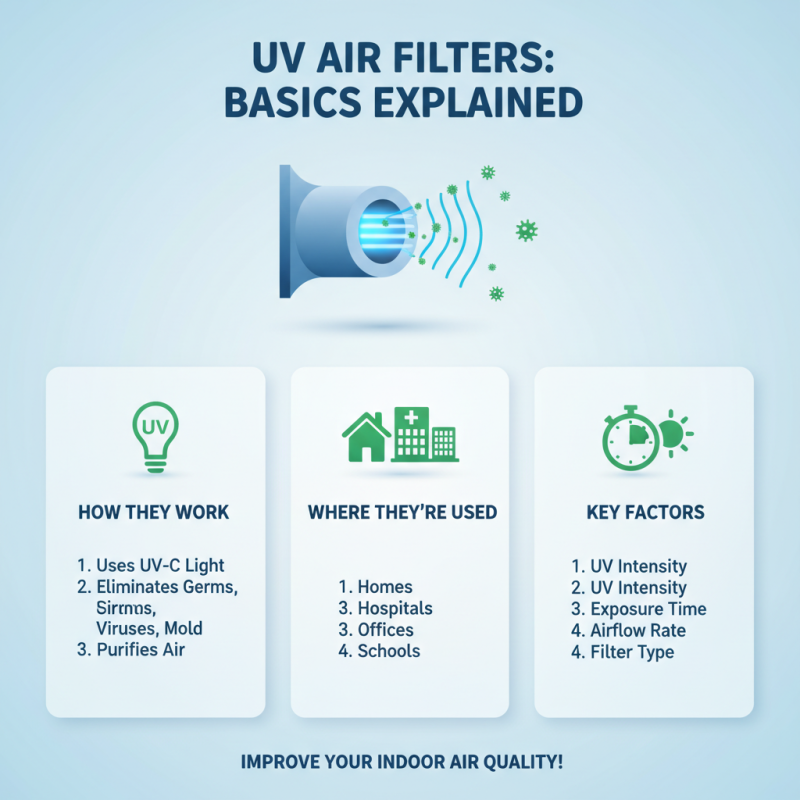
When considering UV air filters, understanding their core functionality is essential. These filters use ultraviolet light to eliminate harmful microorganisms from the air. They are vital in homes, hospitals, and offices where air quality is crucial. The effectiveness of a UV air filter largely depends on several factors, including the UV intensity and exposure time.
Choosing a suitable UV air filter can be challenging. Here are some tips to help you make a wise choice. Check the UV-C light wavelength; a range of 100 to 280 nanometers is most effective against pathogens. Also, consider the filter's maintenance needs. A model requiring frequent bulb changes can be more complex and costly long-term. Ensure the filter can efficiently cover the size of the room where you plan to use it.
Finally, look for reliable product reviews. Real experiences from users can highlight potential challenges. Some filters may create noise or generate ozone, which can be problematic. It's important to weigh these factors carefully to find a filter that meets your specific needs. Explore different options. Take your time to reflect on what best suits your environment.
Evaluating the Effectiveness of UV Air Filters
Choosing the right UV Air Filter requires careful consideration of its effectiveness. Not all UV filters perform equally well in purifying indoor air. It’s essential to assess their ability to eliminate harmful pathogens and allergens. Look for filters that provide independent test results or certifications, which indicate their effectiveness in real-world conditions.
Consider the filter's wavelength and intensity. UV light at a specific wavelength effectively neutralizes germs. However, it's not just about the light; the air filter's airflow rate matters too. A high airflow can reduce exposure time to UV light, affecting the filter's efficiency. Ensure the design allows for an optimal balance between airflow and UV exposure.
When selecting a UV air filter, prioritize your indoor environment. If you have children or pets, a filter with additional safety features may be necessary. Pay attention to the maintenance requirements as well; some filters need frequent bulb replacements, which adds to long-term costs. Be realistic about your needs and the filter’s capabilities. Not all options on the market will meet your expectations, and understanding limitations can help you make a more informed choice.
Identifying Key Features to Look For in UV Filters
When selecting a UV air filter, key features can significantly impact its effectiveness. First, consider the wavelength of the UV light it emits. Most effective UV filters operate around 254 nanometers, which is ideal for germicidal purposes. Reports indicate that this wavelength can eliminate up to 99.9% of bacteria and viruses in the air.
Another crucial feature is the filter's longevity and maintenance needs. Many UV filters require regular replacement to ensure optimal performance. Neglecting to change the bulb can lead to diminished efficiency. Data suggests that UV bulbs can lose up to 30% of their intensity after just a year of use.
Tip: Look for filters with built-in indicators that remind you when to change the bulb.
Lastly, evaluate the type of filter used alongside the UV component. An Ozone Air Filter, for instance, can complement UV technology. However, ensure it meets safety standards. Reports show that excessive ozone can be harmful, particularly for respiratory health.
Tip: Research certifications from reliable organizations before making a purchase. Prioritizing these key features will guide you toward choosing the best UV air filter, ultimately enhancing your indoor air quality.
Comparing Different Types of UV Air Filters
When selecting a UV air filter, consider the various types available. UV air filters typically fall into three main categories: standalone UV purifiers, HVAC-integrated filters, and portable units. Standalone purifiers can effectively reduce airborne pathogens in specific areas. However, they might not cover your entire home or office.
HVAC-integrated filters work with your existing system. They can offer a broad solution for air cleanliness. Yet, installing them may require professional expertise. Portable units provide flexibility but may lack the strength of more permanent solutions. The choice depends on your space and air quality needs.
Another important factor is maintenance. Some types require more frequent bulb replacement or filter changes. Regular maintenance can ensure effectiveness. Remember, not all configurations work in every environment. Assess your space before making a decision, especially if using a Furnace Air Filter. Each option has strengths and weaknesses that can affect long-term performance.
Considering Installation and Maintenance Factors
When considering installation and maintenance, choosing the right UV air filter requires attention to detail. Proper installation ensures maximum efficiency. An ideal UV air filter should fit snugly within your HVAC system. Look for models that require minimal adjustments during installation.
Regular maintenance can prolong the life of your filter. Check the manufacturer’s recommendations for replacement. A common mistake is neglecting regular cleanings. Dust accumulates quickly, reducing filter effectiveness. Referencing certified guides for routine maintenance will help keep your system running smoothly.
Consider the type of filter as well. Carbon Air Filters are excellent for odor control but might need more frequent changes. Understand that balance is key. Some filters may require more oversight than others. Weigh the pros and cons before making a decision. Familiarity with your system will aid in making informed choices about your UV air filter.
Assessing the Cost and Value of UV Air Filters
When choosing a UV air filter, assessing its cost and value is crucial. Many options are available on the market, but prices can vary widely. Some filters may sound impressive yet come with a hefty price tag. Understanding what you truly need can help you avoid overspending.
Consider your specific air quality needs. If you live in a densely populated area or near industrial sites, a higher-priced filter might be worth it. However, for cleaner environments, a budget-friendly filter may suffice. Weigh the features against your budget. Do you need high UV intensity for maximum purification? Or is basic functionality enough?
Research is essential. Look for reviews and ratings from verified users. Someone might find a filter effective while you may not. Reflect on your experience and what you want from a filter. Don't forget to check replacement costs as well. This ongoing expense should play a significant role in your decision-making. Ultimately, the right UV air filter balances effectiveness and affordability.
Reviewing Brand Reputation and Customer Feedback
When considering UV air filters, brand reputation plays a crucial role. Renowned brands usually invest in research and quality control. They stand out through customer feedback, which highlights their reliability. Look for brands with positive reviews on independent platforms. This often indicates consistent performance and customer satisfaction.
Pay attention to details in reviews. Customers often share specific experiences, both good and bad. If multiple reviews mention similar issues, it may signal a recurring problem. Focus on filters that have been well-tested in various conditions. This can give insight into their effectiveness.
Listening to expert opinions can also enhance your decision-making. Industry professionals often provide unbiased assessments. They evaluate filters based on performance and safety. Additionally, see how brands respond to feedback. A proactive approach to resolving issues indicates strong customer service. It reflects a commitment to quality that you can trust.
Maximizing Kitchen Air Quality: Insights from the 2023 North American Air Filtration Market Report on In-Duct Cooking Oil Smoke Electrostatic Precipitator Filters
In the pursuit of maximizing kitchen air quality, the use of advanced air filtration systems plays a crucial role. The 2023 North American Air Filtration Market Report highlights the importance of efficient electrostatic precipitator (ESP) filters, particularly in commercial kitchens where cooking oil smoke and grease particles can significantly impact air quality. These filters can achieve an impressive filtration efficiency of up to 98%, ensuring that harmful airborne contaminants are effectively captured.
A commercial kitchen hood equipped with an ESP cell offers versatility in size and design, with options ranging from 1.1-meter depths and multiple lengths, including 1.6 meters, 2 meters, and 2.4 meters. The robust construction using power-coated steel ensures durability, while stainless steel ESP cells contribute to the longevity and performance of the filtration system. Additionally, built-in options such as UV odor eliminators or activated Carbon Filters provide enhanced odor control, addressing one of the common challenges in kitchen environments. The availability of automated water or steam wash systems further simplifies maintenance, keeping the filters clean and operating at peak efficiency.
Investing in these systems not only improves air quality but also creates a healthier working environment for kitchen staff. By incorporating state-of-the-art filtration technology, kitchens can minimize the adverse effects of cooking emissions, promoting safety and comfort while delivering the high standard of hygiene required in food preparation spaces.
FAQS
: UV air filters eliminate harmful microorganisms from the air using ultraviolet light.
Check the UV-C light wavelength and ensure it covers your room size well.
A wavelength of 100 to 280 nanometers is most effective against pathogens.
Filters may require frequent bulb changes, which can be costly over time.
Look for independent test results or certifications that confirm their performance.
Airflow rate and UV exposure time are crucial for effective purification.
Some filters may create noise or generate ozone, which can be problematic.
Neglecting bulb changes can reduce efficiency significantly over time.
Filters with additional safety features may be necessary in these environments.
Research certifications to ensure it meets safety standards regarding ozone emissions.
Conclusion
When choosing the best UV air filter, it’s essential to understand the fundamental principles behind how these filters work and their effectiveness in eliminating airborne pathogens. Evaluating UV air filters involves considering their efficiency, the specific features that enhance their performance, and comparing the various types available in the market.
Additionally, installation and maintenance aspects are critical, as they can significantly influence the filter's overall performance and longevity. Cost and value assessments are necessary to ensure you are making a worthwhile investment. Lastly, reviewing customer feedback and brand reputation can provide insights into the reliability of the UV air filter, aiding in an informed decision that prioritizes air quality and health.

 Online Message
 Phone:+8613927702137
 E-Mail: kleanesp@kleanland.com
 Whatsapp: +8613927702137