Online Message
Phone:+8613927702137
E-Mail: kleanesp@kleanland.com
Whatsapp: +8613927702137 
Lately, we've been seeing a big uptick in demand for air handling units (AHUs) across China. A report from Research and Markets mentions that the HVAC market could hit around $20 billion by 2025 — pretty impressive, right? This surge makes sense, given how much people are now paying attention to indoor air quality and trying to be more energy-efficient. AHUs are a pretty key part of all this, helping to keep the air flowing well and Filtered properly.
When you're looking into AHUs in China, you'll notice there's a huge variety out there. Things like size, efficiency, and specific use cases really influence what’s available and popular. A lot of manufacturers are pushing hard on industrial air purification features — they gotta meet strict environmental standards, after all. But heads up: not all units are created equal. Some might not perform as well as you'd hope, which can end up costing more in the long run and might even mean the indoor air isn’t as clean as it should be.
So, if your company’s thinking about investing in a new AHU, it’s a good idea to really think things through. Pinpoint what your facility actually needs—this can save you from making expensive mistakes. Picking the right model isn’t just about how well it runs, but also about creating a healthier space for everyone inside. Of course, balancing a budget with efficiency and quality? That’s still a bit of a balancing act for many businesses out there, especially with this market booming like it is.

Air handling units (AHUs) play a vital role in HVAC systems. They condition and circulate air, ensuring indoor environments remain comfortable. According to industry reports, AHUs account for nearly 30% of energy consumption in commercial buildings. This number underscores the importance of choosing efficient units for optimal performance in various settings.
Proper selection of AHUs can significantly enhance energy savings. Modern units are equipped with advanced features like variable frequency drives and energy recovery systems. These features improve heat exchange efficiency, potentially reducing operational costs by 20-40%. Investing in high-quality AHUs can yield a substantial return on investment over time. However, some units may not perform as expected due to poor installation or maintenance. Regular inspections are crucial.
Tip: Carefully assess the size and specifications of AHUs to match your building's requirements. Oversizing can lead to energy waste, while undersizing can result in inadequate performance. Choose models with efficient filters to enhance indoor air quality and reduce allergens. Look for systems that allow easy access for maintenance to avoid future complications.
When choosing an air handling unit, key features are essential for performance and efficiency. One must consider the airflow capacity. This decides how well the unit can circulate air in a space. A unit with too low capacity will struggle. Likewise, too high capacity can waste energy and lead to increased costs. Focus also on energy efficiency ratings. Higher ratings often translate to lower electricity bills.
Another vital feature is filtration capability. Effective Air Filters improve indoor air quality significantly. They help capture dust, allergens, and odors. This is crucial for spaces where cleanliness matters, like kitchens. A qualityKitchen Air Cleaner is integral in maintaining a healthy environment. Filters should also be easy to replace. This adds convenience and ensures consistent performance.
Noise level is often overlooked but important. A noisy unit can disrupt activities, particularly in quiet settings. Always check decibel ratings when selecting a model. Reflecting on these aspects can lead to a better decision, but it's easy to get lost in technical specs. Balancing features with practical needs is the key to finding the right air handling unit.
When exploring air handling units in China, various manufacturers stand out for their innovation and reliability. There are numerous options available, yet potential buyers must navigate the market carefully. Many brands offer advanced features, which can enhance performance. However, not all units are created equal, and some may fall short of expectations.
Focusing on functionality, look for units designed for optimal air quality. Features like Exhaust Air Cleaning systems can significantly improve indoor air standards. They filter out pollutants and allergens effectively. However, the efficiency of these systems can vary. Therefore, it's essential to research their performance metrics before making a purchase.
Customer feedback is crucial, as it offers insights into durability and user satisfaction. Many users express dissatisfaction with customer service from various manufacturers. This can lead to challenges in maintenance and repairs. Investing time in understanding the strengths and weaknesses of different brands can lead to better choices. A little patience may save considerable trouble down the line, allowing for a more informed decision.
| Type of Air Handling Unit | Typical Capacity (CFM) | Energy Efficiency Ratio (EER) | Common Applications | Average Price (USD) |
|---|---|---|---|---|
| Modular Air Handling Unit | 500 - 5000 | 12 - 15 | Commercial Buildings | $2,000 - $15,000 |
| Rooftop Air Handling Unit | 2000 - 10000 | 10 - 14 | Industrial Facilities | $5,000 - $25,000 |
| Conventional Air Handling Unit | 1000 - 6000 | 8 - 12 | Hotels & Hospitals | $3,000 - $20,000 |
| Packaged Air Handling Unit | 1500 - 7000 | 9 - 13 | Retail Stores | $4,000 - $18,000 |
| High-Efficiency Air Handling Unit | 1000 - 3000 | 15 - 20 | Data Centers | $6,000 - $22,000 |
Energy efficiency is vital for air handling units (AHUs) in 2026. Regulations are tightening around energy consumption. Manufacturers must comply with these standards to remain competitive. One critical area of focus is the efficiency of Exhaust Air Filtration systems. These systems help reduce overall energy use by cleaning the air while minimizing energy losses.
Investing in an energy-efficient AHU can lead to significant cost savings. Consider the size and layout of your space before purchasing. Proper sizing ensures optimal airflow and minimal energy waste. Look for units that boast high-efficiency ratings, especially in their exhaust filtration mechanisms. This will help maintain air quality and reduce operational costs over time.
Tips: Regular maintenance is essential for peak performance. Clean filters frequently, as clogged filters can increase energy consumption. Monitor energy bills to identify any spikes that may indicate issues with your AHU. Always keep an eye on changes in regulations to stay compliant and ahead of the competition.
The air handling unit (AHU) market in China is evolving rapidly. Innovative technologies are setting new benchmarks. Advanced filtration systems are now standard. These systems improve air quality and ensure cleaner environments. Enhanced efficiency is key. Energy recovery ventilators are also gaining traction. They recycle energy, which cuts operating costs.
IoT integration has transformed AHUs. Remote monitoring and control enhance user experience. This leads to better data collection and maintenance scheduling. Smart systems can adjust parameters based on real-time needs. However, such systems need careful consideration. Not all facilities require the same technology. It’s vital to assess the specific needs.
While the advancements are impressive, challenges remain. Complexity can lead to installation hurdles. Training staff to handle new technology is essential. Some units may not perform as expected initially. Continuous learning and adaptation are necessary. Embracing innovation means finding the right fit for each environment.
When considering air handling units (AHUs) in China, it's important to evaluate various types. Standard units remain popular for their efficiency. In a recent industry report, over 50% of surveyed businesses preferred standard models due to their reliability. These units typically manage air temperature and humidity efficiently, providing an ideal environment for many facilities.
Another type is energy recovery units. These systems reclaim energy from Exhaust Air, enhancing overall performance. Reports indicate that energy recovery systems can save up to 30% on operational costs. However, they may involve higher upfront expenses.
Innovative technologies, like those found in advanced Restaurant Air Cleaners, are gaining traction. They focus on maintaining air quality, critical in food establishments. Surprisingly, many users report mixed experiences with these systems, leading to varied opinions on their effectiveness. It's essential to weigh initial investment against long-term benefits when choosing the right AHU.
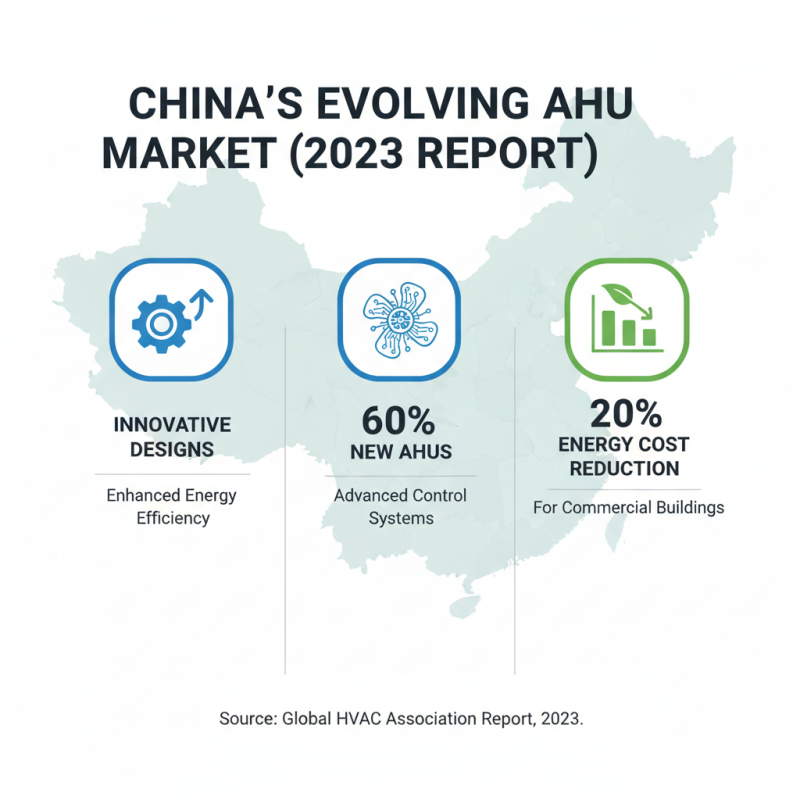
In recent years, the market for air handling units (AHUs) in China has seen significant changes. Innovative designs are emerging to enhance energy efficiency. According to a 2023 report by the Global HVAC Association, about 60% of new AHUs now feature advanced control systems. These systems optimize airflow and temperature management. This leads to an impressive 20% reduction in energy costs for commercial buildings.
Air quality is becoming a focal point. Health concerns drive demand for better filtration systems. A study by the Chinese Environmental Agency shows that 75% of cities exceed the air quality standard. Improved AHUs equipped with high-efficiency particulate air (HEPA) filters are essential. However, installation can be complex and costly. The challenge lies in ensuring compatibility with existing infrastructure.
Sustainability is another trend reshaping the future of AHUs. Solutions like variable air volume (VAV) systems are gaining traction. They adjust airflow based on real-time demand, maximizing efficiency. Yet, users need to be cautious. Without proper maintenance, these systems might underperform. Balancing efficiency with upkeep can be tricky and requires thoughtful investment.
HUs) in HVAC systems?
AHUs account for nearly 30% of energy consumption in such buildings.
Assess size and specifications to match your building’s requirements.
Advanced features include variable frequency drives and energy recovery systems.
Poor installation or maintenance may cause some units to underperform.
Technologies like IoT enable remote monitoring and adjust settings for efficiency.
Yes, they recycle energy and can significantly reduce operating costs.
Complexity can lead to installation hurdles and staff training needs.
Oversizing units can lead to energy waste, and undersizing can affect performance.
Efficient filters improve indoor air quality and reduce allergens effectively.
Air handling units (AHUs) play a critical role in HVAC systems, ensuring optimal air quality and temperature control in various settings. When selecting an AHU, several key features should be considered, including energy efficiency, capacity, and innovative technologies that enhance performance. As we approach 2026, energy efficiency standards for AHUs are expected to become more stringent, pushing manufacturers to adopt advanced designs and materials.
In China, the market offers a variety of AHUs that cater to different needs, each with unique characteristics. A comparison of these units reveals significant differences in performance, energy consumption, and technology integration. Future trends indicate a growing emphasis on smart technologies and sustainability, which will further influence the development and efficiency of air handling units, contributing to their critical role in improving indoor air quality and energy management in buildings.