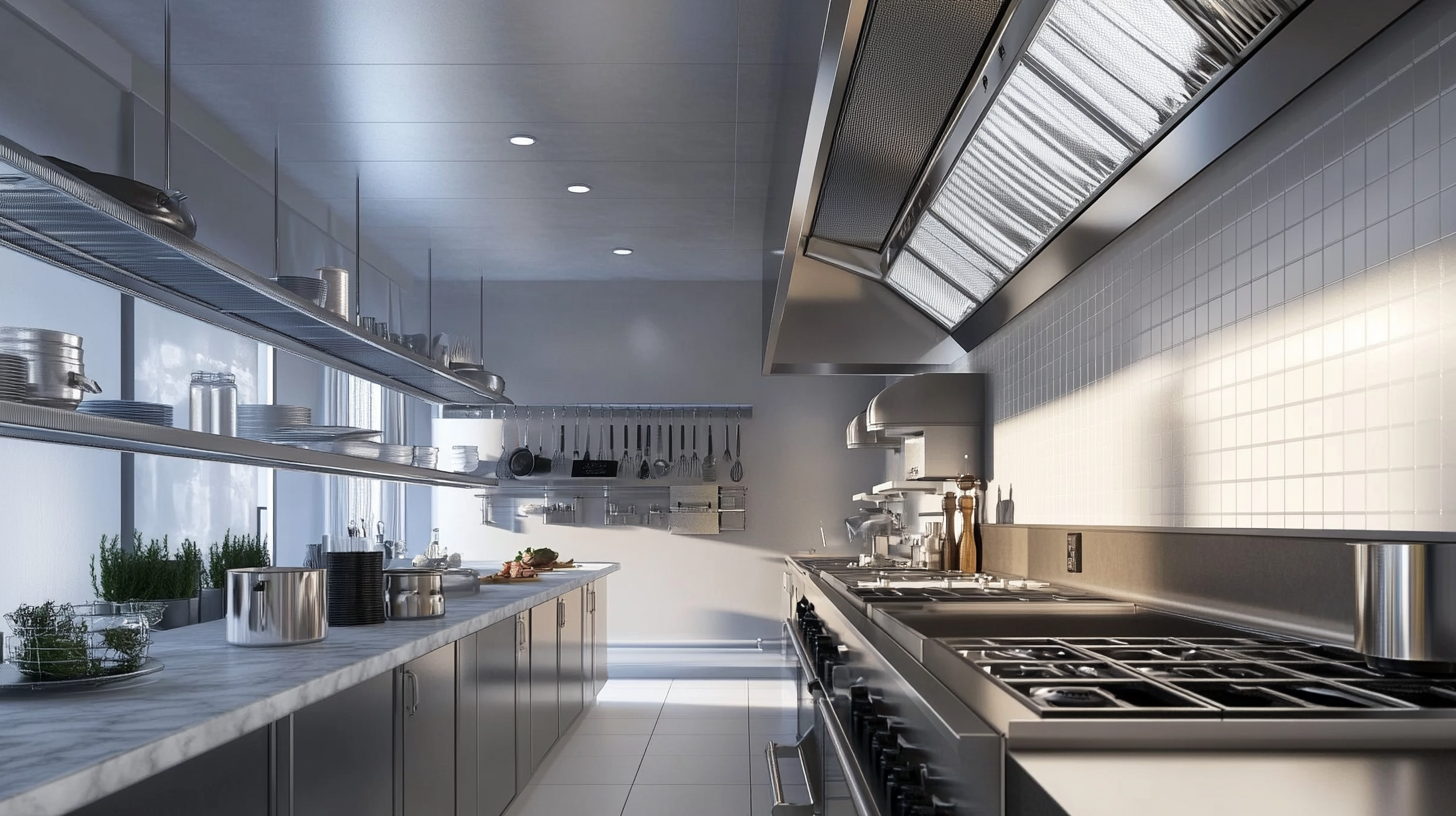
As the demand for cleaner air in commercial kitchens surges, understanding the significance of a high-quality Kitchen Hood Filterbecomes paramount. According to recent industry reports, nearly 40% of restaurants have reported compliance issues due to inadequate ventilation, underscoring the necessity for effective filtration solutions. Foshan Kelan Environmental Protection Co., LTD, recognized for its Kleanland brand, leads the market with over 40% share in the electrostatic Air Purification sector, catering to diverse establishments such as restaurants, cafés, and hotels.
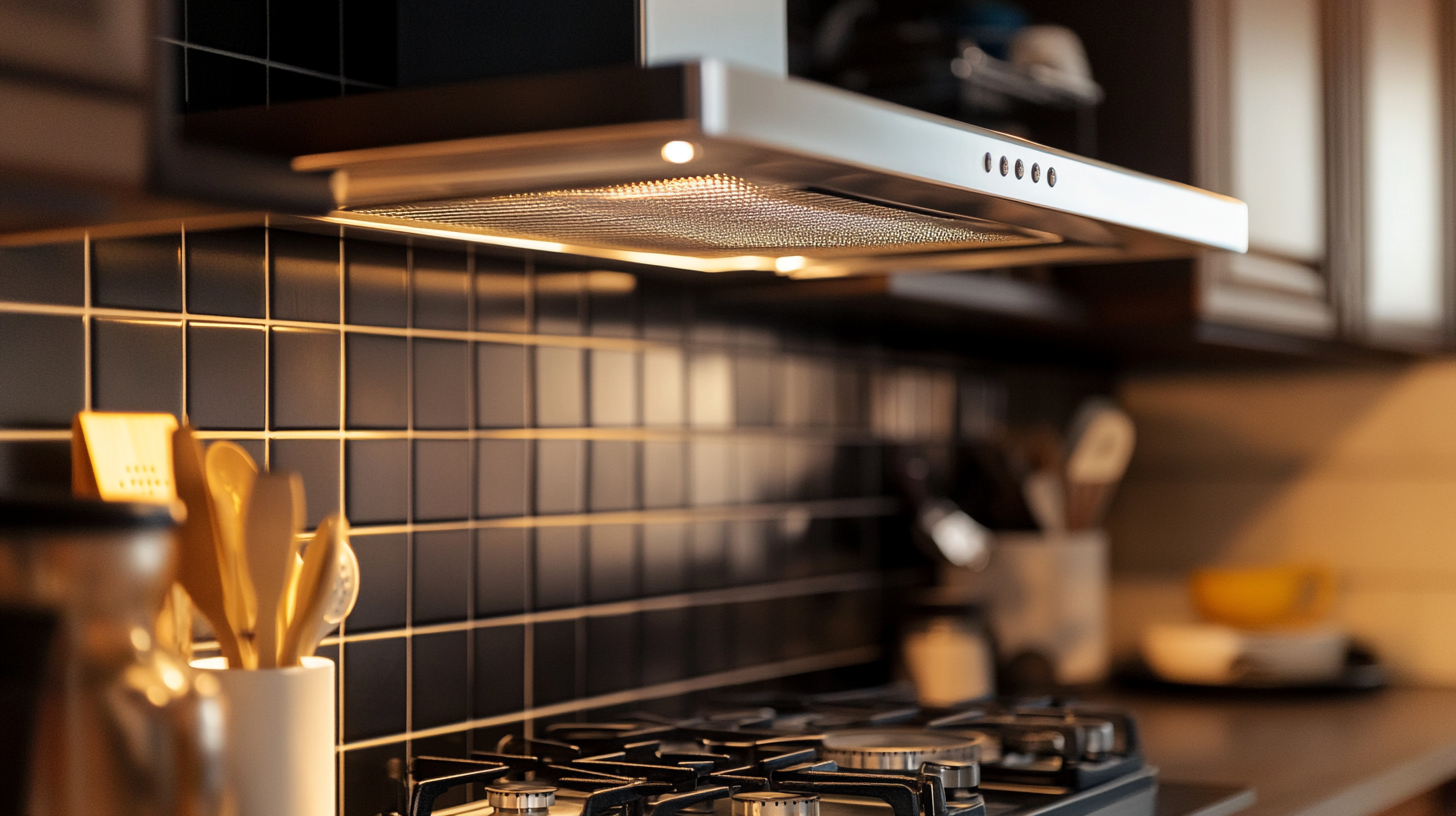
This ultimate guide explores the top alternatives to traditional Kitchen Hood Filters, aiming to enhance air quality while aligning with best practices in the industry. By leveraging cutting-edge technology, Kleanland exemplifies the critical role of advanced filtration in maintaining safe and healthy kitchen environments, making this exploration particularly relevant for professionals committed to optimizing air quality in their culinary spaces.
The Importance of Kitchen Hood Filters for Air Quality Control
Kitchen hood filters play a crucial role in maintaining optimal air quality within the home. According to the Environmental Protection Agency (EPA), indoor air can be up to five times more polluted than outdoor air, and a significant contributor to this issue is poor ventilation in cooking areas. Properly functioning kitchen hood filters are essential for capturing grease, smoke, and airborne particles generated during cooking. A report by the Institute of Kitchen Ventilation suggests that effective filtration can reduce indoor air contaminants by up to 80%, significantly improving the overall air quality.
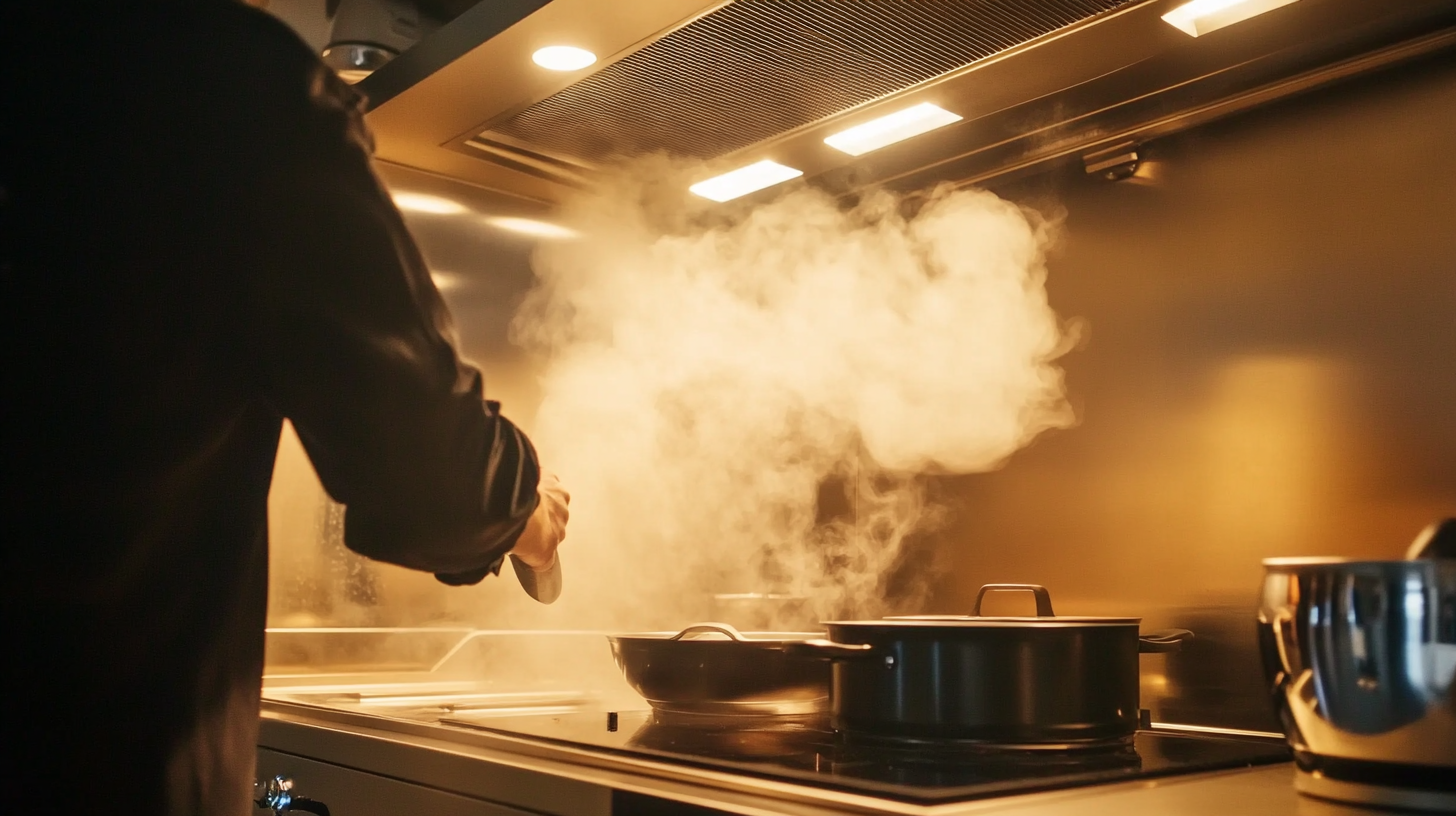
Additionally, the type of filter used can have varying impacts on air quality. For instance, electrostatic filters, known for their high efficiency, can capture particles as small as 0.1 microns and are particularly effective at removing harmful pollutants such as volatile organic compounds (VOCs) from cooking fumes. Research indicates that using advanced filtration systems, like activated Carbon Filters, can further reduce unpleasant odors and harmful gases, enhancing indoor air quality even further. Ensuring that kitchen hood filters are appropriately selected and well-maintained is vital for creating a healthier cooking environment, ultimately supporting better respiratory health for occupants.
Comparative Analysis of Different Kitchen Hood Filter Types
When selecting the best kitchen hood filter, it’s essential to understand the different types available and how they contribute to optimal air quality. The three most common types of kitchen hood filters are baffle filters, mesh filters, and charcoal filters.
Each of these has unique features suited to various cooking styles and needs. Baffle filters are designed with interlocking panels that effectively trap grease, making them ideal for heavy-duty cooking with lots of smoke and fumes. They are often made of stainless steel, which enhances durability and ease of cleaning.
On the other hand, mesh filters are constructed from layers of aluminum or steel mesh, which allows for efficient grease capture while also being lightweight. These filters are particularly effective for residential kitchens that don’t experience extreme cooking activities.
Lastly, charcoal filters are distinct in their ability to eliminate odors. They work best in recirculating hoods, where air is purified before being released back into the kitchen.
When comparing these options, it is vital to consider the cooking habits and specific air quality needs to determine the most suitable type of kitchen hood filter.
Effectiveness of Charcoal vs. Grease Filters in Odor Reduction
When it comes to maintaining optimal air quality in the kitchen, choosing the right hood filter is crucial. Two popular options are charcoal filters and grease filters, each serving distinct purposes in odor reduction and overall kitchen hygiene. Charcoal filters are especially effective in absorbing unwanted smells, making them a preferred choice in kitchens where strong odors from frying or seasoning are commonplace. These filters utilize activated charcoal to trap odor molecules, ensuring that your cooking space remains fresh and inviting.
On the other hand, grease filters primarily focus on capturing airborne grease particles generated during cooking. While they are instrumental in preventing buildup on surfaces and reducing the risk of fire hazards, they are less effective at tackling unpleasant odors. Grease filters can be composed of various materials, such as aluminum or stainless steel, which can be easily cleaned and reused. For optimal air quality, combining both types of filters can significantly enhance your kitchen environment, allowing you to enjoy your culinary creations without the lingering scents.
The Role of HEPA Filters in Enhancing Indoor Air Quality
HEPA filters play a pivotal role in enhancing indoor air quality by effectively trapping airborne particles, including dust, pollen, and smoke. These filters are designed to capture at least 99.97% of particles that are 0.3 microns in size, making them ideal for households seeking to reduce allergens and improve overall health. As awareness of indoor air pollution rises, many homeowners are turning to HEPA filters to create a safer and more comfortable living environment.
The market for air filtration systems is projected to witness substantial growth, with anticipated figures soaring from $17.08 billion in 2025 to $29.11 billion by 2032. This represents a compound annual growth rate of 7.9% during the forecast period. As consumers increasingly prioritize air quality, HEPA filters are becoming a standard feature in kitchen hoods, air purifiers, and HVAC systems. This shift not only reflects a growing investment in health and well-being but also signals a broader trend toward sustainable living solutions that ensure cleaner, healthier indoor spaces.
Cost-Benefit Analysis of Upgrading to High-Efficiency Filters
Upgrading to high-efficiency kitchen hood filters can significantly impact indoor air quality, making it a worthy investment for households aiming to improve their cooking environment. According to a report by the Environmental Protection Agency (EPA), indoor air pollution can be two to five times higher than outdoor levels, primarily due to cooking emissions. High-efficiency filters, such as HEPA or activated carbon options, can reduce particulate matter and volatile organic compounds (VOCs) by up to 99%, providing a cleaner atmosphere in the kitchen.
The cost-benefit analysis of these upgrades reveals that while high-efficiency filters may have a higher upfront cost, the long-term benefits justify the investment. A study from the Home Ventilating Institute indicates that homeowners might spend 25-40% more on energy bills due to inefficient filters trapping grease and allowing airflow restrictions. By upgrading, users can not only enjoy better air quality but also save on energy costs over time, as better filters improve ventilation and reduce strain on HVAC systems. Furthermore, many high-efficiency filters are designed for longer lifespans, meaning fewer replacements and less waste, aligning with growing consumer preferences for sustainability.
Understanding Maintenance Needs of Various Kitchen Hood Filters
When it comes to maintaining optimal air quality in your kitchen, understanding the maintenance needs of various kitchen hood filters is essential. Different types of filters, such as baffle, mesh, and charcoal, require distinct care to function effectively. For instance, baffle filters made of stainless steel are not only sturdy but can be easily cleaned in the dishwasher, making routine maintenance straightforward. Regular cleaning of these filters helps prevent grease buildup, ensuring the hood operates efficiently and prolongs its lifespan.
On the other hand, mesh filters demand a bit more attention. While they effectively trap grease and impurities, they can often become neglected, leading to blockages that diminish airflow. It’s vital to soak them in warm, soapy water and scrub gently to maintain their functionality. Charcoal filters, commonly used in recirculating systems, require replacement rather than cleaning. Understanding the specific maintenance needs of each type will not only enhance air quality but also contribute to a safer cooking environment. Fostering a habit of regular maintenance according to filter type can lead to improved kitchen hygiene and efficiency in the long run.
Maintenance Needs of Kitchen Hood Filters
This bar chart illustrates the different maintenance needs of various kitchen hood filters, highlighting the frequency of cleaning required for each type to maintain optimal air quality in the kitchen.

 Online Message
 Phone:+8613927702137
 E-Mail: kleanesp@kleanland.com
 Whatsapp: +8613927702137