Online Message
Phone:+8613927702137
E-Mail: kleanesp@kleanland.com
Whatsapp: +8613927702137 
Hey there! As we head into 2026, it’s clear that the kitchen appliance scene is changing pretty quickly. I came across a recent report from Grand View Research, and it said that the global market for kitchen exhausts is expected to see some serious growth — mainly because people are starting to pay a lot more attention to indoor air quality. More homeowners are now realizing how important it is to have a good Exhaust System in the kitchen. These systems not only help clear out cooking fumes, grease, and odors but also make the whole cooking space way healthier.
Now, here’s the thing — picking the right kitchen exhaust system can feel pretty overwhelming, especially with so many options out there. There are different styles, features, and tech to consider. Statista reports that about 65% of folks feel totally overwhelmed by all the choices when shopping for kitchen ventilation. That really shows how important it is to be well-informed before you buy. Understanding things like specs, size, and power can really make a difference. And if you want to get the most out of your setup, knowing how a Kitchen Air Cleaner fits into the picture can be super helpful too.
So, the big question is: how do you pick a system that actually works for your space — one that looks good and gets the job done? You’ve gotta think about installation, maintenance costs, and how it’ll fit into your kitchen’s style. As we look at some top tips for choosing the right exhaust system, just keep in mind that making an informed decision can really make your cooking easier and improve the air you breathe at home. It’s all about finding that balance between functionality and keeping things looking nice, right?
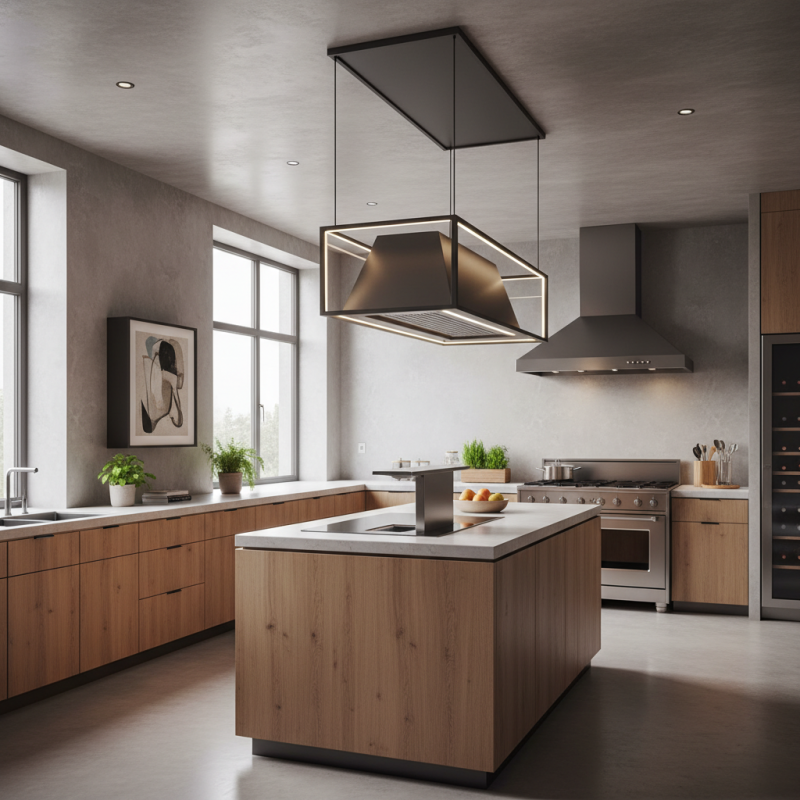
When selecting a kitchen exhaust system, several critical factors come into play. Understanding your cooking style is essential. Data from the National Kitchen and Bath Association indicates that over 70% of homeowners prefer gas cooking for its precise temperature control. This choice requires a robust exhaust system to mitigate emissions and odors effectively. It is vital to assess the BTU output of your burners to ensure adequate ventilation.
Another important consideration is noise level. Homeowners often prefer quiet systems, especially in open-concept designs. According to recent studies, models with sound ratings above 60 decibels can be disruptive. Choosing a system with a lower Sone rating, preferably below 1.5, can enhance comfort during meal preparation.
Lastly, efficiency must not be overlooked. The Home Ventilating Institute recommends a minimum air flow of 250 CFM for effective ventilation in typical residential kitchens. Many buyers focus on , but energy efficiency plays a pivotal role in long-term operating costs. Reflecting on these aspects can lead to a well-informed decision that balances form and function.
When choosing a kitchen exhaust hood, understanding the various types is essential. Wall-mounted hoods are popular for their versatility. They can seamlessly blend with both modern and traditional kitchens. However, they require sufficient wall space and may not suit all layouts.
Under-cabinet hoods are compact solutions. They fit discreetly below cabinets, not taking up additional space. While they are efficient in smaller kitchens, their power might not suffice in larger areas. Considering your cooking habits is crucial. If you often cook with strong spices, a more powerful option may be necessary.
Island hoods provide an elegant focal point. They are ideal for open layouts where the cooking area is visible. Yet, they demand proper installation and ceiling height considerations. Ductless models are convenient, but they Filter air instead of ventilating it outside. This may lead to lingering odors. Each option has pros and cons, making it vital to assess your space and needs carefully.
| Type of Exhaust Hood | Ventilation Type | Average Noise Level (dB) | Price Range (USD) | Energy Efficiency |
|---|---|---|---|---|
| Wall-Mounted | Ducted | 60-70 | 700 - 1200 | High |
| Under Cabinet | Ducted/Non-Ducted | 50-65 | 400 - 800 | Medium |
| Island Style | Ducted | 65-75 | 900 - 1500 | High |
| Downdraft | Ducted/Non-Ducted | 55-65 | 600 - 1000 | Medium |
| Professional Style | Ducted | 70-80 | 1200 - 2500 | Very High |
When considering a kitchen exhaust fan, several key factors will influence its performance. One crucial aspect is the fan's air circulation capability. Ensure it can effectively clear out smoke, steam, and odors. A model with high airflow ratings typically indicates better performance.
Another significant factor is noise level. Some powerful fans can be quite loud, potentially disrupting the kitchen environment. Seek models with a balance between power and quieter operation. Pay attention to the decibel rating. A quieter exhaust fan enhances the cooking experience without sacrificing functionality.
Energy efficiency is also vital. Look for fans that use less energy while maintaining strong suction. This can lead to lower electricity bills over time. It’s worth considering the long-term costs versus initial investment.
Tip: Investing in a good Kitchen Fume Extractor can drastically affect air quality. Be cautious with lower-rated models, as they may not perform as expected. Regular maintenance and cleaning will ensure longevity and optimal functioning. Think about where the exhaust exits; proper installation is essential for efficiency.
When considering kitchen exhaust systems in 2026, installation requirements are crucial. Proper installation ensures the efficiency and safety of exhaust performance. For instance, vent hoods should maintain a minimum vertical clearance of 30 inches above cooking surfaces. This distance helps optimize airflow while preventing fire hazards.
Different models have varying installation needs. Many professional-grade ranges require a specific CFM (cubic feet per minute) rating based on their BTU output. Reports indicate that the average residential range operates effectively between 200-600 CFM. Meanwhile, commercial models often exceed 1000 CFM. Buyers should ensure their ductwork can accommodate these specifications.
Integrating energy-efficient models can present challenges. Some newer systems prioritize energy conservation yet require additional electrical capacities. Installation may call for upgrades to existing wiring. Additionally, some installers may overlook the necessity for noise reduction features. Ensuring quiet operation can significantly impact kitchen usability. Therefore, understanding these installation requirements is essential for any prospective buyer. Proper planning and knowledge can prevent costly mistakes later.
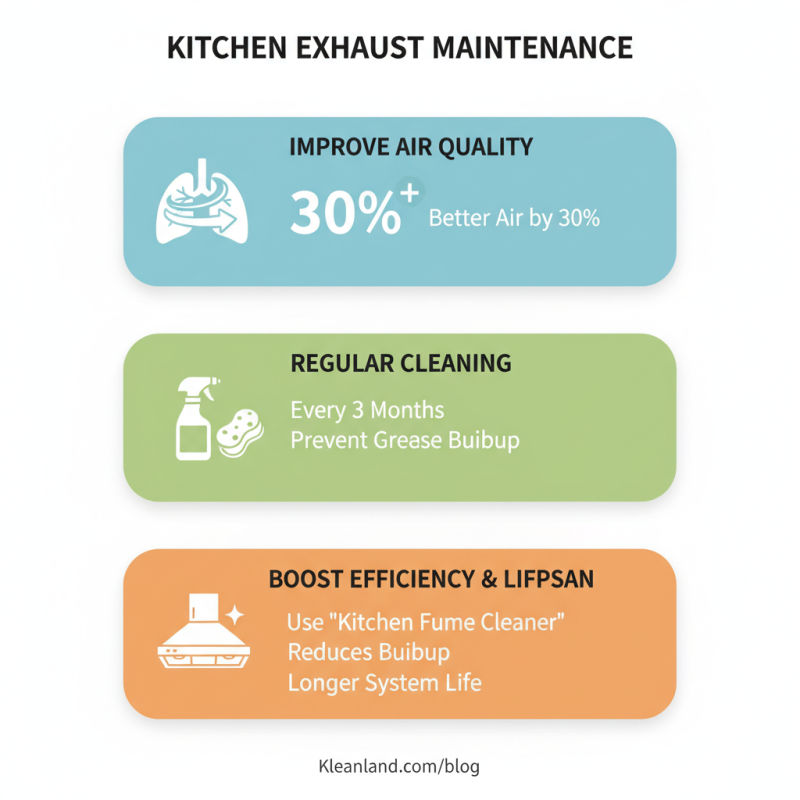
Maintaining your kitchen exhaust system is crucial for maximizing efficiency and ensuring its longevity. Research indicates that a well-maintained kitchen exhaust can improve air quality by about 30%. Regular cleaning is essential. Experts recommend cleaning the exhaust hood every three months to prevent grease buildup. A Kitchen Fume Cleaner can help reduce this buildup significantly, allowing the system to function more effectively.
Filters should be checked monthly. If they are clogged, airflow is impaired. This can lead to overheating and increased energy costs. Some studies show that a clean filter can enhance airflow by 50%. Using a Kitchen Fume Cleaner regularly can ensure that your filters remain free of debris. This practice not only saves energy but also prolongs the life of your exhaust system.
Pay attention to the fan operation. Listen for unusual noises, which may indicate mechanical issues. Ensure that all parts are secure and functioning correctly. It's advisable to inspect the ductwork annually for any obstructions. Neglecting to do so may result in costly repairs in the future. Efficiency is directly linked to regular maintenance; this simple routine can make a tangible difference in both performance and safety.
When purchasing a kitchen exhaust system in 2026, understanding regulatory standards is crucial. Current requirements, as stated by the National Fire Protection Association, emphasize the importance of compliance with ventilation codes. These regulations are designed to enhance safety and air quality in commercial kitchens. Non-compliance can result in hefty fines and operational delays.
Furthermore, the kitchen ventilation industry has seen a shift towards sustainability. A recent report by the Environmental Protection Agency highlighted that nearly 40% of commercial kitchens do not meet the latest energy efficiency standards. This gap poses a risk not only to safety but also to cost efficiency. Buyers should consider options that include a Kitchen Odor Purifier, which helps in reducing harmful emissions and improving air quality.
Research indicates that poorly ventilated kitchens lead to increased health risks. A study by the International Journal of Environmental Research found that inadequate exhaust systems contribute to respiratory issues. Ensuring compliance is essential. It reflects a commitment to health and safety standards. Investing in a quality kitchen exhaust system can significantly impact a restaurant's reputation and regulatory standing.
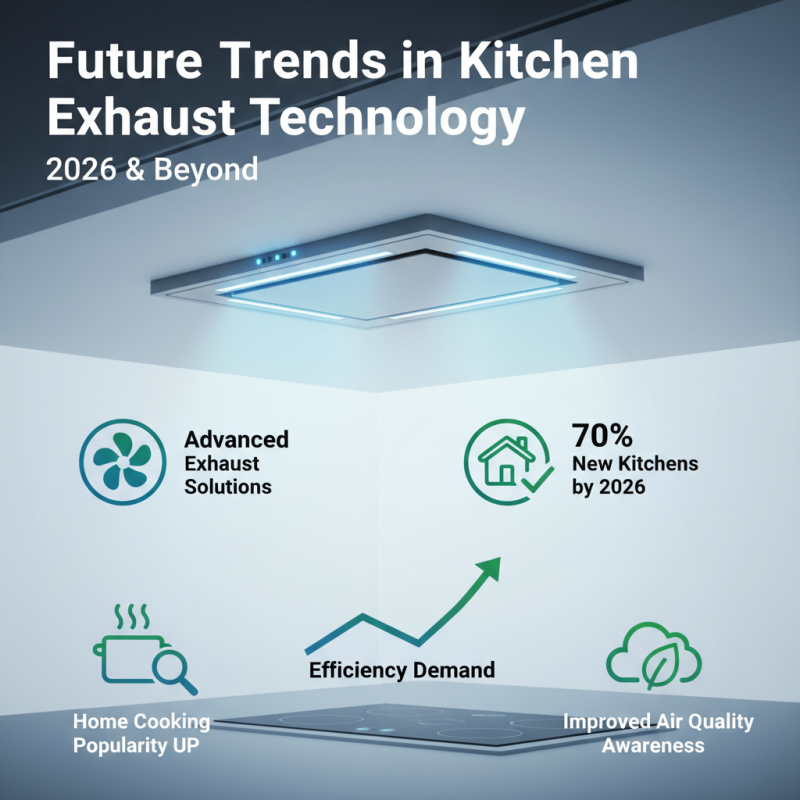
In 2026, kitchen exhaust technology is expected to evolve significantly. As home cooking becomes more popular, the demand for efficient exhaust systems will rise. A report by the Association of Home Appliance Manufacturers states that over 70% of new kitchens will incorporate advanced exhaust solutions by 2026. This trend reflects a growing awareness of air quality.
One key development in this field is Exhaust Air Cleaning. This technology integrates filtration systems to effectively remove smoke, grease, and odors. Buyers should consider models with multi-stage filtration for optimal performance. These systems can capture up to 95% of airborne particles, creating a healthier cooking environment.
Energy efficiency is another important factor for buyers. Newer models utilize energy-saving designs, decreasing overall kitchen energy consumption. A recent study by the EPA indicated that energy-efficient exhaust systems can reduce emissions significantly. When selecting an exhaust system, look for certifications that assure performance and energy savings.
Don't overlook noise levels, either. More efficient systems tend to be quieter. Homeowners often report dissatisfaction with excessive noise from exhaust fans. In 2026, focusing on quieter, effective designs becomes essential for a pleasant kitchen atmosphere. As trends advance, understanding these factors will guide buyers in choosing the right kitchen exhaust system.
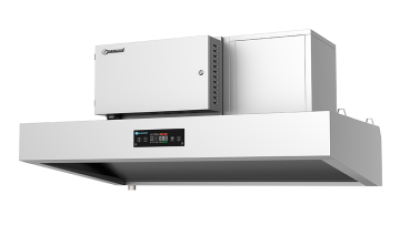
In the pursuit of maximizing indoor air quality, particularly in commercial kitchens, the utilization of filtration systems with high efficiency is paramount. Electrostatic precipitators, specifically designed for kitchen hoods, have demonstrated remarkable capabilities in removing smoke and particulate matter from the air. The Kleanland range hood type smoke precipitators are leading examples of this technology, featuring smoke particulate filtration efficiency up to an impressive 98.5% down to submicron levels. According to numerous industry reports, maintaining high indoor air quality can significantly reduce health risks associated with airborne pollutants, thereby enhancing the overall comfort of kitchen staff and patrons alike.
The advanced design of these electrostatic precipitators includes sophisticated high voltage power supplies and durable stainless steel filtration cells, ensuring longevity and reliability in demanding environments. A noteworthy feature is the optional auto steam wash system, which reduces maintenance burdens by allowing the unit to operate for extended periods—up to one year—without manual cleaning. This not only improves operational efficiency but also ensures consistent air quality within the kitchen, a vital aspect highlighted in various studies that link air quality, performance, and employee satisfaction in commercial food preparation settings.
Industry data underscores that effective filtration systems contribute to a healthier workplace, with a reduction in respiratory issues noted among employees in environments equipped with high-efficiency filtration technology. By adopting electrostatic precipitator systems, commercial kitchens can lead the charge in providing safer and more comfortable cooking environments, ultimately promoting better health outcomes for everyone present.
: There are wall-mounted, under-cabinet, island, and ductless hoods. Each suits different layouts and preferences.
Consider your cooking habits, space availability, and the hood's power. Strong spice cooking requires more powerful options.
Effective air circulation clears smoke and odors. High airflow ratings indicate better performance.
Some fans can be loud, disrupting the kitchen. Look for options balancing power and quieter operation.
Energy-efficient fans reduce electricity costs over time. Weigh long-term costs against the initial investment.
Regular cleaning ensures longevity and optimal performance. Poor maintenance can lead to decreased functionality.
Non-compliance can lead to fines and operational delays. It's crucial for safety and air quality.
Investing in a quality exhaust system helps reduce harmful emissions and improve air quality.
Inadequate systems can contribute to respiratory issues, posing health risks for kitchen occupants.
Stay updated on ventilation codes. Compliance with these regulations is essential for safety and operational efficiency.
In the evolving landscape of kitchen design for 2026, selecting the right kitchen exhaust system is crucial for ensuring a safe and efficient cooking environment. Buyers should consider essential factors such as the type of kitchen exhaust hood that best suits their cooking style, along with the performance ratings of exhaust fans, which can significantly impact air quality. Understanding installation requirements and maintenance tips will help sustain the system's efficiency and longevity, while awareness of regulatory standards is vital for compliance with kitchen ventilation norms.
As technology advances, future trends indicate a shift towards smarter kitchen exhaust solutions that prioritize energy efficiency and ease of use. Innovations in design and functionality are expected to enhance user experience while catering to an increasing focus on sustainability. By keeping these considerations in mind, consumers can make informed decisions when investing in kitchen exhaust systems that align with their needs and the future of kitchen environments.