You know, the kitchen is often the real heart of a home, right? It’s where all the delicious magic happens. But let’s be honest—cooking can also bring along some less-than-pleasant stuff like smoke, grease, and lingering odors. That’s where a Kitchen Hood Filter really comes in handy. It’s pretty much the unsung hero that helps keep your kitchen smelling fresh and looking clean.
Now, a lot of folks don’t realize there are actually different types of Kitchen Hood Filters out there. Each one has its own perks and is suited for different kinds of cooking. Some are perfect if you’re doing heavy-duty meals, while others are just fine for quick snacks or light cooking. Honestly, trying to pick the right one can feel kinda overwhelming. And sometimes, people wonder—‘Do I really even need a filter?’
So, if you’re curious about the top 10 kinds of Kitchen Hood Filters, we’ll go through what makes each one special and how you might use them. Good filtration doesn’t just improve your air quality; it can also help your appliances last longer. Honestly, figuring out what works best for you might take a bit of trial and error, but trust me, it’s totally worth it for a healthier, happier cooking space.
Types of Kitchen Hood Filters: An Overview
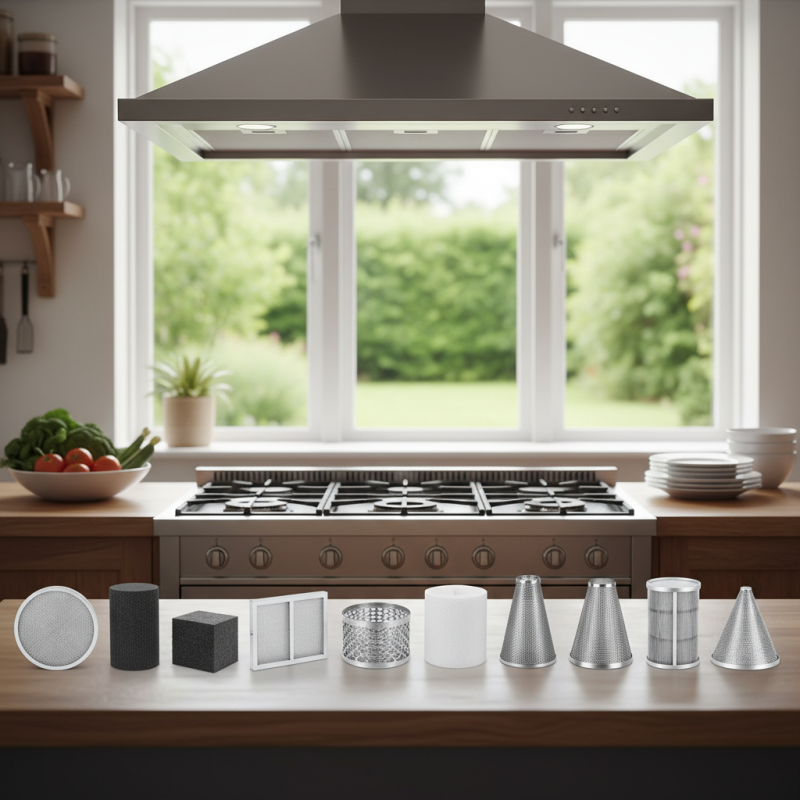
When it comes to kitchen hood filters, understanding the different types is essential. A well-functioning filter can significantly enhance your kitchen's air quality. There are three primary types: mesh filters, baffle filters, and charcoal filters. Each type serves a unique purpose and has its advantages.
Mesh filters trap larger particles and grease. They are easy to clean but may not last long. Baffle filters, on the other hand, are made of metal and are ideal for capturing smoke and odors. A study showed that baffle filters can effectively reduce airborne grease particles by up to 70%. Charcoal filters are commonly used in ductless hoods and help eliminate odors. However, they need replacing every few months.
Tips: Regular maintenance is crucial. Clean your mesh filters monthly to prevent grease buildup. Check baffle filters for damages and change them if necessary. If using charcoal filters, keep an eye on replacement intervals. Ignoring these checks can lead to increased air pollutants in your kitchen.
Understanding your filter choice is vital. Different cooking styles may require specific filters. A deep-fryer may need heavy-duty filters, while baking often requires simpler ones. Think about your cooking habits when choosing. Each situation has its unique needs and shortcomings that demand attention.
Understanding the Importance of Kitchen Hood Filters
Kitchen hood filters play a vital role in any cooking space. They capture smoke, grease, and odors effectively. This keeps the air clean while cooking. Without these filters, kitchens can become unpleasant and unsafe. Grease buildup can create fire hazards. It’s not just about convenience; it’s about safety.
There are various types of kitchen hood filters. Some are made of metal, while others are composed of charcoal or synthetic materials. Metal filters are durable and easy to clean. Charcoal filters, on the other hand, absorb strong odors but need frequent replacement. Different needs require different filters. Many people overlook this aspect. A thorough understanding can improve kitchen air quality significantly.
Regular maintenance is essential for these filters. Dirty filters are less efficient. They can cause smoke to linger in the kitchen. It’s essential to check and replace them regularly. Remember, a well-maintained Smoke Hood Filter contributes to a healthier cooking environment. Neglecting this can lead to bigger issues, like increased energy costs and potential hazards. Kitchen filters deserve more attention than they often receive.
Mesh Filters: Material and Functionality Explained
When it comes to kitchen hood filters, mesh filters are among the most common options. They are typically made of aluminum or stainless steel. This material is favored for its durability and resistance to corrosion. The primary function of mesh filters is to capture grease and prevent it from contaminating the kitchen air. According to industry studies, these filters can trap up to 95% of airborne grease particles, ensuring cleaner air quality.
However, not all mesh filters are created equal. Some may be more effective than others based on their design and the spacing between the mesh lines. Over time, grease can accumulate, which may affect the filter’s performance. Regular cleaning is crucial. Inadequate maintenance can lead to airflow issues and might not effectively eliminate odors. Depending on usage, it is recommended to clean these filters every 4 to 6 weeks.
Tips: Keep an eye on grease buildup. If you notice an oily sheen, it's time for maintenance. Consider a simple soap and water solution for cleaning. This can prolong the life of your filter and improve kitchen air quality. Don’t wait until it's too late; an effective filter makes a difference.
Charcoal Filters: Benefits and Usage in Air Purification
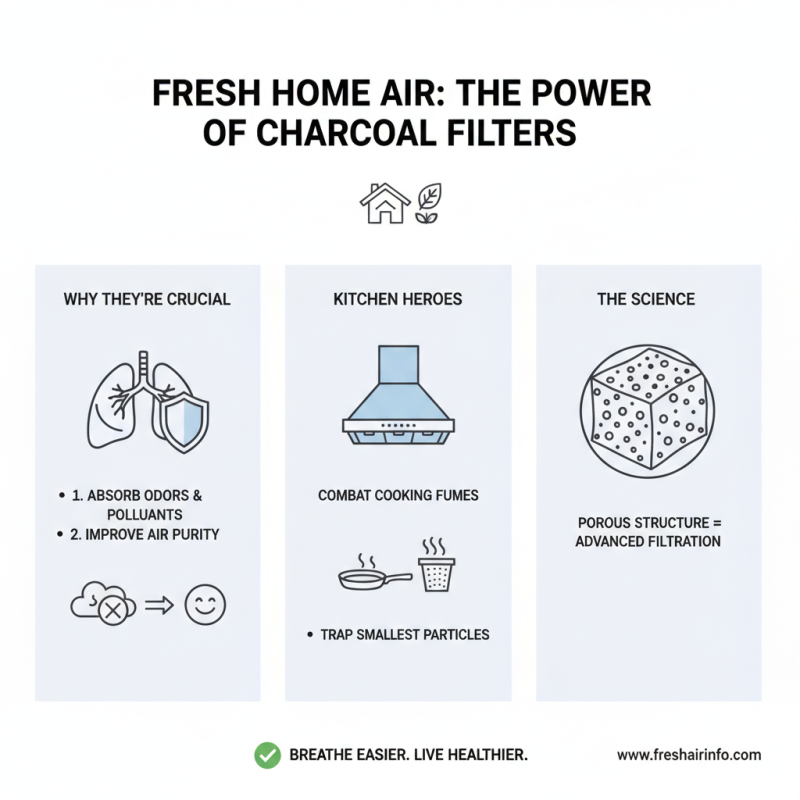
Charcoal filters are vital in enhancing indoor air quality. They efficiently absorb odors and harmful pollutants. In kitchens, where cooking fumes can linger, these filters play a crucial role. Many overlook their importance, yet they significantly improve air purity. Their porous structure traps even the smallest particles.
Using charcoal filters is not just about aesthetics. They help in creating a healthier environment. The installation is often straightforward. Regular maintenance is essential to ensure they function effectively. It’s easy to forget about them until unpleasant odors return. A well-maintained charcoal filter can mean the difference between a fresh kitchen and an unpleasant one.
In restaurants, where cooking often generates intense odors, the importance of a quality Restaurant Fume Hood becomes clear. Charcoal filters help to neutralize smoke from grilling and frying. However, they require replacement at intervals. Not doing so can allow odors to escape into the dining area. Evaluating how well your filters perform can prevent issues. Always keep an eye on their condition for optimal results.
Baffle Filters: Design Advantages for Grease Capture
Baffle filters are an essential component in modern kitchens, particularly in commercial settings. They excel at trapping grease thanks to their unique structure. Made from stainless steel, baffle filters efficiently collect airborne grease particles. Reports indicate that these filters can capture up to 90% of grease from kitchen emissions. This statistic highlights their importance in maintaining air quality.
The design of Static Hoods with baffle filters offers significant advantages. Their slotted design creates turbulence that accelerates grease removal. However, not all baffle filters are created equal. Some are difficult to clean and can accumulate deposits over time. This can compromise their grease-capturing ability, leading to safety hazards in the kitchen. Regular maintenance and cleaning are vital to ensure optimal performance.
While baffle filters provide effective grease capture, they have limitations. For example, they may not filter out smoke or odors as efficiently as other systems. This is a crucial consideration in kitchens where both air quality and odor control are priorities. Proper selection and maintenance are necessary to maximize the benefits of a Static Hood with baffle filters.
Top 10 Kitchen Hood Filter Types - Baffle Filters: Design Advantages for Grease Capture
This chart illustrates the grease capture efficiency of various kitchen hood filter types. Baffle filters are the most effective, capturing up to 95% of grease, while mesh and cylindrical filters perform less efficiently.
Paper Filters: Cost-Effectiveness and Practical Applications
Paper filters are an interesting option for kitchen hoods. They are lightweight and easy to install. Many home cooks appreciate their affordability. This makes them a popular choice. However, there are some considerations to keep in mind.
Using paper filters can be a double-edged sword. On one side, they trap grease and odors effectively. On the other hand, they need frequent replacement. This can lead to increased costs over time. If not changed regularly, they may compromise kitchen air quality. This is something users often overlook.
Some may find paper filters can be less durable. They can easily rip or tear during cleaning. Cooks should also remember to dispose of them correctly. This could lead to unnecessary waste if not managed well. Finding the right balance can be challenging but essential for maintaining a healthy cooking environment.
Choosing the Right Filter for Your Kitchen Hood Setup
Choosing the right filter for your kitchen hood setup can significantly impact cooking experiences. There are various filter types available, each with unique benefits. Some filters capture grease exceptionally well, while others focus on reducing odors. When selecting a filter, consider your specific cooking habits. If you often fry or grill, a more robust filter may be necessary.
Lesser-known options like charcoal filters can tackle unpleasant smells effectively. However, they need frequent replacement, which may be a hassle for some. Not all homeowners realize the importance of regular cleaning, either. A neglected filter will lose efficiency over time, making it essential to schedule routine maintenance. Sometimes, investing in a Hood Cleaner tool may seem unnecessary, but it can save headaches later.
Different materials can also affect performance. Aluminum filters are lightweight but might not last as long. Stainless steel filters are durable, but they require more maintenance. Take the time to assess your kitchen's needs. Reflecting on your cooking style will help you choose wisely. Remember, selecting the right hood filter is just one step in creating an efficient, enjoyable cooking environment.
Maximizing Industrial Air Quality: Insights from Recent Efficiency Reports on 95% Wide Airway ESP Filters
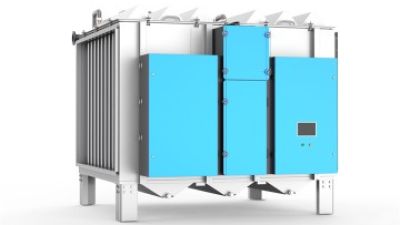
Recent efficiency reports have highlighted the critical importance of maintaining superior air quality within industrial environments, particularly through the use of advanced filtration systems. A notable solution is the implementation of 95% wide airway electrostatic precipitator (ESP) filters, which have demonstrated significant efficacy in removing particulate matter and improving overall air purity. According to industry standards, maintaining optimal air quality can lead to a reduction in operational downtime and health-related issues among workers, translating to increased productivity and reduced costs.
The innovative design of modern air filtration solutions, featuring adjustable air outlets positioned at the front, top, rear, and sides, allows for tailored airflow management based on specific operational needs. Available in widths of 1100mm and 1300mm, with standard lengths ranging from 1.6m to 2.4m, these systems are adaptable to various industrial setups. Furthermore, the inclusion of cutting-edge components, such as the Kleanland IoT power pack along with stainless-steel cylindrical honeycomb filter cells, enhances the durability and efficiency of the filters.
Optional enhancements, such as steam auto-clean, an Activated Carbon Filter, and a UV Odour Eliminator, further contribute to maintaining an ideal air quality standard. Such features not only facilitate routine maintenance but also ensure that any airborne contaminants are effectively managed, resulting in a healthier workspace. The integration of these advanced technologies is not just a response to regulatory pressures but also a proactive approach to safeguarding employee wellness and optimizing operational efficiency across industrial sectors.
FAQS
: Commonly discussed products include items for daily use and convenient gadgets.
Consider quality, functionality, and reviews. Look for reliable information before making a decision.
Yes, risks include scams and poor product quality. Always verify the seller's credibility.
Credit cards and secure payment platforms are safer options. Avoid direct bank transfers.
Many sellers offer return policies. Read the terms carefully to understand your options.
Look for independent reviewers and avoid biased sources. Genuine feedback is essential.
Some products come with warranties, but this varies. Check the specific details before buying.
Impulse buying is a frequent mistake. Make a list and stick to it to avoid regret.
High shipping fees can change the total cost significantly. Always factor that into your budget.
Contact the seller immediately. Document the damage with photos to support your claim.
Conclusion
In the kitchen, selecting the right kitchen hood filter is crucial for maintaining a clean and healthy cooking environment. Various types of filters, including mesh, charcoal, baffle, and paper filters, serve distinct purposes. Mesh filters are designed for grease capture and are easy to clean, while charcoal filters excel in purifying air and eliminating odors. Baffle filters offer unique structural advantages for effectively trapping grease, making them ideal for high-heat cooking. On the other hand, paper filters provide a cost-effective solution for everyday use.
Understanding these different kitchen hood filter types and their functionalities can greatly enhance your cooking experience. Each type serves a specific purpose based on your cooking habits and kitchen setup, allowing you to make informed choices to optimize air quality and grease management in your kitchen. Whether you prioritize efficiency, cost, or air purification, knowing the strengths of each filter type empowers you to choose the best kitchen hood filter for your needs.

 Online Message
 Phone:+8613927702137
 E-Mail: kleanesp@kleanland.com
 Whatsapp: +8613927702137