You know, indoor air quality has really become a big deal in our homes these days. I came across some research from the EPA that blew me away—she was saying our indoor air can actually be two to five times more polluted than what’s outside. Crazy, right? And with so many of us living in cities, relying on synthetic materials, it’s more important than ever to find simple, effective ways to breathe better indoors. One of the coolest, most natural solutions I’ve come across is using plants to purify the air. Not only do they look nice and pretty, but they actually help improve your health too.
There’s some fascinating info from NASA’s Clean Air Study that shows certain houseplants can absorb nasty toxins like formaldehyde, benzene, and carbon monoxide. Just imagine having these green friends in your home—you're actively making the Air Cleaner and your space more peaceful. Plus, organizations like the WHO have highlighted how important having good air quality really is, linking bad air to health issues like breathing problems and even decreased brain function.
So, honestly, just picking out the top 10 plants for Air Purification can be a real game changer for your home. They do a fantastic job of cleaning the air, sure, but they also help boost your mood and mental well-being. Honestly, they’re a must-have if you’re looking to create a healthier, more relaxed living space.

Selection Criteria for Air-Purifying Plants
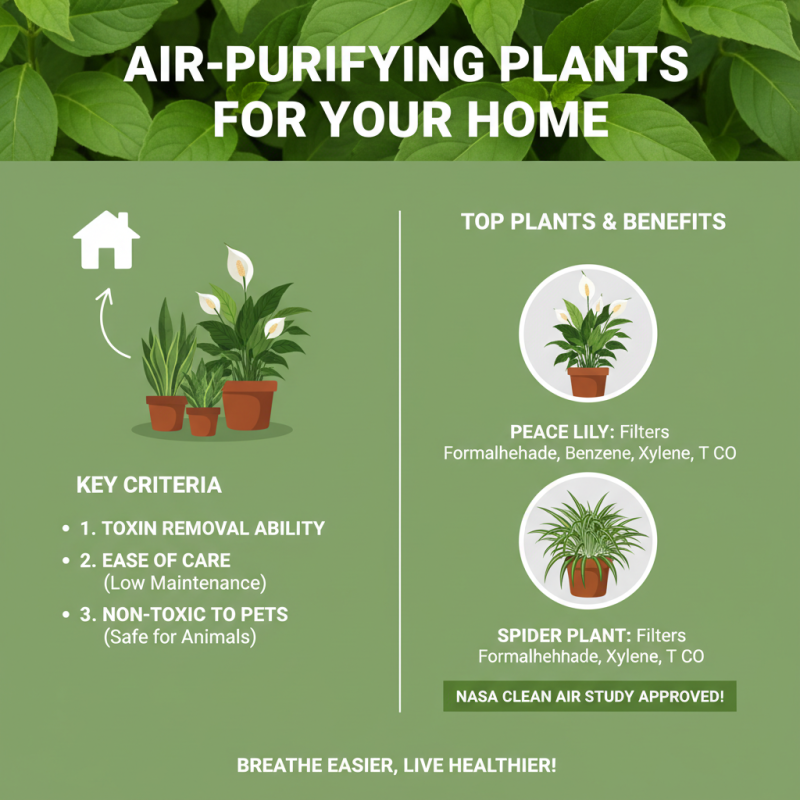
When selecting air-purifying plants for your home, it's important to consider several key criteria to ensure maximum effectiveness. The first criterion is the plant's ability to remove specific toxins from the air. According to a study by NASA's Clean Air Study, certain plants such as the Peace Lily and Spider Plant are particularly effective at Filtering pollutants like formaldehyde and benzene. It has been reported that incorporating just one or two of these plants can significantly reduce indoor air pollution levels, creating a healthier living environment.
Another factor to consider is the plant's maintenance requirements. Some air-purifying plants are more adaptable to indoor conditions and require less care, which makes them ideal for busy lifestyles. For instance, the Snake Plant is known for its drought-resistant nature and thrives in low light settings, making it a favorite among urban dwellers. Furthermore, plants should also be evaluated based on their growth habits; larger plants tend to absorb more toxins and can contribute significantly to air quality improvement in spacious rooms. According to research from the University of Georgia, a minimum of one plant per 100 square feet of living space is recommended for optimal air purification benefits.
Benefits of Indoor Air Quality Improvement
Improving indoor air quality is vital for overall health and well-being. In our increasingly urbanized world, pollutants such as dust, allergens, and volatile organic compounds (VOCs) can accumulate indoors, leading to respiratory issues and other health concerns. By incorporating specific plants into your home, you can significantly enhance air quality. These plants not only absorb carbon dioxide and release oxygen but also filter harmful toxins, making the air safer and cleaner for your family members.
Additionally, indoor plants contribute to a more pleasant living environment. The presence of greenery can reduce stress levels, enhance mood, and even boost productivity. Studies have shown that being around plants can lead to increased feelings of happiness and serenity, which can be beneficial in spaces where people gather, such as living rooms or home offices. Moreover, as added benefits, many indoor plants require minimal maintenance, making them an excellent choice for busy lifestyles. By selecting the right plants, you can transform your home into a healthier and more inviting space.
Top 10 Plants for Effective Air Purification
Top 10 Plants for Air Purification Overview
When it comes to enhancing indoor air quality, certain plants stand out due to their natural air-purifying properties. Incorporating greenery into living spaces not only beautifies the home but also contributes to a healthier environment. The best plants for air purification are known to absorb toxins and release oxygen, making them essential companions in any home. Common choices include varieties like the Spider Plant and the Peace Lily, both of which have been documented for their ability to filter out harmful substances from the air effectively.
In addition to improving air quality, these plants also require relatively low maintenance, making them ideal for busy households. For instance, the Snake Plant and Boston Fern can thrive in various light conditions and need minimal watering. This adaptability makes them particularly suitable for novice gardeners and those living in apartments with limited access to natural light. By strategically placing these plants in different rooms, homeowners can create a fresher, more rejuvenating atmosphere while promoting overall well-being.
Detailed Profiles of Each Air-Purifying Plant
When it comes to enhancing indoor air quality, certain plants stand out for their remarkable purification abilities. One of the most efficient air-purifying plants is the Spider Plant, known for its resilience and ability to remove pollutants like formaldehyde and xylene. Its arching leaves not only beautify a space but also produce oxygen, making it a fantastic choice for homes with limited light. Alternatively, the Snake Plant, often praised for its low maintenance needs, thrives on neglect and can filter out a variety of toxins, including benzene and toluene, while releasing oxygen even at night.
Another excellent option is the Peace Lily, recognizable by its elegant white blooms. This plant excels at absorbing ammonia and other harmful chemicals, making it particularly valuable in spaces with synthetic materials. Furthermore, the Bamboo Palm is not just a beautiful addition to any room; it's also effective at humidifying the air while filtering out airborne toxins, creating a fresher atmosphere. Incorporating these plants not only enhances the aesthetic of your living space but also contributes to a healthier environment, showcasing the perfect blend of beauty and functionality in air purification.
Care Tips for Maintaining Indoor Plants
When it comes to maintaining indoor plants known for their air purification capabilities, understanding their specific care needs is crucial. For instance, plants like snake plants and pothos thrive in indirect sunlight, making them ideal for dimly lit rooms. Regularly check the soil moisture before watering—these plants prefer to dry out a bit between waterings to prevent root rot.
To create a thriving environment, ensure that your indoor plants receive adequate humidity. Many air-purifying plants, such as peace lilies and spider plants, benefit from a humid atmosphere. You can increase humidity by misting the leaves regularly or placing a small humidifier nearby. Additionally, consider rotating your pots every few weeks to promote even growth and prevent them from leaning towards the light source.
Regular dusting of leaves is another vital maintenance tip. Dust can accumulate on the leaves, inhibiting the plant's ability to photosynthesize efficiently. A soft, damp cloth works well for this task. Trimming dead or yellowing leaves will not only keep the plant looking its best but also encourage new growth, ensuring that your air-purifying plants remain healthy and effective in enhancing indoor air quality.
Common Indoor Air Pollutants Targeted by these Plants
Indoor air pollution is a significant concern, as it can impact our health and well-being. Many common household substances contribute to poor air quality, including volatile organic compounds (VOCs), carbon dioxide, and particulate matter. Certain indoor plants have shown remarkable ability to target these pollutants, helping to purify the air and enhance the overall atmosphere in our homes.
One of the main culprits of indoor air pollution are VOCs, which are released from everyday items such as paints, cleaning agents, and furniture. Plants like spider plants and peace lilies are particularly effective at absorbing these harmful compounds, thus reducing the concentration of VOCs in the air. Additionally, increased levels of carbon dioxide can lead to discomfort and cognitive decline. Plants such as snake plants and pothos absorb carbon dioxide while releasing oxygen, improving overall air quality and promoting a healthier indoor environment.
Furthermore, indoor dust and particulate matter can aggravate allergies and respiratory issues. Plants such as rubber plants and Boston ferns not only help trap dust particles but also improve humidity levels, creating a more comfortable living space. By incorporating these air-purifying plants into your home, you can tackle these common indoor pollutants effectively, fostering a cleaner and healthier atmosphere for you and your family.
Additional Strategies for Enhancing Air Quality
To enhance the air quality in your home, it’s essential to adopt a multifaceted approach that goes beyond simply adding plants. One effective strategy is to ensure proper ventilation. Regularly opening windows and using exhaust fans can help reduce indoor pollutants by allowing fresh air to circulate and dispelling stale air. This not only diminishes the concentration of harmful substances but also introduces beneficial outdoor elements, contributing to a healthier indoor atmosphere.
Another valuable practice is maintaining humidity levels within an optimal range. High humidity can encourage mold growth and dust mites, while excessively low humidity can lead to respiratory issues. Using dehumidifiers or humidifiers, depending on your environment’s needs, can significantly improve air quality. Additionally, incorporating natural air purifiers, such as beeswax candles or essential oil diffusers, can further purify the air. These items, when used mindfully, provide an aromatic boost while supporting a cleaner atmosphere, creating a more comfortable living space free from harmful irritants.
FAQS
: Improving indoor air quality is essential for overall health and well-being. It helps to reduce respiratory issues, filters harmful toxins, and creates a safer living environment.
Indoor plants absorb carbon dioxide, release oxygen, and filter harmful substances such as VOCs and pollutants, making the air cleaner and safer for inhabitants.
Notable air-purifying plants include Spider Plants, Snake Plants, Peace Lilies, and Bamboo Palms, which are known for their ability to remove various indoor pollutants.
Spider Plants are effective in removing formaldehyde and xylene, while Peace Lilies excel at absorbing ammonia and other harmful chemicals, thus improving indoor air quality.
Yes, the presence of indoor plants can reduce stress levels, enhance mood, and boost productivity, creating a more pleasant living environment.
Indoor plants can help filter common pollutants such as VOCs, carbon dioxide, and particulate matter, improving overall air quality.
Yes, plants like Snake Plants are known for their low maintenance needs, making them suitable for busy individuals while still providing air-purifying benefits.
Certain plants, like the Bamboo Palm, help humidify the air while filtering toxins, which can create a fresher atmosphere in your home.
Indoor dust contributes to poor air quality, aggravating allergies and respiratory issues, but plants can help trap dust particles and improve humidity, enhancing comfort.
Conclusion
In the article "Top 10 Plants for Effective Air Purification in Your Home," various aspects of plant air purification are explored, highlighting the importance of selecting the right plants for improving indoor air quality. The selection criteria delve into factors such as the plants' ability to filter common indoor pollutants, their adaptability to different environments, and care requirements.
The article showcases the benefits of indoor air quality improvement and presents a comprehensive overview of the top ten plants that excel in air purification, each accompanied by detailed profiles. Care tips for maintaining these plants are also provided, ensuring they remain effective air purifiers. Additionally, the article discusses common indoor air pollutants targeted by these plants and offers further strategies to enhance overall air quality in home environments. By incorporating these air-purifying plants, individuals can create a healthier living space conducive to well-being.

 Online Message
 Phone:+8613927702137
 E-Mail: kleanesp@kleanland.com
 Whatsapp: +8613927702137