Leave Your Message
0%

Air quality is a pretty big deal for lots of households these days. And one thing that can really make a difference is using a Smoke Air Filter—that’s what helps improve the air you breathe indoors. I came across some advice from Dr. James K. Lin over at AirQuality Innovations, who said, “Using a Smoke Air Filter can really cut down on the harmful effects of airborne pollutants.” It’s a good reminder just how important it is to pick the right filter for your home.

Honestly, with so many options out there, choosing the right Smoke Air Filter can feel pretty overwhelming. Some do a great job at catching smoke particles, but others might not be as effective. Things like the type of filter, how much air they can move, and how often they need a little upkeep are all worth thinking about. This way, you can keep your indoor space nice and fresh.

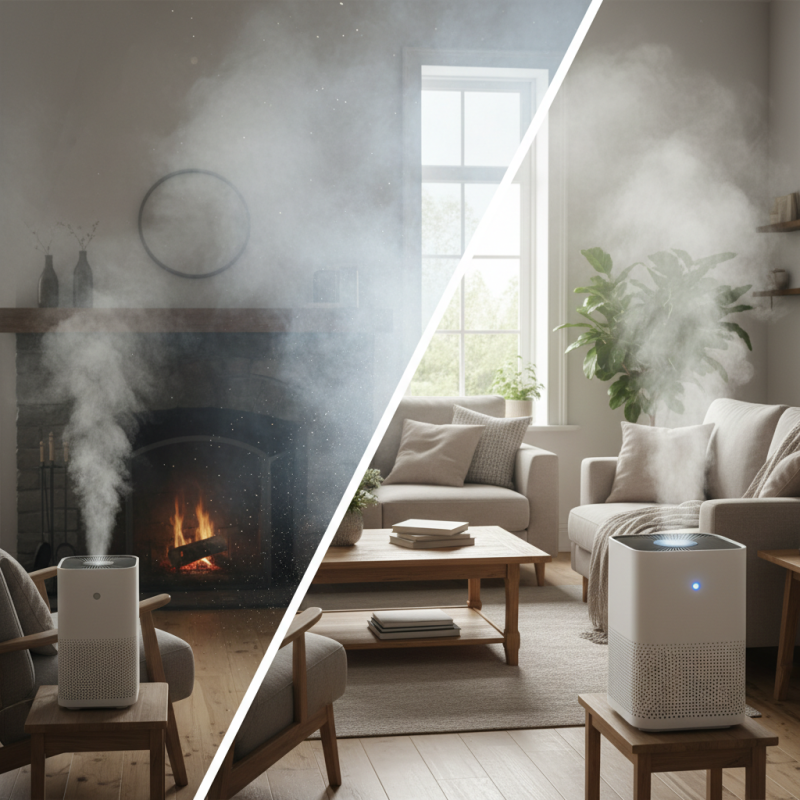
Picture this: a cozy living room, maybe with a fireplace, and tons of smoke floating around—then suddenly, with just a simple filter, it’s transformed into a clean, fresh oasis. Pretty cool, right? But here’s the thing—not all filters work as promised. Doing a bit of homework before buying can save you from ending up disappointed. And honestly, quality usually beats just trusting big brand names blindly.
Top 10 Smoke Air Filter Options to Improve Your Air Quality?

Top 10 Smoke Air Filters: Understanding the Importance of Air Quality

Air quality plays a critical role in our overall health. Poor air quality can lead to various health issues, including respiratory diseases. According to the World Health Organization, around 4.2 million deaths occur annually due to outdoor air pollution. Smoke and particulate matter significantly impact the air we breathe, especially in urban areas. It is vital to find ways to improve indoor air quality.

Using efficient smoke air filters can reduce indoor pollutants. These filters target harmful particles, providing cleaner air. A recent environmental study indicated that homes with high-efficiency particulate air (HEPA) filters saw a 50% reduction in airborne contaminants. This highlights the necessity of having effective filters, especially in areas prone to wildfires or industrial emissions.

Tips: Regularly change your air filter. A clogged filter works less effectively. Keep windows closed during high-smoke days for better protection. Consider portable air purifiers for high-risk rooms, like bedrooms. Investing in quality air filtration can lead to a healthier living environment. The need for awareness of air quality is growing. Let's not ignore this pressing issue.

Top 10 Smoke Air Filter Options to Improve Your Air Quality

Key Features to Look for in Smoke Air Filters for Optimal Performance

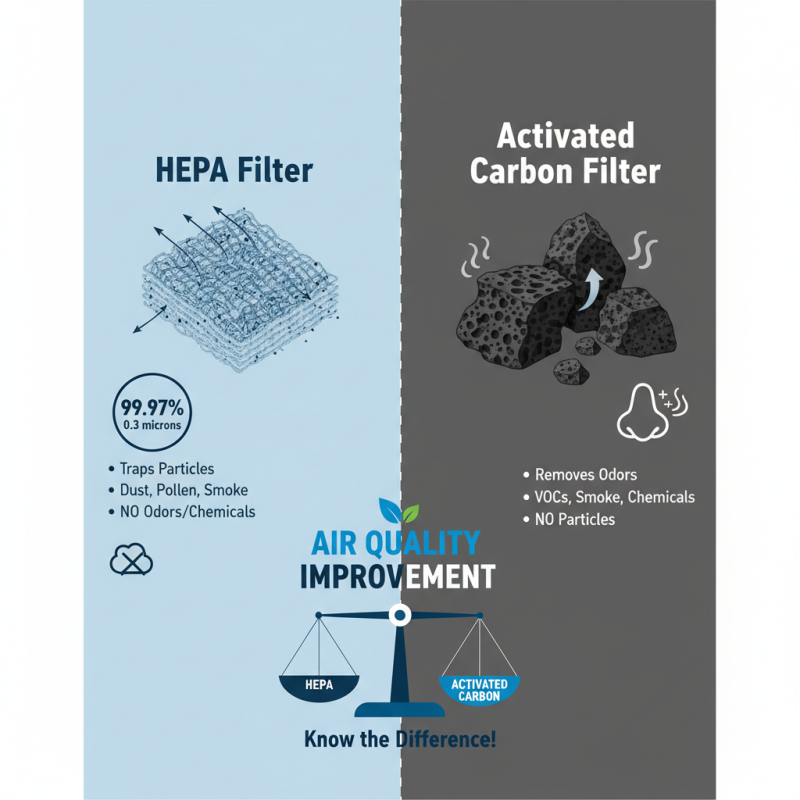
When choosing a smoke air filter, several key features significantly impact its performance. Look for HEPA filters. These filters can capture up to 99.97% of particles as small as 0.3 microns. This includes smoke particles, which can be particularly harmful to your health. Studies show that indoor air can be polluted with fine particulate matter, leading to respiratory issues.

Another important feature is activated carbon. This material effectively adsorbs odors and volatile organic compounds (VOCs). A report by the Environmental Protection Agency highlights that VOCs can contribute to indoor air quality problems. Including a pre-filter is also beneficial. This extension can capture larger particles, prolonging the life of the main filter.

Consider filter replacement frequency. Many users forget to change filters, which reduces efficiency. A filter alert system can remind you when it’s time for a replacement. Air quality monitors can also provide real-time feedback. This data can guide you on when to run your air filter at peak times. The combination of these features enables users to enjoy cleaner air. It demonstrates the ongoing need for vigilance in maintaining air quality.

Comparison of HEPA vs. Activated Carbon Filters in Smoke Removal

Top 10 Smoke Air Filter Options to Improve Your Air Quality?

When it comes to improving air quality, understanding the differences between HEPA and activated Carbon Filters is vital. HEPA filters are known for their efficiency in trapping particles. They capture 99.97% of particles that are 0.3 microns or larger. This means they are highly effective against dust, pollen, and smoke. However, they do not eliminate odors. This is where activated carbon filters shine. They use adsorption to remove gaseous pollutants and odors from the air. While HEPA filters focus on particulate matter, activated carbon filters deal with volatile organic compounds (VOCs) often found in smoke.

In a study conducted by the Environmental Protection Agency, it was noted that indoor air can be two to five times more polluted than outdoor air. This statistic emphasizes the need for efficient air filtration, especially in environments with smoke exposure. Both HEPA and activated carbon filters have their strengths, and many purifiers now combine both. For instance, an Incinerator Smoke Filter would ideally incorporate activated carbon to tackle the chemical components of smoke while using HEPA to filter particulate matter.

Despite these advantages, achieving complete air purification is still challenging. Some filters may not last long in high-smoke environments. Users often overlook the need for regular maintenance and timely filter replacements. This can lead to reduced effectiveness over time. Proper understanding of each filter type's limitations is crucial for selecting the right air quality improvement solution.

Industry Statistics: Impact of Smoke Pollution on Indoor Air Quality

Indoor air quality often suffers due to smoke pollution. According to recent reports, approximately 50% of households experience increased indoor pollutants from smoking activities. This issue is particularly pronounced in residences where smoking is frequent. Smoke particles can linger in the air for hours, affecting breathing and overall health.

Another study indicates that smoke pollution contributes to 30% of respiratory illnesses linked to indoor air quality. Children and pets are most vulnerable, as their lungs are still developing. Solutions do exist, like using an Electrostatic Smoke Purifier, which can effectively reduce harmful particles. This technology attracts and captures smoke particulates, providing a cleaner air environment.

Air quality deteriorates faster in densely populated areas. In urban settings, smoke pollution levels can rise by 40% during peak hours. This creates a pressing need for effective air filtration systems. Choosing the right smoke filter can ultimately improve your home environment. Simplifying air quality management is crucial, but it requires an upfront investment. Balancing cost and effectiveness remains a challenge in this climate.

Top 10 Smoke Air Filter Brands: A Review of Performance and Ratings

When it comes to enhancing air quality, smoke air filters play a crucial role. Many options saturate the market, each offering different benefits. Some filters focus on removing particulates, while others target odor and chemical pollutants. During research, performance varies significantly between brands. Ratings present a mixed picture, often influenced by user experience.

Not all air filters perform as expected. Some may be noisy or not fit well in your space. Others struggle with higher smoke levels. Finding a reliable Smoke Cleaning Solution can be challenging. It’s essential to read user reviews and understand your specific needs. Look for filters with HEPA technology; they tend to trap smaller particles effectively.

You might find that a well-rated filter doesn’t suit your environment. Some users report filters failing to address lingering smoke odors. It highlights the importance of base conditions in your home. Ideal filters should align with your unique requirements. Testing different options is often necessary to discover what works best for you.

Cost Analysis: Budgeting for Effective Smoke Air Filtration Solutions

When considering smoke air filters, the cost is a crucial factor. A study by the EPA indicates that indoor air quality can be up to five times worse than outdoor air. Effective smoke air filtration can significantly reduce health risks. Costs for good systems can range from $100 to $1,000. The initial price may feel steep, but it’s essential to think long-term. You are investing in your health.

Not all filters provide the same performance. The right choice can lower pollutants effectively. For example, HEPA filters can capture up to 99.97% of particulate matter. However, they often have higher replacement costs. Maintenance is another overlooked expense. Regularly replacing filters is crucial for optimal Smoke Elimination. Staying informed can prevent costly mistakes.

Cost analysis reveals that some budget-friendly models underperform. Buyers sometimes choose these cheaper options and face frequent replacements. This leads to higher costs over time. Investing in a slightly pricier filter can save money and enhance air quality. It’s essential to find a balance between cost and effectiveness for smoke air filtration solutions.

Maintenance Tips for Prolonging the Lifespan of Smoke Air Filters

Maintaining smoke air filters is essential for improving indoor air quality. Regular maintenance can extend filter life significantly. Studies indicate that a well-maintained filter can last up to six months longer than a neglected one. Cleaning or replacing filters at the recommended intervals reduces contaminants effectively.

It’s vital to monitor the filter's condition. Check for visible dirt or reduced airflow. A clogged filter can increase indoor pollution levels. Professional reports suggest that air quality can decline rapidly when filters are overlooked. Use a marker to track replacement dates. This simple practice ensures timely maintenance.

Regular vacuuming around the filter area can also help. It minimizes dust and smoke build-up. Dust can reduce filter efficiency. Cleaning surrounding surfaces can make a notable difference. Remember, clear air is not just a convenience; it’s a necessity for health. Ignoring your filter can have long-term consequences on air quality and well-being.

Optimizing Stenter Machine Efficiency: The Role of Gas Air Filters and Heat Recovery Systems

In the textile and dyeing industries, optimizing the efficiency of stenter machines is crucial for improving productivity and minimizing operational costs. One of the key components in achieving this is the implementation of gas air filters, which play a significant role in maintaining air quality and operational efficiency. By filtering out impurities from the air used in the stenter process, these filters not only ensure a cleaner environment for the fabrics but also enhance the overall performance of the machine. Improved air quality translates to better fabric treatment, leading to higher quality outputs and reduced maintenance needs.

Another essential aspect of stenter machine optimization is the integration of heat recovery systems. These systems capture the waste heat generated during stenter operations and recycle it for future use. By harnessing this previously lost energy, manufacturers can significantly reduce their energy consumption, which in turn lowers operational costs and decreases environmental impact. The benefits of heat recovery are twofold: it minimizes fuel usage and mitigates carbon emissions, aligning with the industry's move towards more sustainable practices. As a result, textile manufacturers can enjoy both economic benefits and contribute to environmental preservation through effective energy management strategies.

FAQS

: What is the main purpose of the service?

: The service aims to provide assistance and support in various areas.

How can I access the service?

You can access the service online through a simple registration process.

Are there any fees involved?

Some features may have associated costs, but basic access is usually free.

What if I encounter an issue?

You should reach out to customer support for quick help.

How can I provide feedback?

Users can submit feedback through an online form or email.

Is my personal information safe?

Yes, but users should regularly review privacy settings.

Can I use the service on mobile devices?

Yes, the service is designed to be mobile-friendly.

What if I forget my password?

There is a password recovery option available on the login page.

How often are updates made?

Updates occur regularly, but not on a fixed schedule.

Can I share the service with others?

Sharing is permitted, but respect for terms of use is crucial.

Conclusion

The article titled "Top 10 Smoke Air Filter Options to Improve Your Air Quality" explores the critical role of smoke air filters in enhancing indoor air quality. It emphasizes the significance of understanding key features such as filtration efficiency, noise level, and maintenance requirements to ensure optimal performance. The comparison between HEPA and activated carbon filters highlights their effectiveness in smoke removal, underscoring the importance of selecting the right type based on individual needs.

Furthermore, the article presents compelling industry statistics that illustrate the detrimental effects of smoke pollution on indoor environments. A thorough review of top smoke air filter brands is included, alongside an analysis of their performance ratings. Additionally, practical cost analysis helps readers budget effectively for smoke air filtration solutions. Finally, maintenance tips are provided to extend the lifespan of smoke air filters, ensuring long-term benefits for cleaner indoor air.

Isabella

Isabella

Isabella is a dedicated marketing professional at Foshan KeLan Environmental Technology Co., Ltd., where her expertise in the field of environmental technology shines through. With a passion for sustainability and innovation, she plays a key role in promoting the company's core business, which......
Previous Maximizing Efficiency in Smoke Precipitator Maintenance and Support