Leave Your Message
0%

Choosing the right smoke detection tech isn’t just about tallying sensors or checking price tags. Folks around the world really want systems that can quickly pinpoint where smoke is coming from, keep a clear record of events, and help keep facilities safe. Just to be clear, when we talk about the “smoke perpetrator,” we’re referring to the likely source of an air quality issue, not an actual person or illegal activity.

Nowadays, many platforms mix things like optical sensors, particulate monitors, thermal cameras, airflow analysis, and even cloud alerts. An Electrostatic Smoke Purifiercan also help keep the Air Cleaner — as long as it’s used within its proper engineering limits. But remember, purification isn’t the same thing as detection. It’s super important for buyers to find out whether each system measures smoke levels, tracks movement patterns, or just sets off an alarm.

At the end of the day, how reliable a system is really depends on how it’s installed. A warehouse with super-high ceilings isn’t the same as a lab, a kitchen, or a factory floor. Experienced integrators will look at things like ventilation, humidity, dust, how easy it is to do maintenance, and the chances of false alarms before making a recommendation. Independent testing, transparent specs, cybersecurity safeguards, and ticking all the local compliance boxes are also worth paying attention to.

Let’s be honest — no system is perfect.

And that’s a pretty big deal.

Big names like Honeywell, Siemens, Bosch, and Johnson Controls have solid safety product lines. But honestly, the best fit depends on your specific site. It’s smart to ask for real-world references, details on calibration procedures, how quickly they respond to issues, and how they handle data retention. Sometimes, digging a little deeper can reveal flaws that glossy brochures never mention. The most advanced system isn’t always the best choice — it’s more about picking one that reliably gives you clear evidence, is easy to maintain, and performs responsibly in real-life conditions.
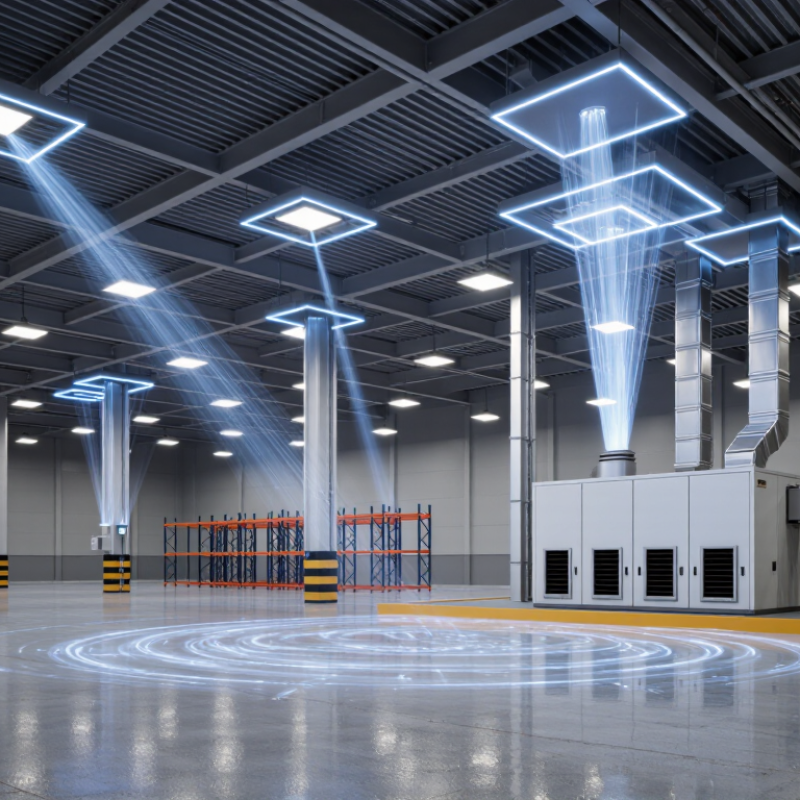
Top Smoke Perpetrator Detection Systems for Global Buyers

What Smoke Perpetrator Detection Systems Are and How They Work

Smoke Perpetrator Detection Systems are designed to identify smoke-producing events early, not to identify people. They use photoelectric sensors, heat sensors, carbon monoxide sensors, or air-sampling pipes. Photoelectric units react to light scattered by smoke particles. Ionization units respond faster to some flaming fires, but they can be more sensitive to nuisance conditions. Multi-criteria systems compare smoke, temperature, and gas patterns before triggering an alarm.

The process is practical. A chamber samples air near ceilings, corridors, machinery, or storage areas. When particle levels rise, the controller checks the signal against programmed thresholds. It can then activate alarms, ventilation controls, monitoring software, or emergency communication equipment. NFPA’s Smoke Alarms in U.S. Home Fires report found that working smoke alarms operated in 89% of home fires where they were present. Yet alarm failure still occurred, often because of missing, disconnected, or dead power sources. No detector is perfect. Dust, steam, welding fumes, and poor placement can create false signals.

Tips: Match detection technology to the room. Use air-sampling systems in high-ceiling spaces and heat sensors where dust is unavoidable. Test alarms under realistic conditions, record response times, and inspect power supplies monthly. A Smoke Cleaning Solution may help after an incident, but it cannot replace detection, ventilation, or maintenance. Buyers should request third-party test results, environmental operating ranges, calibration procedures, and service records. The WHO reports that fires cause about 180,000 deaths annually worldwide, so local building conditions and trained installation teams deserve careful review.

Core Technologies Used to Identify Unauthorized Smoking

Top Smoke Perpetrator Detection Systems for Global Buyers

Core Technologies Used to Identify Unauthorized Smoking

Modern smoking detection systems combine several sensors instead of trusting one signal. Optical particulate sensors measure changes in airborne particles near ceilings, vents, or enclosed corners. When smoke enters the sensing chamber, light scattering increases and creates a measurable alert. Timing matters. A second sensor can compare the particle pattern with temperature and humidity data, reducing false alarms caused by steam or dust.

Thermal imaging adds another layer by detecting unusual heat sources and human activity. It does not identify smoking alone, but it can confirm movement near a restricted area. Acoustic sensors may recognize lighter clicks, coughing, or ventilation changes. Artificial intelligence then evaluates these signals together, rather than reacting to one brief event. This approach supports Smoke Elimination programs while limiting unnecessary confrontations.

Reliable deployment requires practical testing. Installers should test sensors near doors, air conditioners, washrooms, and busy corridors. These locations often create confusing airflow. Calibration records, alert timestamps, and secure event logs help facility teams review incidents consistently. Yet no system is perfect. Steam can resemble smoke, and weak airflow can delay detection. Human review remains important before any action is taken. Privacy controls also matter, especially when cameras or behavioral analysis are included. A careful buyer should request accuracy data from real operating environments, not only laboratory demonstrations.

Main System Types and Their Suitable Environments

Top Smoke Perpetrator Detection Systems for Global Buyers

Main System Types and Their Suitable Environments

Choosing a smoke detection system depends on building size, airflow, dust, and response needs. In facility audits, I have found that one device rarely suits every room.

Point-type photoelectric detectors work well in offices, hotels, classrooms, and small storage areas. They provide practical coverage and simple maintenance. However, steam and heavy dust can create unwanted alarms.

Aspirating systems draw air through sampling pipes and examine it continuously. They suit data rooms, museums, clean production spaces, and areas with high ceilings. Their early warning capability is valuable, but trained technicians must inspect the pipe network.

Beam detectors cover large open spaces, such as warehouses, terminals, and sports halls. They need a clear optical path. Moving equipment or fog may reduce reliability.

Video-based smoke analytics can monitor wide zones and support faster visual verification. They fit transport facilities, parking structures, and industrial yards with suitable lighting.

Thermal imaging can add heat information, but it should not replace smoke detection.

Sensor networks using temperature, air quality, and occupancy data can improve decisions across large properties. Still, connected systems depend on stable networks and careful data protection.

Global buyers should request independent test evidence, installation records, and local compliance guidance. A certified professional can match detection methods with ceiling height, ventilation, and evacuation plans.

No system is perfect. I have seen advanced equipment underperform because maintenance schedules were ignored. Human review still matters.

Detection Accuracy, Privacy, and False-Alarm Considerations

Top Smoke Perpetrator Detection Systems for Global Buyers

Detection Accuracy, Privacy, and False-Alarm Considerations

Reliable smoke detection depends on more than a high sensitivity rating. Buyers should examine detection speed, sensor stability, and performance in humid or dusty rooms. A system tested in a quiet laboratory may behave differently near kitchens, workshops, or loading areas. Ask for independent test results and clear information about testing conditions. No device is perfect. Marketing claims sometimes sound stronger than real-world evidence.

Privacy also deserves careful attention. Systems using visual verification should process images locally whenever possible. They should collect only necessary data, limit retention, and provide role-based access. Clear audit logs help facility managers review alerts without exposing unrelated activity. Regional privacy requirements can differ, so buyers should confirm local compliance before installation. This step is often overlooked.

Tips: Test the system with steam, dust, and changing light conditions. Measure nuisance alerts for several weeks, not just one day. Keep a simple incident log. It can reveal patterns that specifications miss. Set alert rules carefully, and allow trained staff to verify unusual events. False alarms are not harmless; repeated interruptions may cause people to ignore genuine warnings. Yet overly strict settings can delay detection. The right balance needs regular review, practical experience, and honest adjustment.

Global Standards, Regulations, and Data Protection Requirements

Global buyers should treat smoke detection as a regulated safety system, not merely a camera feature. EN 54-7 defines performance requirements for point smoke detectors in European markets. NFPA 72 provides installation and testing guidance widely referenced in North America. Local approval still matters.

A Smoke Hood Filter may reduce dust and improve sensor stability in workshops or loading areas. It does not replace a certified detector. Procurement teams should request test certificates, calibration records, ingress ratings, and documented false-alarm performance.

The IBM Cost of a Data Breach Report 2024 reported an average global breach cost of 4.88 million US dollars. That figure makes weak system security expensive. Network segmentation, encrypted transmission, role-based access, and audit logs deserve the same attention as alarm sensitivity.

Video-enabled systems create additional privacy duties. Under the GDPR, buyers should define a lawful basis, minimize collected images, limit retention, and support data-subject rights. A Data Protection Impact Assessment may be necessary when monitoring is systematic or extensive.

Cross-border transfers need approved safeguards. The NIST Privacy Framework offers a practical structure for identifying and managing these risks. Avoid storing faces when smoke location is enough. Keep it proportional.

A practical weakness remains: manufacturers and integrators may describe accuracy differently. Buyers should test performance in real lighting, airflow, haze, and crowded corridors, then document every limitation before deployment.

How Buyers Can Evaluate Vendors and Compare System Features

When comparing smoke perpetrator detection systems, buyers should examine real operating conditions, not only product brochures. A reliable system should identify visible smoke quickly in corridors, washrooms, and poorly ventilated rooms. Ask vendors for test results from spaces with steam, dust, changing light, and regular cleaning activity. These details reveal whether the system creates frequent false alerts.

Compare detection methods carefully. Camera-based tools may provide useful visual evidence, while air-quality sensors can detect changes that cameras miss. Some systems combine both methods. Check detection speed, alert accuracy, night performance, and coverage per device. Request a live demonstration. A recorded video is not enough. It is also important to review data protection controls, user permissions, storage periods, and integration with existing security platforms.

Vendor reliability matters as much as technical features. Evaluate installation training, response times, software updates, warranty terms, and local maintenance support. Ask for references from facilities with similar layouts and occupancy patterns. Buyers should also calculate the full ownership cost, including network upgrades, subscriptions, calibration, and replacement parts. No system is perfect. I would test a small area before approving a larger purchase. Our own assumptions may be wrong, especially where steam or reflective surfaces are common. A clear trial report can expose those weaknesses early.

Installation, Integration, Maintenance, and Total Ownership Costs

Top Smoke Perpetrator Detection Systems for Global Buyers

Global buyers should assess installation conditions before choosing a smoke detection system. Mounting height, airflow, ceiling structure, and ambient dust affect sensor performance. Technicians need clear access for testing and future servicing. An installation drawing helps, but field conditions often disagree. That gap matters. Commissioning should include alarm tests, airflow checks, and documented acceptance records.

Integration is not simply a wiring task. Connect the Smoke Purification System to approved alarm panels, ventilation controls, and building management platforms. Use secure communication and define responsibility for every alert. Operators need clear messages, not confusing fault codes. Practical site reviews often reveal overlooked details, such as blocked sampling pipes or unavailable network ports. One missed connection can delay a response.

Total ownership cost extends beyond the purchase invoice. Buyers should model labor, replacement Filters, calibration tools, software updates, energy use, and training. Maintenance schedules should match local dust levels and operating hours. Predictive maintenance can reduce downtime, but it still depends on accurate sensor data. Forecasts are imperfect. A dusty warehouse may consume filters twice as quickly as expected. Keep a realistic contingency budget, and compare service access before approving the system. Reliable records, trained technicians, and regular performance reviews support safer long-term operation.

Top Smoke Perpetrator Detection Systems for Global Buyers - Installation, Integration, Maintenance, and Total Ownership Costs

System Type Typical Application Typical Coverage / Detection Area Installation Complexity Indicative Installed Cost* Integration Requirements Routine Maintenance Expected Service Life Estimated 10-Year TCO* Key Selection Considerations
Conventional Photoelectric Point Detection Small offices, retail areas, apartments, classrooms, and low-complexity commercial spaces Approximately 50–80 m² per detector, subject to ceiling height, airflow, and local code Low US$25–70 per detector point; US$3–10 per m² for a basic system Usually requires a conventional fire alarm control panel, zone wiring, sounders, manual call points, and backup batteries Functional test at least annually; cleaning and visual inspection; battery replacement commonly every 3–5 years 8–10 years for detectors; batteries typically 3–5 years US$8–20 per m² Lowest initial cost, but limited device-level identification and less flexibility for large or frequently changing facilities
Addressable Photoelectric Detection Hotels, hospitals, schools, warehouses, offices, and multi-zone commercial buildings Approximately 50–80 m² per detector point, with location-specific alarm reporting Medium US$80–250 per detector point; US$10–30 per m² for a typical installation Addressable control panel, loop isolators, compatible modules, remote annunciators, emergency interfaces, and optional building-management connectivity Annual inspection and functional testing; periodic detector sensitivity testing; software configuration backup; battery replacement every 3–5 years 10–15 years for detectors and control electronics, depending on environment and support availability US$18–45 per m² Good balance of alarm location, diagnostics, expandability, and lifecycle value; requires trained commissioning personnel
Aspirating Smoke Detection Data rooms, telecommunications facilities, cleanrooms, cold storage, high-value archives, and high-airflow environments Roughly 500–2,000 m² per sensing unit, depending on pipe design and sensitivity settings High US$25–80 per m², including pipe network, sampling points, controls, and commissioning Requires engineered pipe layouts, airflow calculations, sampling-hole design, alarm interfaces, and connection to the fire alarm or building-management system Monthly or quarterly filter and airflow checks in dusty areas; annual calibration and pipe inspection; filter replacement commonly every 1–3 years 10–15 years for the detector; pipework can last longer if not damaged or modified US$45–110 per m² Best for very early warning and difficult airflow conditions, but has higher engineering, commissioning, and maintenance demands
Projected Beam Smoke Detection Warehouses, atriums, logistics centers, sports halls, aircraft hangars, and buildings with high ceilings Approximately 1,000–1,500 m² per beam in suitable open layouts; actual spacing depends on ceiling height and code Medium to High US$8–25 per m², including mounting, alignment, cabling, and commissioning Requires clear line of sight, stable mounting, suitable alignment, control-panel interface, and protection from obstructions or structural movement Annual alignment and functional testing; lens cleaning; inspection after building movement, racking changes, or major construction 10–15 years, subject to optics condition and building stability US$20–55 per m² Can reduce wiring and device count in large open spaces; unsuitable where partitions, cranes, dust, or vibration frequently interrupt the beam
Video-Based Smoke Detection Large industrial spaces, transport facilities, outdoor or semi-open areas, waste-processing zones, and sites requiring visual verification Highly site-dependent; commonly covers several hundred to several thousand square metres per camera High US$20–70 per m², including cameras, analytics, networking, servers, mounting, and commissioning Requires network infrastructure, video management or analytics software, cybersecurity controls, storage planning, alarm relays, and integration with the fire alarm or security platform Lens cleaning, camera health checks, software and firmware management, storage verification, analytics testing, and cybersecurity review at least annually 5–10 years for cameras and computing hardware; software support may require recurring fees US$45–130 per m² Provides visual confirmation and flexible coverage, but performance depends on lighting, visibility, camera positioning, network reliability, and algorithm validation
Wireless Interconnected Smoke Detection Heritage buildings, temporary facilities, leased premises, retrofit projects, and locations where cable installation is disruptive Approximately 50–80 m² per detector, depending on ceiling layout and radio conditions Medium US$100–300 per detector point; US$15–40 per m² installed Requires radio survey, gateways or wireless control equipment, encrypted communications, battery monitoring, and compatibility with the site alarm infrastructure Regular battery and signal-strength checks; annual functional testing; battery replacement commonly every 2–5 years depending on device type and traffic 8–10 years for detectors; batteries typically 2–5 years US$25–65 per m² Faster retrofit installation and less cabling, but radio interference, battery logistics, cybersecurity, and local wireless regulations must be assessed
*Cost basis: Indicative 2026 planning ranges in USD for commercial projects. Actual costs vary by country, labor rates, building height, access conditions, local fire codes, system redundancy, electrical work, commissioning requirements, taxes, monitoring services, and exchange rates. The listed total ownership cost includes indicative installation, planned maintenance, consumables, replacement batteries or hardware, and routine testing over ten years, but excludes fire damage, business interruption, insurance premiums, major building alterations, and emergency call-out charges.
Procurement note: Final detector spacing, alarm thresholds, installation methods, testing intervals, and system acceptance should be confirmed by a qualified fire-protection designer and the authority having jurisdiction under the applicable local code.

FAQS

Which smoke detection system suits offices and classrooms?

Point-type photoelectric detectors usually fit offices, hotels, classrooms, and small storage rooms. They are practical. Steam and heavy dust may cause unwanted alarms.

When should a facility use an aspirating smoke detection system?

Aspirating systems suit data rooms, museums, clean production areas, and high-ceiling spaces. They continuously sample air through pipes. Trained technicians must inspect blocked or damaged pipes.

Are beam detectors suitable for warehouses and sports halls?

Yes, beam detectors can cover large open areas, including warehouses and sports halls. They need a clear optical path. Fog, moving equipment, or dust may reduce reliability.

Can video-based smoke analytics replace traditional smoke detectors?

Video analytics can monitor wide zones and support faster visual verification. It should not replace certified smoke detection. Lighting changes, shadows, and crowded corridors can confuse the system.

What should global buyers check before purchasing a detection system?

Request independent test evidence, installation records, calibration documents, and local compliance guidance. Ask how false alarms were measured. Accuracy descriptions are not always comparable.

How should privacy be managed in video-enabled detection systems?

Collect only images needed to locate smoke. Avoid storing faces when smoke location is sufficient. Limit retention, protect access, and document the legal basis for monitoring.

What installation details can affect smoke detection performance?

Ceiling height, airflow, mounting position, dust, and access space all influence performance. Commissioning should include alarm tests and airflow checks. Drawings help, but field conditions sometimes disagree.

What costs should buyers include beyond the purchase price?

Include labor, filters, calibration tools, software updates, energy use, training, and service visits. A dusty warehouse may use filters twice as quickly. Forecasts are imperfect. Keep a contingency budget.

How can connected detection systems remain dependable?

Use secure communication, network separation, access controls, and audit records. Define responsibility for every alert. A missed network connection can delay response.

Why is maintenance still important after advanced equipment is installed?

Regular testing, cleaning, calibration, and technician reviews support stable performance. Advanced equipment can underperform when schedules are ignored. Human review still matters.

Conclusion

Smoke perpetrator detection systems are designed to identify unauthorized smoking by analyzing environmental signals such as airborne particles, chemical patterns, heat changes, and visual cues. Depending on the setting, they may use standalone sensors, networked detectors, camera-assisted solutions, or integrated building-management platforms. Buyers should consider whether a system is suitable for hospitality areas, workplaces, transportation facilities, healthcare spaces, or other controlled environments. Key evaluation factors include detection speed, accuracy, coverage, resistance to false alarms, and performance under changing ventilation or occupancy conditions.

Privacy protection is equally important, so buyers should review data-minimization practices, access controls, retention periods, and applicable regional requirements before deployment. Vendor comparisons should cover installation complexity, system integration, remote monitoring, maintenance needs, software updates, warranty support, and total ownership costs. A well-planned solution should balance reliable detection with respectful privacy safeguards, clear operating procedures, scalable architecture, and transparent performance reporting, enabling organizations to manage designated smoke-free areas effectively and consistently.


Lila

Lila

Lila is a dedicated marketing professional at Foshan Kelan Environmental Technology Co., Ltd., where she excels in promoting the company’s innovative environmental solutions. With a deep understanding of the industry, Lila consistently delivers high-quality content that highlights the company’s......
Previous Why Choose an Air Handling Unit for Your Facility?