You know, the world’s really moving more and more towards sustainable energy options. One cool new tech that's been catching some attention is the so-called "Electrostatic Cell." It’s pretty interesting because it offers a different way to store and convert energy. Companies like GreenTech Innovations are actually digging into its potential, exploring what it can do. Basically, the Electrostatic Cell uses electric fields to efficiently store and release energy—kind of like a new twist on how we think about energy tech.
Now, I gotta admit, getting your head around how this technology works isn’t exactly a walk in the park. You need some background in electrostatics and energy flow to really get it. Plus, we’re still in the early stages of figuring out how to turn this into practical stuff. The energy industry faces quite a few hurdles—things like how efficient it really is, how long the materials last, and whether it can be made without breaking the bank. Solving these issues is super important if we want to truly make the most of what this tech has to offer.
There’s also this other idea called "Electrostatic Purification" (check it out [here](https://www.kleanland.com/electrostatic-purification)), which could open up some exciting new pathways for improving energy storage and performance. Looking ahead, bringing the Electrostatic Cell into bigger energy systems isn’t going to be easy—it’s filled with challenges, but also tons of possibilities. The key is to stay skeptical when we need to and stay open-minded to fresh ideas. Yeah, the road might be bumpy, but that’s what makes it worth exploring, right?

Understanding the Basics of Electrostatic Cells in Energy Storage
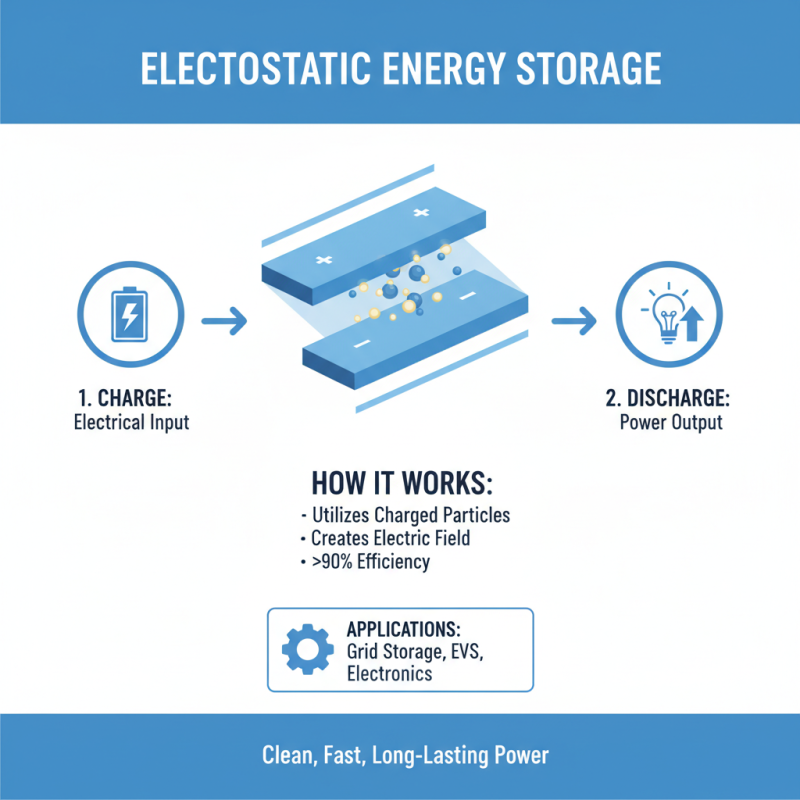
Electrostatic cells are fascinating devices. They store energy by using electric fields. These fields create attractive forces between charged plates. The energy can be released on demand. It sounds simple, but the science is complex.
When charging an electrostatic cell, energy builds up. This process requires careful management of voltage and capacitance. Users must know their limits. If the voltage is too high, it can cause failure. Such failures can be dangerous. Understanding the cell's design is crucial for safe operation.
Energy conversion in these cells is also noteworthy. The stored energy can be used in various applications. It might power small electronics or even larger systems. However, the efficiency of energy conversion can vary. Sometimes, this leads to wasted potential. We need to address the design flaws that cause this inefficiency. Further research could optimize performance and enhance usability.
Principles of Electrostatic Energy Storage and Conversion Mechanisms
Electrostatic energy storage harnesses the principles of electricity and electrostatics. This method utilizes charged particles to store energy efficiently. When energy is converted, charged particles create an electric field, releasing energy for various applications. Data from industry reports indicate that electrostatic storage can achieve efficiencies exceeding 90%, making it a strong contender against traditional battery technologies.
Tips: Maintain optimal conditions for electrostatic devices. Temperature and humidity play crucial roles in performance. Regular monitoring can prevent energy loss.
The mechanism behind electrostatic conversion involves creating and maintaining an electric potential. Energy is stored by increasing the separation of electric charges. This process can experience limitations. For instance, dielectric breakdown can occur at high voltages, leading to potential energy loss. Industry studies show that scaling these systems presents unique challenges, particularly regarding material stability and longevity.
Tips: Consider using durable materials. This choice can lead to longer lifespans and reduce maintenance issues. Flexibility in system design can enhance functionality, allowing for adaptation to various energy needs.
Components of an Electrostatic Cell: Functions and Materials
Electrostatic cells play a vital role in energy storage and conversion. These cells consist of key components: the electrodes, the electrolyte, and sometimes, the separator. Each part serves a unique function. The electrodes store and transfer charge. The electrolyte conducts ions between the electrodes. Its choice affects efficiency directly.
In an electrostatic cell, the materials enhance performance. Common electrode materials include carbon and metal oxides. The electrolyte can be a liquid, gel, or solid. Selecting the right materials can significantly influence energy yield. It's essential to experiment with different combinations. This could lead to better results.
Tips: Always consider the environment when choosing materials. Some could be harmful or not sustainable. Testing various configurations can reveal hidden flaws. An Electrostatic Smoke Purifier can also help improve air quality during experimentation. Observing the cell's behavior under different conditions is crucial. Keep a detailed log to track what works best.
Energy Storage Capacity of Different Electrostatic Cell Components
This bar chart illustrates the energy storage capacity (in Wh/kg) of various materials commonly used in electrostatic cells, highlighting their effectiveness in energy storage and conversion applications.
Step-by-Step Guide to Constructing an Electrostatic Energy Storage System
When constructing an electrostatic energy storage system, start with the right materials. You'll need capacitors, conductors, and a frame. Choose high-quality capacitors for better efficiency. Ensure your workspace is clean and well-lit.
As you assemble the components, pay attention to the connections. Poor connections can lead to energy loss. Make sure each connection is tight and secure. Consider adding insulation where necessary. This will prevent accidental shorts.
Tips: Test connections frequently. This helps catch errors early. Always measure the voltage during setup. It’s simple but effective.
Maintenance is also crucial. Regularly inspect your system for wear and damage. Electrical components can degrade over time. Once set up, track performance metrics closely. Adjust as needed to optimize performance. Building an efficient electrostatic energy storage system is a continuous process. Stay patient, and learn from any mistakes along the way.
Applications of Electrostatic Cells in Renewable Energy Technologies
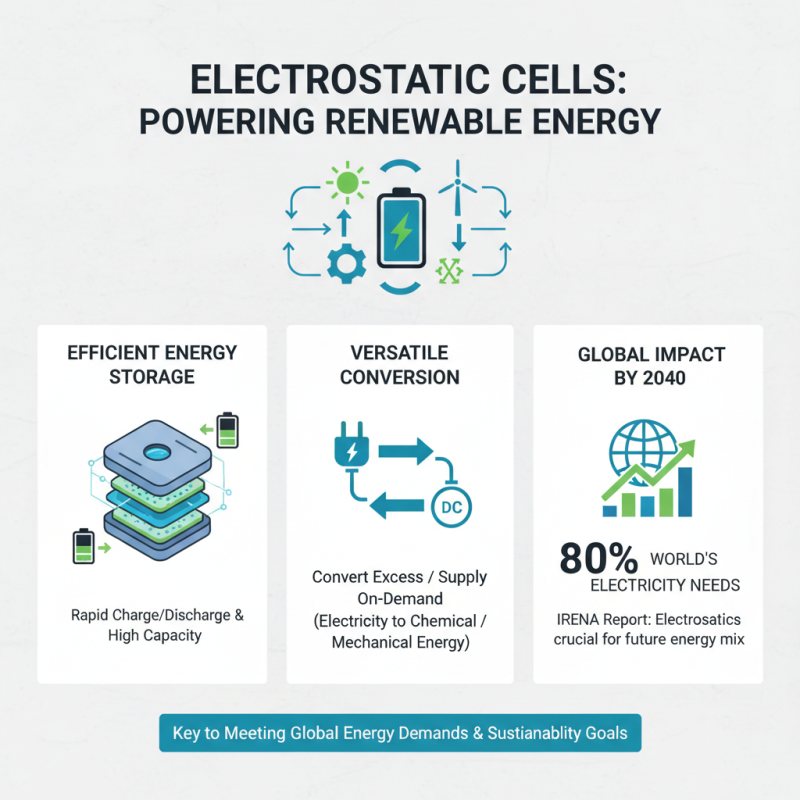
Electrostatic cells have gained attention in renewable energy technologies. They offer efficient energy storage and conversion, helping to meet global energy demands. According to a recent report by the International Renewable Energy Agency, energy storage systems, including electrostatics, could support up to 80% of the world's electricity needs by 2040.
One interesting application is in wind energy. Electrostatic cells can convert kinetic energy from wind into stored electrostatic energy. This technology could enhance energy conversion efficiency. However, challenges remain, such as optimizing cell design for greater energy density. Many researchers emphasize the need for a balance between performance and cost.
Moreover, electrostatic cells can be integrated with solar panels. They provide quick energy release during high demand. The combination can lead to more stable energy systems. Yet, the scalability of these cells to match large solar installations poses questions. Innovators must address these technical hurdles for wider adoption. The future of electrostatic cells in renewable energy lies in addressing these imperfections.
Advantages and Limitations of Using Electrostatic Cells for Energy Storage
Electrostatic cells have gained attention for energy storage and conversion due to their unique properties. They can charge and discharge quickly, making them ideal for applications that require rapid energy release. According to a recent industry report, electrostatic cells can achieve energy densities of up to 10 Wh/kg. However, there are notable limitations. One significant challenge is their relatively low energy capacity compared to other technologies such as lithium-ion batteries.
Another concern is operational efficiency. While electrostatic cells can charge and discharge rapidly, their efficiency drops significantly under certain conditions. For example, heating and humidity can decrease performance. Researchers estimate that the efficiency can fall by 20% in suboptimal environments. This inconsistency can be frustrating for users who expect reliable performance.
Tips: Ensure that your electrostatic cell is used within recommended environmental conditions. Conduct regular performance checks to identify any potential declines in efficiency. Proper maintenance can extend the lifespan of your energy storage system. Adjust your application’s design based on the unique characteristics of electrostatic technology for better performance.
Future Trends and Innovations in Electrostatic Energy Storage Solutions
Electrostatic energy storage is an exciting field. One innovative trend is the miniaturization of electrostatic cells. Smaller cells could enhance feasibility in portable devices. Imagine a phone that charges in seconds. This vision could soon be a reality.
Research is also leaning toward advanced materials. New dielectrics can improve energy density. Scientists experiment with nanostructures to boost performance. However, challenges remain. Ensuring stability and reliability over time is crucial. The balance between efficiency and longevity is still a puzzle.
Moreover, there’s talk of integrating these systems into renewable energy frameworks. Wind and solar energy could benefit significantly. Electrostatic systems might help in smoothing supply and demand. Yet, achieving the ideal synergy is complex. Ongoing studies aim to find the right combinations for optimal performance. The horizon looks promising, but there is much work ahead.
Maximizing Kitchen Air Quality: The Essential Role of In-Duct Cooking Oil Smoke Electrostatic Precipitator Filters
In a commercial kitchen, maintaining air quality is paramount, particularly when it comes to alleviating the adverse effects of cooking oil smoke. The implementation of in-duct electrostatic precipitator (ESP) Filters has emerged as a crucial solution for enhancing kitchen air quality. With filtration efficiencies reaching up to 98%, these systems are designed to effectively capture cooking smoke, grease particles, and oil mist. This advanced technology not only ensures compliance with health regulations but also creates a healthier environment for kitchen staff and patrons alike.
Commercial kitchen hoods equipped with ESP cells are available in various sizes to accommodate different kitchen layouts, with depths of 1.1 meters (43 inches) and lengths ranging from 1.6 meters (63 inches) to 2.4 meters (94 inches). Constructed from durable powder-coated steel, these hoods are further enhanced by stainless steel ESP cells, which are integral in the filtration process. Additional options such as UV odor eliminators and activated Carbon Filters can be incorporated to combat persistent odors, while automated water or steam wash systems simplify maintenance, ensuring consistent performance and efficiency.
Industry reports indicate that kitchens utilizing ESP technology experience a significant reduction in airborne particulate matter, contributing to overall improved indoor air quality. According to a study by the Environmental Protection Agency, proper ventilation and air filtration can reduce the concentration of harmful particulates by 50% or more, thereby mitigating health risks associated with prolonged exposure to cooking emissions. As the demand for cleaner air in culinary settings rises, investing in advanced filtration systems like in-duct ESPs will play a pivotal role in maximizing kitchen air quality and promoting a safe cooking environment.
FAQS
: The main goal is to connect users with local professionals. This helps them find reliable services quickly.
You can search through the website or app. Simply enter your location and service needed.
Yes, users can read reviews. This provides insights about experiences from others.
If you are not satisfied, you can provide feedback. It's essential for improving the service.
There might be fees. It's best to check the pricing details on the site before using it.
Use secure payment methods. Avoid sharing personal information outside the platform for safety.
If your issue isn't addressed, reach out to customer support. They can offer assistance and guidance.
Yes, you may have an option to pause your subscription. Check your account settings for details.
You can provide feedback anytime after service completion. Regular feedback helps improve services.
Yes, contact customer support through the app or website. They are available to assist you.
Conclusion
Electrostatic Cells play a crucial role in energy storage and conversion, leveraging the principles of electrostatics to store energy efficiently. Understanding the fundamentals of these cells involves exploring their components, which include dielectric materials that facilitate energy storage and conversion processes. This article provides a step-by-step guide for constructing an electrostatic energy storage system and discusses various applications within renewable energy technologies.
While Electrostatic Cells offer numerous advantages, such as fast response times and high efficiency, they also have certain limitations that must be considered. Looking ahead, the future trends in electrostatic energy storage solutions indicate significant innovations that could enhance performance and expand their applications. Overall, Electrostatic Cells represent a promising avenue for advancing energy storage technologies.

 Online Message
 Phone:+8613927702137
 E-Mail: kleanesp@kleanland.com
 Whatsapp: +8613927702137