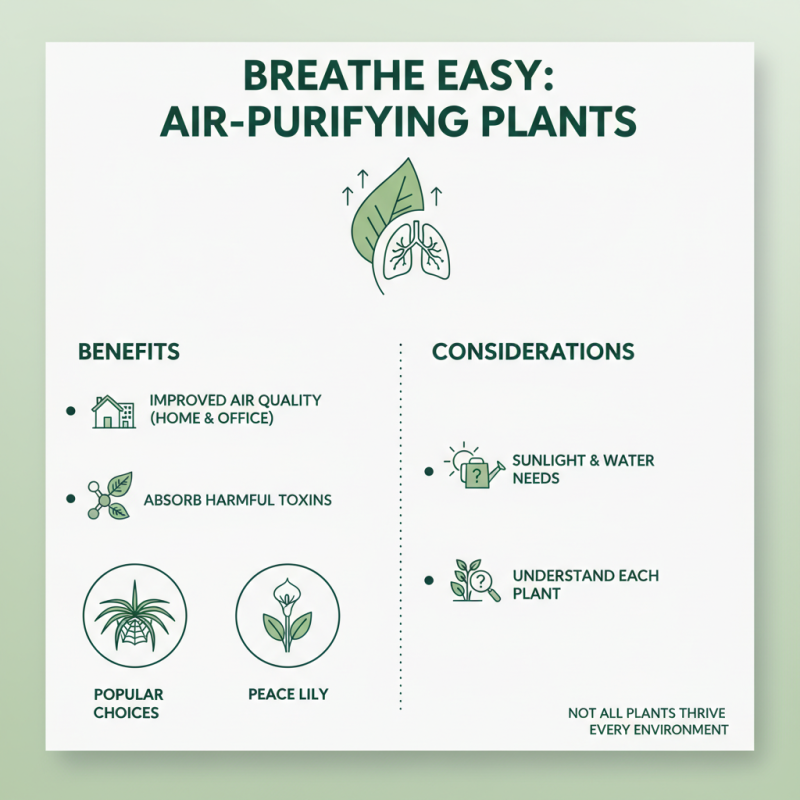
When it comes to plant Air Purification, experts often talk about how bringing greenery indoors can really make a difference in the air we breathe. Dr. Jane Goodwin from Green Leaf Innovations once said, 'Plants have this wonderful way of transforming our spaces by naturally cleaning the air.' It’s such a simple idea, but it shows just how powerful plants can be when it comes to making our environment healthier.
Now, houseplants aren’t just for looking pretty (though, let’s be honest, they do look great!). They actually serve some pretty important roles — like pulling toxins from the air and giving off fresh oxygen. Spending time around these green buddies can even help cut down on feelings of fatigue and stress. But surprisingly, many folks tend to underestimate just how much a little potted plant can improve their home vibe.
Of course, keeping plants alive and happy isn’t always a walk in the park. Some can struggle in low-light spots, and others might need specific watering routines to thrive. So, it’s really about finding the right plants that fit your space and lifestyle. The journey to cleaner, better air isn’t necessarily quick or easy — it takes some effort. Still, in the end, adding plants to your home or office can bring huge benefits, even if there are a few bumps along the way. That’s why the search for effective Plant Gas solutions is still super relevant today.
Understanding Air Pollution and Its Effects on Health
Air pollution is a serious issue. It affects our health and environment. Common pollutants include dust, smoke, and chemicals. Exposure to these can cause respiratory problems, allergies, and even chronic diseases. Many are unaware of how polluted air impacts their daily life.
Indoor air quality often remains overlooked. We spend a lot of time indoors, making this exposure significant. Plants can play a key role in improving indoor air quality. They absorb harmful toxins and release oxygen. However, not all plants are effective for air purification. Some may require specific care again and again.
The process of using plants for air purification is fascinating but imperfect. You might choose popular houseplants. Yet, their effectiveness can vary based on light and space availability. This method does not replace Industrial Air Purification systems. It complements them by adding beauty and freshness to our rooms. Rethinking air quality can lead to healthier living spaces. It’s essential to consider the balance between nature and technology.
How to Use Plants for Effective Air Purification? - Understanding Air Pollution and Its Effects on Health
| Plant Name | Air Pollutants Absorbed | Health Benefits | Care Requirements |
| Spider Plant | Formaldehyde, Xylene | Reduces stress, improves air quality | Low light, weekly watering |
| Peace Lily | Ammonia, Benzene, Formaldehyde | Cleanses air, promotes relaxation | Indirect light, moderate watering |
| Boston Fern | Formaldehyde, Xylene | Humidifies air, reduces allergens | High humidity, bright indirect light |
| Areca Palm | Formaldehyde, Benzene | Improves indoor humidity, reduces stress | Bright light, regular watering |
| Rubber Plant | Formaldehyde, Dust | Boosts mood, reduces impurities | Indirect light, minimum watering |
The Science of Air Purification: How Plants Clean Indoor Air
Plants have a fascinating ability to purify indoor air. They absorb carbon dioxide and release oxygen through photosynthesis. This process is vital for creating a healthier living environment. Some plants can even break down harmful chemicals. For example, common houseplants can reduce pollutants like formaldehyde and benzene. They do this by Filtering through their leaves and roots.
The science behind this is intriguing. Plants take in air through tiny pores called stomata. This is where the air purification happens. Volatile organic compounds (VOCs) are captured, helping to clean the air. Ozone Air Purification is another method people may consider, but plants offer a natural alternative. Unlike synthetic purifiers, plants add beauty to a space and improve air quality.
However, not all plants are equally effective. Some require specific conditions to thrive. Light, humidity, and temperature are crucial for their success. While many people enjoy keeping plants, it’s important to reflect on their care needs. Without proper attention, even the best air-purifying plants can struggle or die. Balancing aesthetics and functionality can be a challenge, and it's essential to choose wisely.
Air Purifying Capability of Common Indoor Plants
This chart illustrates the pollutant removal effectiveness of common indoor plants, measured on a scale from 0 to 100. These plants can significantly contribute to improving indoor air quality by filtering various toxins.
Common Indoor Plants Known for Their Air-Purifying Properties
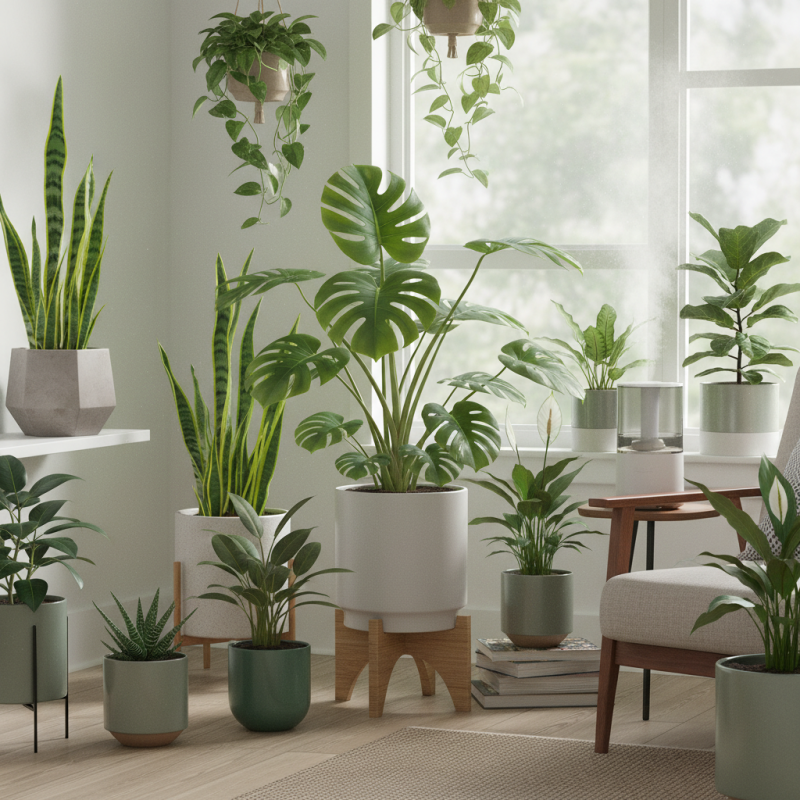
Indoor plants not only beautify our spaces but also contribute to healthier air quality. Some plants, like the spider plant, excel at removing pollutants. These resilient green friends thrive in various light conditions. Their long, arching leaves make them visually appealing. Plus, they can tolerate some neglect, which is great for busy lives.
Another popular choice is the peace lily. With glossy, dark leaves, it can grow in low light. This plant is known for filtering out harmful chemicals like ammonia and formaldehyde. It's a reminder that nature provides solutions to our modern problems. However, be cautious; peace lilies are toxic to pets. Placement matters, as some plants prefer indirect sunlight.
The snake plantis another effective Air Purifier. Its upright leaves are striking and can withstand droughts. It’s perfect for forgetful plant owners. Despite these advantages, it’s important to note thatoverwatering can be detrimental. Striking a balance is essential in plant care. Each plant has its own needs, reminding us that growth takes time and understanding.
Optimal Conditions for Plant Growth and Effective Air Purification
Growing plants indoors can enhance Air Purification in simple yet effective ways. They absorb toxins and release fresh oxygen. However, not all plants thrive in every condition. Factors like light and humidity are crucial. Choosing the right location is essential.
Bright, indirect sunlight is ideal for most air-purifying plants. Some may struggle in low light, while others might get scorched by direct sun. Regularly checking soil moisture levels also helps. Overwatering can lead to root rot, while under-watering may dry them out. Finding that balance is critical for healthy plants.
Moreover, humidity plays a significant role in plant growth. Many air-purifying plants prefer higher humidity levels. In dry environments, consider using a humidifier. Grouping plants can create a microclimate. It also fosters a sense of tranquility. However, care should be taken to avoid overcrowding, which can lead to mold or pests. Proper spacing ensures each plant can contribute effectively to air purification.
Integrating Air-Purifying Plants into Home and Office Spaces
Bringing air-purifying plants into your home and office can significantly improve air quality. Plants like spider plants and peace lilies are popular choices for their ability to absorb harmful toxins. These plants don’t just beautify a space; they also help you breathe easier. However, not every plant thrives in every environment. Some may struggle without enough sunlight or proper watering. It’s essential to understand each plant’s needs.
Incorporating these plants into your daily environment requires thoughtfulness. Consider placing a snake plant on your desk. It thrives even in low light and needs minimal care. An empty corner might benefit from a tall dracaena, adding height and character to the room. However, keeping up with their care can be a challenge. You might forget to water them or occasionally overdo it.
You could create a dedicated corner for a small fern garden. Grouping different plants together can enhance their aesthetic appeal. Remember, experimentation is part of the process. Not all plants will flourish, and that’s okay. Learn from the plants that don’t make it, and adjust your approach. Air-purifying plants can be a beautiful addition, but they also require your commitment.
Maintenance Tips for Healthy, Air-Purifying Indoor Plants
Indoor plants can greatly improve air quality. However, maintaining them properly is crucial. Regular watering is essential but be careful not to overwater. The soil should stay moist but not soggy. Use your finger to check the moisture level before adding more water.
Light conditions are another vital factor. Different plants have various light needs. Place them near a window if they need bright light. For shade-loving plants, low-light areas work better. Don’t forget to rotate your plants occasionally. This helps them grow evenly.
Dust tends to accumulate on leaves over time. Wipe them with a damp cloth to keep them clean. This also assists in photosynthesis. Occasionally, you might notice yellowing leaves. This can signal overwatering. Evaluate your care routine. Consider whether your plants are getting enough nutrients too. Keep an eye out for pests that can harm their growth. Regular checks help catch issues early.
Quantifying the Air Quality Improvement from Indoor Plants
Indoor plants play a significant role in improving air quality. Their ability to purify the air is not merely anecdotal; studies show measurable benefits. Plants absorb carbon dioxide and release oxygen, providing a cleaner environment. Some species are better at filtering toxins than others. They can remove harmful elements like benzene and formaldehyde from the air.
Quantifying the improvement from indoor plants is crucial. One method involves measuring the concentration of pollutants before and after adding plants. Simple test kits can help in this process. The change in air quality can be noticeable. Even small plants can yield positive results. However, the effectiveness varies based on plant type and placement.
Proper care is essential for these plants to thrive. Overwatering can lead to mold, while neglect affects air purification. It's important to monitor their health regularly. The aesthetic benefits cannot be ignored, but the real value lies in cleaner air. For optimal "Cleanroom Air Purification", keeping a variety of healthy plants is advisable. Each contributes differently to the indoor environment. This balance creates a vibrant space that feels fresher and more inviting.
Optimizing Stenter Machines: A Comprehensive Guide to Gas Air Filter & Heat Recovery System Integration
Optimizing Stenter Machines: A Comprehensive Guide to Gas Air Filter & Heat Recovery System Integration
In the textile and dyeing industries, the effective management of energy resources is increasingly critical. The stenter waste heat recovery system represents a pivotal advancement in this endeavor, offering manufacturers the ability to recover and repurpose the waste heat generated during stenter operations. According to the International Energy Agency, roughly 30% of energy used in textile production is lost as waste heat. By integrating a heat recovery system, companies can significantly reduce their energy consumption, leading to operational cost savings and a smaller carbon footprint.
The implementation of gas air filters in conjunction with stenter machines further enhances the efficiency of heat recovery systems. By filtering airborne pollutants and impurities from the exhaust, these filters not only improve air quality but also increase the effectiveness of heat exchange processes. Reports from industry specialists indicate that the use of advanced filtration technology can improve heat recovery efficiency by up to 15%. The simultaneous integration of these technologies not only complies with environmental regulations but also aligns with corporate sustainability goals, propelling businesses toward greener practices.
In light of rising energy costs and stricter environmental regulations, the adoption of waste heat recovery systems coupled with gas air filters is not just advantageous but essential. As industries strive for innovation and efficiency, optimizing stenter machine operations through these integrated systems can lead to substantial economic benefits while minimizing ecological impacts, aligning with the broader movement towards sustainable manufacturing.
FAQS
: Think about your interests and available time. Try activities that excite you.
Set small goals to track progress. Celebrate achievements, however small they seem.
Explore various activities. Attend workshops or classes to discover new passions.
Yes, following your interest is valid. It’s normal to outgrow certain activities.
Regular practice can improve skills. However, don’t let it become a burden or stress.
Engaging in enjoyable activities can be relaxing. However, don’t pressure yourself to excel at them.
Prioritize your time wisely. Schedule hobby time but remain flexible for other duties.
New experiences can be refreshing. Yet, consider your comfort level and ability to adapt.
It's possible to lose track of time. Reflect on your priorities to maintain balance.
Feelings of frustration are common. Take breaks and remember, growth takes time and patience.
Conclusion
In the pursuit of cleaner indoor air, understanding the principles of Plant Air Purification becomes essential. The article begins by exploring the effects of air pollution on health, establishing the significance of having clean air in our homes and workplaces. It highlights the science behind how plants absorb toxins and produce oxygen, effectively filtering indoor air.
The piece further discusses various common indoor plants renowned for their air-purifying abilities, alongside optimal conditions necessary for their growth to ensure maximum air purification. Practical suggestions for integrating these plants into home and office spaces, along with maintenance tips, are provided to promote healthy indoor environments. Lastly, the article emphasizes the importance of quantifying the improvement in air quality that these plants can offer, underlining their role as natural air purifiers in our daily lives.

 Online Message
 Phone:+8613927702137
 E-Mail: kleanesp@kleanland.com
 Whatsapp: +8613927702137