Indoor air pollution is a pretty big worry for lots of households these days. Did you know that, according to the EPA, the air inside your home can actually be two to five times more polluted than outside? That’s kinda shocking, right? It just goes to show why having good Air Purification methods, like UV Air Filtration, is so important. David Johnson from CleanAir Technologies explains it well—he says, “UV Air Filtration is really key in killing off harmful microorganisms and improving the air we breathe indoors.”
Plus, research shows that UV Air Filtration systems can cut airborne germs by up to 99.9%. Basically, they use ultraviolet light to clean the air, making places like your office or living room way safer. Honestly, a lot of folks don’t realize just how much air quality impacts their health. Bad air can cause breathing problems, allergies, and other health issues.
Of course, there are different ways to purify the air out there, but UV Air Filtration really stands out because it’s pretty effective. That said, not all systems are created equal—some do a better job than others. Regular maintenance is a must to keep things running smoothly. Picking the right UV Air Filtration system isn’t just about price; you gotta think about performance too. In the long run, investing in a good system can really pay off, not just for your health but also for your peace of mind and daily productivity.
Understanding Indoor Air Quality and Its Importance
Indoor air quality (IAQ) is often overlooked. Yet, it plays a vital role in our health. Poor IAQ can lead to allergies, respiratory issues, and other serious health problems. Many people spend most of their time indoors. Therefore, evaluating and improving our indoor environment is crucial.
Understanding IAQ begins with recognizing common pollutants. Dust, pet dander, mold, and volatile organic compounds (VOCs) are prevalent in homes. These pollutants can circulate in the air we breathe daily. They may cause discomfort and longer-term health concerns. Many are unaware of how quickly these can accumulate. Regular cleaning can help, but it is often not enough.
Incorporating effective air filtration systems can enhance indoor air quality. UV air filtration is particularly powerful. It targets harmful microorganisms, reducing their presence significantly. However, some may question their effectiveness or operation. It’s vital to research and consult experts. Each setting is unique, and solutions should be tailored accordingly. Taking the time to understand your indoor air can lead to significant improvements in health and comfort.
What is Uv Air Filtration and How Does It Work?
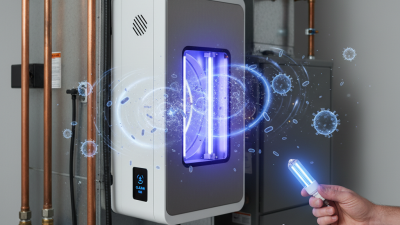
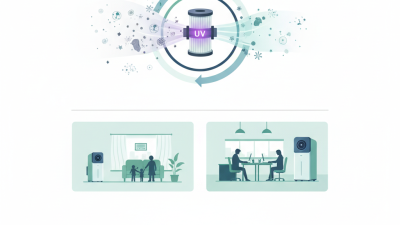
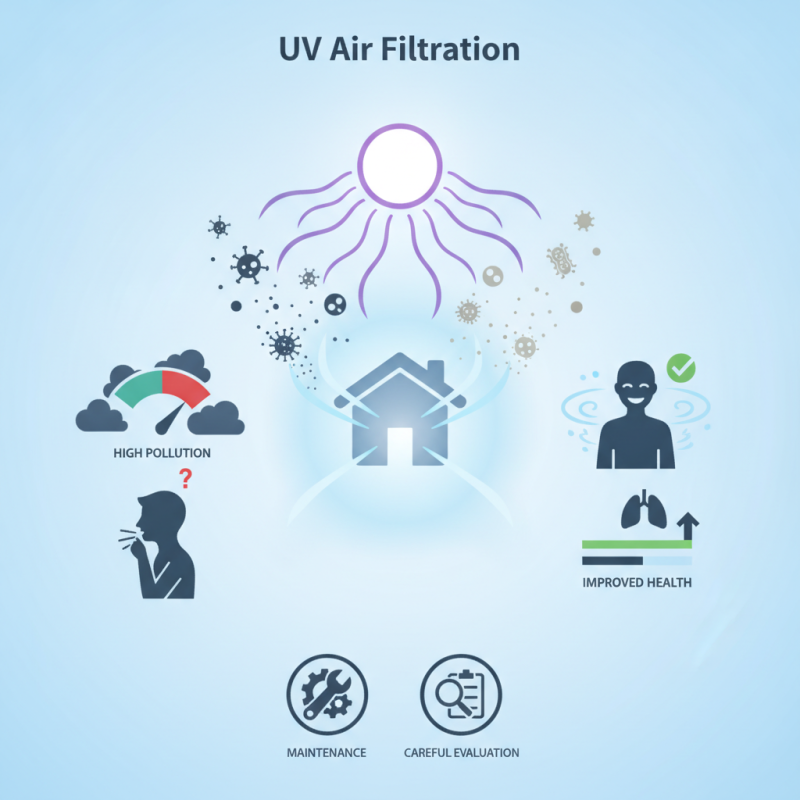
Ultraviolet (UV) air filtration is a powerful tool for improving indoor air quality. This technology uses UV light to eliminate harmful pollutants. It targets bacteria, viruses, and mold spores. When air passes through the UV system, these contaminants are neutralized. This process creates a healthier environment for you and your family.
Understanding how UV air filtration works can simplify air purification. UV lamps emit light at specific wavelengths. These wavelengths disrupt the DNA of microorganisms, preventing their reproduction. Many people overlook this technology. They might not realize how effective it can be. In some cases, the UV system can be integrated into existing HVAC systems. This setup ensures consistent air treatment throughout your home.
While UV systems are effective, they do have limitations. They may not remove all particulates or odors as some other systems do. It’s essential to combine UV filtration with additional methods, such as Ozone Air Filtration. This combination can enhance air quality even further. So, consider these systems carefully. Balancing the pros and cons will lead to better decisions for your indoor atmosphere. Regular maintenance and monitoring of these systems are also crucial to ensure they function correctly.
The Health Benefits of Improved Indoor Air Quality
Indoor air quality is crucial for maintaining a healthy living environment. Poor air quality can lead to various health issues, including respiratory problems and allergies. Many people overlook the importance of effective air filtration systems, such as "Furnace Air Filtration." This system plays a key role in trapping dust, pollen, and other pollutants that can circulate in our homes.
Improving indoor air quality has numerous health benefits. Clean air reduces allergens, which can help alleviate asthma and allergy symptoms. It enhances overall well-being by promoting better sleep and productivity. However, not all filtration systems are the same. Some may not effectively remove harmful particles, leaving you vulnerable to health risks. Regular maintenanceof your Air Filters is necessary but often neglected.
Investing time in understanding your air quality can lead you to healthier choices. Simple actions like changing filters regularly can make a big difference. Still, many forget or procrastinate this crucial task. It’s worth reflecting on your indoor environment. Are you truly doing enough to safeguard your health through effective air filtration?
Comparing Uv Air Filtration to Other Air Purification Methods
When considering indoor air quality, various purification methods exist. UV air filtration stands out due to its unique capabilities. Unlike traditional Hvac Air Filtration, which physically filters particles, UV systems use light to kill airborne pathogens directly. This results in cleaner air without producing any hazardous byproducts.
While HEPA filters capture dust and allergens, they do not eliminate viruses and bacteria. Some may debate the effectiveness of UV systems. Critics argue that light must reach every particle, which isn't always guaranteed. It's essential to assess how well UV filters work in your specific environment.
Tips: Regular maintenance of your UV system is crucial. Ensure bulbs are replaced as recommended. Additionally, combine UV filtration with other methods, like HVAC air filtration, for comprehensive air quality control. Monitoring humidity levels also aids mold prevention, another key factor in maintaining good air quality.
Why is Uv Air Filtration Essential for Your Indoor Air Quality? - Comparing Uv Air Filtration to Other Air Purification Methods
| Air Purification Method | Effectiveness at Removing Particles | Effectiveness at Killing Microorganisms | Maintenance Requirements | Initial Cost | Operating Costs |
| UV Air Filtration | High | Very High | Low - Change UV bulbs annually | Moderate | Low |
| HEPA Filters | Very High | Low | Moderate - Change filters every 6 months | Low | Moderate |
| Activated Carbon Filters | Moderate | Very Low | Moderate - Change every 3 months | Low | Moderate |
| Ionizers | Moderate | Moderate | Low - Clean plates periodically | Low | Low |
| Ozone Generators | High | High | Low | Moderate | Moderate |
Common Indoor Pollutants and Their Effects on Health
Indoor air quality is often overlooked. Yet, it significantly impacts health. Common indoor pollutants include volatile organic compounds (VOCs), particulate matter, and mold. According to the United States Environmental Protection Agency (EPA), indoor air can be two to five times more polluted than outdoor air. This can lead to serious health issues.
VOCs, found in paints and cleaning agents, can cause headaches and nausea. Long-term exposure may lead to liver damage. Particulate matter, such as dust and smoke, can worsen asthma and lead to respiratory diseases. The World Health Organization (WHO) has reported that air pollution is responsible for around 7 million premature deaths each year. Mold, often growing in damp environments, can trigger allergic reactions and respiratory problems.
Indoor pollutants can accumulate silently, affecting everyone's health. Children and the elderly are particularly vulnerable. Regular air quality assessments are essential. Investing in UV air filtration can help reduce these hazards. Improved indoor air quality can lead to fewer health issues. Yet, many still underestimate this risk. A proactive approach to indoor air quality can make a considerable difference.
Maintenance and Best Practices for Uv Air Filtration Systems
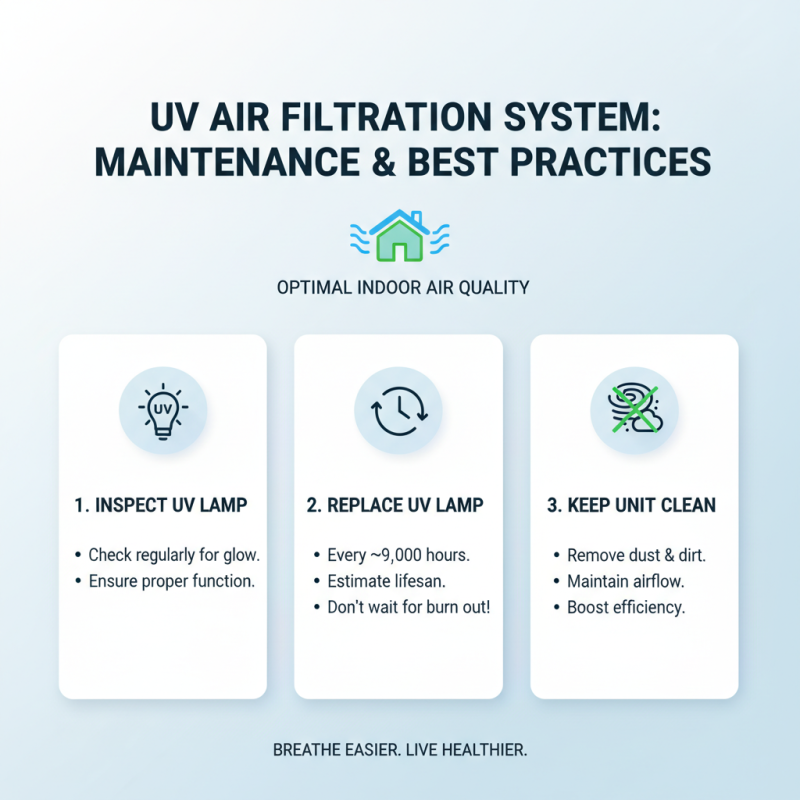
Proper maintenance of your UV air filtration system is crucial for optimal indoor air quality. Regularly inspect the UV lamp to ensure it is functioning effectively. These lamps usually have a lifespan of about 9,000 hours. If it's been running for that long, it's time for a replacement. Keeping the area around the unit clean helps to maintain airflow. Dust and dirt can accumulate and reduce efficiency.
Tips: Check bulbs every six months. Cleaning the system regularly can enhance performance.
Additionally, replace pre-filters and post-filters according to manufacturer guidelines. This prevents the buildup of particles that obstruct airflow and decrease filtration efficiency. Monitor humidity levels as well; UV systems work best in environments that are not too dry or too humid. High humidity can lead to mold growth, while low humidity can produce excessive dust.
Tips: Maintain humidity between 30% and 50%. Use a hygrometer for accurate readings.
Finally, consider scheduling annual professional maintenance. Experts can identify potential issues before they become significant problems. They can ensure the system runs at peak performance and provides clean, healthy air. Addressing any irregularities promptly makes a noticeable difference.
Choosing the Right Uv Air Filtration System for Your Space
Choosing the right UV air filtration system for your space requires careful consideration. You need to evaluate your room size first. A larger area may need a more powerful unit to ensure effective air purification. Pay attention to the system's specifications on UV lamp longevity. Shorter lifespans mean more frequent replacements, leading to higher costs over time.
Tips: Check the Clean Air Delivery Rate (CADR). This number indicates how effectively the air purifier can remove pollutants. Higher values indicate better performance.
Another vital factor is maintenance requirements. Some systems require regular cleaning of filters, while others need minimal upkeep. It is also important to ensure that the filters used complement your Air Conditioning Filtration setup. A mismatch can hinder performance, leaving harmful particles in the air.
Tips: Consider noise levels when selecting an air filtration unit. Some models operate quietly, while others can be disruptive. A peaceful environment promotes better health and relaxation.
Quality systems can greatly influence your indoor air quality. Investing time in research will reveal both the benefits and potential drawbacks of various models available. This reflection ensures a well-informed decision.
Enhanced Cooking Experience: Exploring the Filtration Efficiency of 98% Kitchen Hoods with Electrostatic Precipitators
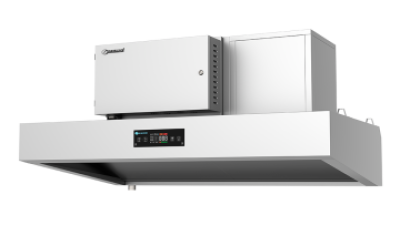
The integration of advanced electrostatic precipitators in commercial kitchen hoods has transformed the culinary environment, ensuring a cleaner and healthier workplace. With filtration efficiency reaching up to 98.5%, these systems effectively capture smoke particulates down to submicron sizes, greatly reducing airborne contaminants. A study by the National Institute for Occupational Safety and Health (NIOSH) emphasizes that there is a significant correlation between improved air quality in commercial kitchens and the implementation of high-efficiency filtration systems, showing a reduction in respiratory issues among kitchen staff by as much as 30%.
The modular design of contemporary range hood precipitators allows for easy customization and scalability, catering to various kitchen sizes and layouts. The incorporation of high-voltage power supplies enhances the performance of the stainless steel electrostatic filtration cells, ensuring optimal filtration while requiring minimal maintenance. An optional auto steam wash system is particularly noteworthy; it eliminates the need for manual cleaning for up to a year, allowing kitchen staff to focus on their culinary tasks rather than maintenance duties. This innovation not only enhances efficiency but also contributes to extended equipment lifespan, as regular cleaning is often a neglected aspect of kitchen operations that can lead to a buildup of grease and other residues.
By investing in such advanced kitchen hoods, commercial kitchens can significantly improve air quality, enhance cooking experiences, and ensure compliance with health and safety standards. As reported by the U.S. Environmental Protection Agency, high-efficiency filtration can lead to a reduction in indoor air pollutants, positively influencing overall kitchen environment and employee well-being. Implementing these modern technological solutions exemplifies a commitment to maintaining a safe and efficient culinary workspace.
FAQS
: Indoor air quality affects health. Poor air can cause respiratory problems and worsen allergies.
Effective air filtration reduces allergens. This helps alleviate asthma symptoms and promotes better sleep.
Regularly change filters. Many people overlook this essential task, risking their health.
UV systems kill airborne pathogens with light. They don't produce hazardous byproducts, unlike some methods.
No, UV filters may not reach every particle. Assess their effectiveness based on your environment.
Check humidity levels. Maintain them between 30% and 50% to prevent mold or excessive dust.
Inspect the UV lamp every six months. If it's used over 9,000 hours, replace it.
Neglect can reduce efficiency. Dust buildup can obstruct airflow, leading to poorer air quality.
Yes, combining UV with other filtration methods enhances overall indoor air quality.
Annual professional checks ensure optimal system performance. They help catch potential issues early.
Conclusion
Uv Air Filtration is an essential component for maintaining optimal indoor air quality. Understanding indoor air quality is crucial as it directly impacts our health and well-being. Uv Air Filtration systems utilize ultraviolet light to effectively eliminate harmful pollutants, allergens, and pathogens from the air. This advanced technology offers significant health benefits by reducing the presence of common indoor contaminants such as dust, mold, and bacteria.
When comparing Uv Air Filtration to other air purification methods, it stands out for its efficiency and effectiveness without producing harmful byproducts. Regular maintenance and adherence to best practices are vital to ensure these systems operate at peak performance. Choosing the right Uv Air Filtration system tailored to your specific space can greatly enhance your indoor environment, promoting a healthier lifestyle and improved overall air quality.

 Online Message
 Phone:+8613927702137
 E-Mail: kleanesp@kleanland.com
 Whatsapp: +8613927702137