





Coffee Roasting Smoke Purification: An Advanced ESP Solution by KLEANLAND
Why Coffee Roasting Smoke Purification Matters
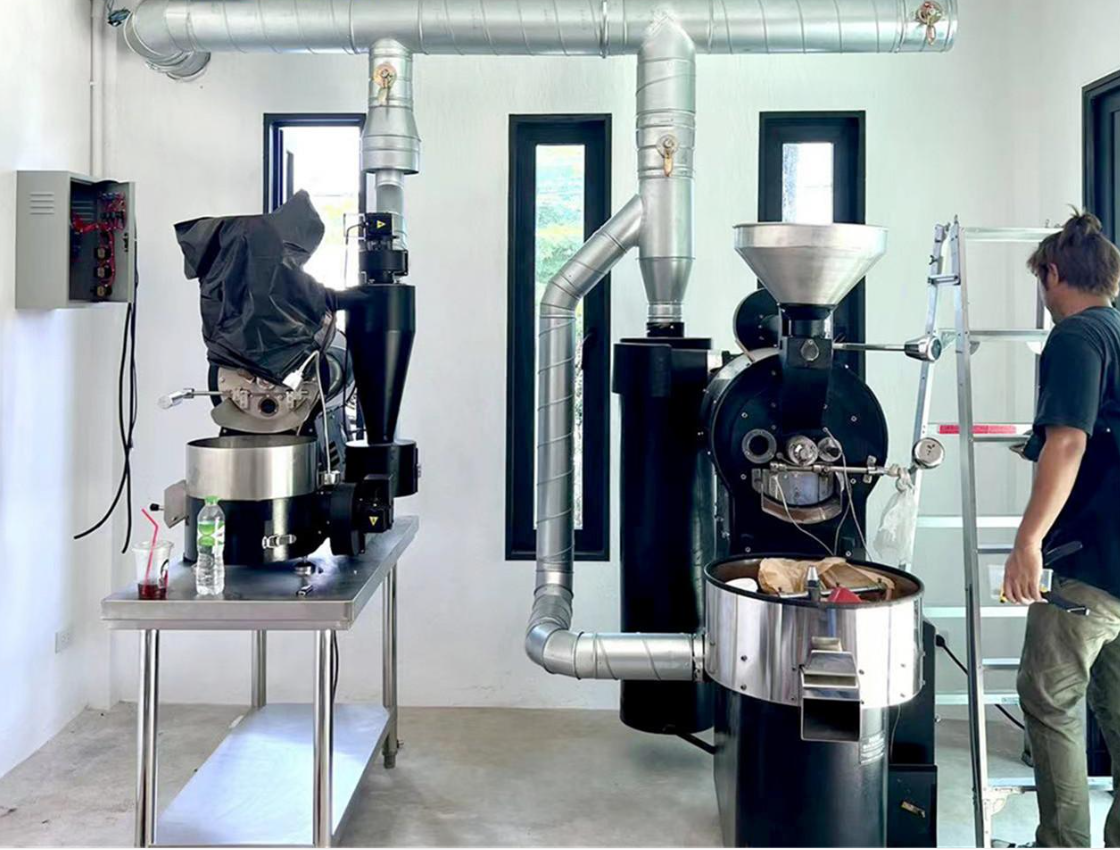
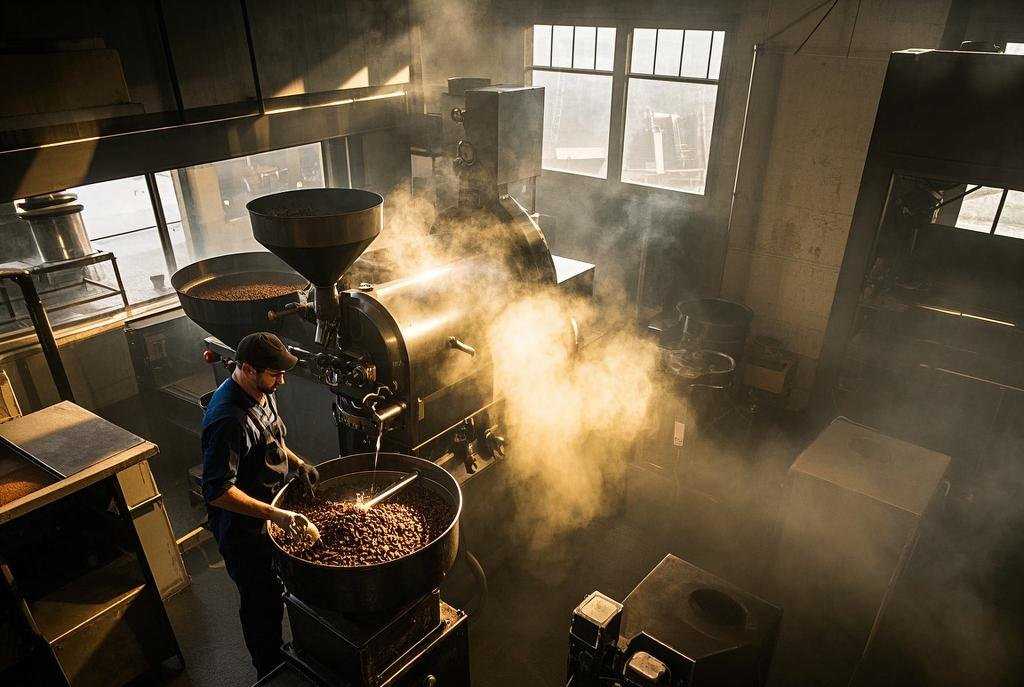
Coffee roasting is an essential process in coffee production, but it also generates smoke, oil mist, fine particulate matter, and characteristic odors. As coffee beans are heated at high temperatures, the roasting process releases airborne pollutants that may affect indoor air quality and create odor complaints in surrounding areas.
For commercial Coffee Roasteries, specialty coffee brands, and large-scale coffee processing facilities, effective coffee roasting smoke purification is essential for maintaining a cleaner working environment and controlling exhaust emissions.
KLEANLAND specializes in electrostatic air purification technology, providing advanced electrostatic precipitator (ESP) systems designed to capture smoke, oil mist, and fine particles generated during coffee roasting. With a properly configured purification system, coffee producers can improve Exhaust Air quality and support more environmentally responsible production.
Common Air Pollutants Generated During Coffee Roasting
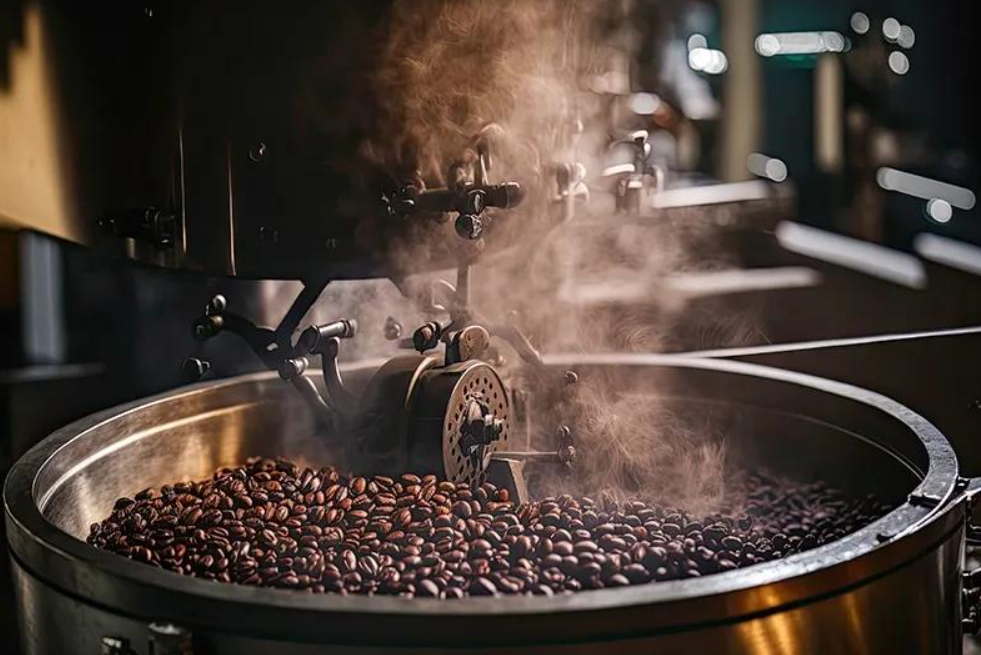
Coffee roasting emissions vary depending on bean type, roasting temperature, production capacity, and roasting equipment. Common pollutants include:
● Smoke and fine particles: Generated during the heating and roasting of coffee beans, potentially affecting workplace air quality.
● Oil mist and aerosol particles: Fine airborne substances that may be carried through the exhaust system.
● Odors: Strong roasting odors can spread beyond the production area and affect nearby workplaces or residential communities.
● Volatile organic compounds (VOCs): Certain organic compounds are released during roasting and may require additional treatment depending on the emission profile.
These emissions can be difficult to manage using ventilation alone. An effective purification solution should be selected according to the exhaust airflow, temperature, pollutant concentration, and applicable environmental requirements.
How KLEANLAND ESP Technology Purifies Coffee Roasting Smoke
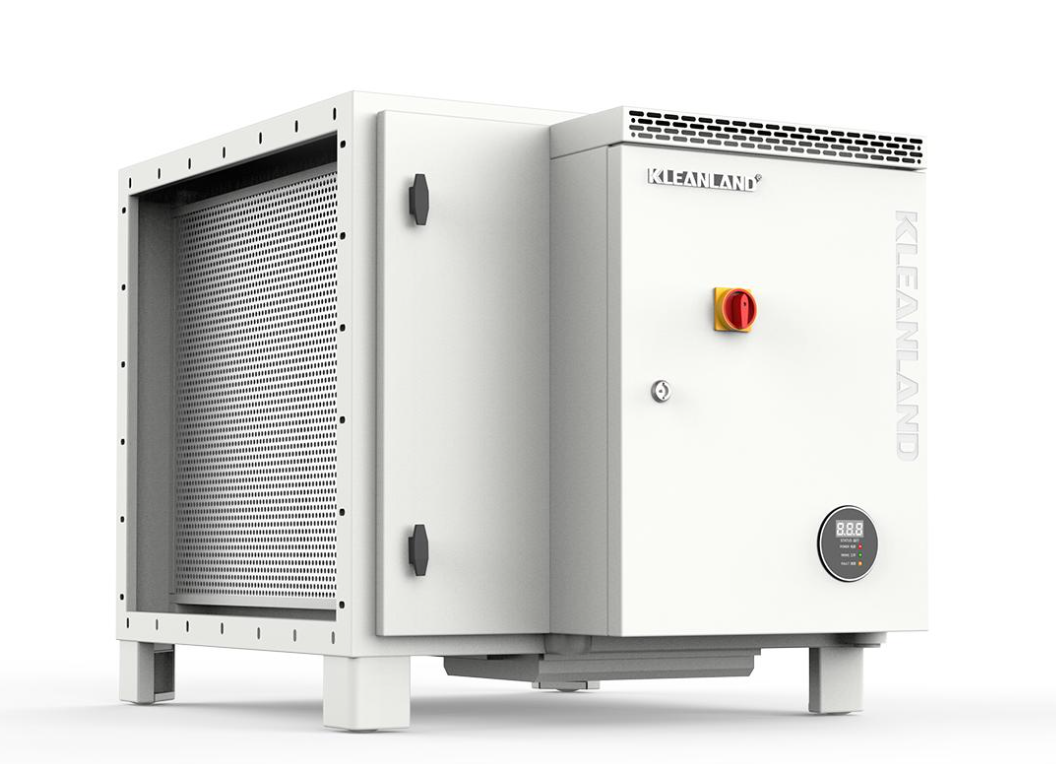
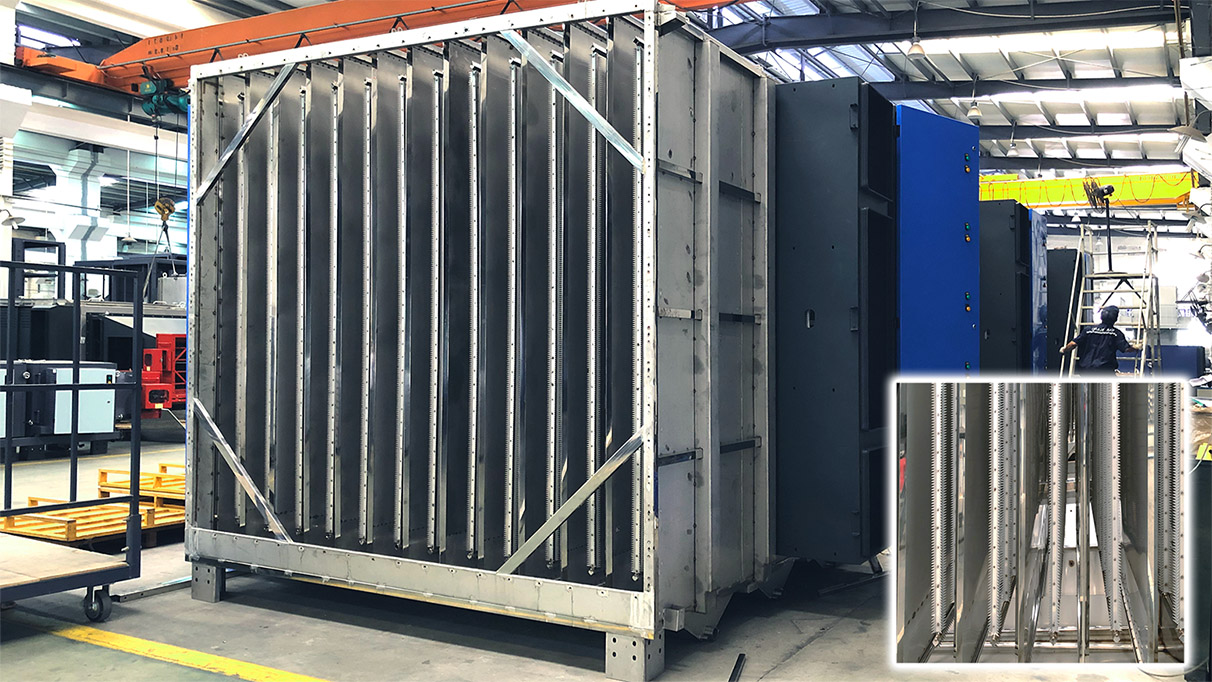
KLEANLAND provides coffee roasting smoke purification systems based on electrostatic precipitator (ESP) technology. The system is designed to capture fine airborne particles that may pass through conventional mechanical filtration systems.
How Does an ESP Filter Work?
Step 1: Exhaust Collection
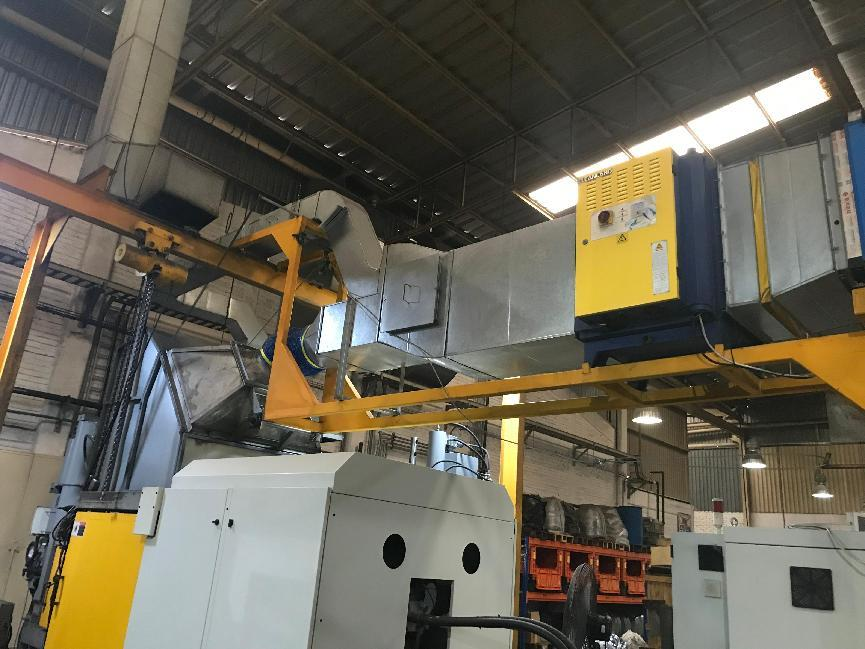
Smoke generated by the coffee roaster is collected through an exhaust hood or ductwork and directed into the purification system.
Step 2: Electrostatic Filtration
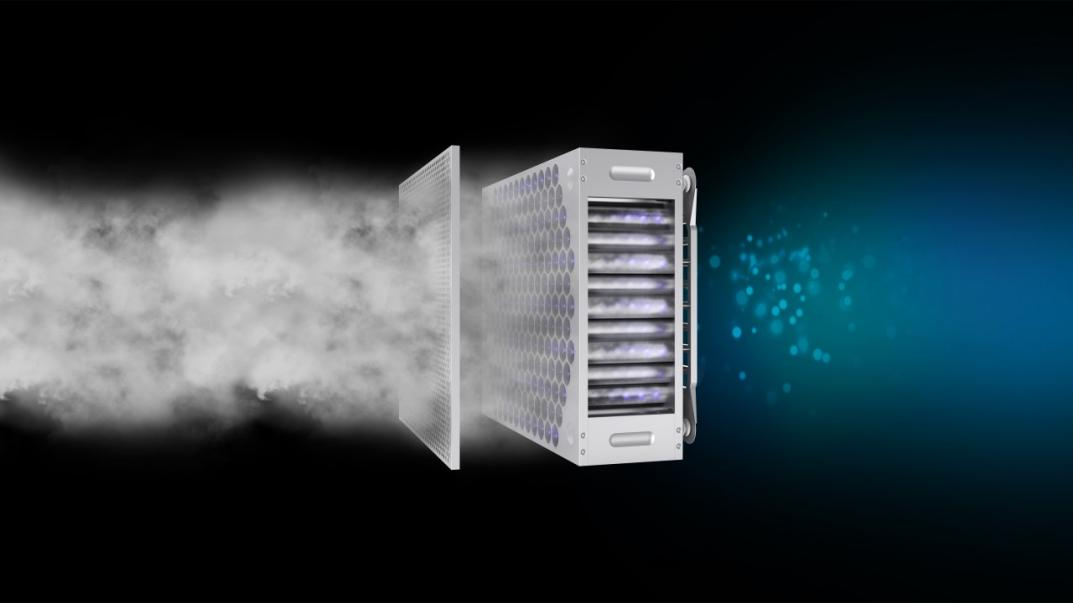
A high-voltage electric field charges airborne particles, which are then attracted to collection plates inside the ESP unit. This process helps remove smoke particles, oil mist, and fine particulate contaminants.
Step 3: Additional Treatment and Exhaust
Where required, optional odor-control technologies, such as activated carbon filtration or suitable UV treatment, can be integrated to address residual odors and other pollutants. Treated air is then discharged through the exhaust system.
The treatment stages should be configured according to the actual emissions. ESP filtration primarily targets particulate pollutants; it does not independently remove all gaseous VOCs or guarantee complete odor elimination.
Key Advantages of KLEANLAND Coffee Roasting Smoke Purification Systems
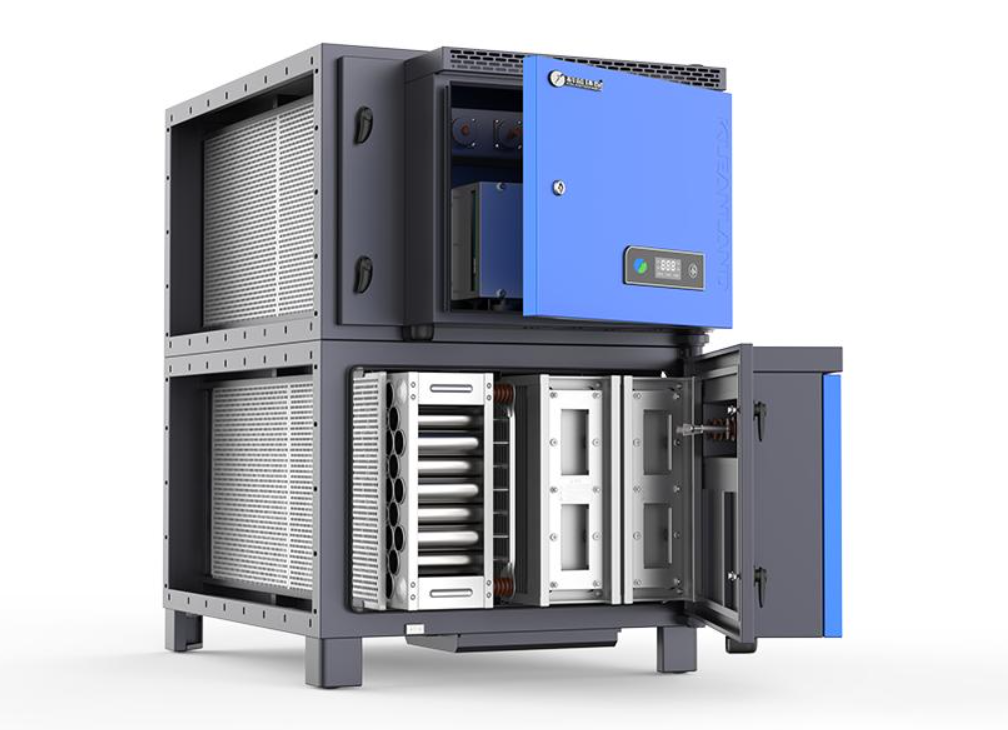
High-Efficiency Smoke and Particle Removal
KLEANLAND ESP technology is designed to capture smoke particles, oil mist, and fine airborne contaminants. Depending on the system configuration and operating conditions, filtration efficiency can reach up to 98%. Actual performance should be verified for the specific coffee roasting application.
Modular Design for Different Roasting Capacities
Every coffee roasting facility has different production requirements. A modular purification system can be configured to match the required airflow, available installation space, and roasting equipment layout.
Stable Operation and Convenient Maintenance
Industrial ESP systems are designed for continuous air purification applications. Appropriate maintenance, including regular inspection and cleaning of collector cells, helps maintain filtration performance and operational reliability.
Improved Exhaust Air Quality
By reducing particulate emissions, a properly selected ESP system helps control visible smoke and improves the quality of treated exhaust air. Additional odor treatment may be necessary where roasting odors are a major concern.
Support for Environmental Compliance
KLEANLAND helps coffee producers select air purification equipment according to their emission-control objectives. Final compliance depends on the complete treatment system, site conditions, local regulations, and measured outlet emissions.
Applications of Coffee Roasting Smoke Purification
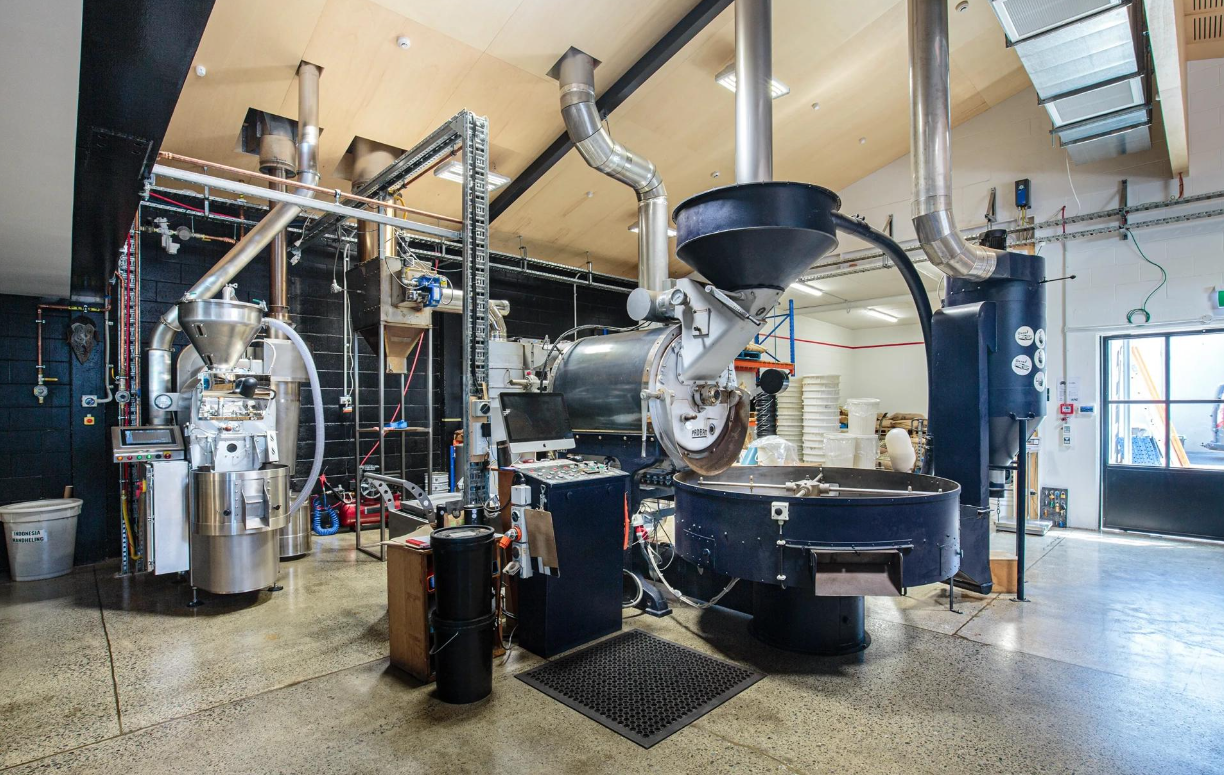
● Commercial coffee roasteries: Control smoke and particulate emissions from daily roasting operations.
● Specialty coffee brands: Improve exhaust air quality in small and medium-sized roasting facilities.
● Industrial coffee processing plants: Integrate centralized purification into larger roasting and processing lines.
● Coffee production and packaging facilities: Address roasting-related emissions where production equipment generates airborne pollutants.
For each application, KLEANLAND can evaluate the roasting process, exhaust airflow, temperature, and pollutant characteristics to help determine an appropriate purification configuration.
How to Choose the Right Coffee Roasting Smoke Purification System
Before selecting a coffee roasting smoke purification system, consider the following factors:
| Selection factor | Why it matters |
| Exhaust airflow | Determines the required system capacity and filtration area. |
| Exhaust temperature | Influences equipment configuration and the need for cooling or other pretreatment. |
| Pollutant characteristics | Helps determine whether ESP filtration alone is sufficient or additional treatment is needed. |
| Odor-control requirements | May require activated carbon, suitable UV treatment, or another dedicated technology. |
| Installation conditions | Affect duct layout, equipment footprint, fan selection, and maintenance access. |
| Local emission standards | Determine the required outlet performance and verification methods. |
Professional recommendation: For applications involving heavy smoke, strong odors, or complex VOC emissions, evaluate the complete exhaust treatment process rather than selecting equipment based on filtration efficiency alone.
Why Choose KLEANLAND for Coffee Roasting Smoke Purification?
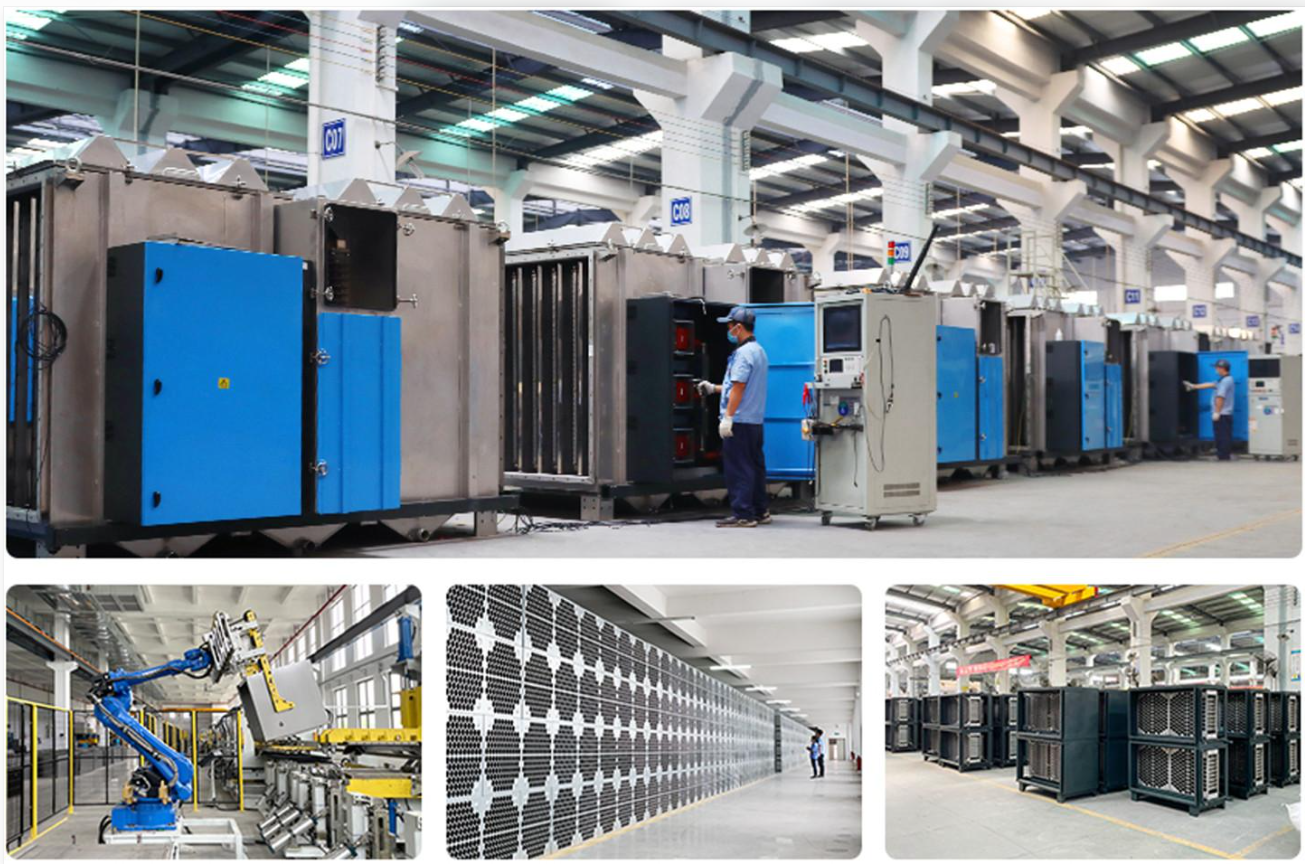
KLEANLAND is an air purification equipment manufacturer specializing in electrostatic precipitator technology for commercial kitchens and industrial exhaust treatment applications.
Our coffee roasting smoke purification solutions are designed to help businesses address the challenges of smoke, oil mist, and fine particulate emissions while adapting to different production capacities and installation requirements.
● Specialized ESP technology for smoke and fine particle collection.
● Customized system configurations based on actual exhaust conditions.
● Modular equipment design for different roasting facilities.
● Optional supplementary treatment for applications requiring additional odor control.
● Manufacturer support for equipment selection and project planning.
Whether you operate a specialty coffee roastery or a large industrial coffee processing plant, KLEANLAND can help you explore a suitable exhaust purification solution.