






Compare RTO and VOC Recovery by Carbon Absorption
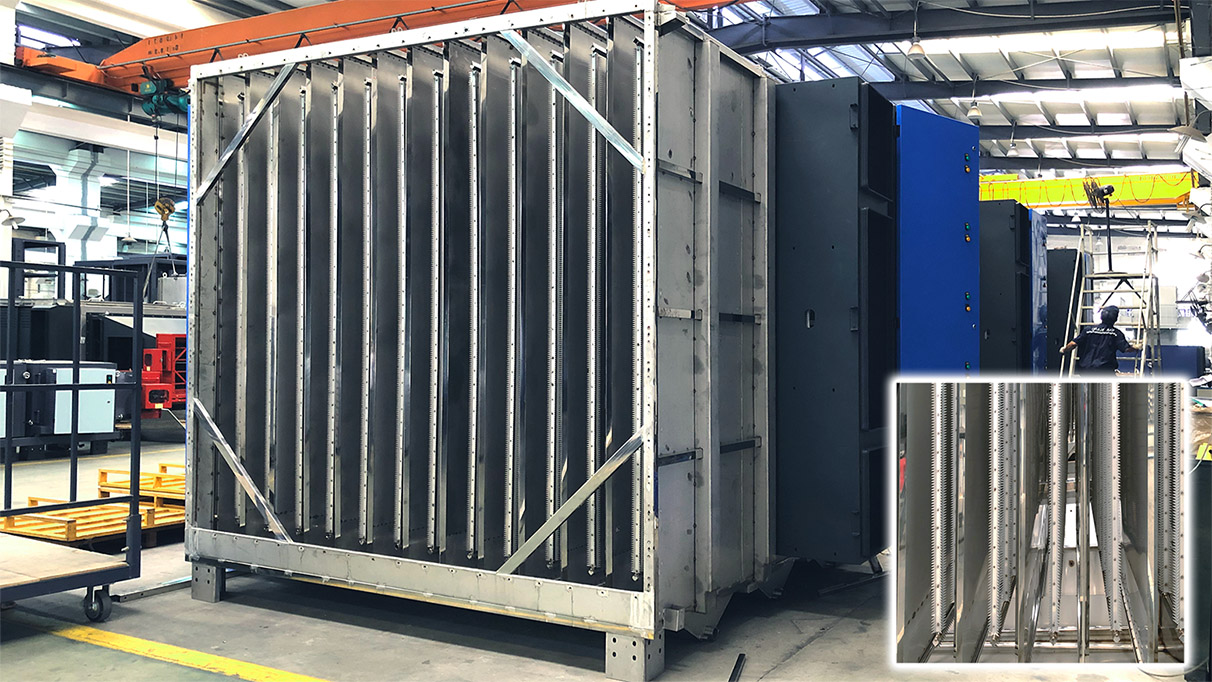
The origins of modern industrial electrostatic Exhaust Purification equipment and electrostatic precipitation technology can be traced back to traditional electrostatic precipitators, widely used for dust control in heavy industries like power plants, steel mills, and construction materials production. With technological advancements, electrostatic precipitators are evolving toward larger-scale designs and wider electrode spacing. Traditional designs typically have electrode gaps under 300 millimeters, whereas wide-spacing technology increases the gap to 400 millimeters or more.
Regenerative Thermal Oxidizer (RTO)
A Regenerative Thermal Oxidizer (RTO) is an air Pollution Control system designed to destroy Volatile Organic Compounds (VOCs) by oxidizing them at high temperatures (typically 800–1000°C). It works by passing VOC-laden air through ceramic heat exchangers, where the pollutants are burned into carbon dioxide (CO₂) and water vapor. RTOs are highly effective in reducing emissions, with destruction efficiencies of over 95%. However, they consume significant amounts of energy and completely eliminate valuable organic solvents, making them costly in industries where VOCs could otherwise be recycled.
VOC Recovery by Carbon Absorption
VOC Recovery by Carbon Absorption is an alternative technology that captures and reuses VOCs instead of destroying them. It utilizes activated carbon or other adsorbents to trap VOCs from exhaust gases. Once saturated, the carbon is regenerated using steam or vacuum, allowing for solvent recovery and reuse in production. This method significantly reduces raw material costs, minimizes emissions, and promotes sustainable industrial practices. It is particularly beneficial for industries like PVC glove manufacturing, printing, and chemical processing, where VOCs serve as valuable solvents.
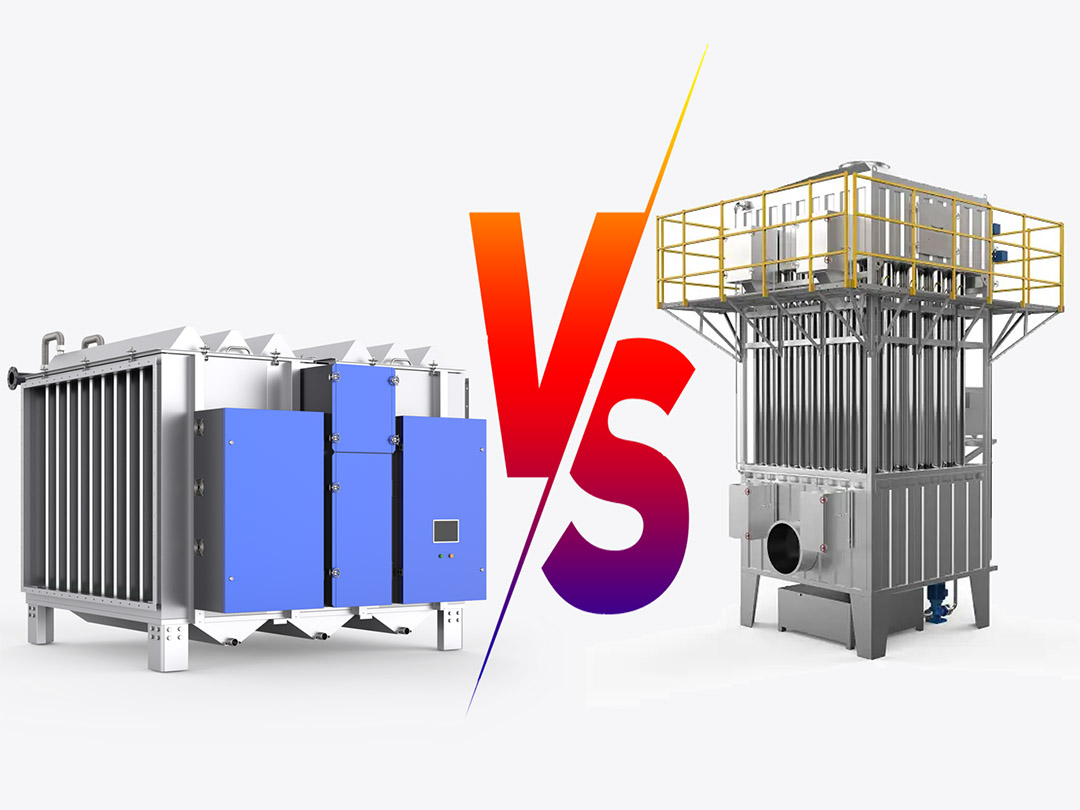
When comparing two solutions for VOC recovery or capture—Regenerative Thermal Oxidizer (RTO) and VOC recovery by carbon absorption—in terms of economic significance, societal well-being, and environmental effects, there are notable differences:
Economic Significance:
Regenerative Thermal Oxidizers are capital-intensive and require significant maintenance due to their complex systems. However, RTOs are highly effective for high-volume VOC emissions and can be more cost-efficient for large-scale operations, particularly in industries with continuous and large amounts of VOC emissions. The energy consumption is high, but the potential for heat recovery makes it economically viable in the long term.
This solution tends to have lower initial costs and is simpler to maintain. It is more suited for industries with moderate to lower VOC emissions. However, while the initial investment may be lower, the carbon filters need to be replaced or regenerated periodically, which can add ongoing costs. In some cases, recovered VOCs can be sold as valuable chemicals, providing an additional revenue stream.
RTOs are highly effective at destroying VOCs, resulting in cleaner air and improved health outcomes in surrounding communities. By burning off VOCs at high temperatures, they reduce the concentration of harmful compounds in the atmosphere. However, high energy use can contribute to additional costs and environmental burdens, depending on the energy source.
This method captures VOCs, preventing them from being released into the atmosphere and directly improving local air quality. It reduces harmful health effects for workers and the surrounding community, making it highly beneficial for industries located in densely populated areas. Additionally, as VOCs can often be recovered and reused, the process supports a circular economy and reduces waste.
The RTO process contributes to a significant reduction in VOC emissions, helping to meet regulatory requirements. However, the high energy demand can lead to increased carbon emissions unless renewable or low-carbon energy sources are used. This method does not recover VOCs but simply destroys them, which can be a downside from a resource conservation perspective.
This method captures and recycles VOCs, leading to a lower environmental impact. It reduces harmful emissions, and if VOCs are recovered and reused, it minimizes waste. It also reduces the need for raw materials in production by reintroducing recovered chemicals into the process. The environmental benefit is significant as it supports sustainability and reduces the overall carbon footprint of the facility.
Conclusion:
RTO is better suited for high-volume, continuous operations with significant VOC emissions, offering high efficiency but at a higher energy cost. VOC recovery by carbon absorption is ideal for moderate emission levels, offering a more sustainable, lower-energy solution that can also contribute to reducing overall industrial waste and improving local air quality. It is economically attractive for industries seeking to capture and reuse VOCs, supporting both cost-efficiency and environmental sustainability.
Advanced Technology for Maximum Efficiency
Kleanland VOC Recovery Solution utilizes high-performance carbon absorption, condensation, and catalytic regeneration to efficiently capture and purify VOCs. Our system ensures maximum solvent recovery rates, reducing emissions while reclaiming valuable raw materials for reuse. Unlike Regenerative Thermal Oxidizers (RTOs) that burn VOCs into waste, Kleanland’s technology recycles solvents like DOP, D70, and D80, turning waste into profit.
Unmatched Economic and Environmental Advantages
By integrating cutting-edge adsorption materials, intelligent regeneration cycles, and energy-efficient designs, Kleanland’s VOC recovery system offers rapid payback—often within a year. Factories benefit from reduced production costs, lower solvent consumption, and full regulatory compliance, all while minimizing environmental impact. Our solution is the preferred choice for PVC glove manufacturers and other industries seeking to enhance sustainability, operational efficiency, and profitability.
Adsorption is a surface phenomenon where gas-phase VOCs adhere to the surface of a solid (activated carbon) due to Van der Waals forces and capillary condensation in micropores.
Activated carbon has a high surface area and porous structure, allowing it to effectively trap VOC molecules.
The efficiency of adsorption depends on temperature, pressure, VOC concentration, and the nature of the VOCs (e.g., polarity, molecular weight).
Desorption is the reverse process of adsorption, where VOCs are removed from the activated carbon using heat, steam, vacuum, or inert gases.
This process allows the carbon to be reused and the VOCs to be condensed and recovered for reuse.
RTO systems burn away your VOCs—and your money!
But with Kleanland's VOC Recovery Solution, you can recover 95% of VOCs, turning waste into profit with massive economic benefits.
Your competitors are recycling VOCs into reusable solvents, that's why they are selling at a price you can't beat!
Join the leader in VOC recovery—Kleanland who dominates China’s industrial market, the world’s factory hub.