How to Choose the Best Smoke Air Filter for Your Needs?
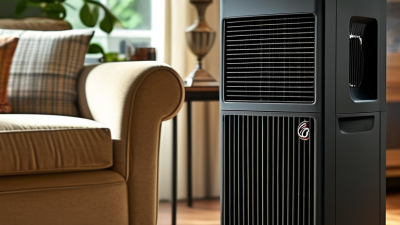
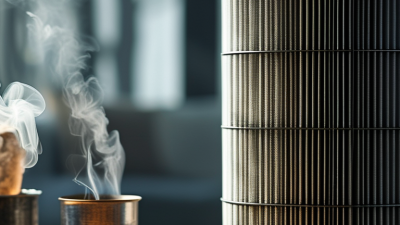
Picking out the best Smoke Air Filter isn’t just about grabbing the biggest, most powerful machine out there. Honestly, a lot depends on your room size, where the pollution is coming from, how air moves around, and how much effort you're willing to put into maintenance. Smoke can come from all sorts of sources—cooking, fireplaces, wildfires, or even those occasional indoor activities. Each one creates a unique mix of particles, smells, and gases, and that really matters when you're choosing an air purifier. For example, a tiny little unit meant for a bedroom might not cut it in a big open kitchen. So, it’s smart to start by measuring your space, thinking about how the air flows, and considering how often you’ll be exposed. Don’t just go for vague claims — look for published Clean Air Delivery Rate info. Also, it helps if the product has clear testing details and an easy-to-follow replacement schedule. Trust me, convenience controls are great, but they can’t do much if the airflow isn’t up to par. A good Smoke Air Filter usually combines a mechanical filter—think HEPA or similar—with activated carbon. The first traps tiny particles floating around, while the carbon helps cut down on certain odors and gases. But, neither of these is a magic fix. The performance of the carbon depends a lot on how much you have, its quality, and how well it's maintained. For example, a Smoke Hood Filter is more about catching grease and smoke directly at the source, like near the stove, so the smell doesn’t spread all over. Before choosing one, double-check its size, airflow capacity, how it’s installed, and how often it needs cleaning. Don’t make the mistake of thinking a hood filter can replace a portable purifier—that’s pretty common, but not accurate. One thing I’ve learned from experience is that having honest expectations is key. Sometimes, those fancy labels and specs sound super impressive—they don’t always tell the full story. How well a filter actually works depends a lot on your room setup and whether your doors are shut, too. Honestly, I used to focus too much on specs and not enough on practical things like noise levels, energy bills, filter costs, and daily hassle. A quietly running unit that works consistently can beat a powerhouse that’s only turned on when you remember. Make sure to replace filters as recommended or if odors come back. Keep some notes over a few weeks—then, you can reassess whether it’s really doing the job you need. Bottom line? No single filter is perfect for every home. It’s all about finding the right fit for your specific situation.
Read more »